

DOTr Eyes Road Safety Reforms After Fatal Crashes
"The first step is to acknowledge that the system is not working."
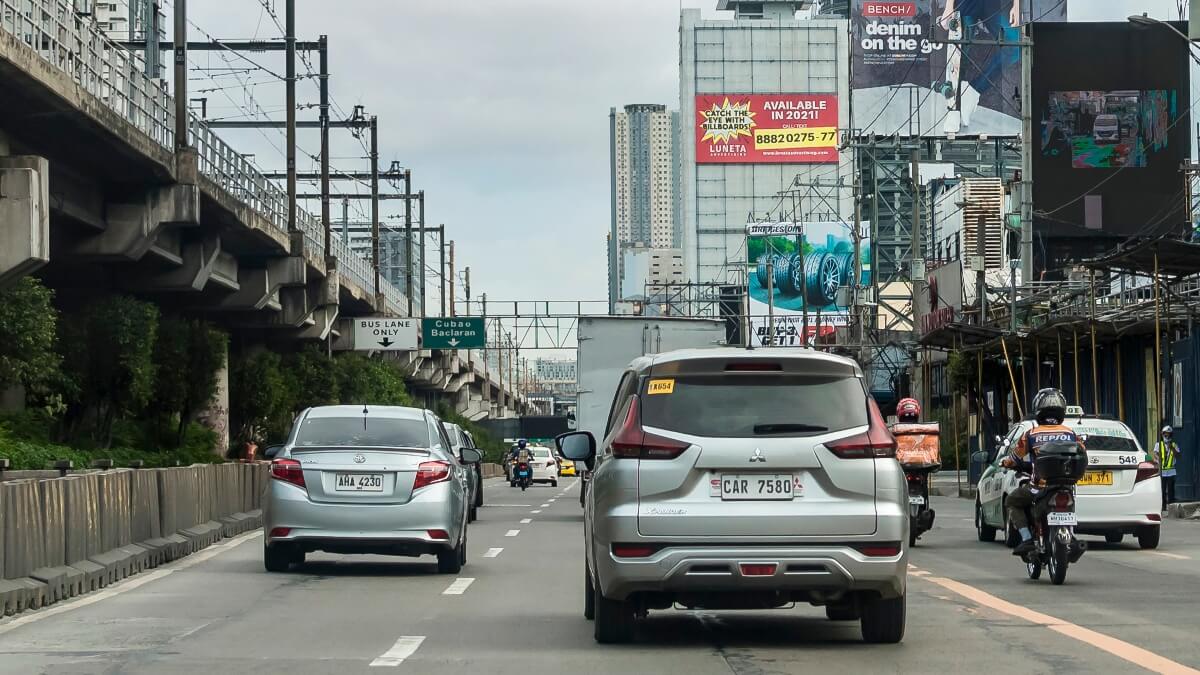
(SPOT.ph) Lax driver licensing, underreported road deaths, and vehicles that skip roadworthiness tests—these are just some of the problems the government is confronting in its latest road safety push.
The Department of Transportation (DOTr) held a consultative forum with civil service organizations and business groups on May 21 to develop action plans aimed at enhancing road safety following the widely reported fatal road crashes in late April.
Undersecretary for Road Transport and Non-Infrastructure Ramon Reyes called attention to systemic issues surrounding driver training and licensing, including practices in driving schools, lenient penalties for traffic rule violators, and flawed processes in permit issuances and driver’s license applications. He gave special mention to the “atras-abante” system where applicants simply drive a test car forward and backward—and pass the exam “for a fee.”
DOTr Secretary Vince Dizon responded by noting how “the first step is to acknowledge that the system is not working.”
“For all intents and purposes, there is no practical driving examination… Motor vehicles don’t get road worthiness tests, especially the vehicles that can do the most damage [such as] buses, trucks, and PUVs that carry anywhere between 20 to 50 people,” Dizon said.
Also read: 12,000 Are Killed on Philippine Roads Every Year. What Can We Do?
DOTr plans for road safety
“Need for improved data collection”
Former DOTr Senior Advisor Robert Y. Siy, Jr. brought up how road deaths in the country are underreported. The Asian Development Bank’s Asia Transport Observatory likewise noted a “notable discrepancy in reported road crash data,” highlighting the need for improved data collection and reporting mechanisms.
“Whenever the numbers come out, road crashes, people die, people get hurt, but is anyone accountable?” Siy said. “The parties involved in the crash [often get blamed]. The global advice, the best advice we hear today is to tackle this using a safe systems approach. It’s not just the driver, not just the vehicle; it’s also the regulations and infrastructure surrounding it. There will be problems with screening, with fatigue—for the driver—with the behavior of the vulnerable road user.”
Siy also noted the lack of financial allotment for road safety: “There’s zero budget for road safety. For years and years, despite everybody complaining about this issue. Why is that the case? We need to put resources behind this problem. It can’t be all of us just talking.”
Also read: P8 Million Spent on Safety Bollards That Failed in Deadly NAIA Crash
Inter-agency action plan
The DOTr is currently co-implementing the Philippine Road Safety Action Plan, which was launched in 2023 and is expected to run until 2028. The multi-sectoral plan aims to reduce road deaths by at least 35% and includes collaboration with civil society groups, with support from the World Health Organization.
Under this approach, Siy said “the safety of vulnerable road users, rather than the speed of motor vehicles, becomes the primary consideration. We need to reflect that in the designs of our roads, our manuals, in the performance indicators of our government agencies.”
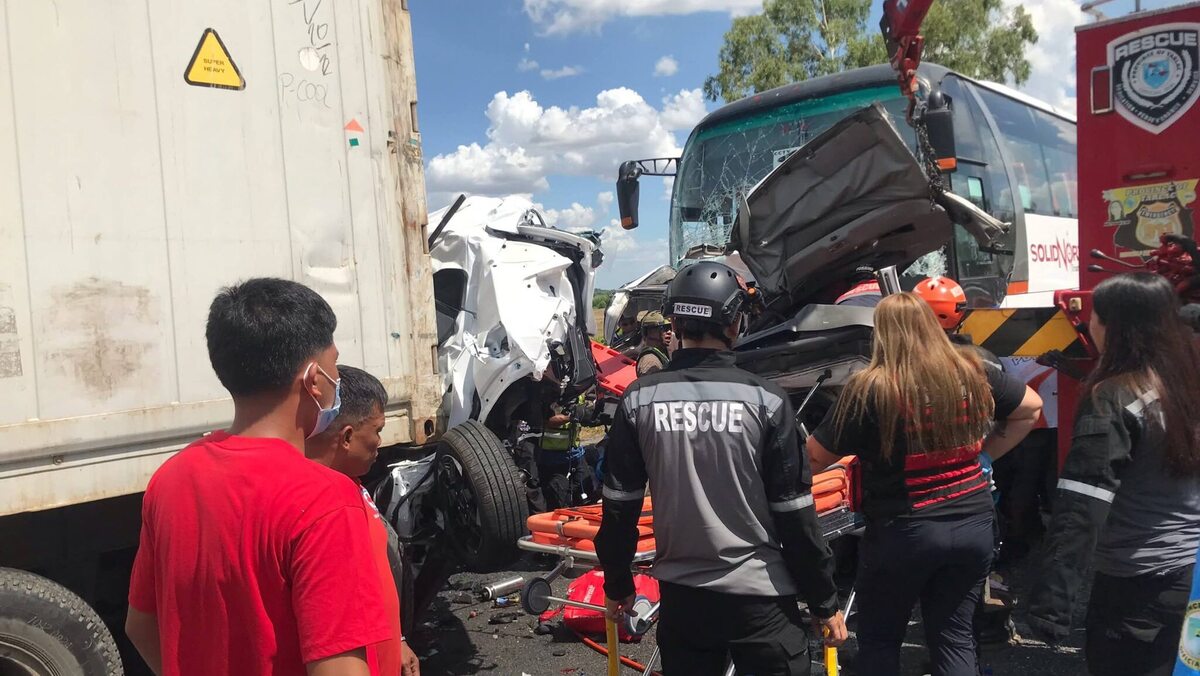
MAOC Road Safety Specialist Atty. Daphne Marcelo also urged for “institutional accountability.”
“In Facebook, comment section pa lang, nagtuturuan [na]. Hindi natin naiisip that road safety is a shared responsibility… It’s also the government that bears the lion’s share of that responsibility because government dictates what infrastructure looks like, and design dictates behavior,” Marcelo said.
She cited action plans and Republic Acts from previous administrations. Marcelo also consults for global institutions, including the Global Road Safety Partnership and the Asian Development Bank's Asia Pacific Road Safety Observatory.
Towards the end of the forum, the DOTr made an open call for concerned groups to submit position papers and studies, specifically asking for “low-hanging fruit” given the limited time frame of the current administration.
Those interested may submit their position papers to ourtni@dotr.gov.ph and ptmp@dotr.gov.ph.