
PSA: Don't Iron P1,000 Polymer Bills in Your Jeans Pocket or Else...
If it's damaged, can you have it replaced?

(SPOT.ph) Communications and accounts specialist Jonathan de Vera said he accidentally shrunk a P1,000 polymer bill while ironing his jeans. That's hard-earned money allotted for his college tuition down the drain.
Polymer banknotes are made of plastic and while it can resist damage from water, oil, dirt, and general wear and tear, it can shrink or burn when exposed to high temperatures, according to the Bangko Sentral ng Pilipinas. For De Vera, it's a lesson learned that he hoped other Filipinos wouldn't experience.
Also read:
New Peso Bills: Your Money Will Wrinkle Wrinkle, Don't Fold
More Money, More Problems: The New P1000 Bill Just Got Harder to Carry
"Naiwan ko sa bulsa ng pantalon ko ang P1,000 na polymer. It so happened na nagplantsa ako. Nakapa ko lang nung binaligtad ko pantalon ko, ito ang nangyari," De Vera said.
"Goodbye 1k pandagdag ko pa naman sa enrollment fee ko," said De Vera, who went back to school at 40 to finish his management degree.
Good news for those who have mutilated banknotes: The BSP can replace them as long as it meets certain conditions.
What the BSP says about damaged banknote
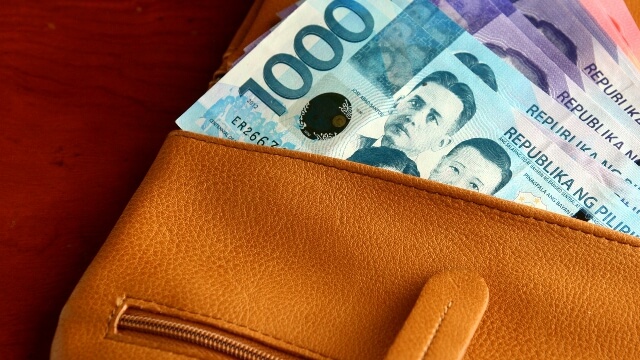
Those who own bills that fit these criteria may head to the nearest authorized bank for analysis, the central bank said:
- It has visible break, hole, or loss of any part of the banknote.
- It has adhesives like tape, stickers, glue, gum or staple wire, or any materia not originally on the banknote.
- Its front and back sides have split.
- It was burnt or damaged due to water or chemical.
It must also meet the following requirements for bank redemption, according to BSP.
For bills, all these are required:
- Must be legal tender
- With at least 60% remaining surface area
- With at least a portion of the signature of the President of the Philippines or of the BSP Governor
- With intact security thread
For coins:
- Must be legal tender
- Without any signs of perforation, filing, or clipping
- Either:
- bent or twisted out of shape
- defaced or considerably reduced in weight by natural abrasion/wear and tear
Once done with the analysis, the BSP said it would release its findings to the bank. If the mutilated banknote still has value, the central bank will deposit its replacement to the bank where the client can claim it. If it doesn't pass the minimum criteria, the bank will inform the client of the central bank's decision, the BSP said.
The do's and don'ts in handling polymer bills
Keep them flat
- Place your polymer banknotes in wallets where they fit properly. If banknotes become crumpled or creased, apply pressure, or flatten them with your hands
Keep them clean
- Soiled or dirty polymer banknotes may be wiped clean with a damp cloth. Their surface may also be cleaned with alcohol-based sanitizers—just wipe them dry using a towel or piece of cloth right away.
Do not hoard polymer banknotes
- Allow it to circulate by using it as payment for goods and services.
Do not deface, write on, or mark polymer banknotes
Do not excessively fold, crease, or crumple polymer banknotes as these could leave permanent fold marks
Do not tear, cut, or poke holes in polymer banknotes
Do not staple polymer banknotes or use rubber bands to keep them together. You may use paper bands instead.
Do not damage the clear windows, metallic features, and other security features of polymer banknotes
Do not iron polymer banknotes
Do not expose polymer banknotes to very high temperatures or place them near an open flame
Do not expose polymer banknotes to strong or corrosive chemicals, such as muriatic acid or bleach