

GUIDE: How to Spot a Fake P1,000 Bill
Explaining the Feel-Look-Tilt method.

(SPOT.ph) In 2022, the Bangko Sentral ng Pilipinas (BSP) introduced us to P1,000 polymer bills, a “smarter, cleaner, and stronger” version compared to previous banknotes.
Since the new bill came into circulation, several incidents of counterfeit money have also surfaced. Polymer bills are said to be more challenging to counterfeit due to the intricate printed images and enhanced security features, but we can’t be too sure. BSP has been recommending the public to use the “Feel-Look-Tilt” method to check the authenticity of banknotes when making or receiving payments, but what does that actually mean?
We’re here to simplify the process. After all, we often can’t spend more than a few seconds checking if a bill is legitimate or not when transacting in real time.
Also read: PSA: Don't Iron P1,000 Polymer Bills in Your Jeans Pocket or Else...
The BSP on how to spot a fake P1,000 bill
Here are the BSP’s ways to spot a fake P1,000 bill using the Feel-Look-Tilt method.
Feel
The polymer bill should be one continuous sheet when touched.
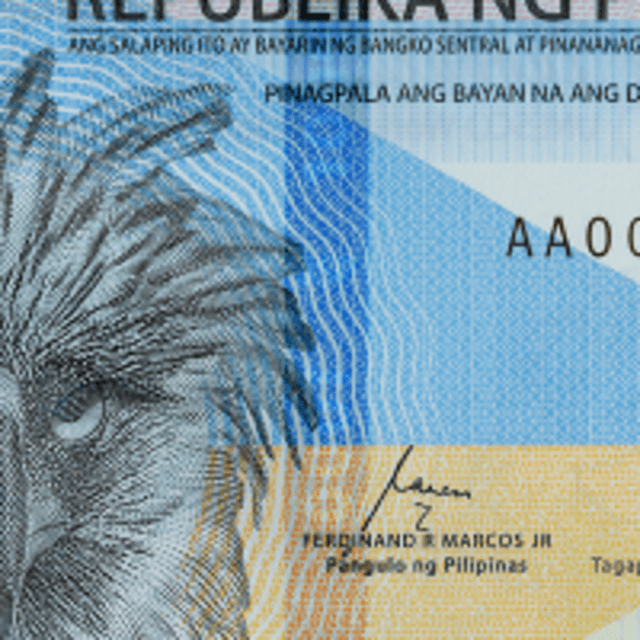
The ink of the bill should be rough to the touch, specifically for the following words: “REPUBLIKA NG PILIPINAS,” “SANLIBONG PISO,” and Ferdinand Marcos Jr. and Felipe Medalla’s signatures. The Philippine Eagle’s portrait should also be rough from the raised ink.

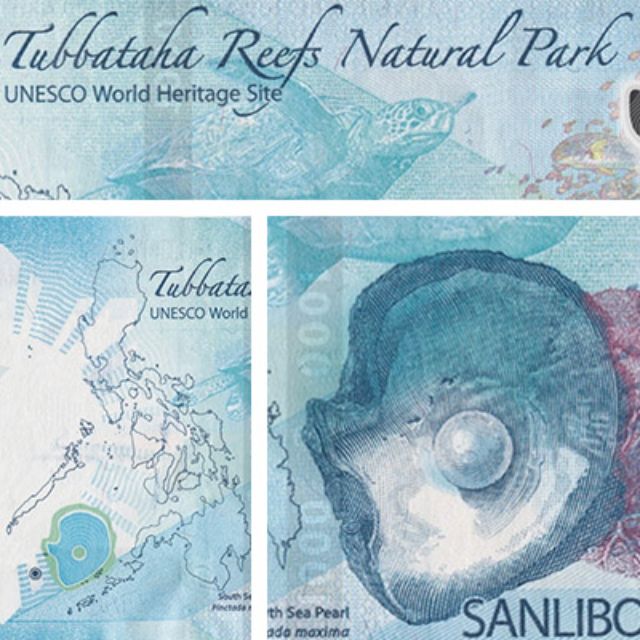
The same applies for the back of the bill for the images of the Philippine map and the South Sea Pearl and the words “Tubbataha Reefs Natural Park” and “SANLIBONG PISO.”
There should be five embossed dots above the Philippine Eagle’s head. It’s a way for the elderly and the visually impaired to recognize the P1,000 bill.

Look
The Sampaguita flower should be transparent, with an embossed line structure of a BSP text on it.

The serial number in the lower left and upper right corner should be composed of two letters and seven numbers that are increasing in size.

The large clear window at the right side of the bill when facing front should have multiple security features, such as the BSP logo and the Republic of the Philippines seal.

Tilt
The P1,000 figure should have a rolling bar effect when titled from left to right and vice versa.

There is a five-millimeter vertical band in the middle of the bill that should show up when viewed against the light. It's barely visible, but there should also be a P1,000 and BSP in repeated series within the vertical band.
The BSP logo and the Republic of the Philippines seal on the large clear window should change color and have a dynamic motion when tilted given its metallic features.

Also read: Why the Philippine Eagle Replaced Heroes in P1,000 Bill, Central Bank Explains