

Why the Meteorite Find in Quirino is a Big Leap for Filipino Space Scientists
Here's the story of the 7th meteorite from the Philippines.
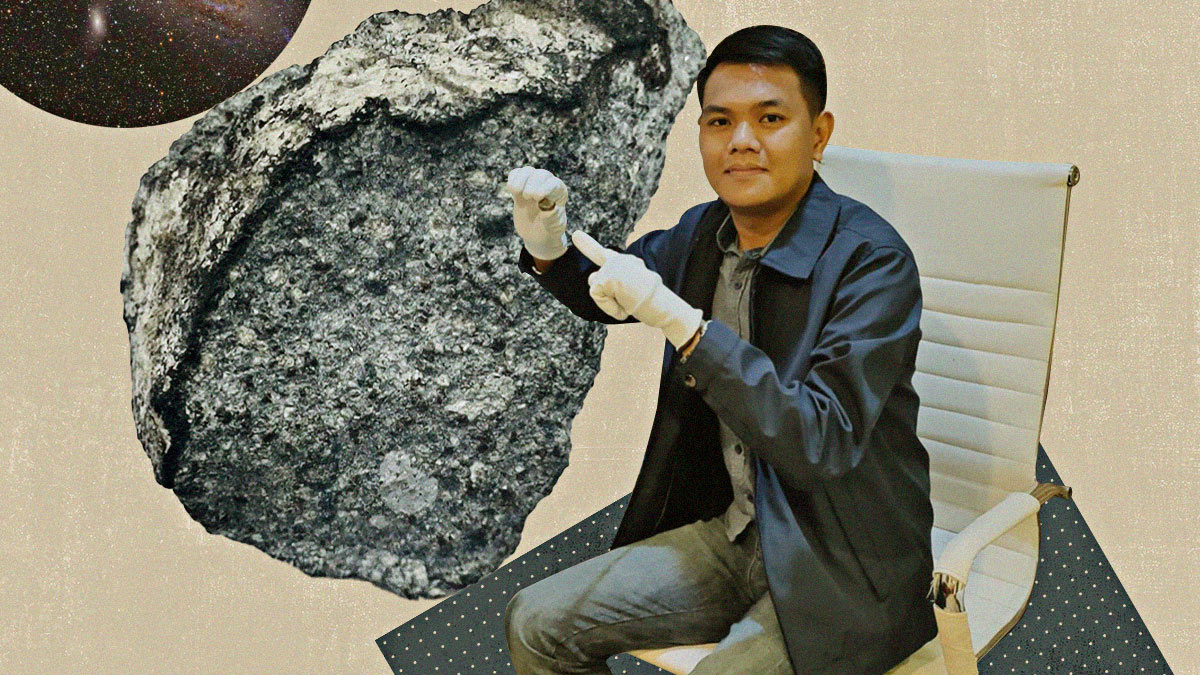
(SPOT.ph) A frisbee-sized meteorite crashed into a house in Quirino province one clear summer afternoon in May last year, putting the sleepy town of Nagtipunan on the map for Filipino scientists who want to make space history.
The stone, which weighed about 2.4 kilograms, broke into pieces upon hitting the surface, producing three sonic booms that were heard all over the neighborhood. It didn’t take long before news of the meteorite strike spread on social media and among meteorite collectors.
One of them was Mar Christian Cruz, a 25-year-old geologist based in Quezon province, who sought the help of his fellow collectors to obtain fragments of the meteorite. But instead of merely acquiring it for their own collection, Cruz and his friends had a different goal in mind --- to have the meteorite registered so that it can benefit the scientific community.
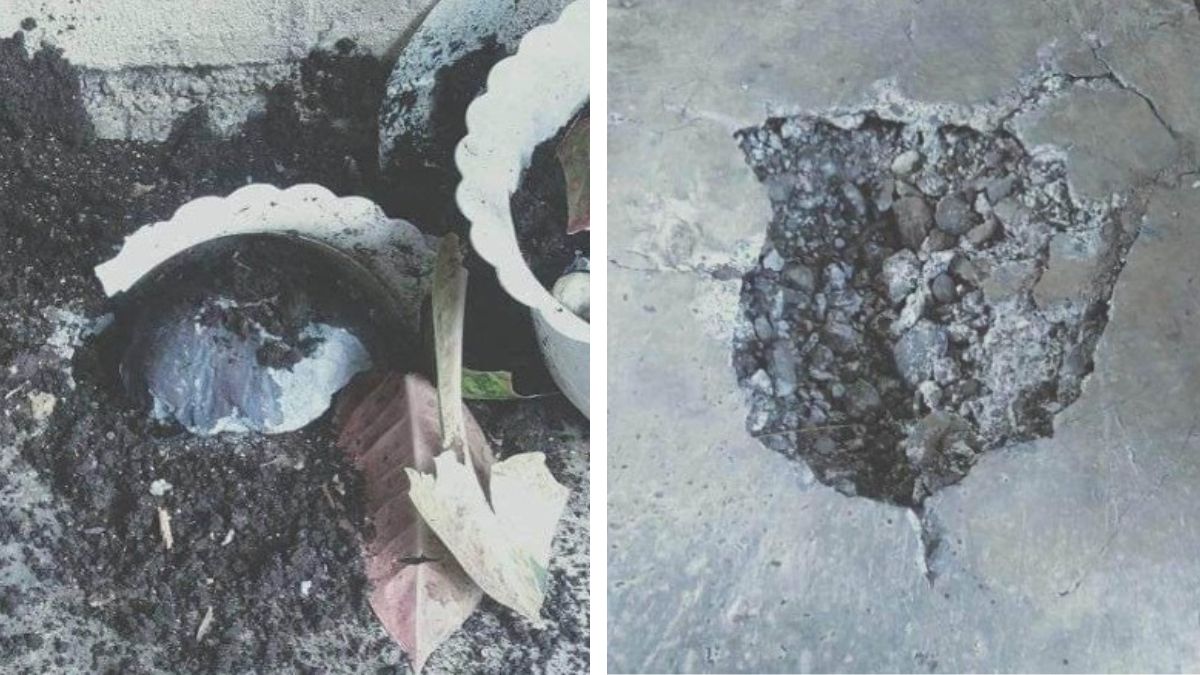
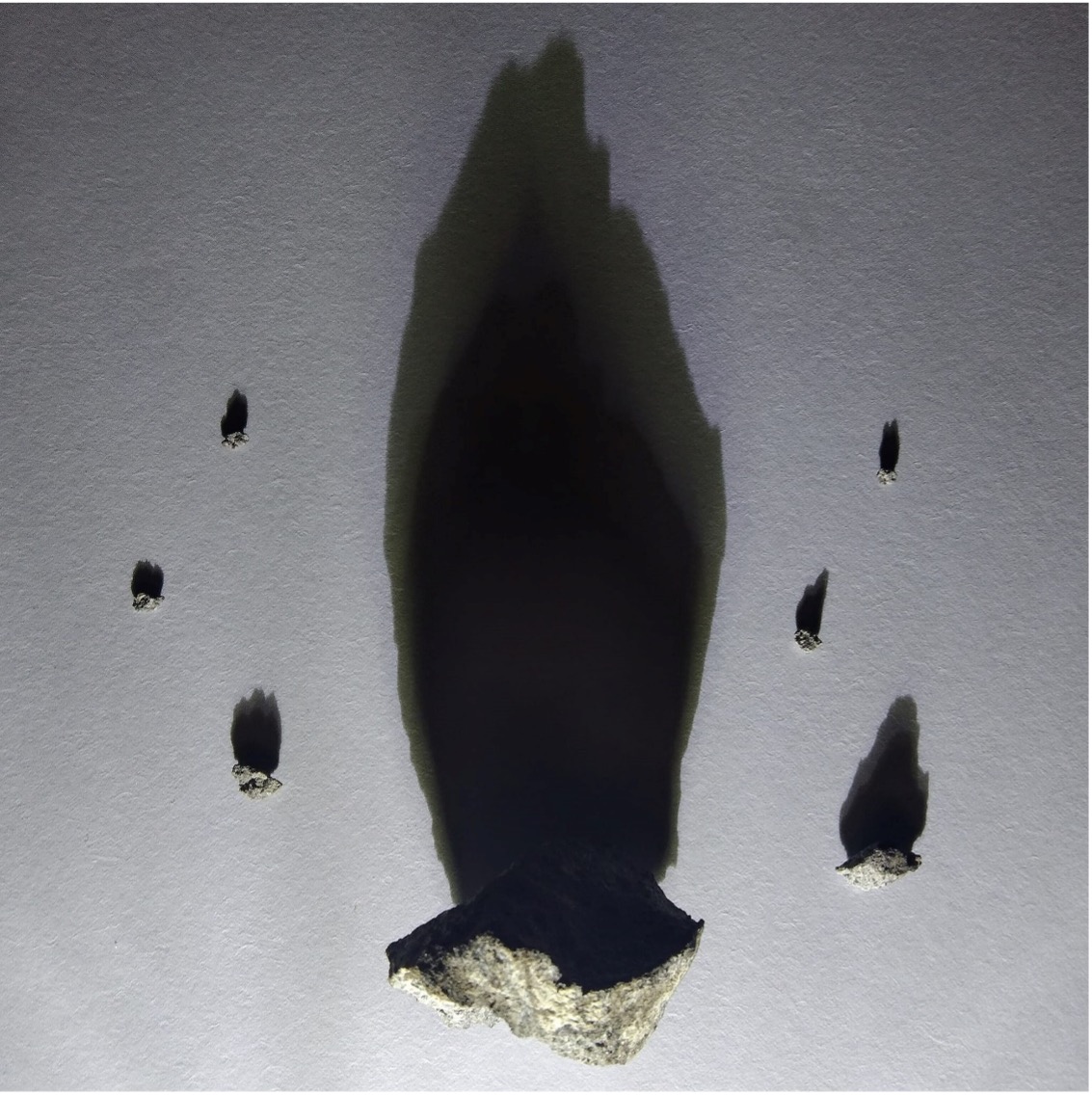
With sheer determination and passion for science, Cruz and his team were the first Filipinos to lead the registration of a Philippine meteorite, which has now been known as the Ponggo meteorite after the barangay where it struck, becoming the 7th meteorite from the country to be recognized by the Meteoritical Society, an international society for meteoritics.
“Hindi man namin nabili yung main mass [kasi] limited kami sa pera, pero naipa-register namin yung meteorite. For us, historic na yun,” Cruz told SPOT.ph in an interview.
“Pero this is beyond our names being recorded in that international publication, it's more than that. This is a great leap for Philippine meteoritics," he added.
Also read:
10 Free Mobile Apps to Make Stargazing More Fun
10 Places for Stargazing Near and Around Manila
10 Campsites In and Around Antipolo for Stargazing
A childhood dream

The journey to recognize the Ponggo meteorite goes way before May 2022, when Cruz developed a love for geology and astronomy as a young boy in Mariveles, Bataan almost two decades ago.
Back in his grade school days, Cruz’s classmate showed him a piece of rock, claiming that it came from a meteorite. This piqued his curiosity, and he began to ask questions about the world around him: How do mountains become volcanoes? Where do meteorites come from?
It was during his search for a potential college degree that he came to know about Adamson University’s geology program, which he eventually took up. Since then, he has built his own collection of artifacts which, for him, have more value than their what physical attributes show, such as rocks, minerals, fossils, and meteorites.
“Sa rocks, na-hook talaga ako kasi para siyang natural time machine. When you see it, when you touch it without knowing its story, parang boring lang siya. But when you become aware sa story nun, yung boring rock na yun takes you back in time, not only hundreds but thousands of years,” Cruz said.
So when he heard about the meteorite that fell on a house in Quirino, Cruz wasted no time. He called up his friend to help him reach the people who got fragments of the rock, and he was able to acquire four pieces weighing a total of 17.71 grams.
But knowing just how valuable the fragments are, Cruz and his fellow collectors Ramon Santiago, David Joshua Magno and Allen Yu decided to have the meteorite registered in the name of science.
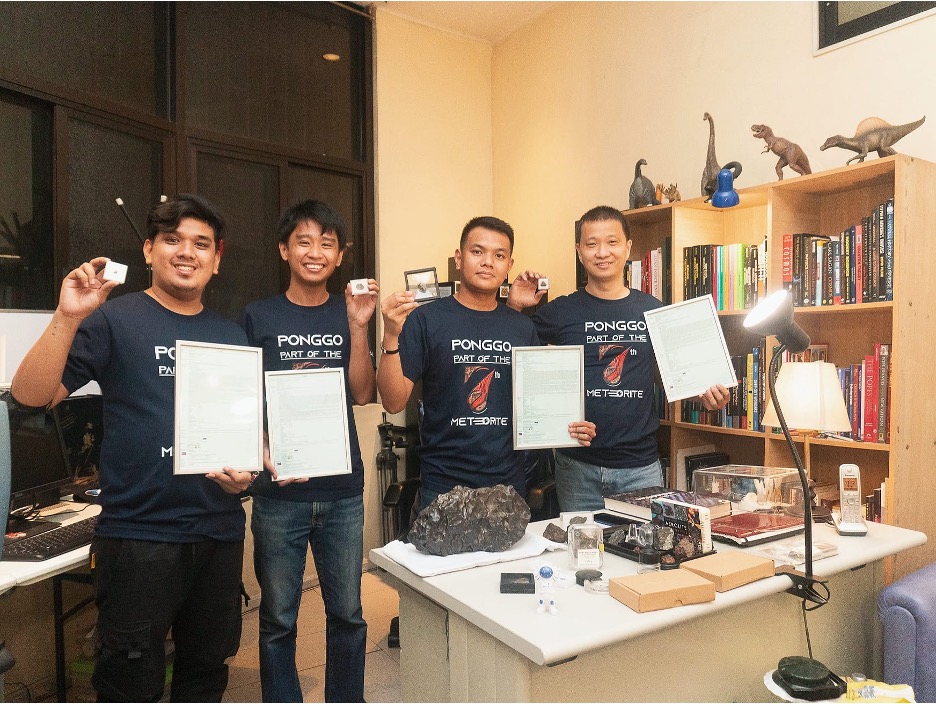
“We want to do it right kasi sa mga possible next meteorite falls, mas magandang may mag-set na ng example,” he said.
The registration process itself, however, was no easy feat. With limited resources, Cruz and his team had to do the bulk of the work to get the necessary permits and have the fragments transported to a laboratory abroad for testing.
“Yung journey namin dito sa Ponggo meteorite ay parang David and Goliath dahil ang daming challenges, ang daming limitations… pero dumaan kami sa tamang proseso,” he said.
On November 10, 2022, around a month after the laboratory submitted its findings to the Meteoritical Society, Cruz and his friends learned that the Ponggo meteorite had been approved for publication in the Meteoritical Society Bulletin Database.
“Nung nalaman ko yung email, tapos tinawagan ko na yung ibang teammates ko, 2:15 a.m. pa yun, yung emotions ko more than my emotions nung nakapasa ako ng board exam,” he said. “Kapag pala dumaan ka sa tamang process, wala kang binypass, talagang magfe-favor sayo yung stars.”
For Cruz, the recognition of the Ponggo meteorite could help change the perception of scientists on Philippine meteorite enthusiasts, as the country is "infamous" for fake meteorites.
"Gusto naming i-change yung view ng scientific communities sa Philippine meteoritics. Na-change naman namin dahil feel namin very effective yung nangyari dahil napapansin namin sa Facebook groups, ginagamit yung story namin ng mga taong nagco-correct doon sa ibang tao na nagpo-post ng fake meteorites," he said.
"Ginagawa nila kaming reference, hindi lang yung sarili namin but yung journey namin which is for us ay achievement na," he added.
A call to action
While the registration of the Ponggo meteorite is a source of national pride, it also sheds light on the challenges that Filipino meteoritics like Cruz face to obtain and even protect these extraterrestrial artifacts.
According to Cruz, there is a need to change the guidelines on how the state should keep and maintain meteorites like Ponggo. While the National Commission for Culture and the Arts said meteorites are classified as cultural properties under Republic Act 10066, it is not clearly defined in the law, he added.
“Kapag cultural property napakahirap ilabas sa bansa, napakahirap din i-trade. Kung doon pa lang ay nalilimitahan na yung mga Filipino collectors, paano na kung maraming supply?” Cruz said.
Among the guidelines that need to be ironed out are those involving the acquisition, trade, importation, and exportation of similar artifacts such as tektites which are products of meteorite impacts, Cruz also said.
“Kung gusto talaga ng government na lumago yung ganitong klaseng hobby na hindi naman talaga siya makakaapekto sa natural treasure or important cultural property, kailangan mabago yung guidelines,” he added.
For now, Cruz said he and his team are focused on sharing their collection through outreach activities and campus tours to educate Filipinos on the significance of meteorites and their contributions to the fields of geology and astronomy.
“Gusto namin i-challenge yung view and mindset ng Filipinos that meteorites are more than their monetary value, that these rare space rocks can change our perspective in the cosmos that we live in,” he said.
And to young Filipinos who have also grown to love the things they see in the night sky, stay curious, Cruz advised, as “curiosity leads to discovery.”
“Kahit hindi mo naman talaga malalaman lahat ng sagot sa tanong mo sa universe, when you start being curious and start asking about the simplest things, doon mati-trigger yung passion mo and doon mo malalaman kung saan ka ba passionate,” he said.
“When you discover your passion, cultivate it and find the right people around you na like-minded para mag-prosper yung passion ninyo. Establish connections and share your passion sa iba, not to intimidate but to educate,” he added.