

The Philippines Is About to Get Even Hotter in 2024: PAGASA
PAGASA gives a warning.

(SPOT.ph) Think it’s hot now? It’s about to get even warmer from here on out. Around 77% of the Philippines is likely to experience a dry spell by May 2024, setting what could be the one of the hottest years in Philippine history, according to the Philippine Atmospheric, Geophysical and Astronomical Services Administration (PAGASA).
PAGASA Chief Analiza Solis said in an interview with TeleRadyo Serbisyo attributes this to a strong El Niño phenomenon, with the first and second quarter of 2024 to experience significantly less rainfall.
“Kung titignan natin ang historical records natin, most of the warmest years ay ‘yung tinatawag na El Niño years. It just so happens na strong El Niño tayo so it could be one of the warmest years on record na posibleng mapunta sa top 10 natin,” Solis said.
El Niño occurs every two to seven years and can last up to 12 months, according to PAGASA. It can be recalled that PAGASA warned us about El Niño as early as March, but it was still considered “weak” or “moderate” by mid-2023.
The “strong” impact of El Niño will be felt until May 2024.
Also read: How to Avoid Heatstroke Now That Dry Season Is Here
Understanding El Niño in 2024
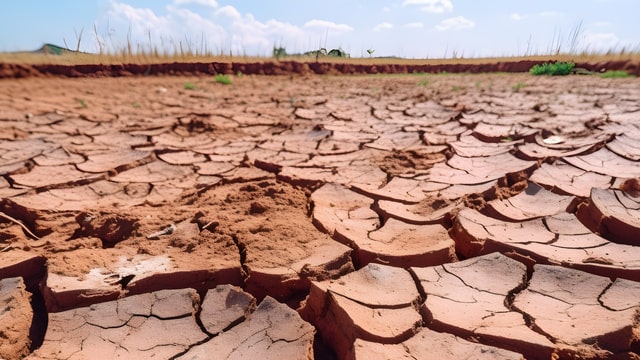
The onset of El Niño will bring more than just heat exhaustion. Extreme temperature rises with little rainfall can result in a surge in diseases related to water scarcity or shortage like diarrhea as well as paralytic shellfish poisoning, according to a health advisory by the Department of Health.
“No two El Niños are alike,” Solis said, emphasizing that past El Niños can’t be used as a barometer for what to expect in the future. “For now, ang nakikita natin ay around moderate to severely dry conditions.”
El Niño isn’t something that we can control, Solis said, given that the phenomenon is dictated by nature. However, there are key interventions the government has taken to prepare for the drought season, including putting up more water-related infrastructure, improving water management, and implementing cloud seeding operations.
Also read: Clouds With a Dash of Salt: How Science Makes It Rain During Dry Season