
Are Digital IDs Just as Valid as Physical IDs?
Sure, just make sure not to do this one thing.
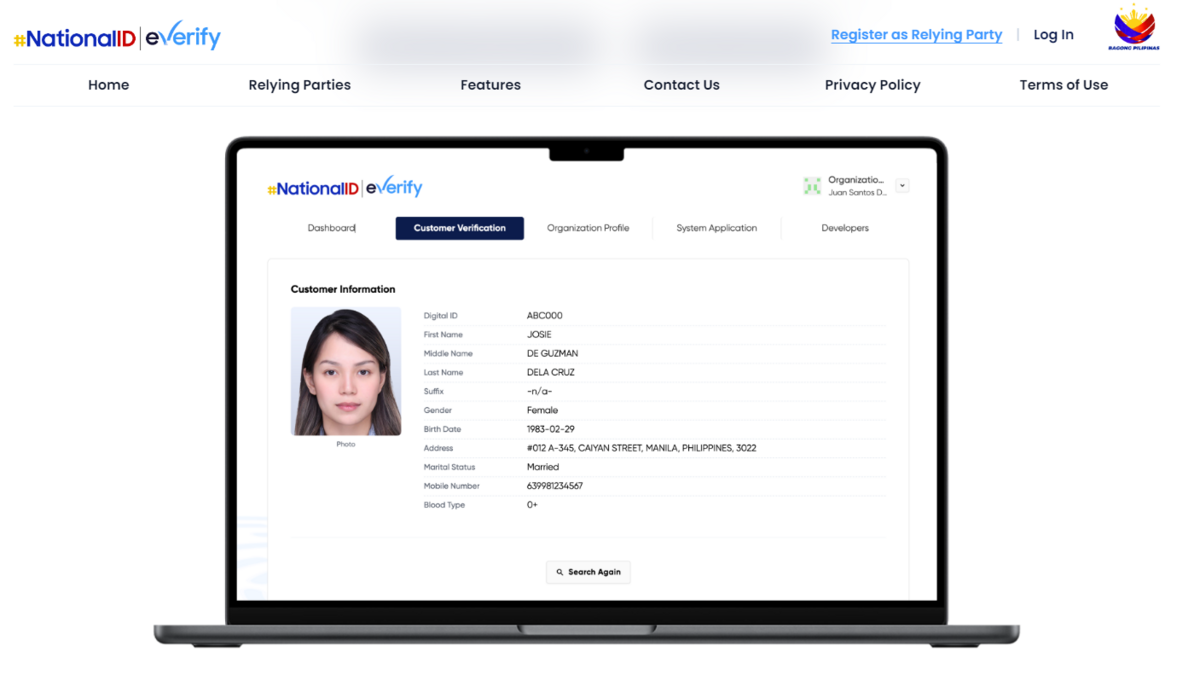
(SPOT.ph) The wait for a physical National ID might be longer than expected. Not to worry, though, as two government agencies are reminding the public that digital IDs are just as valid as physical IDs—with a caveat.
Specifically, the digital versions of both the National ID and the Taxpayer Identification Number (TIN) are fully recognized for official transactions.
Digital National ID
ICYMI: A digital version of the National ID has been made available on the official website or the eGOV mobile application since June 2024. This version is as good as the real deal, with the Philippine Statistics Authority (PSA) reiterating that it can be presented as valid proof of identity in transactions.
The PSA has been pushing for the use of this version, especially since there’s a significant delay in the delivery of physical National IDs. Only 50 million of the 87 million registered individuals have received their physical IDs, leaving 37 million still waiting.
In addition, the PSA is also reminding the public to report establishments that refuse to accept the digital version for transactions.
Also read: Still No National ID? You Can Now Access the Digital Version in Three Steps
Digital TIN ID
The same goes for the Digital TIN ID. It's fully recognized by the Bureau of Internal Revenue (BIR) for various transactions, including opening bank accounts, applying for jobs, and paying taxes. Those who already possess a Digital TIN ID will no longer need to secure a physical TIN card as per the Revenue Memorandum Circular (RMC) No. 120-2023.
To make things even easier, the authentication of the Digital TIN ID can be easily done online through the BIR’s ORUS platform by scanning the Quick Response (QR) Code with a mobile device camera.
Also read: GUIDE: How to Apply for a Digital TIN ID
No PVC printing
Here's the catch: It is prohibited to have these IDs printed on plastic cards or polyvinyl chloride (PVC), as only the PSA is authorized to print and issue the National ID.
Offenders could face up to six years in prison and fines up to P3 million as outlined in the Philippine Identification System Act (RA 11055).
“Correspondingly, Digital National IDs printed in PVC cards should not be accepted as proof of identity and age in any public and private transactions,” the PSA said in an advisory.
“The PSA released three versions of the National ID, the National ID Card that is printed in a plastic card delivered by PhlPost, the National ID on paper which is printed and issued in PhilSys Registration Centers upon request of the registrant, and the Digital National ID an electronic ID that can be accessed thru the internet and stored in electronic devices. These IDs has different characteristics but has the same functionality and validity.”
Basically, those who prefer a printed version on paper will have to book an appointment at any PhilSys Registration Centers to claim a digital-to-print version of the National ID.