
VAT on Digital Services: Should You Be Worried About Price Hikes?
This new law covers all services provided on the Internet.
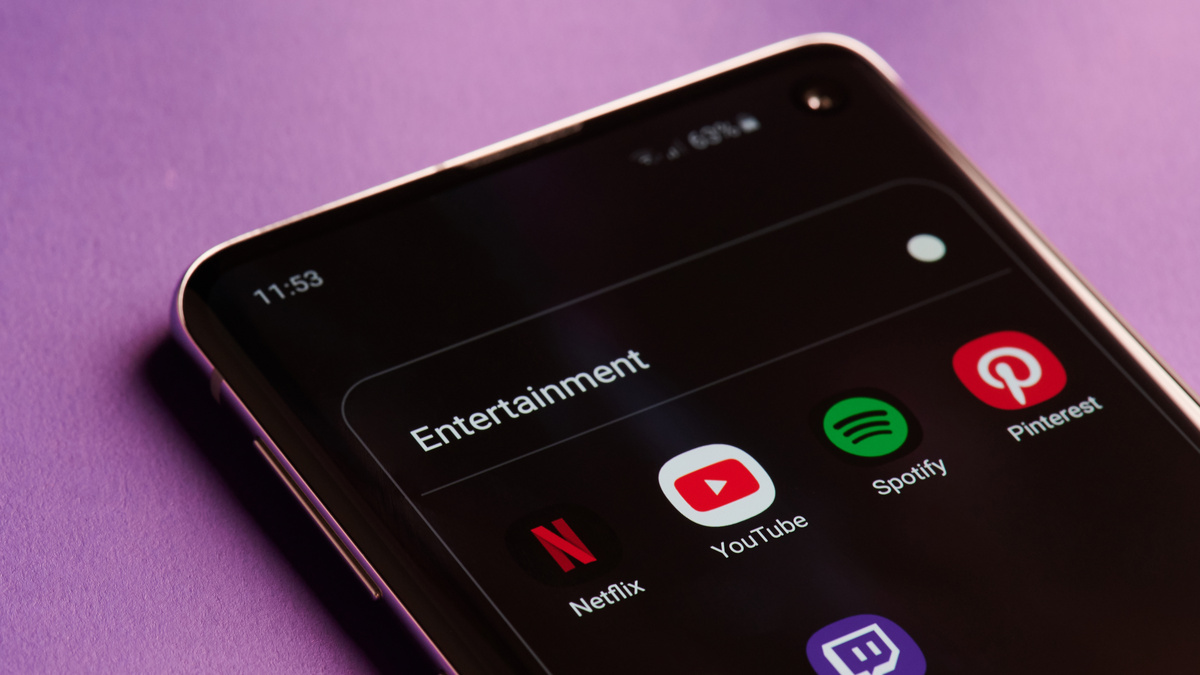
(SPOT.ph) Your monthly subscriptions to Netflix, Spotify, and other digital platforms could become pricier soon. Today, President Ferdinand “Bongbong” Marcos Jr. signed into law Republic Act 12023 which imposes a 12% value-added tax (VAT) on foreign digital service providers (DSPs) following years of deliberation in Congress.
This doesn't just affect streaming platforms, either. Any service supplied over the Internet, like online shopping (Shopee, Lazada, Shein), social media (X, YouTube) and even cloud storage services (Google Drive, OneDrive), will now be taxed the same amount as local companies. Before this, only local businesses were paying these taxes, so this move was aimed at leveling the playing field.
“If you are reaping the rewards of a fruitful digital economy here, it is only right that you contribute also to its growth. Whether you are a small tech startup or a global tech giant based halfway around the world, if you are making money here in the Philippines, you're a part of our community, and with that comes a shared responsibility,” Marcos said during the ceremonial signing on October 2.
The Bureau of Internal Revenue (BIR) is set to implement the law over the next 120 days, giving foreign DSPs time to comply with the new tax rules. Non-compliance could result in temporary suspensions.
Also read: Beyond Netflix, Lazada: Here's What Else the 12% VAT Would Cover
What VAT on digital services mean for you
Now to the burning question on everyone's minds: Will this result in a price hike?
Although the law doesn’t directly impose a new tax on consumers, the 12% VAT that these companies are now required to pay will likely be passed on to you. At least, that's what happened to Singapore and Indonesia when they passed similar legislation.
At the same time, BIR Commissioner Romeo Lumagui clarified in a press briefing that whether or not prices rise is ultimately up to the companies.
"It's a business decision by the service providers. Nagbabayad naman dapat sila from the very beginning, so they should have incorporated 'yung VAT into their pricing sa simula pa lang. Puwede naman magkaroon ng price increase but I think it would be minimal. Hindi naman 12% automatic mag-iincrease sila," Lumagui said.

Finance Secretary Ralph Recto echoed the same sentiments that this implementation is “not a new tax mechanism” but rather one that should have been in place since the beginning.
“We are just merely correcting the current system that creates an unfair advantage to foreign digital service providers and weakens the country’s tax base, forgoing much-needed revenues that could have been used to fund crucial public services, infrastructure, and other socio-economic programs,” Recto said in a statement. “By doing this, we foster fairness, competition, and inclusion in our tax system and marketplace. Whether you are a local entrepreneur or a global giant, everyone will play by the same rules.”
In addition, the government foresees this law will bring in approximately P102 billion over the next five years. That money, according to the President, will be used for building classrooms, health centers, and other public infrastructure. Plus, 5% of the revenues will go to supporting the local creative industry—think Filipino filmmakers, musicians, and other creatives getting more funding.
Not all digital services will be affected, however. Educational services such as online courses, webinars, and other materials used by recognized academic institutions are exempt from the VAT. This ensures that the growing sector of digital education remains affordable and accessible to the public.
Also read: A Taxing Lead: The Philippines Has the Highest VAT Rate in Southeast Asia
this strange new world.