

Is It Ethical for Students to Use ChatGPT? We Ask a University Professor
She also shares how users can make the most out of ChatGPT.
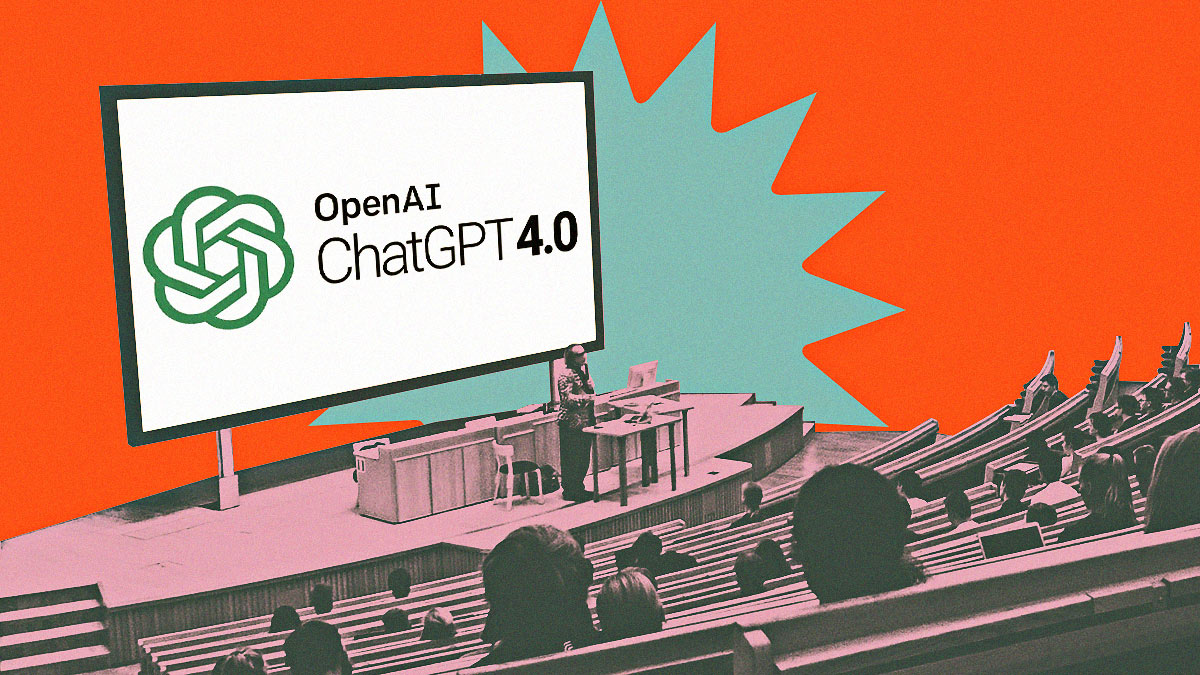
(SPOT.ph) Few fields are more concerned about AI use than the educational sector, for obvious reasons. A recent U.S. survey by Study.com revealed that 89% of students have used ChatGPT to help with homework. What’s interesting is that 72% of those same students agree that the AI tool should be banned from university.
As more schools begin to crack down on ChatGPT across its networks, one writing expert in higher education wants us to change the way we think about AI’s role in student learning—and it starts with how it is currently being used. SPOT.ph spoke to Florianne Jimenez, Assistant Professor of English and Co-Director of the Writing Center at the University of Massachusetts Boston to find out how students can ethically make the most out of AI tools like ChatGPT, if they can at all.
“The point of the writing classroom is not the texts we produce, it's the experiential learning around the process of writing that matters the most,” Jimenez said.
The same way we have come to embrace spell check and other editing tools like Grammarly, so too, should we view ChatGPT as a supplementary resource that can help us become better writers.
Also read: EXPLAINER: What Is ChatGPT, Minus the Technical Jargon?
Is using ChatGPT a form of academic dishonesty?
Much of the criticism over AI use in education stems from the notion that it is “cheating.” What is happening now is this: students who use ChatGPT keep it secret from teachers, and students who don’t are too scared to build AI literacy skills.
Educators are turning to plagiarism checkers like Turnitin for help, which has recently launched AI detection features to see if submissions have AI-generated text in them. Turnitis, as students would know, is often built-in for most learning management systems for online schooling. Meanwhile, more neutral ones have been trying to figure out how students can benefit from AI while maintaining academic integrity.
For Jimenez, there's no need for strict policing. The answer is simple: just have students be upfront about it.
“If a student is using ChatGPT or AI, but not disclosing that, or pretending they haven't used it, that's a form of dishonesty. On the other hand, if a student, author, or artist is using ChatGPT in creative and innovative ways as part of their artistic or intellectual process, and is open about it, that's fair game. I even encourage that,” Jimenez said.
That said, there are wiser ways for students to make use of ChatGPT. Jimenez’s biggest tip? “Think small, not big” using prompt engineering.
How does prompt engineering work?
Prompts are writing commands given to AI. To “engineer” them is to optimize that communication as effectively and efficiently as possible to obtain the desired outcome. Basically, a high-quality input will result in high-quality output.
The role of critical thinking cannot be overstated in AI use. You can think of AI as a calculator—it can only help you solve mathematics if the appropriate equations are fed into it. At the same time, there’s no one way to do prompt engineering. It’s experimentation after experimentation until you find what works best for the task at hand. Even Jimenez is still in the process of refining her prompt engineering skills.
Here’s an example of a bad prompt, one that Jimenez would call “abysmally boring”: “Write an essay on global warming.” Not only is this too generic, but it also fails to provide the AI with enough instructions to come up with content that can actually relevant for the user.
Instead, trim the fat by supplying more meat in the input. Here’s a better version of that with prompt engineering in mind: “Explain in five paragraphs how human activity has contributed to the increase in global temperatures in the Philippines, citing the top climate change experts of 2021.”
Also read: The SPOT.ph Guide to Using ChatGPT for Free
Here are some easy ways to get started on prompt engineering.
Provide specific instructions
Make sure your prompt includes clear instructions on the task at hand. Be specific about the style, format, and length. Don’t just say “a short poem,” say “a three-stanza poem with five verses each.” This will help to ensure that the AI is aligned with your expectations. Don’t leave any room for ambiguity.
Define a role or identity
Assigning a role to ChatGPT will guide the AI's thought process with the proper voice execution. This is especially important when using AI for specific tasks, such as writing professional emails or generating copies for a creative project. Jimenez’s example: Write a memo from an experienced CEO.
Direct with examples
Providing examples of what you're looking for can help the AI to understand what you want it to do. If you're asking for a structured persuasive essay, it will help to feed ChatGPT with sample texts of the very essays you have in mind to have a better control over its output.
Train with feedback
In many cases, you won’t be satisfied with the response ChatGPT provides. You'll need to experiment with different prompts and see how the AI responds in order to refine your prompts over time. As with any AI model, ChatGPT will function better with the more feedback it receives.
When should students use ChatGPT?
Jimenez said ChatGPT is most helpful for “small local tasks that can take a lot of time.” In student terms, she said this often means coming up with a smart title, revising a sentence to be more concise, or creating an outline of a draft.
Here’s the thing about AI: it will have the Internet’s knowledge at the palm of its digital hands, but it’s a lot less smart than it likes to lead on. This is something that many Filipino students who use ChatGPT have reported: the AI chatbot provides “fake links to academic journals” and “makes up citations that don’t exist.” That is why it becomes even more crucial for students to practice fact-checking with AI in the picture.
“ChatGPT is good at producing texts that sound good, but ChatGPT cannot verify accuracy,” Jimenez said. “If you're writing research papers, the accuracy of your knowledge and where you got them/who you got them from is incredibly important! Scholars and students need to take the time to fact-check whatever AI produces.”
In other words, ChatGPT is great for brainstorming and cleaning up text, but not so much for writing a complete essay with little to no planned human intervention.
Also read: