
How Does Elon Musk’s Starlink Compare to Local Internet Providers?
Ookla puts the hype to the test.
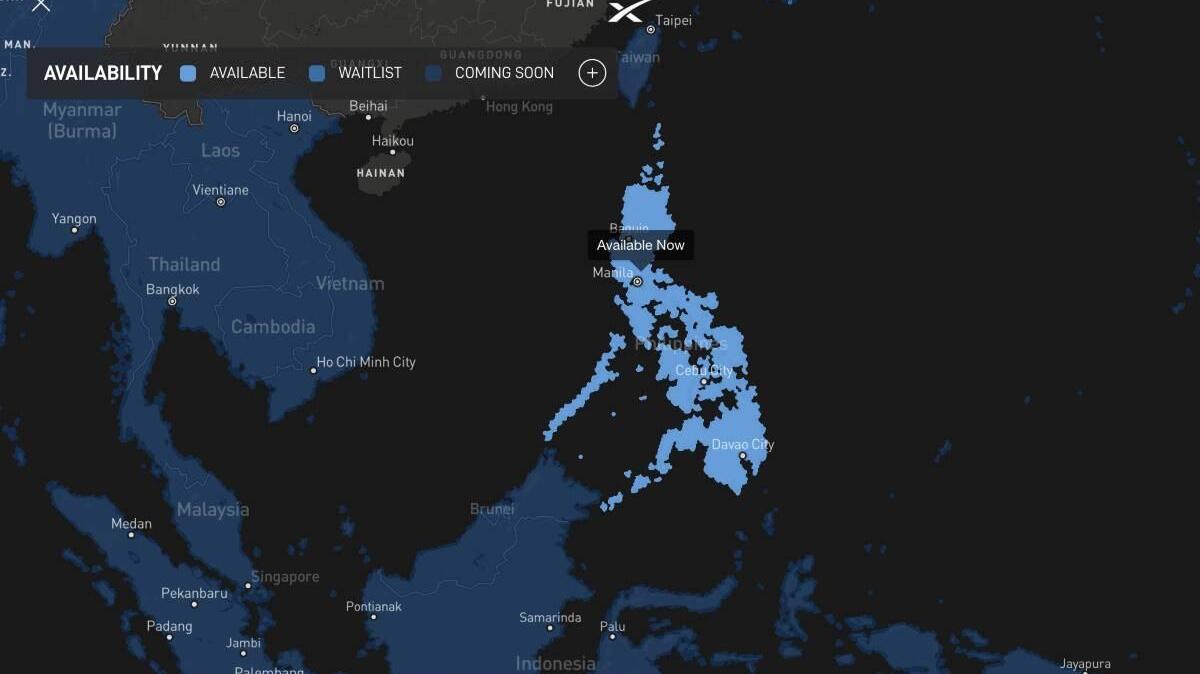
(SPOT.ph) Elon Musk's Starlink went live in the Philippines last February with a promise to deliver high Internet speed to even the most far-flung of cities. It was about time someone put it to the test in the three months it’s been operational here.
In 2022, SpaceX Senior Executive Rebecca Hunter said in a press conference with the Department of Information and Communications Technology that Filipinos could expect a download speed of 100 to 200 Mbps, an upload speed of 30 to 40 Mbps, and a latency of 20 ms from Starlink. Does it live up to such promise?
Connectivity insights platform Ookla found that Starlink in the Philippines is “faster than all other broadband providers combined” in Q1 2023—but this is only applicable for download speed. Everything else? Not so much.
Also read: Starlink Is in the Philippines; Here's What We Know So Far About Elon Musk's Internet Service
A closer look into Starlink Philippines
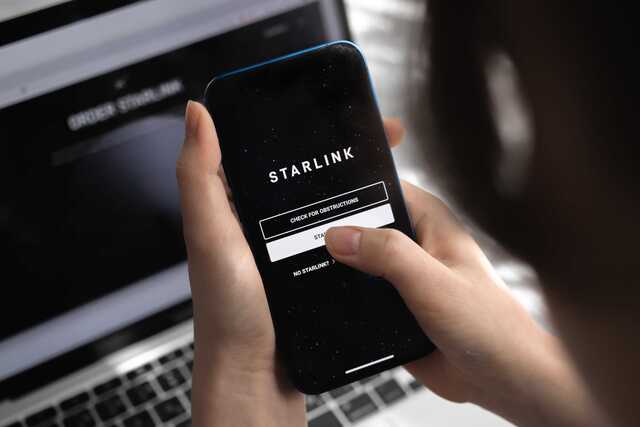
The Philippines is the first country in Southeast Asia to welcome Starlink’s technology. It was first rolled out in Metro Manila, but has since expanded its reach to the rest of the country. It's also likely to become a global mobile phone service by 2024 if Starlink comes through.
For now, this new low-earth orbit satellite technology is battling it out with local players Globe Telecom, PLDT, Converge ICT Solutions, and SkyCable.
Speed
Based on the Ookla report, download speed is where Starlink wins by a mile with 110.78 Mbps. On the other hand, fixed broadband providers lagged at 89.57 Mbps.
Local broadband easily beat Starlink when it comes to upload speed, however. Starlink’s 13.69 Mbps pales in comparison with its competitors’ 88.14 Mbps.
For reference, a good download speed is at least 100 Mbps, while a good upload speed is at least 10 Mbps, according to HighSpeedInternet.
Latency
Latency is the time it takes for data to be transferred from one place to another. The lower the number is, the smoother the browsing and streaming experience.
Starlink has a much higher latency at 162 ms than fixed broadband providers at 22 ms, which is closer to Starlink’s promise of 20 ms.
Also read: Why Exactly Is the Internet So Slow in the Philippines?
Want to try Starlink out? Good news: interested customers can sign up for a one-month trial. To fully join the Starlink community, you'll need to pay a one-time hardware fee of P29,320 for a user terminal and a subscription rate of P2,700 per month.