

How Do You Use AI Responsibly? UP Releases 10 Guiding Principles to Remember
UP is among the first Philippine schools to face the reality of AI.
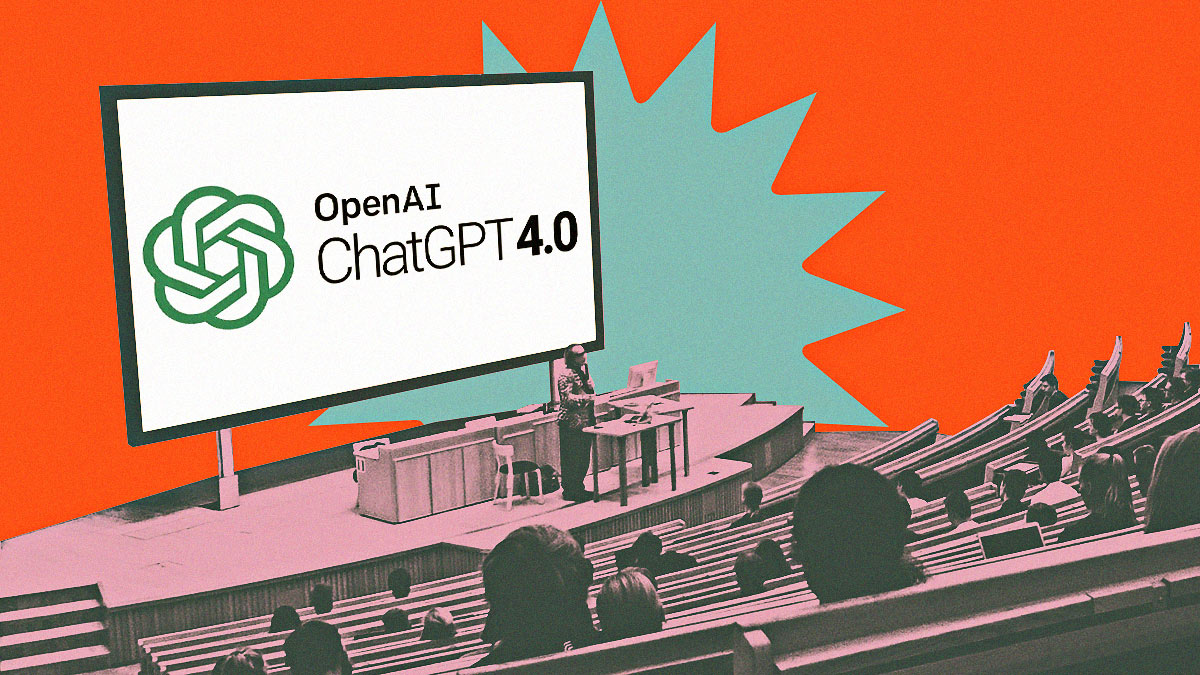
(SPOT.ph) How do you integrate ChatGPT in education despite fears of plagiarism? In its bid to create a policy on artificial intelligence (AI), the University of the Philippines System released a list of principles on how to use it responsibly in an academic setting.
UP underscored AI's "potential to transform education" even with increasing risks and concerns surrounding it.
“In education, AI challenges range from systemic bias, inequality for marginalized groups of students, privacy and bias in data collection and processing. Already, many are worried that ChatGPT opens the door to cheating and plagiarism,” UP wrote in a blog post. “It is therefore imperative for the national university to promote the positive use and mitigate the negatives of AI.”
In January, several UP students were placed under investigation for submitting an AI-generated paper that the professor caught using two AI detector tools.
"The faculty of UPD AI program condemns the outputs of these systems to misrepresent as valid scholarly works... However, the use of AI tools to enhance and facilitate the students' learning should be encouraged," UP Diliman's Artificial Intelligence Program said in a statement.
ChatGPT is taking classrooms by storm, no matter how much teachers and professors would want to believe otherwise. This technological help is no longer confined to essays either, as more and more AI-made presentations are now emerging in the wake of the AI revolution.
University of the Philippines principles on responsible AI use in the classroom
The UP System, which is comprised of eight constituent universities and one autonomous college including Diliman, Los Baños, and Manila, released a list of principles for the responsible use of AI.
It called on other members of the university to read the draft and submit suggestions, which they can send to aicomments@up.edu.ph.
- Public good - The use of AI should benefit the Filipino people as a whole.
- Everyone should benefit from AI - AI developers are tasked to keep inclusion, diversity, and equality in mind through concrete objectives. The localization and reuse of open-source AI tools should be considered.
- Meaningful human control - Human autonomy and agency should remain at the forefront of AI use. By extension, humans are morally responsible for the consequent behavior of AI systems.
- Transparency - Individuals should be informed when AI tools are being used.
- Fairness - AI should be proactively assessed for bias and discrimination to prevent unintended consequences in the broader tech industry.
- Safety - AI systems must function in a secure matter, always on the lookout for potential risks that could arise.
- Environment-friendly - AI tools should not pose a risk to the environment.
- Collaboration - Cooperation, trust, and transparency should be a two-way street between AI developers and everyone else who uses them.
- Accountability - University faculty, researchers, staff, and students should be held accountable for whatever AI is being used for.
- Governance - Decision-making when it comes to AI should be intersectoral, interdisciplinary, and have multi-stakeholder expertise.
Also read: So, AI-Made Presentations Are Now a Thing