
EXPLAINER: Why Is Budots Going International on TikTok?
White people can't get enough of it.
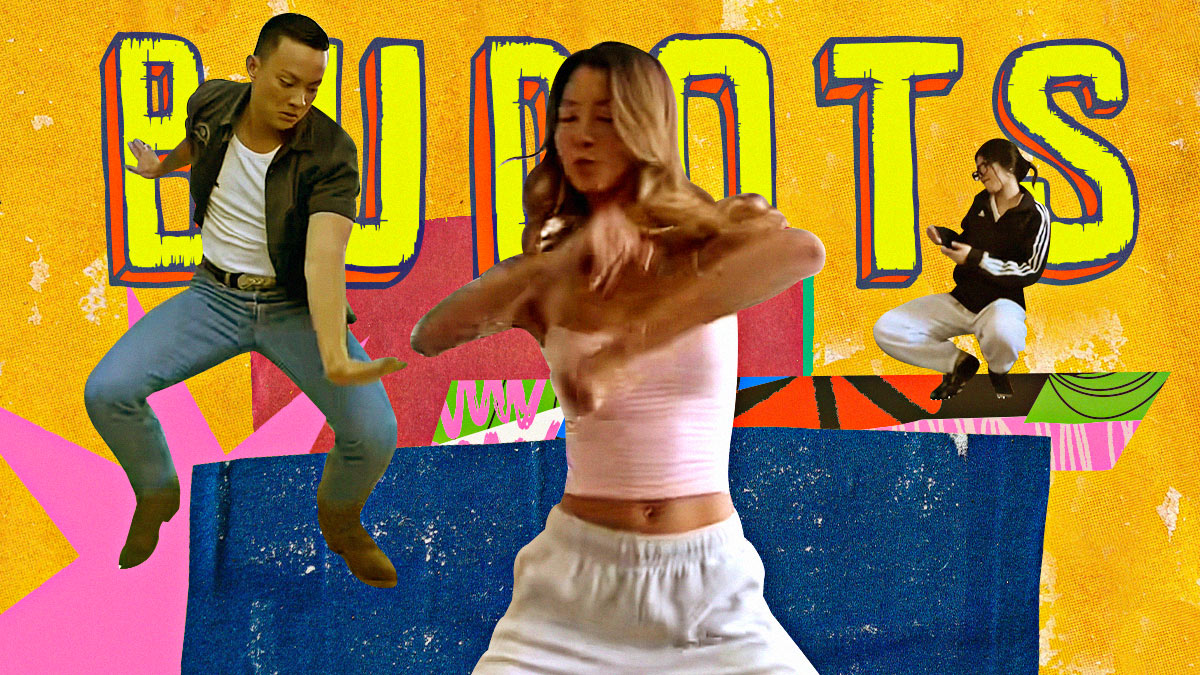
(SPOT.ph) Budots has officially gone global. In the past few weeks, TikTok has been teeming with people attempting their own, often misguided, versions of the budots dance, but what’s the story behind its virality in the first place?
The quick answer is this: Budots found a new audience with the help of disco remix enthusiast DJ Johnrey, who created the “Emergency Budots” track by sampling '80s hit “Dr. Beat” by Gloria Estefan in December 2023. His version gave the nostalgic track a fresh, energetic twist that appealed to young users on the platform. Many people say the music feels like it “scratches an itch in your brain.”
The first post came in March 2024 from TikTok user @amirehxz, a Filipino pilot dancing to “Emergency Budots.” The video exploded with over 22 million views, catapulting the song into a viral sensation on every continent. As of writing, the remix has been used in almost 500,000 videos on the platform. Even the team of U.S. Presidential Candidate Kamala Harris posted a fan cam to “Emergency Budots.”
@kamalahq♬ original sound - kasane teto
“I didn’t expect my remix to go viral. It’s just my passion to make remix songs,” DJ Johnrey from Masbate told NBC News. “Budots is so special for me because when you hear budots, you can dance.”
By July, "Emergency Budots" had faded into the background as transition music for Get Ready with Me (GRWM) and outfit videos on TikTok. Content creators, including Filipino-American singer Olivia Rodrigo, now use the song to showcase several outfits while swaying or skipping to the beat.
@livbedumb ♬ 911 Emergency - Carl
It’s always tricky when a regional subculture is up for mainstream consumption. This new version with such minimal movement has become so detached from its origins that there is now a growing sentiment among Filipinos to reclaim budots in song and dance.
@nurse.johnn You gotta go lower and when I say lower I mean lower than your haters. #nursejohnn #filipino #budots #pinoy ♬ 911 Emergency - Carl
The humble beginnings of budots
Now for the long answer.
Anyone who has ever ridden a jeepney or been to a barangay fiesta will have heard the infectious, bass-thumping beat of budots accompanied by the most random noises: children laughing, horns blaring, chickens clucking. It is the quintessential sound of being Filipino.
Budots is a “Pinoy-fied electronic music” that originated from poorer communities in Davao City in the early 2000s. Internet café manager Sherwin Tuna or DJ Love is credited with turning the genre into a legitimate art form of expression with the intention to “keep residents off illegal substances and away from gang violence.” Why? The word budots is a Bisaya slang for “slacker”—or “tambay” in more familiar Filipino terms. A decade later, Tuna is still the same DJ Love on a mission to spread the gospel of budots in various nightclubs.
Tuna told SPOT.ph that sampling “Dr. Beat” by Gloria Estefan is actually not a new concept in budots, having already toyed with the sound even before TikTok was a thing.
“'Yung emergency na 'yan is matagal na... Isa 'yan sa sinasayaw namin noong unang panahon pa ng budots. Dito 'yan sa Davao sumikat bago nagviral sa TikTok,” Tuna explained. “Kaya lang medyo mahina original beat niyan [nasa] 125bpm or 130bpm kaya ginawa ko 140bpm. May video pa ako noong pandemic na piniplay ko 'yan.”
The first time budots entered public consciousness was when Pinoy Big Brother grand winner Ruben Gonzaga performed the dance on national television in 2008. He said he learned the dance moves from “budots communities” in Davao. Four years later, budots was featured on Kapuso Mo, Jessica Soho, where it was compared to other major dance moves at that time like “Teach Me How to Dougie” in the U.S. and “Gangnam Style” in South Korea.
Since then, budots has gained national recognition, influencing memes, TV shows, and even political campaigns (but more on that later). Seeing this trend, filmmakers Jau Rosas and Mark Limbaga sought to trace its origins and came out with the short documentary Budots: The Craze, which premiered at the Cinemalaya Independent Film Festival in 2019. The documentary refers to this music style's appeal as being "weirdly annoying-alluring" and traces its beginnings in Davao's "squatter areas" all the way to Sherwin Tuna.
Fun fact: the dance actually came before the music, as Rosas learned from DJ Love. The typical choreography consists of bending your knees and shimmying your elbows and knees closer together while the hips are in motion. As content creator Hank Green puts it rather breathlessly: “Trying to do the original Filipino budots dance. It looks so easy… it’s really hard. It’s hard to stay down low and move really slow. I’m too old.”
@hankgreen1 ♬ 911 Emergency - Carl
At the same time, budots can take any form as long as it is rooted in fun and spontaneity. This makes it incredibly popular at various gatherings, from street parties to corporate events.
Budots has not only been a dance craze but also a gimmick in the political arena. Most notably, a viral video showing Rodrigo Duterte dancing to budots with fellow Davaoeños in a public park helped cement his connection with the masses, potentially contributing to his presidential win.
Following Duterte's success, other politicians jumped on the budots bandwagon. Ramon "Bong" Revilla Jr. released a budots-themed campaign video in 2019 when he ran again for senate, just a year after he was acquitted for plunder thanks to his involvement in the Pork Barrel scam. The video showed little else apart from his dance moves—but that campaign made him a senator again.
So where does this leave us?
“When they think of budots, they think of lowlives,” Tuna once told NME. “It’s considered provincial dancing or dance for the slums. They think it’s tacky.”
But times are changing—budots has become so much of a global sensation that even a U.S. presidential candidate is compelled to get on board with the sound. Filipinos are never ones to gatekeep, but it would be nice if everyone could get the dance moves right.
Also read: How Budots, Ja-Ja-Ja-Jamby Jingled All the Way to Election Victory