
The SPOT.ph Guide to Earphones
A quick recap of the kinds, specs, and styles.
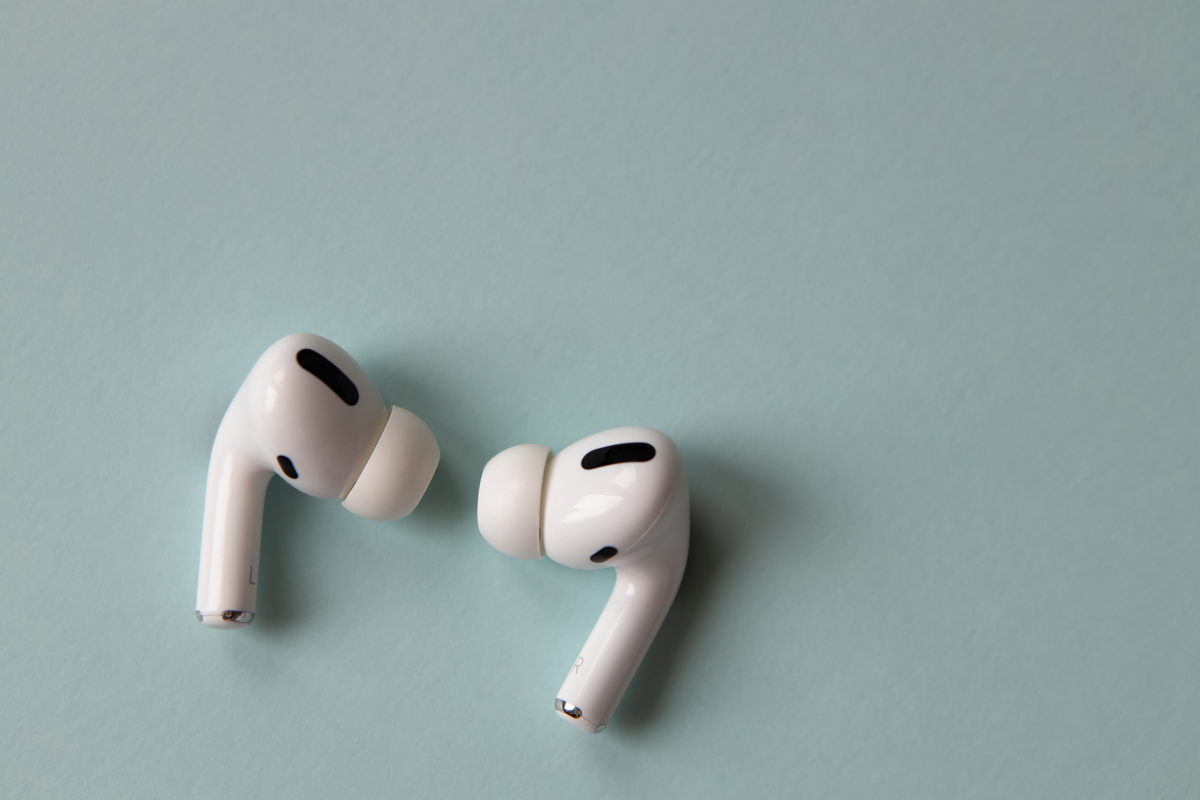
(SPOT.ph) It is a fact that the love Filipinos have for music is of the highest level. This affinity is very much evident in that it is normal for us to see Pinoys of all ages and circumstances sporting all sorts of audio listening devices wherever they go, or just listening to music in general. From jeepneys blasting music to joggers with earbuds in—don't even get us started on karaoke.
In this article, we will guide you through the different things you need to know before you purchase your next pair of earphones or earbuds.
Also read:
The Best Wired Earphones You Can Buy Right Now (Yes, They're Cool Again)
The Best Noise-Cancelling Wireless Earbuds You Can Buy in Manila Right Now
History of Earphones
The idea of having an earpiece and a microphone attached to a telephone dates back to the 1880s when Ezra Guilliland invented a headphone that switchboard operators can use. This type of device weighed more than 10 pounds.
The first recorded in-ear headphones—what we know as earbuds today—were patented by French engineer Ernest Mercadier in 1891, and it was lightweight and portable. Of course, this device was not intended for listening pleasure, but rather as an accessory to the telephone.
In 1910, at the time the radio industry was starting to pick up, Utah-native engineer Nathaniel Baldwin invented the world’s first modern audio headphones that do not need an external power supply. As a former Physics professor and power plant operator, Baldwin’s invention can amplify sound—a device he built to help him hear the sermon at his local Mormon temple. He presented his gadget to private investors, but all turned him down, until the U.S. Navy saw its value. As Baldwin improved on the design of the headphone, particularly its headband, his company—the Baldwin Radio Company—started hiring employees to keep up with the demand for his invention. Then WWI erupted, and the popularity of radio equipment surged with the demand for headphones alongside. According to historical documents, Baldwin sold his headphones at U.S. $12 a pair at that time.
Until the late 1950s, headphones were not considered consumer devices. Manufacturers only had the military as their target market for these audio-communication gears. Modern audio device manufacturers will have to thank John Koss, who developed the Koss Model 390 Phonograph “private listening system” in 1958, for the shift. This device included a record player, speaker, and a headphone jack compatible with the Koss sP-3, which he, too, developed.
The Koss SP-3 headphones had plastic earcups, a 3-inch speaker, as well as foam pads—all the modern-day standards for these types of devices.
During the 1980s, Sony gave us the Walkman and defined how we consume music. According to statistics, there were about 200 million Walkman units sold until it was discontinued in 2010.
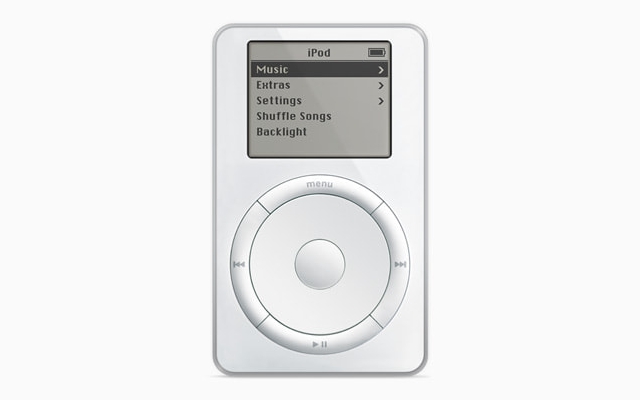
The turn of the century (2001) saw the popularity of earpods, as Apple launched the iPods and started a technological revolution in audio and music. The Apple iPods made it possible for digital music listening to be portable, bringing extinction to cassette tapes, compact discs (CDs), and other audio storage formats.
Difference Between Earphones & Headphones
The common question that we get from audio device users is: What’s the difference between an earphone and a headphone?
Though they serve the same purpose, we can immediately distinguish an earphone and a headphone by their sizes and the way they are worn.
Earphones are listening devices that plug into the internal part of your ear, while headphones rest on the outer surface of the ear. Earphones cover the eardrums entirely, while headphones do not cover the auditory surface entirely and typically come with a headband. Some newer earphones, particularly those with microphones, also have some sort of headband.
Earphones are common in the consumer, medical, and professional in-ear markets, and are typically limited to having 8mm to 15mm audio drivers (diaphragm), the thing that fits into the listener’s ear canal.
Headphones, having audio drivers (diaphragm) between 20mm to 50mm, are popular in the professional audio industry. Some headphones are designed to be oversized and bulky.
Types of Earphones
It is safe to say that there are only two types of earphones or earbuds: wired and wireless.

There is a niche market for wired earphones: audiophiles. These kinds of earbuds do not rely on Digital Signal Processing (DSP) for tuning, thus they are capable of more scalable sound performance and are considered a better-sounding option compared to their wireless counterpart. The most reliable way for audio transmission with zero delays is by using wires—best for watching videos or playing games. Depending on the brand, wired earbuds are usually cheaper yet more reliable than the wireless type.
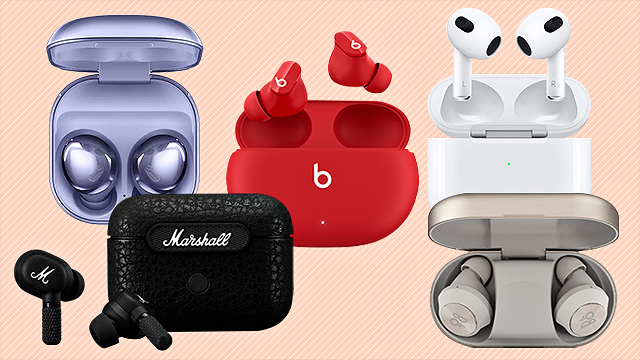
For the wireless type of earbuds, TWS (True Wireless Earbuds) are popular these days for them being completely wireless. These types of earbuds are the most portable and usually come with a charging case to extend their battery life. Packed into the housing of a TWS earbud are the Digital-to-Analog Converter (DAC) and the Digital Signal Processing (DSP). The sound generated by a TWS is the same regardless of the source, thanks to updated Bluetooth technology.
There are also wireless earbuds with cables—the type of in-ear earphones that can receive audio wirelessly using Bluetooth but have a piece of wire connecting the right and left earbud units. This type of earphone, popular with the sporty type of user, usually comes with a carrying case and fits in a pocket (figuratively and actually).
The “in” thing when it comes to earphones these days are those that come with Active Noise Cancellation (ANC). These types of earbuds actively block surrounding noise by recording it, inverting its phase, and then sending it back to your ears—effectively “canceling” themselves when they reach your eardrums. This will result in a noticeable reduction in background noise.
An older type of earphone referred to as “classic earbuds” is still available in the market. These earphones sit in front of the ear canal and rest on your earlobes—just like what early models of MP3 players came with. As these devices don’t block your ears, it is best used if you want better awareness of your surroundings as they let in more ambient noise; like when you are traveling by land or exercising outdoors.
Things to Look Out For (Specs)
When shopping for the best earphones, you need to consider several factors. Your investment in an earphone will depend on your lifestyle. If you’re a sporty type of person, perhaps a wireless earbud (with or without the wires connecting the left and right earpieces) is the best for you. For serious listeners, like audio professionals and musicians, wired earphones may remain to be their best option.
Among the specifications that you need to scrutinize before deciding which earphone brand and model to buy are:
Driver Size
The bigger the driver size, the better sound quality the device can produce.
Dynamic Frequency Response Range, Impedance, & Driver Sensitivity
These three specifications alone can tell who the market is for a particular earphone brand or model. Earphones with a frequency range between 16 Hz to 23 kHz are designed for casual listeners. The power demand of an earphone refers to impedance. A low-impedance earphone will require less voltage to produce high volume, which is why they are very much suited for use with mobile devices, whereas high-impedance earphones are designed primarily for high-powered applications. Directly related to impedance is driver sensitivity or the amount of electrical signal that is converted into sound. Driver sensitivity tells the volume level (decibels; dB) at a specified voltage required by an earbuds unit.
Unit Size and Weight
One advantage of shopping for earphones in a physical store is that I can have a feel of the device before actually purchasing it. Most earbuds being sold commercially these days come with different thicknesses of cushions (if any) and ear tips (for in-ear units).
Battery
Wireless earphones, when fully charged, normally have a maximum music play time of 10 to 40 hours (will depend if ANC is on or off).
Bluetooth
This kind of connectivity is the standard for wireless earphones or earbuds. But please check which Bluetooth version is supported by your devices to ensure compatibility with your chosen listening apparatus.
Popular Brands and Usual Prices
Among the popular brands of earphones or earbuds in the country today are:
Apple
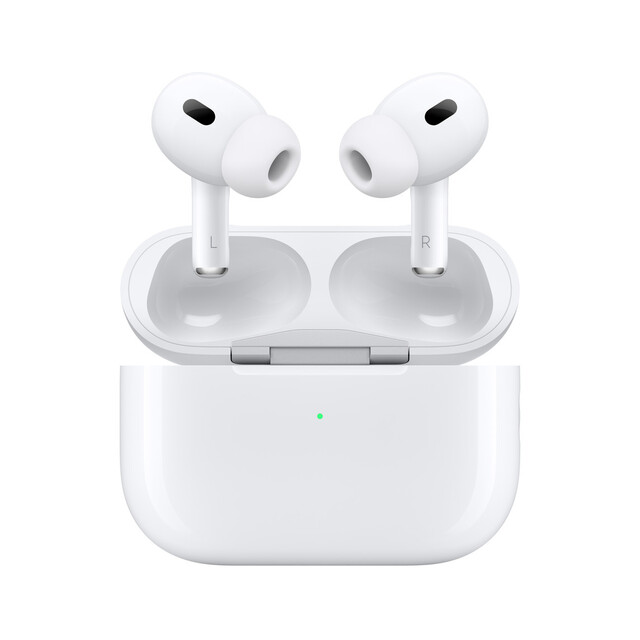
The latest version of the Apple AirPods is priced at P14,990, with the second generation models coming with a price tag of P8,490. At any rate, Apple AirPods work magically with any Apple device (iPod, iPhone, iPad, and Mac).
Audio-Technica
Different models of their in-ear earphones come within the price range of P2,300 to P7,000.
Beats by Dr. Dre

Acquired by Apple in July 2014, they currently have earbuds within the price range of P4,000 up to P20,000.
Bose
Audio professionals and music buffs love this brand, but their products are usually considered high-end; the cheapest earphones they currently have in the local market have a price tag of around P15,000.
JBL (Harman)
The younger generation of serious audio listeners prefers this brand because of its trendy designs. Be ready to cough out somewhere between P1,300 (wired units) to P11,000 (TWS) if you intend in acquiring their latest models.
Philips
If you are looking for the old-school type of earphones that hang over the lobes of your ears, this brand is what you’re looking for. The last time I went to check out prices in malls, the cheapest earphone that they have will only cost P500, while the latest TWS earbuds come with a price tag of around P3,000.
Sennheiser
Products made by this German, family-owned business are loved by audiophiles for their quality. Locally, their wired earphones are being sold from P1,500 to as high as P2,500, while the TWS models come with a price tag of up to P8,300.
Sony
Well-loved by many, the entertainment company produces commercial audio products for decades now. They offer wired earphones starting at P1,300 and TWS starting at P9,500.
Where to Buy Earphones
Nothing beats the experience and pure bliss of buying an earphone or earbud from a physical store, where you can freely choose among the different brands and models. In some audio shops, you can actually test the different earphones they have before deciding to purchase one. Of course, if you are the kind of person who hates going to the malls, most of the consumer and professional audio brands have their online presence on local eCommerce platforms.
Also read:
The SPOT.ph Guide to Laptops