
Hong Kong Guide to Under-the-Radar Spots: Sai Kung, Tai O
Go beyond the usual.

(SPOT.ph) Hong Kong. Most Filipinos know it as the place to go for a quick vacation. There’s Disneyland, Ocean Park, the shopping districts, city centers, Lan Kwai Fong’s watering holes, etc. The farthest the typical tour itinerary would go is the Big Buddha in Ngong Ping, with cable cars that allow views of the island’s expanse, a glimmer of what lies beyond the usual.
It’s likely you’ve gone to three main areas: the Kowloon Peninsula (where Tsim Sha Tsui, Mongkok, and other popular shopping districts are), Hong Kong Island (where Central and Ocean Park are), and Lantau Island (where the airport and Disneyland are). But Hong Kong is so much more. If you’ve ever wanted to venture past—or didn’t even realize how much more there is—we list down a few of the islands and neighborhoods you can go to just to give your view of Hong Kong a little shake up.
Thanks to Hong Kong’s relatively small size and efficient transport system, you can easily have the best of both worlds. Book a stay in the main districts and take a ferry or bus out for day trips to these lesser-known towns and islands—and then make it back to the city in time for a night out.
Also read:
10 Under-the-Radar Destinations in Chiang Mai, Thailand
10 Under-the-Radar Spots in Dumaran and San Vicente, Palawan
Under-the-radar Hong Kong spots to visit
Sai Kung
Known as “Hong Kong’s Back Garden,” this laidback district is famous for its chill vibe and the fact that you can go here for water activities. Snorkeling, kayaking, diving, paddleboarding, and the like aren’t exactly what you think you’d be doing in Hong Kong, unless of course you make your way on over here.
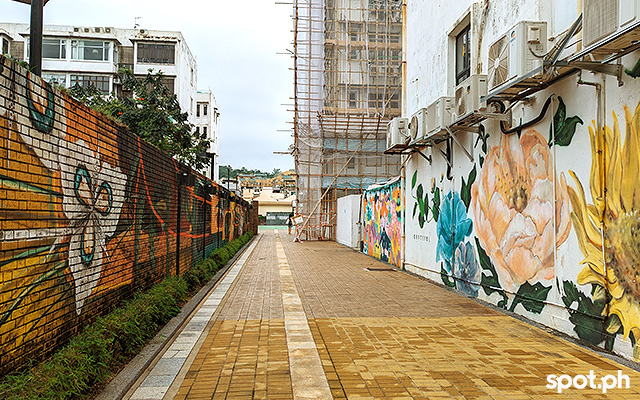
Sai Kung’s main hub is a quiet seaside town with a pier that will lead you to the several smaller islands around. You can rent one of the little boats and go on an adventure. But before you go for the water activities, top of the must-visit list is the island of Yim Tsin Tsai.
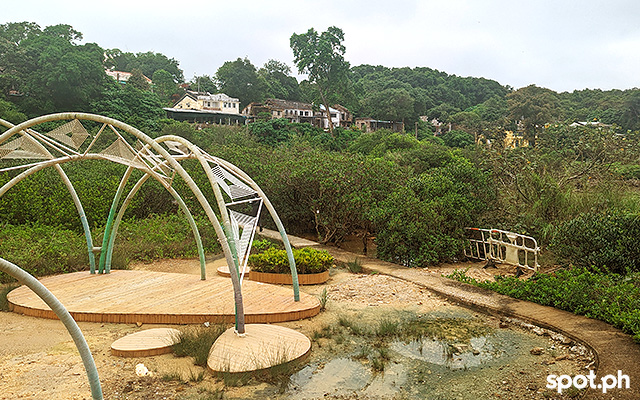
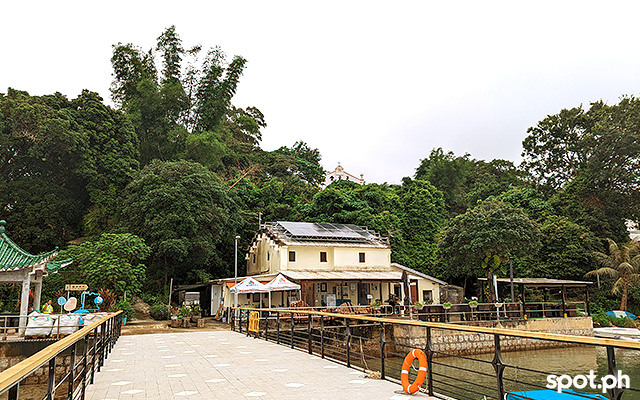
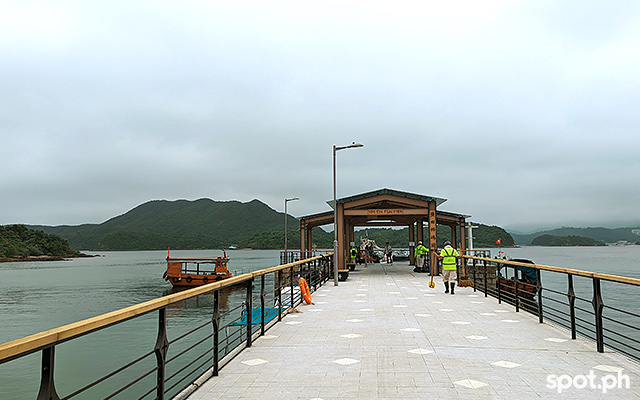
This historic island is barely 15 minutes away from Sai Kung pier. It was here that a once lively community thrived on making salt. Salt pans blanketed the area from the 1700s to the 1900s. Yim Tsin Tsai even translates to “Little Salt Field.” The island experienced a decline as competition rose in the salt market and the need for traditionally made salt went down during the 1900s. Thankfully, a restoration project started in the 2010s, transforming what was left of the community into a living reminder of the island’s history.
Land on the small pier and you’ll be treated to a quiet island scene that includes a little admin house, gardens, a gazebo, and art pieces symbolizing the significance of the once bustling community. Make your way in and explore mangroves, fields, and more. If you love exploring old neighborhoods—and yes, abandoned homes—then you can while away the hours just walking around. Don’t forget to greet its last few residents and their many large dogs as you make your way through lush foliage. You can bring snacks for a little picnic in a clearing or buy a bev from their little canteens.
A small salt pan was restarted to honor the old industry. You can come in and the locals will gladly teach you how they make the salt using water from the nearby mangroves. You can even buy some to take home! Their salt has a much cleaner, sharper taste than our usual rock salt.
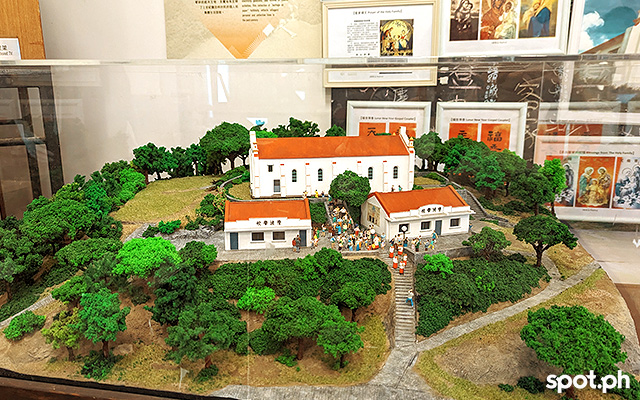
From the pier, you’ll spot the facade of an old church. This is St Joseph’s Chapel, which was put up by visiting missionaries in 1890 and is now a UNESCO-listed heritage site. A few steps below it is an old classroom, now converted into a small museum for a glimpse into the old life of the Hakka people that called the island home.
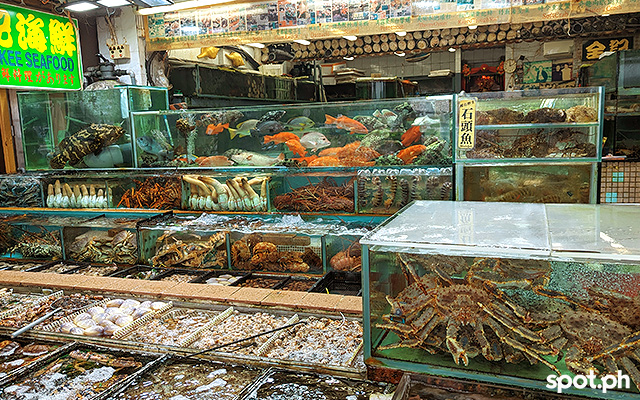
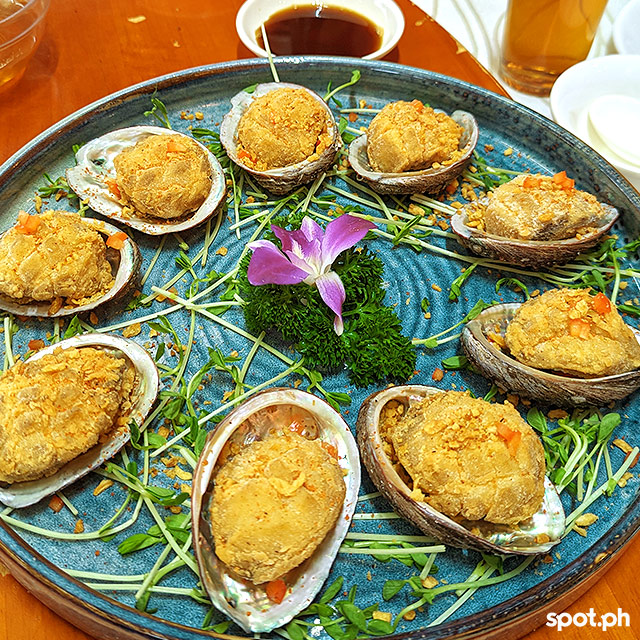
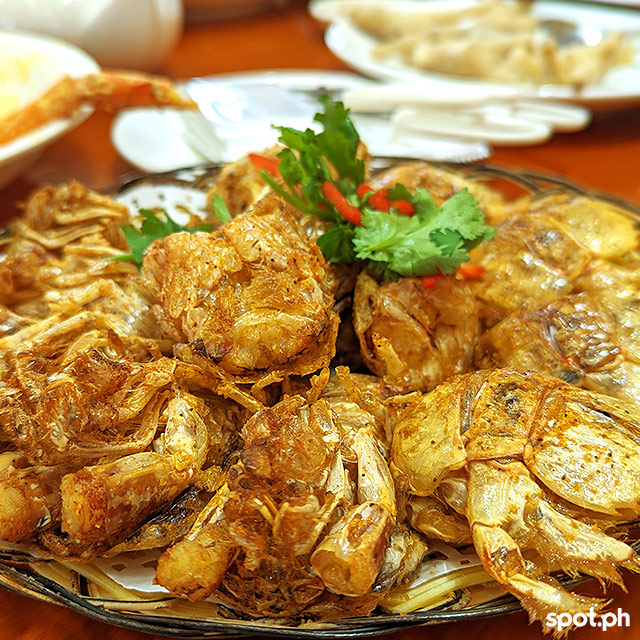
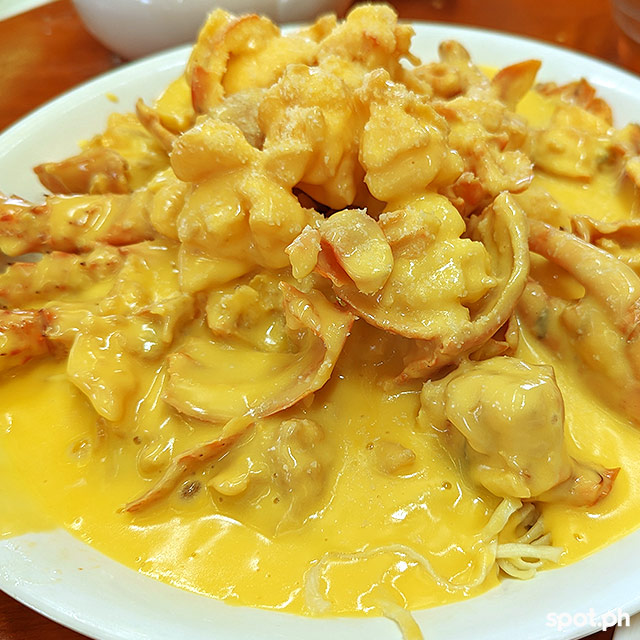
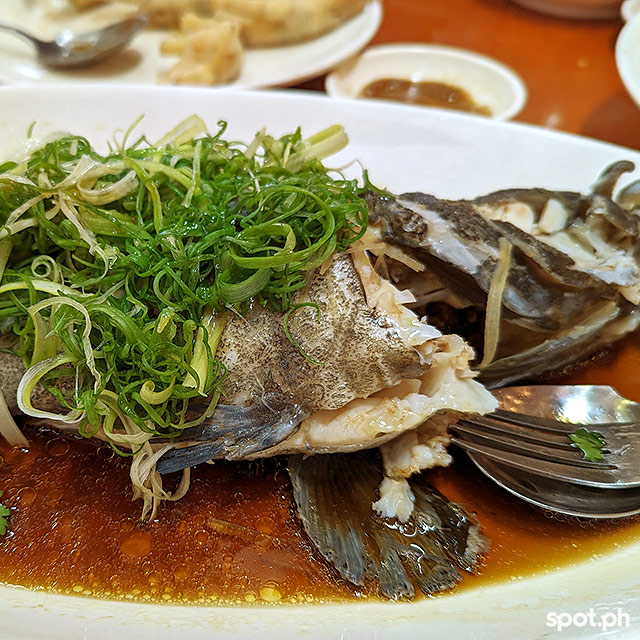
Don’t forget to check out the main hub of Sai Kung, too! The neighborhood was listed by Time Out as the 9th coolest in the world in 2021, the same year Poblacion took the 46th spot. Right by the pier are streets lined with shops, cafes, restaurants and more. If you’re looking for grub, head to the famed Chuen Kee Seafood Restaurant right on the harbor. There’s no missing the Michelin-recommended restaurants, thanks to the colorful array of seafood up front. Choose from king crabs, lobsters, all sorts of clams (seriously, we’d never seen some of these animals in real life before), and massive fish. You can then choose how they’ll cook it, dampa-style, or pick from the menu from this family-style restaurant. Tip: climb up the stairs for a look at all the framed pictures of the many famous stars—the late Anthony Bourdain included—who’ve dropped by.
How to get there: Sai Kung is about an hour’s drive away from Central. There is no MTR stop in Sai Kung itself but you can take a minibus from three different stations: Hang Hau MTR Station (minibus 101M), Mong Kok MTR Station (minibus will be labelled "Sai Kung”, or Choi Hung MTR Station (minibus 1A or bus 92).
Also read:
Spot Stays: Disney Explorers Lodge in Hong Kong Disneyland Resort
Best of Luck Brings Hong Kong Night-Market Vibes to Cubao Expo
Peng Chau
Peng Chau is a relatively larger island to the west of Hong Kong Island. It’s an old industrial community turned leisurely town, where many Hongkongers go to escape the grind for a bit. It’s not too far but not too near, and has just the right amount of activities. You can walk along the town’s seaside promenades, picnic on the beach, give their little treks a go, visit a temple, or chill in the many cha chaan tengs (authentic HK-style tea shops) around. You can easily explore half-a-day away here.
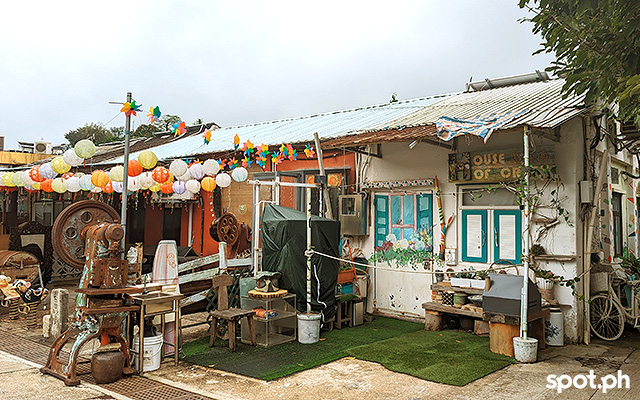
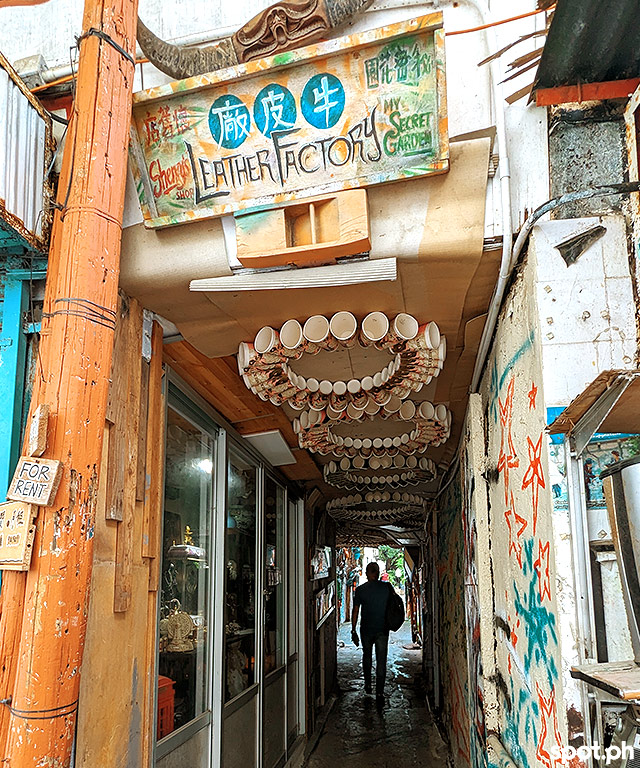
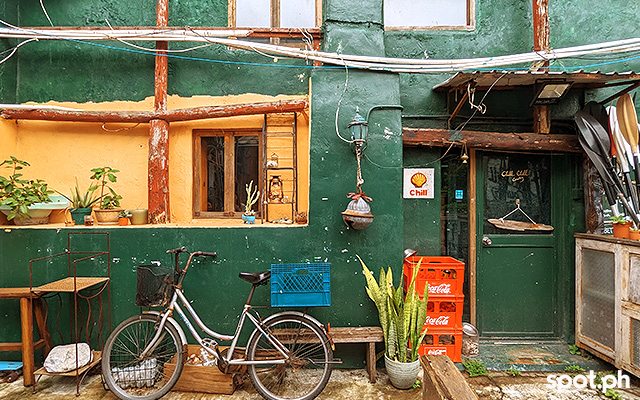
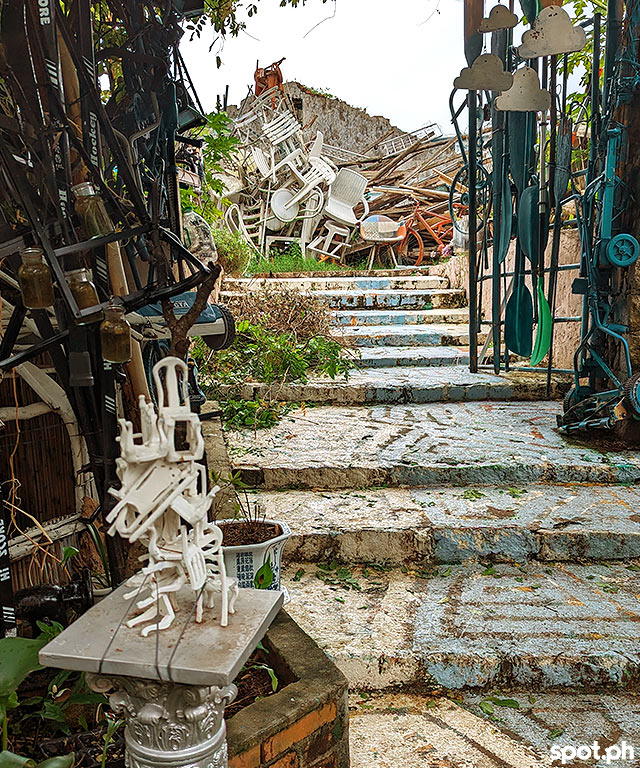
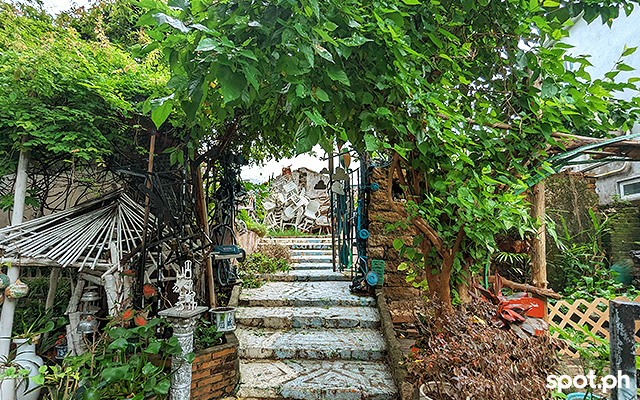
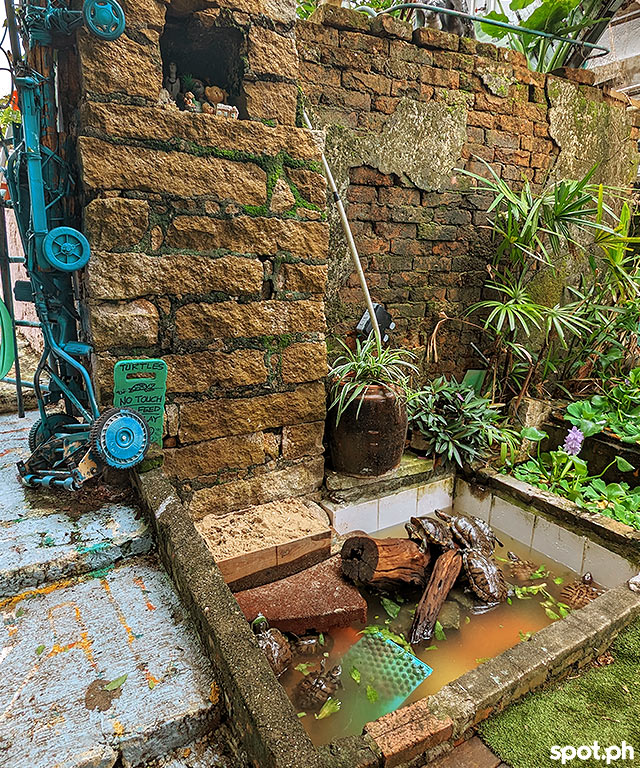
Amid the rows of tiny shops, restos, and homes is the Old Leather Factory. Walk past a narrow walkway full of curio and you’ll find yourself in a small courtyard filled with even more curio, odds, ends, and full-blown art pieces. As the name suggests, this is where the town’s old leather factory used to be, and when it was left abandoned, it was taken over by a community of artists. Past the tiny courtyard is a garden chock-full of strange and wondrous pieces—we saw a lot of chairs piled high, and even a little pond of turtles. At the old house by the side is Chill Chill Country, a watering-hole-slash-cafe-hobby hub where you can strike up a conversation with strangers over craft beer.
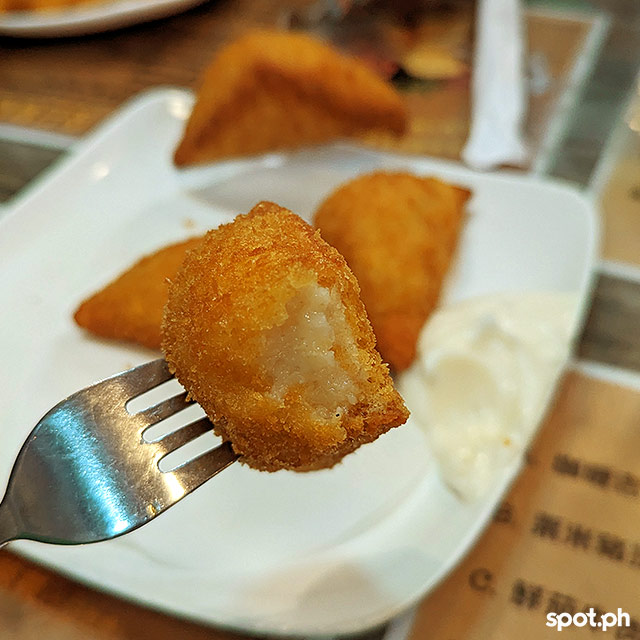
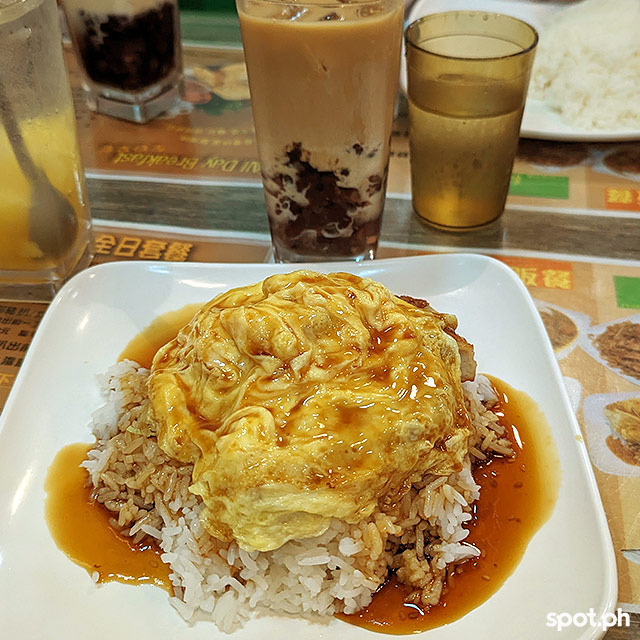
A few steps away from Chill Chill Country is the plain cement facade of Kee Sum Cafe. Don’t let the simplicity fool you, this cha chaa teng is arguably one of the most popular on the island, and for good reason: their shrimp toast. This Hong Kong staple goes for an empanada-like twist with a deep fried toastie full of shrimp puree and chunks of the fresh catch. Their coffee and tea can also be ordered with red beans for an earthy and chewy hit!
How to get there: Take a ferry from Central Pier 6. Ordinary ferries depart every 45 minutes from 7 a.m. to 12:30 a.m. The boat ride takes just around 30 minutes. You can use your Octopus card to pay the fare of around HK $20.
Tai O
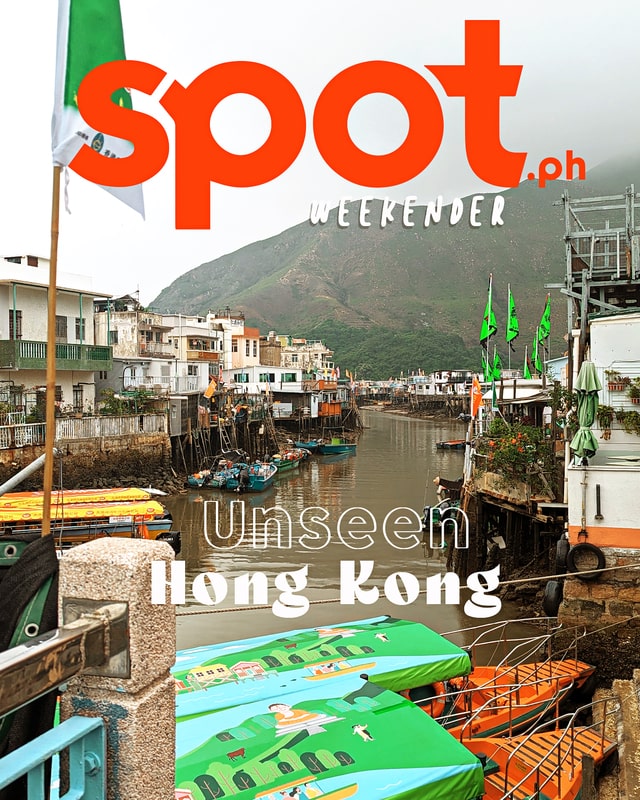
Beyond Disneyland and the airport, Lantau Island is home to many neighborhoods worth the visit. Most popular of the underrated destinations is Tai O. This old fishing village has been around since the Ming Dynasty, and it is made distinct thanks to the houses the Tanka people built and continue to build through generations, on stilts over the tides.
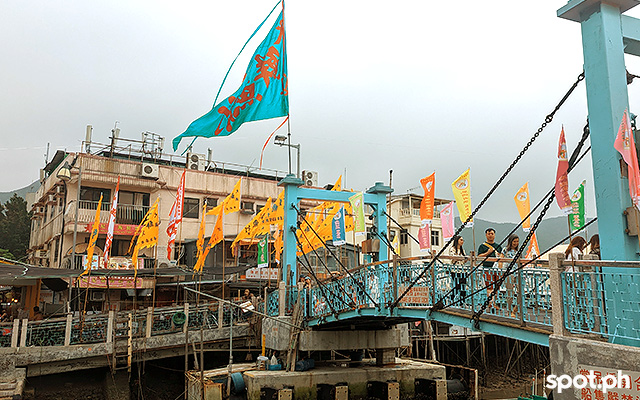
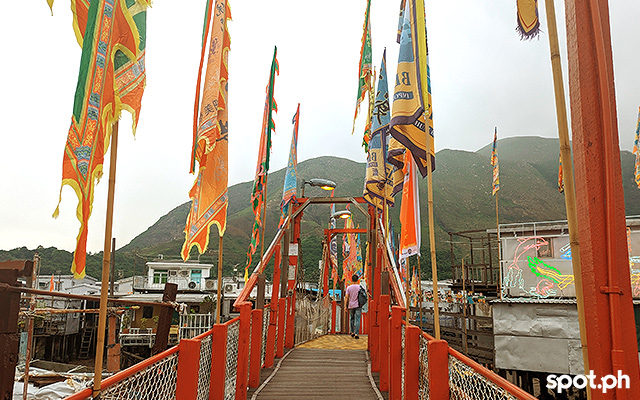
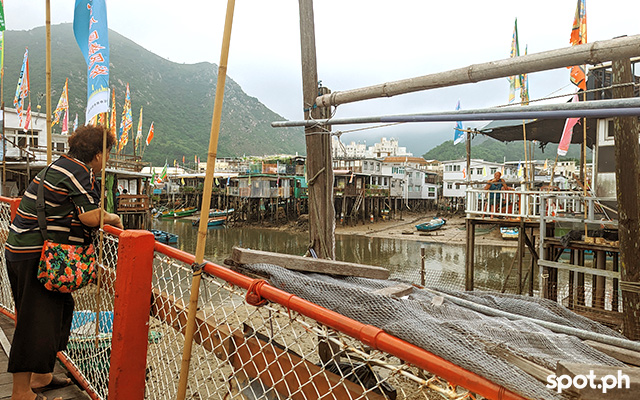
Start your walk from the outskirts of the town and make your way through narrow and maze-like streets to the canals lined with picturesque stilt houses. Tip: make sure to come hungry! The streets are full of hole-in-the-wall restaurants and stalls selling everything from their famed fish paste and dried fish, to snacks like fish balls in broth, grilled squid or clams, and even mochi-like balls full of fresh fruit and sweets. Take your time strolling through the town and you’ll eventually make it to the blue Tai Chung bridge, which has a cool mechanism that allows it to go up for boats to pass, and the vibrant Sun Ki bridge for a tourist-mandated photo amid bright flags and stilt houses.
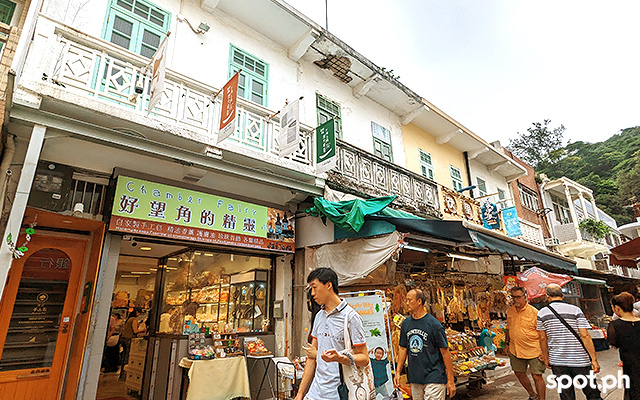
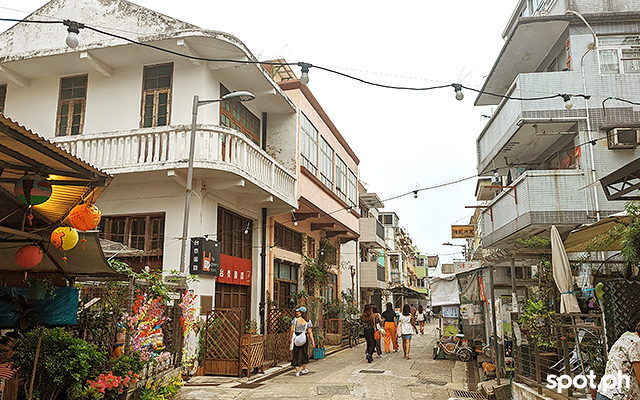
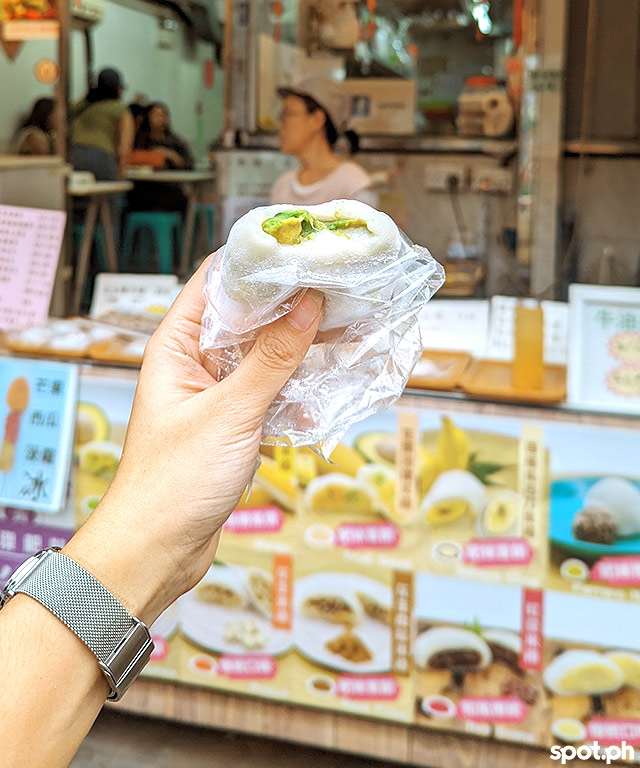
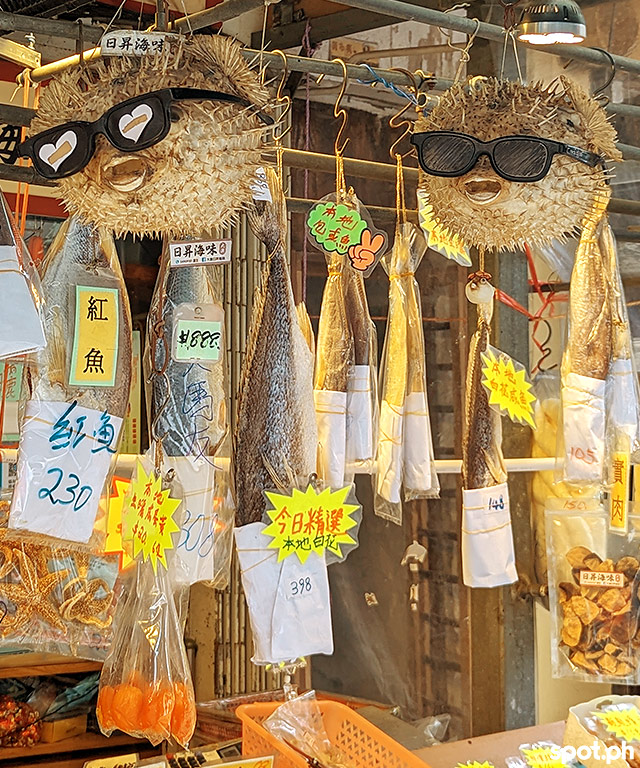
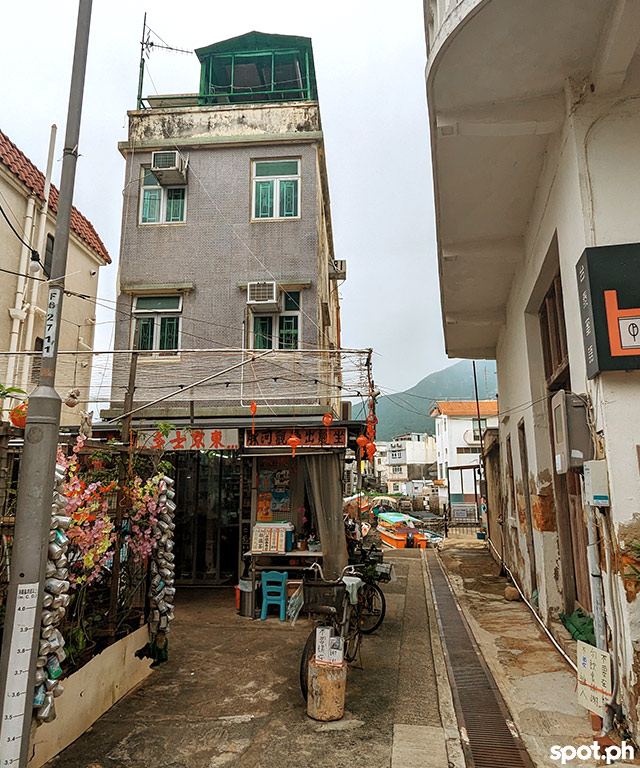
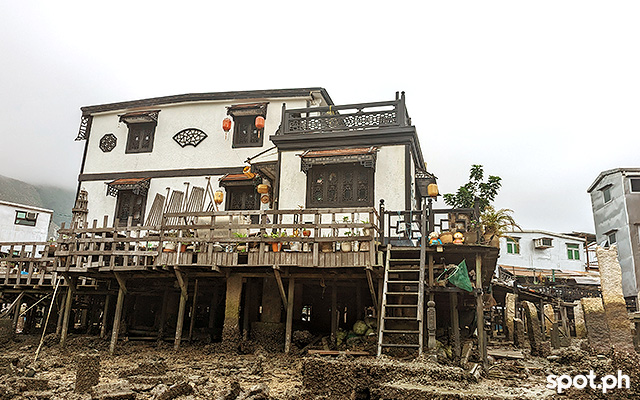
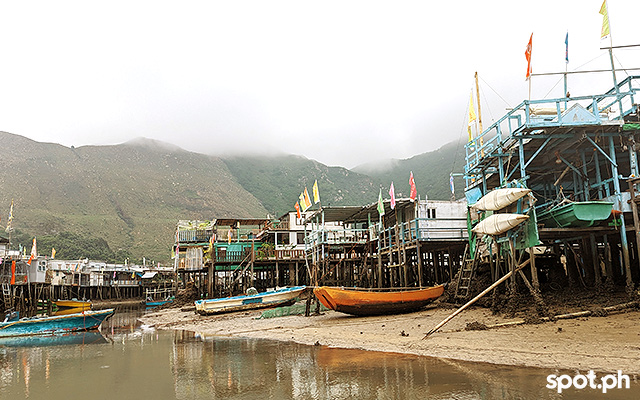
You can also hop on a fast boat for a quick cruise down the tributaries lined by stilt houses. Keep your eyes peeled for signs of the old-style homes that have curved roofs, shaped just like the old fishing boats.
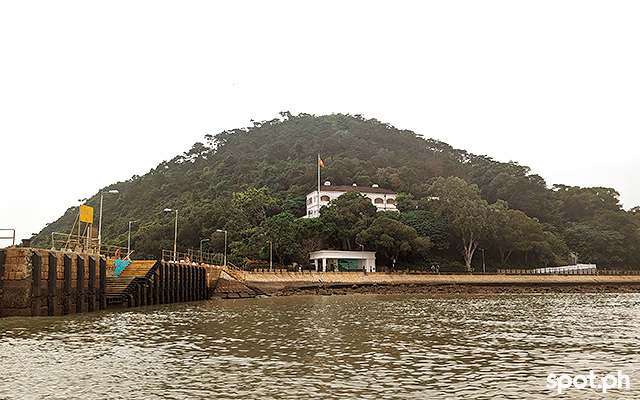
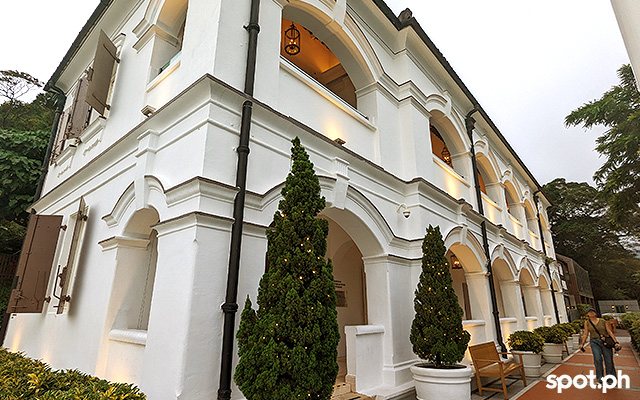
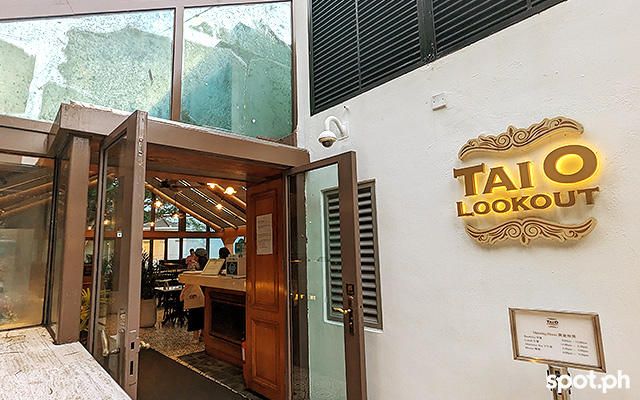
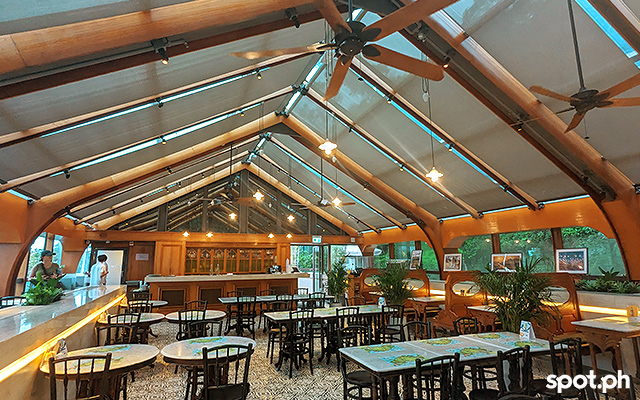
At the end of the town is the Tai O Heritage Hotel, standing right on a hill overlooking the open sea and the massive bridge connecting Hong Kong and Macau. Hugging the hill is this old British-Colonial style building that was first built as a marine police station in 1902. It now operates as a gorgeous boutique hotel and is a UNESCO-recognized heritage site; it even has a Lookout restaurant in a makeshift cabin on the second floor. Take some time to rest, take in the views, and get some grub at this comfy cafe.
How to get there: You can get to Tai O in two main ways, by MTR then bus, or ferry then bus. For the first, head to the MTR Tung Chung Station then board Bus 11. For the latter, take the ferry to Mui Wo from Central Pier 6 and then Bus 1 to Tai O. Both bus rides will take around 45 minutes.