

The DOST PAGASA Planetarium Is Once Again Open For Bookings
It's time to look up again.
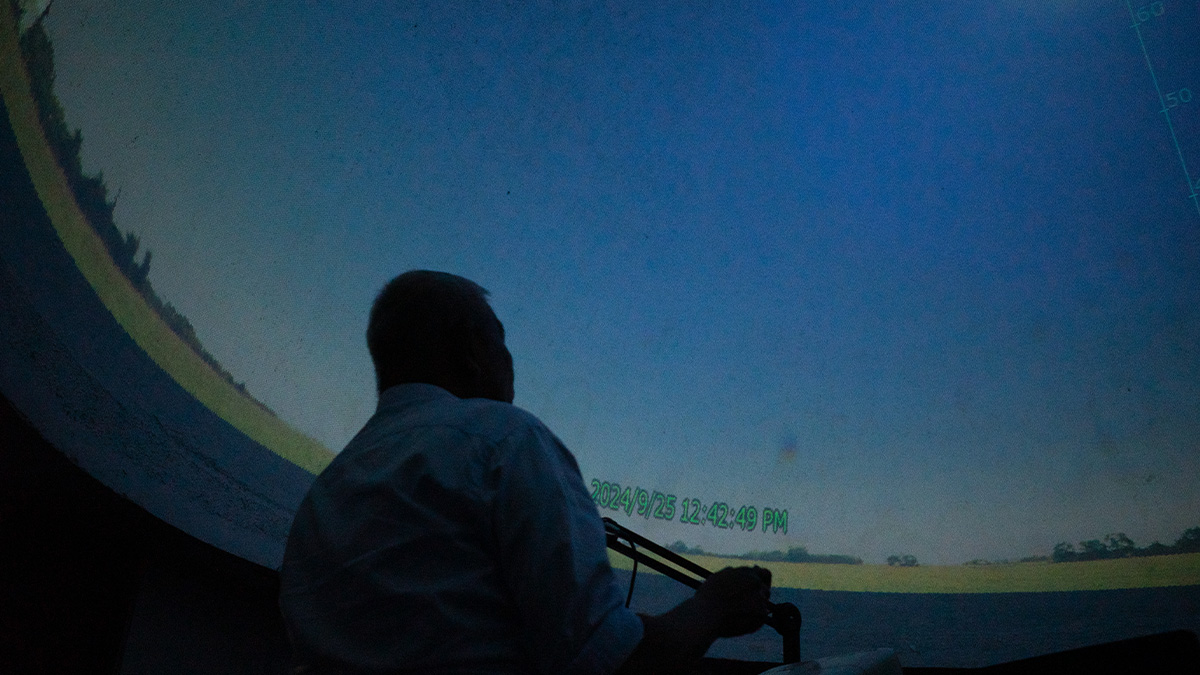
(SPOT.ph) The DOST PAGASA Planetarium is open to the public again.
With the National Planetarium out of commission indefinitely, the reopening of Metro Manila's only public space dome after some renovations is welcome news, especially for those looking for a stellar time—pun intended—learning about the cosmos.
You might have seen the colorful images online of constellations, galaxies, celestial bodies and thought of getting a better look at them. But before you make that trip to the Science Garden Complex in Quezon City, here's what to expect at the newly renovated DOST (Department of Science and Technology) PAGASA Planetarium.
Also read:
10 Places for Stargazing Near and Around Manila
10 Free Mobile Apps to Make Stargazing More Fun
What to expect at the DOST PAGASA Planetarium
The PAGASA Planetarium was built in 1977. Looking at the building's facade now, it's clear the structure has seen better days. But it is held together by its purpose and the DOST's desire to keep the place intact for generations to come.
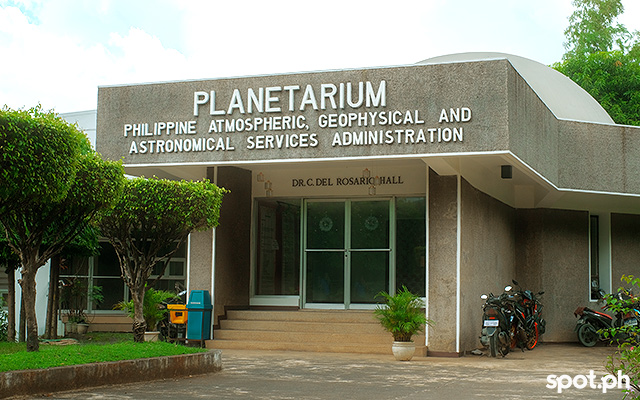
The Planetarium was not in very good shape for a long time and improvements were overdue. "Halos nahuhulog na nga po yung pintura ng kisame," recalls PAGASA weather observer and planetarium staffer Ruben Cunanan about the building's condition before the recent upgrade. The renovations mostly focused on leak-proofing the ceiling and refurbishing the dome where the show is projected.
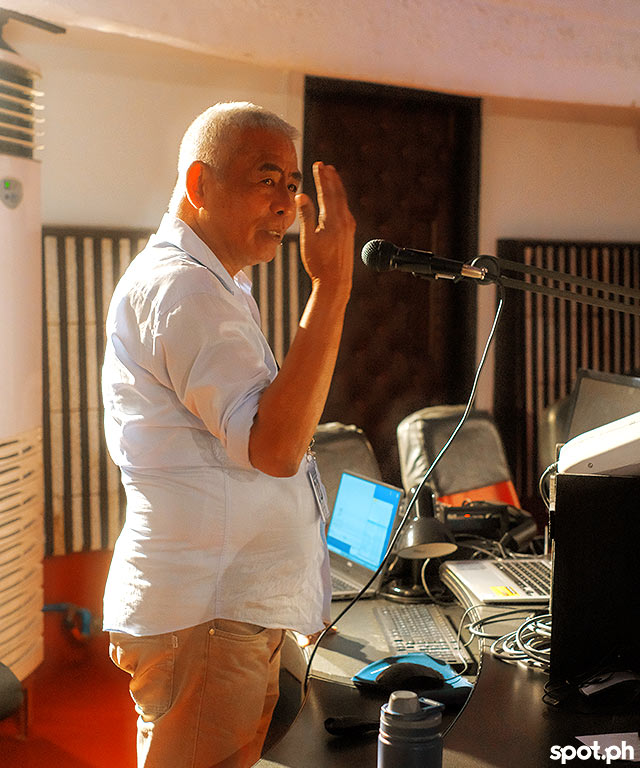
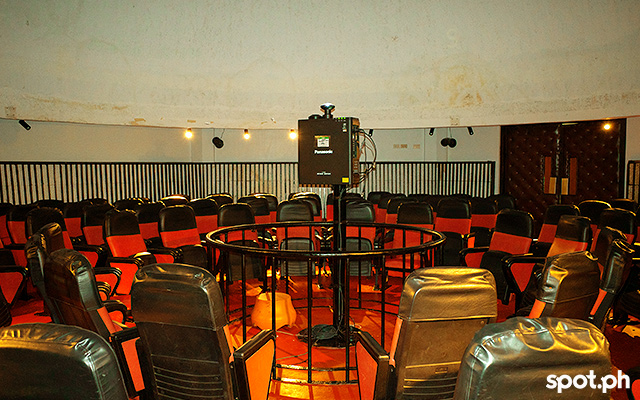
The floors were also refurbished and the lighting equipment improved alongside other aspects of the main theater. But manage your expectations: the renovation was really more of a tune up—regular maintenance work than anything else, Cunanan explains, to ensure that more people get to enjoy the planetarium for a long time.
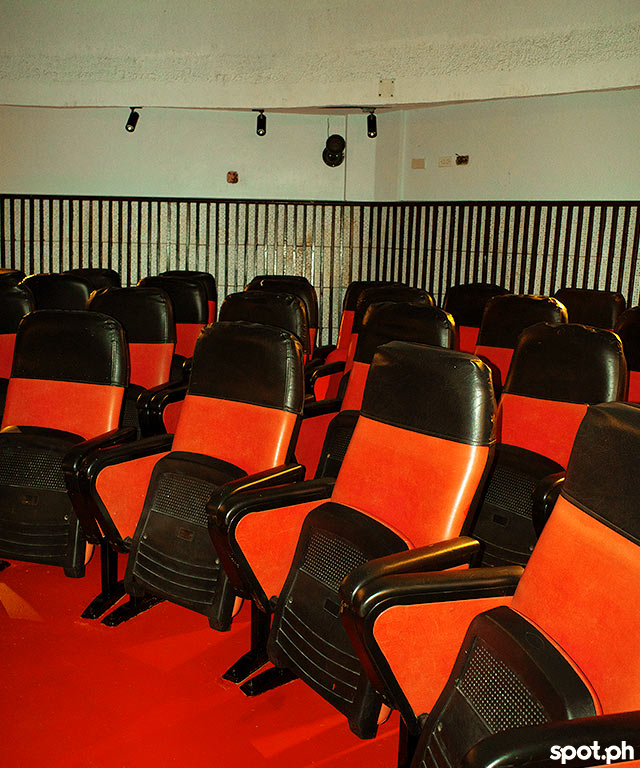
"Matagal na namin prinopose yung renovations but 'di siya natutuloy dahil nagka-pandemic, and siyempre being under PAGASA, ang priority talaga is strengthening the weather system [detectors] and radar. Pero ayon, nang ma-grant ang budget, we pushed through," Cunanan tells SPOT.ph.
The DOST PAGASA Planetarium is a 90-seater space where guests of all ages can learn about astronomy. It is often visited by students on field trips, and weather observers like Cunanan— who has been working for PAGASA and the planetarium for over 12 years— prepare lectures and discussions depending on the grade level of their audience, or base their topics on those identified by teachers of visiting schools.
"Hindi naman namin kayo basta pinapaupo lang at magpe-play kami ng show para sa inyo," says Cunanan. "It's a discussion and a lecture. A show is typically 20 to 30 minutes long, but it really depends. If there are a lot of questions from the audience, pwedeng mas matagal."
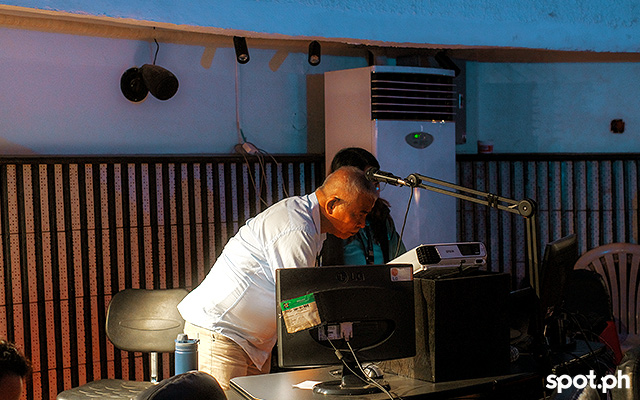
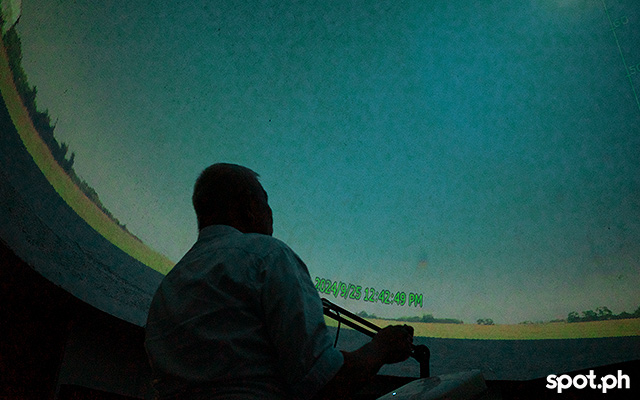
Topics for the shows range from learning about the cardinal directions, the seasons, astronomical navigation, the sun's lifecycle, our solar system, and even viewing deep space objects or what the team fondly calls "the jewels of the night sky."
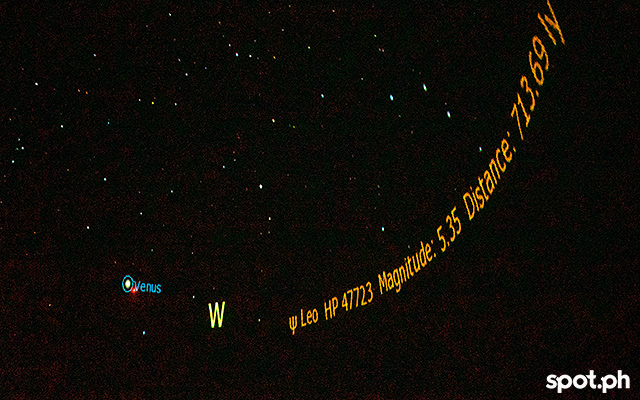
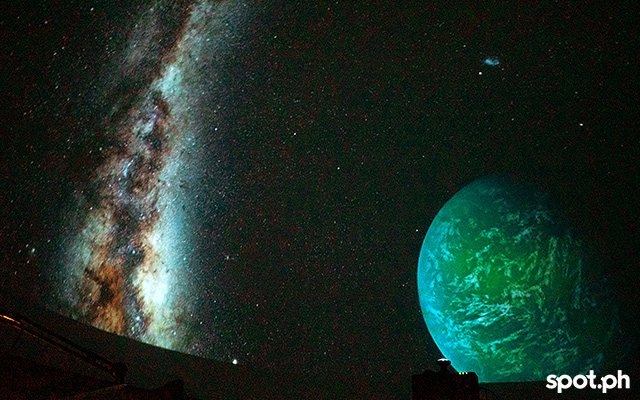
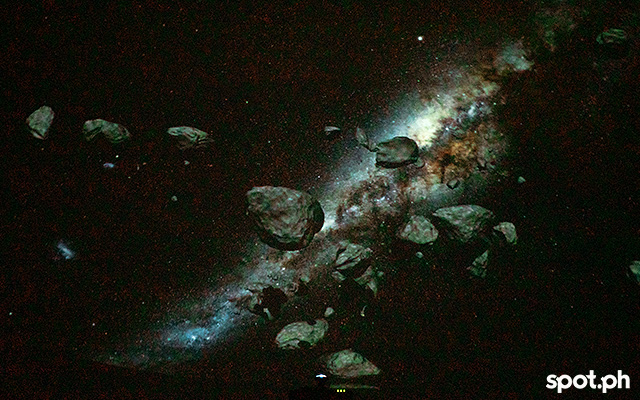
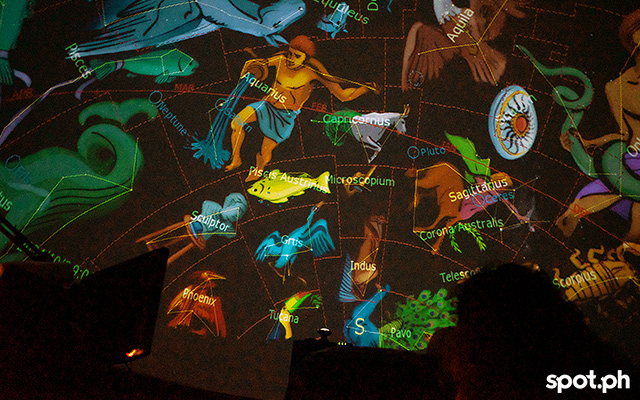
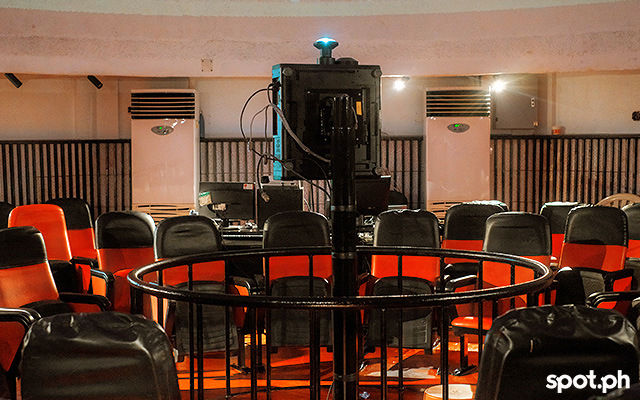
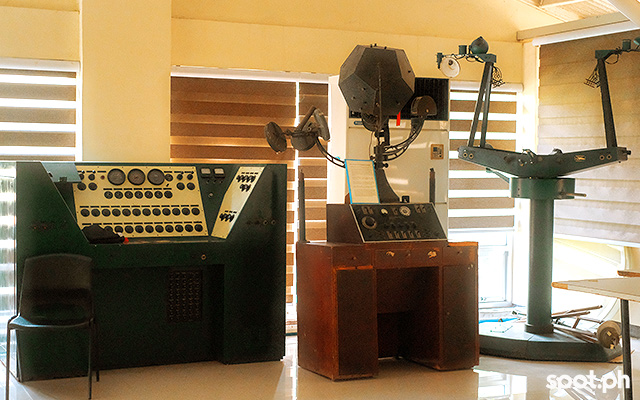
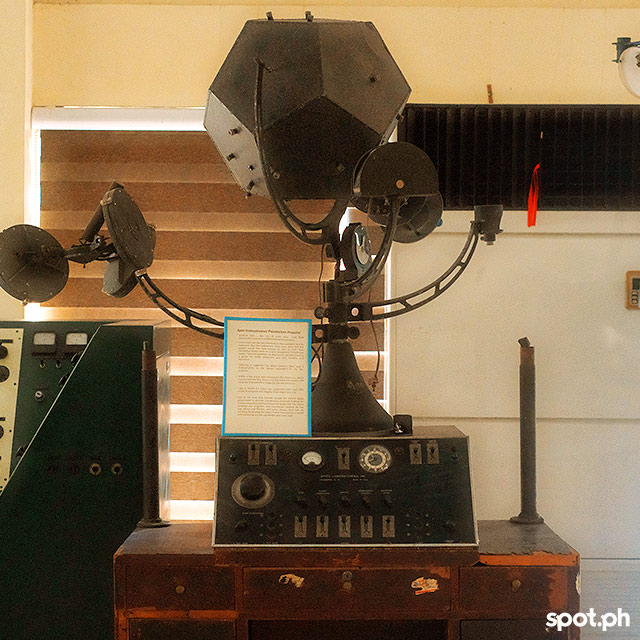
At the center of the small, circular auditorium is a slim digital projector showcasing the visuals for the lectures. This piece of technology from the late 2000s to early 2010s took the Space Science and Astronomy Division a long time to commission. Prior to this, students of the early aughts might remember a bigger, more elaborate-looking projector that required a larger setup and a much more complex machine to operate. And before that, there was an even simpler makeshift dome projector that could only show up to 1000 stars. "Buti nga ngayon mas advanced na," says Cunanan. "Mas nakaka-focus ka na mag-lecture kaysa mag-kalikot ng controls."

To complement the hardware, lecturers like Cunanan use Nightshade, a simulation and visualization software for teaching and exploring astronomy. This program allows the planetarium to show images of space and sky at any date and time, zoom in on deep space objects like star clusters, nebula, and galaxies, and map out the constellations.

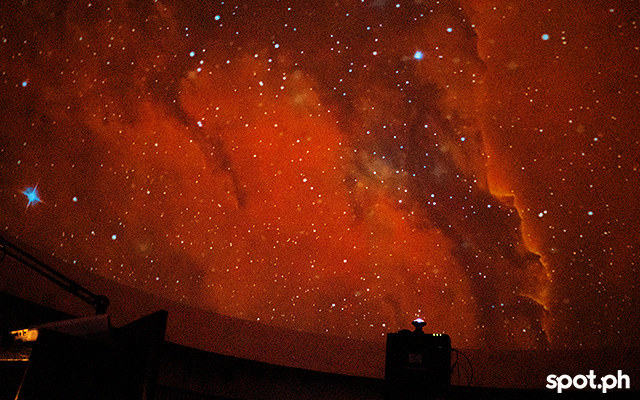
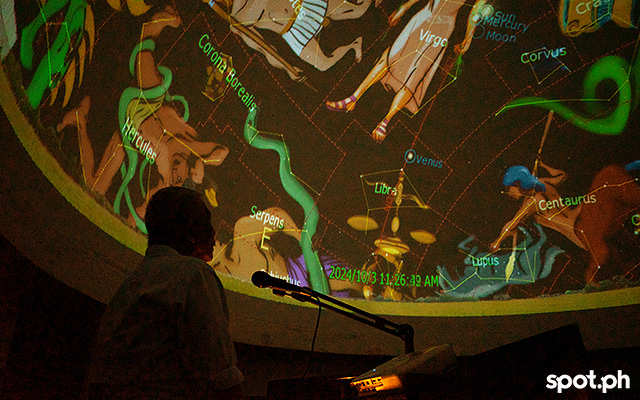
All in all, it is a great experience watching all this as an adult, and possibly even inspiring to younger people.
What's next for the PAGASA Planetarium?
There are a lot of things the planetarium can be proud of at the moment, although Cunanan admits our facilities are nowhere near as sophisticated as those in countries like Japan, the US, and Germany.
"Masaya sana to have all the newest tech and equipment pero aanhin mo naman 'yon kung nasa iisang lugar lang siya. Paano naman 'yong nasa malalayong barangay o lugar na di nakakaluwas?" Cunanan asks.
While there are no immediate plans for a major renovation and more changes to the facility, Cunanan is aware that at the moment the priority is expanding the reach and coverage of what it already has.
He says another PAGASA planetarium will open within the year. Following the recent opening of the Mindanao Planetarium, one for the Visayas islands is also expected to open soon. Located in Mactan, Cebu, this will be the newest addition to PAGASA's facilities, expanding the reach of the Space Science and Astronomy Division, giving people in Visayas a similar opportunity to take part in discussions about space and astronomy.
PAGASA is also set on strengthening its capacity for its Mobile Planetariums, which frequently tour the country, giving people in far-flung barrios, barangays, and municipalities opportunities to experience the magic of Astro science.
"We have to make sure to reach these communities and the different constituents. 'Tong planetarium importante siya sa pag foster ng love for Science. Para naman magkaroon ng mas malawak na pag intindi ang mga Pilipino sa kung ano ang meron sa ating paligid."
How to book a visit to the DOST PAGASA Planetarium?
"As much as we want to be able to accommodate walk-in guests, baka abutin kami ng kung anong oras dito," says Cunanan jokingly. But the guy has a point. The DOST PAGASA Planetarium only has a small space in the Science Garden Compound. The building is comprised only of a narrow lobby, an office space, and the main theater. There's no waiting room or holding area where guests can stay without disrupting the ongoing show. As such, visits to the planetarium are done strictly on a request or reservation basis.

Here's how to book a show or request a visit to the PAGASA Planetarium
- Write a request letter indicating your proposed date and time, number of people, and the grade level or desired topic for your astronomy lecture. Address your letter to Dr. Nathaniel T. Servando, Administrator PAGASA Science Garden Complex, SMPDS Avenue, Barangay Central, Quezon City.
- Send this request letter to astronomy@pagasa.dost.gov.ph
- Wait for the email confirmation regarding your request. Note that your request is subject for review. Just because you requested doesn't mean you can go ahead and visit.
- Once confirmed, you can process your payment for the entrance fee of P25 per head.
A show will need at least 20 people for it to push through. If your group isn't big enough to meet this requirement, you may be combined with other visiting groups or given a different date and time other than what you requested.
But due to the influx of show requests and inquiries, the folks at the PAGASA Planetarium are opening show schedules for small groups. You can check the Space Science and Astronomy Section's Facebook page for details.
Check out this video of our experience at the DOST PAGASA Planetarium:
View this post on Instagram
The DOST PAGASA Planetarium is at Science Garden Compound, BIR Road, Barangay Central, Quezon City. Booking and reservations are required. For more information, visit DOST PAGASA Space and Astronomy Section's Facebook page.
Also read: Here's a Look at Mindanao's First Planetarium
Photos by Zelda Carreon
Hey, Spotters! Check us out on Viber to join our Community and subscribe to our Chatbot.