

Inside the Manila American Cemetery and Memorial
Here's everything we found inside.

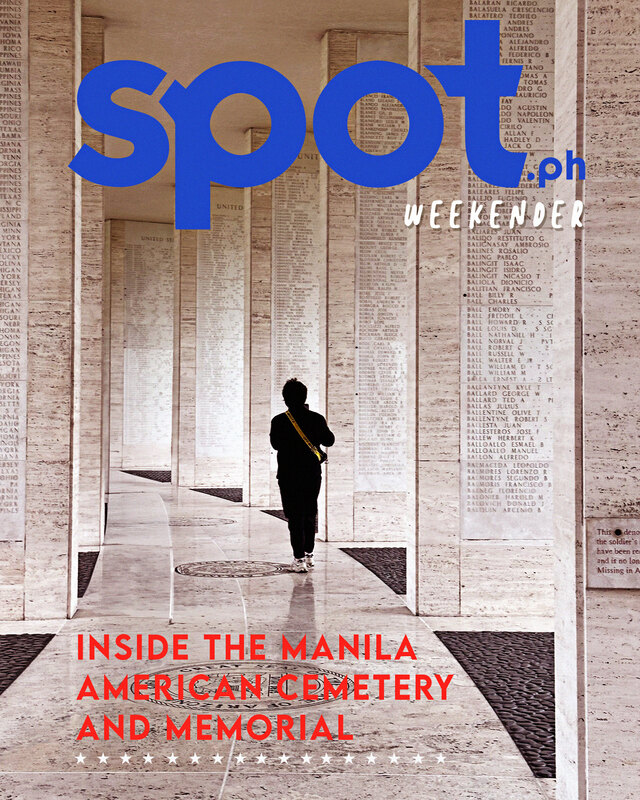
(SPOT.ph) You might have seen it when you pass by Taguig, a massive cemetery with manicured lawns stretching as far as you can see. Rows upon rows of crosses mark the graves of the fallen, and while it might appear to be the Libingan ng mga Bayani or The Heritage Park, there's a chance you're looking at a totally different memorial park. You might be looking at the Manila American Cemetery and Memorial.
Also read: Inside the Philippine Biodome: Manila's Newest Green Escape
What is the Manila American Cemetery and Memorial?
The Manila American Cemetery and Memorial is the largest American Cemetery outside the United States. It's the final resting place of about 17,000 fallen Pacific troops from World War II.
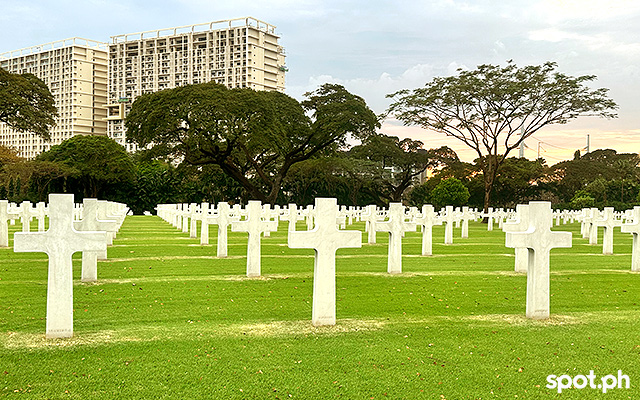
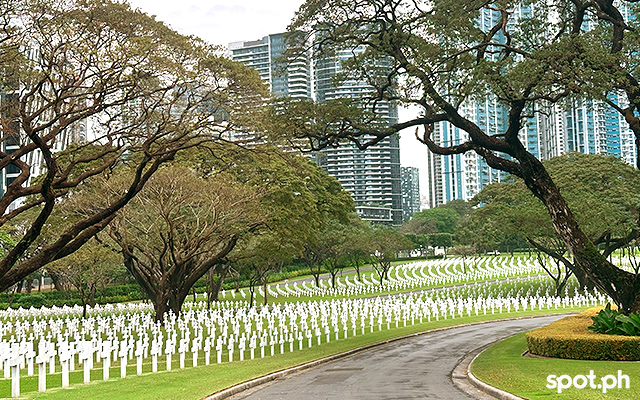
Contrary to popular belief, the Manila American Cemetery and Memorial is open to the public despite being managed by the American Battle Monuments Commission, a . Whether you're a local or a foreigner or have family buried there, it doesn't matter: you're welcome to explore. The memorial park is open every day from 9 a.m. to 5 p.m. except on Christmas and New Year.

Morbid curiosity aside, why would you even want to visit the Manila American Cemetery and Memorial?
Aside from being a place to honor the dead, this cemetery is one of the few green spaces in the Metro. Take a casual stroll and enjoy the 159-acre (64 hectares) space with its rolling hills and towering trees. At several points in the property, it even boasts impressive views of the lowlands that lead to Laguna de Bay and the distant mountains. While you can't exactly picnic, there are many sitting benches where you can reflect and peacefully enjoy the cool breeze as you listen to birds sing—an interesting contrast to the bustling atmosphere of Bonifacio Global City, where you can sometimes barely hear yourself think.
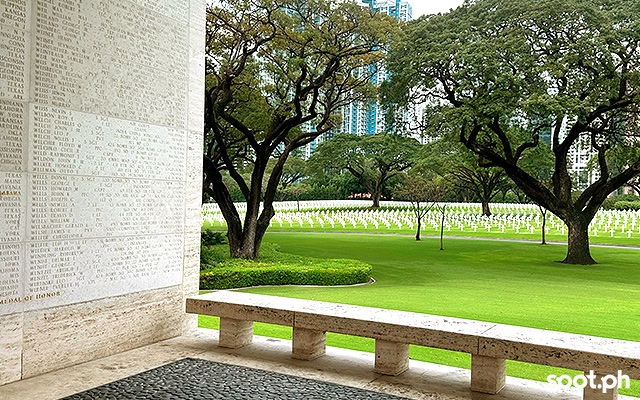
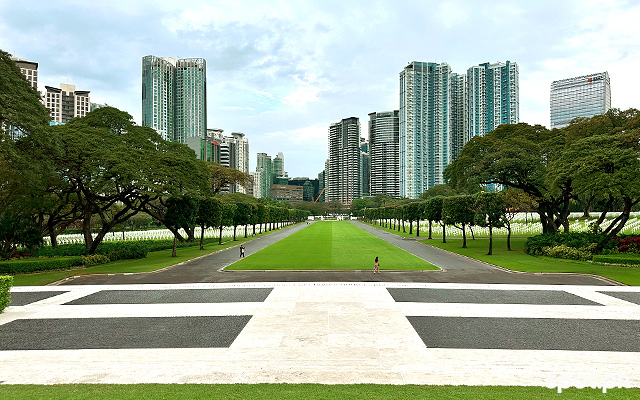
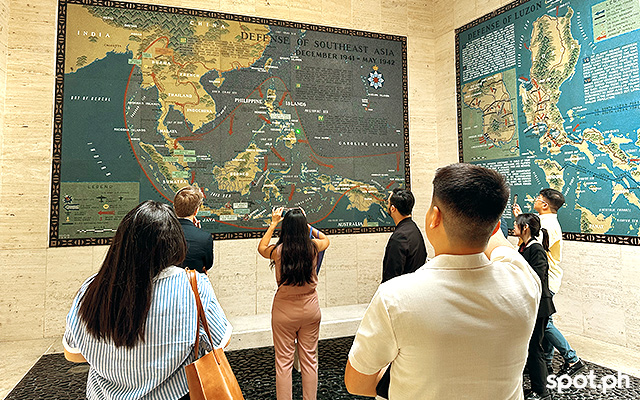
At the heart of the cemetery, a serene promenade leads to a striking white stone chapel, its walls adorned with intricate sculptures and mosaics. In front of it, a wide landscaped terrace framed by curved walls containing 25 mosaic maps depicting key military campaigns across the Pacific, China, India, and Burma. But more importantly, etched into towering limestone piers are the Tablets of the Missing, a list of 36,286 names of those who perished during the war and whose bodies have yet to be found—the largest marker of its kind across all American battle monuments.
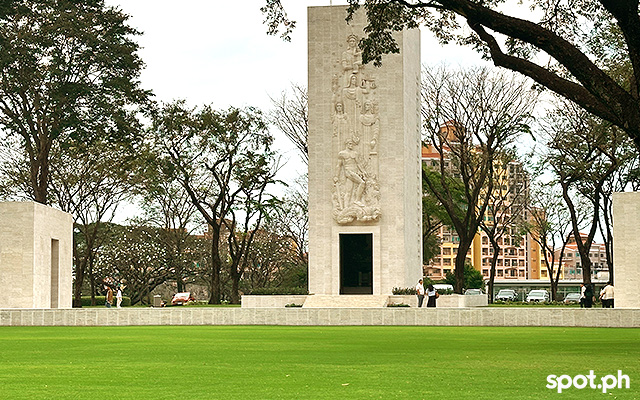
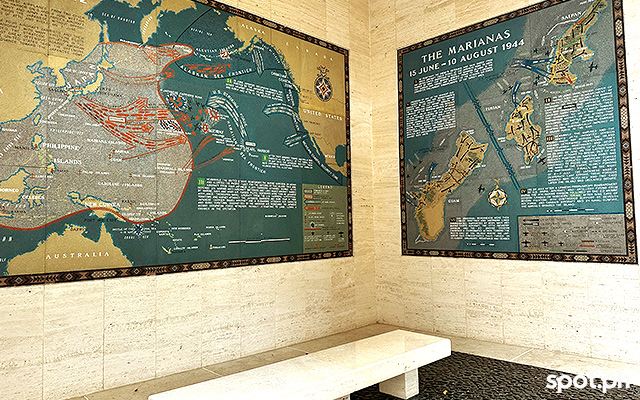
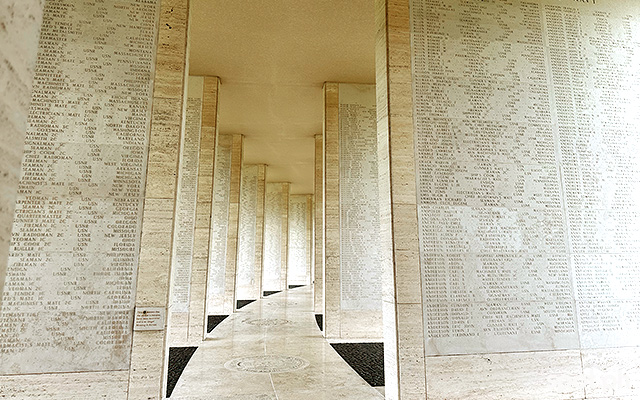
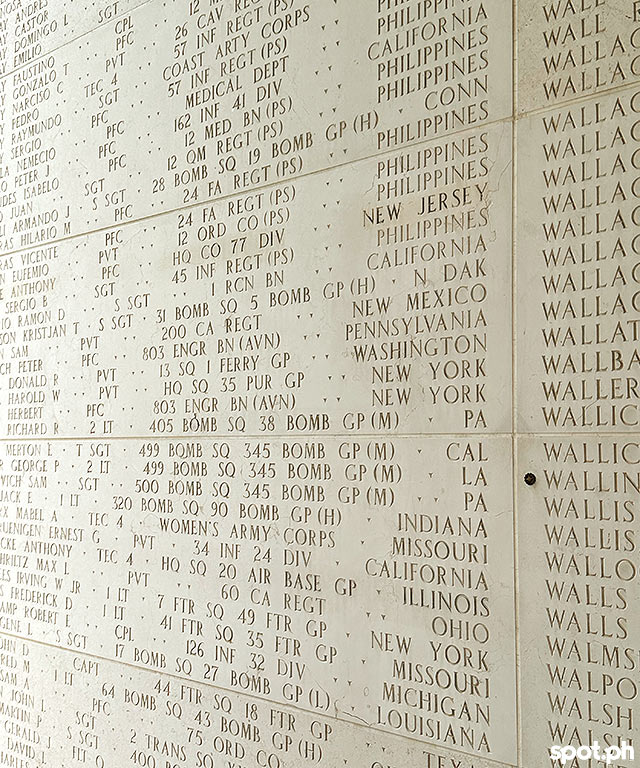
The Manila American Cemetery and Memorial are undoubtedly sacred grounds, but looking at the bigger picture, this site can be used to remind younger generations of the atrocities and true cost of war. Thankfully, in 2019, an interactive Visitor Center was added to tell the story of what World War II was like in the Pacific.
The Visitor Center at the Manila American Cemetery and Memorial
“If you put a map of Europe in context versus the map of the Pacific, it’s just a small portion of Australia, and that’s it. The Pacific has the largest battlefield in the history of mankind. A lot of people tend to forget that,” says Vicente Lim IV, Director of the Manila American Cemetery and Memorial Visitor Center, explaining why it made sense for the Philippines to be home to an exhibit like this.
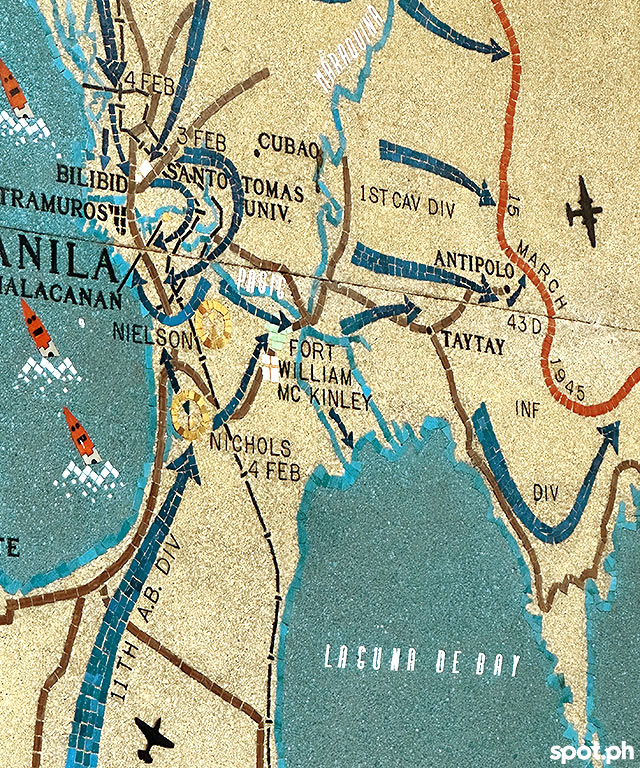
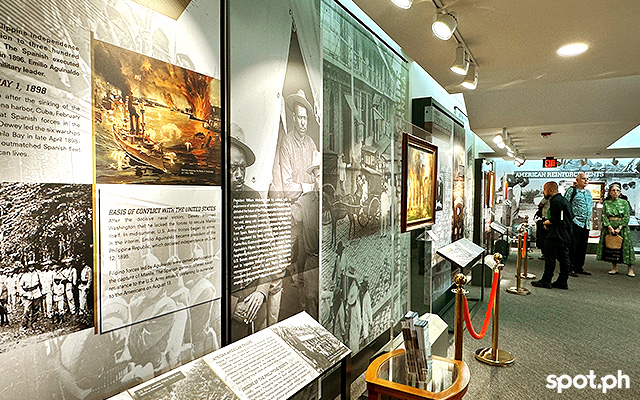
Opened in 2019, the Visitor Center is far more than just a reception area—it’s a thoughtfully designed museum space. Interactive displays, artifacts, and exhibits bring the story of the war in the Pacific to life, beginning with the American presence in the Philippines. Blending history with immersive storytelling, the museum offers visitors a deeper understanding of the events that shaped the region.
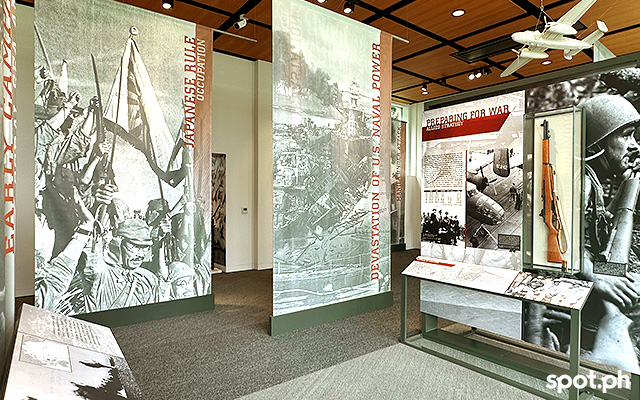
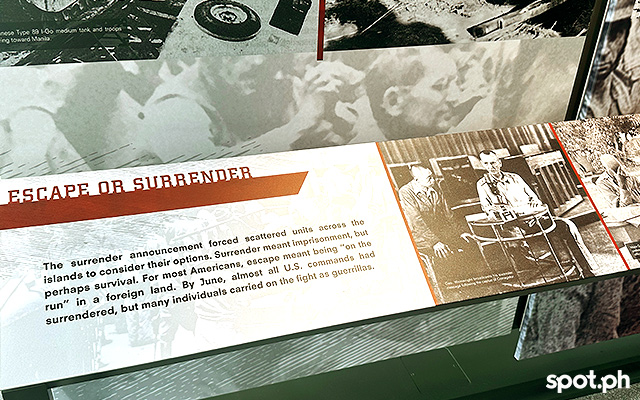
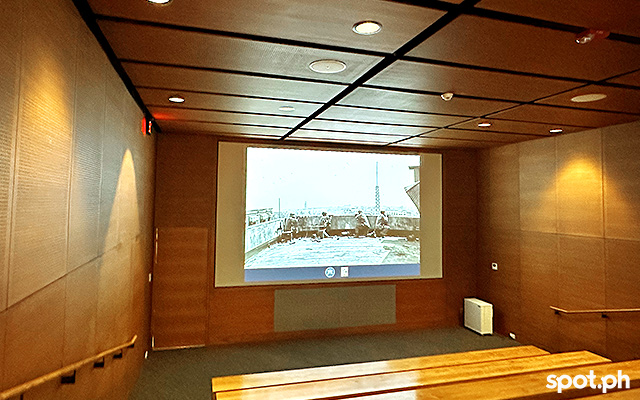
You may roll your eyes and think, "What's new?" After all, we've heard about this so many times in history class: the Battle of Manila and the city's eventual liberation, MacArthur's famous "I shall return," the tales of torture and suffering. But what makes the Visitor Center's presentation more poignant and, dare we say, relevant is how it contextualizes history through the personal stories of the people who lived through the war.
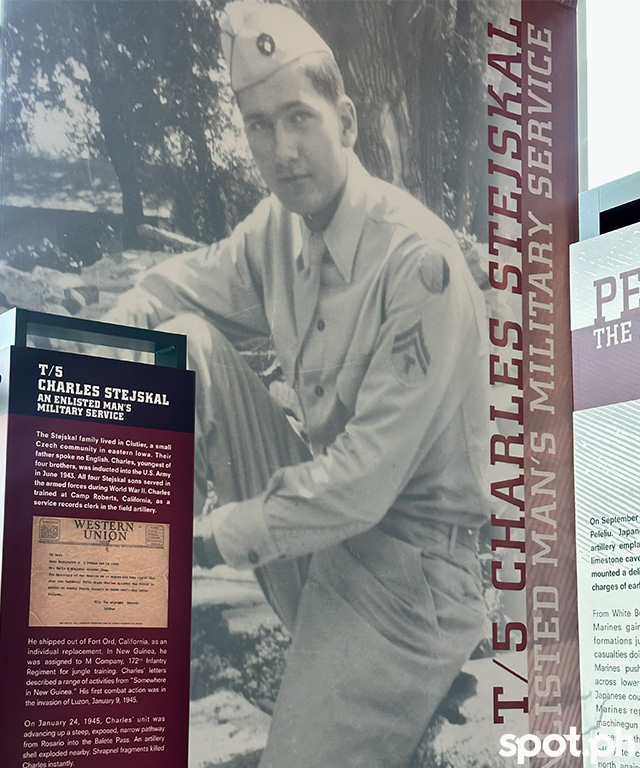
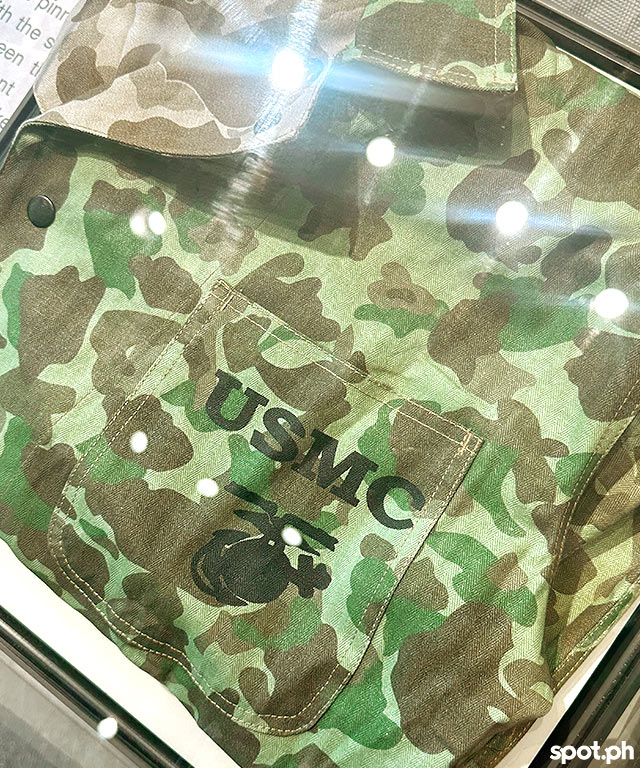
Photos, records, dates, and statistics may be readily available in archives and online, but history isn’t just about information—it’s about connection. The stories that resonate, the lessons that endure, come from engaging with the past in a way that feels real and personal.
"That connection to something tangible [is what makes exhibits like this relevant]," says Lim. "It has to be something you can engage with. For example, asking people: ‘What were your problems at 17 years old?’ Then, telling them, ‘This name on the Walls of the Missing? He signed up at 15 and died just before his 16th birthday.’ That hits people differently,” he adds.
This is something Lim knows all too well. That is, after all, how he got involved in the museum. If his name sounds familiar, Lim's great-grandfather is Brigadier General Vicente Lim, a World War II hero and the first Filipino to graduate from the US Military Academy, a.k.a. West Point. His passion stems from his desire to learn more about his ancestor and find answers about his death. Lim brings this to the forefront anytime he has to conduct a tour. While the director is well-versed in the history and the tidbits about the memorial, once he gets to the bit about the Walls of the Missing and the wall containing his great-grandfather's name, his storytelling becomes more impassioned. History becomes real, and it's more than just a story. it becomes human experience.

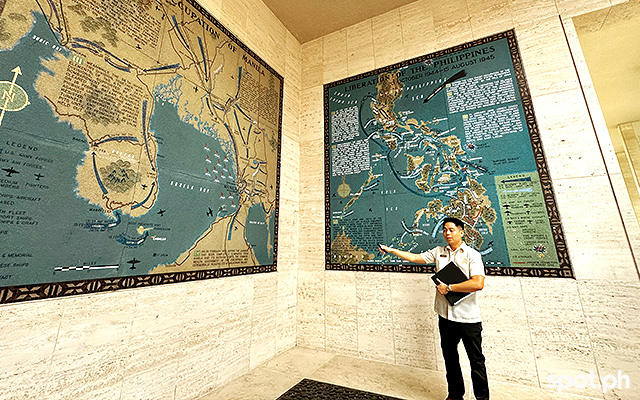
It is this human touch that makes the Manila American Cemetery and Memorial a must-visit. More than just reading about the events, it is through interactions with people like Lim that history comes alive.
This is why we highly recommend going on a tour while you're there. All the staff at the visitor center can take you around, and even if you've gone on one before, each tour is different. Some tours would have a more pop-culture angle, some have a focus on culture, some dwell in battle strategies, etc., The tours' theme and angle depend on the guide, but rest assured all the facts are consistent, and everything important will be tackled.
Other things to do at the Manila American Cemetery and Memorial:
Aside from the permanent exhibits, the well-manicured gardens, and the tours, the Manila American Cemetery and Memorial often hosts temporary exhibitions at the Visitor Center relevant to the context of the Pacific's World War II experience.
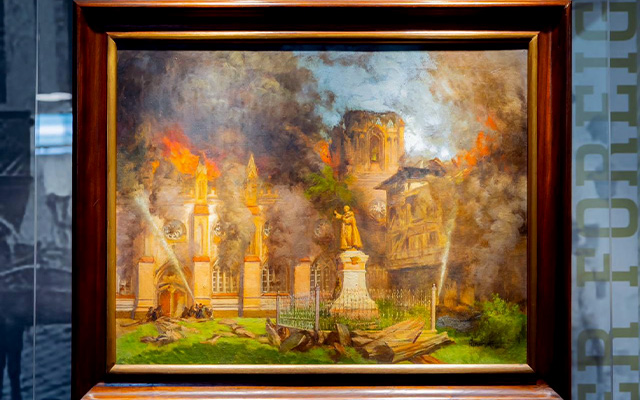
Case in point, if you visit the Visitor Center from now until February 25, you can also view four masterpieces from the National Museum of the Philippines. Dubbed Liberation of Manila: 80 Years of Remembrance Through Art, the exhibit features four paintings from master artists Fernando Amorsolo, Galo Ocampo, Diosdado Lorenzo, and Nena Saguil that depict different scenes of devastation during the war and Manila's resurgence.
See pieces such as the Burning of Sto. Domingo Church, Ruins of the Legislative Building, Ruins of Sales Street, Quiapo, and the Ruined Gate of Fort Santiago on display alongside its historical context, providing a poignant look into the cost of war through the eyes of artists—visual testaments to a time long gone.
As cliche as it sounds, to see is to believe, and while we can never truly see nor go through that part of our country's history ourselves, it is through places like the Manila American Cemetery that we get a glimpse of that past, and maybe teach us and the next generations to not repeat the same mistakes.
The Manila American Cemetery and Memorial is at Bonifacio Global City, Taguig City, within the boundaries of the former Fort William McKinley. It is open daily from 9 a.m. to 5 p.m. Entrance is free. For more information, visit the Manila American Cemetery and Memorial's website.
Also read:
10 Reasons Rizal Park Is Worth Visiting Now
SPOT.ph Roundup: Metro Manila Malls With Open Spaces You Can Unwind In
Hey, Spotters! Check us out on Viber to join our Community and subscribe to our Chatbot.