
LIST: Must-Try Hong Kong Outdoor and Wellness Activities
This travel writer discovers a new side to the bustling region.
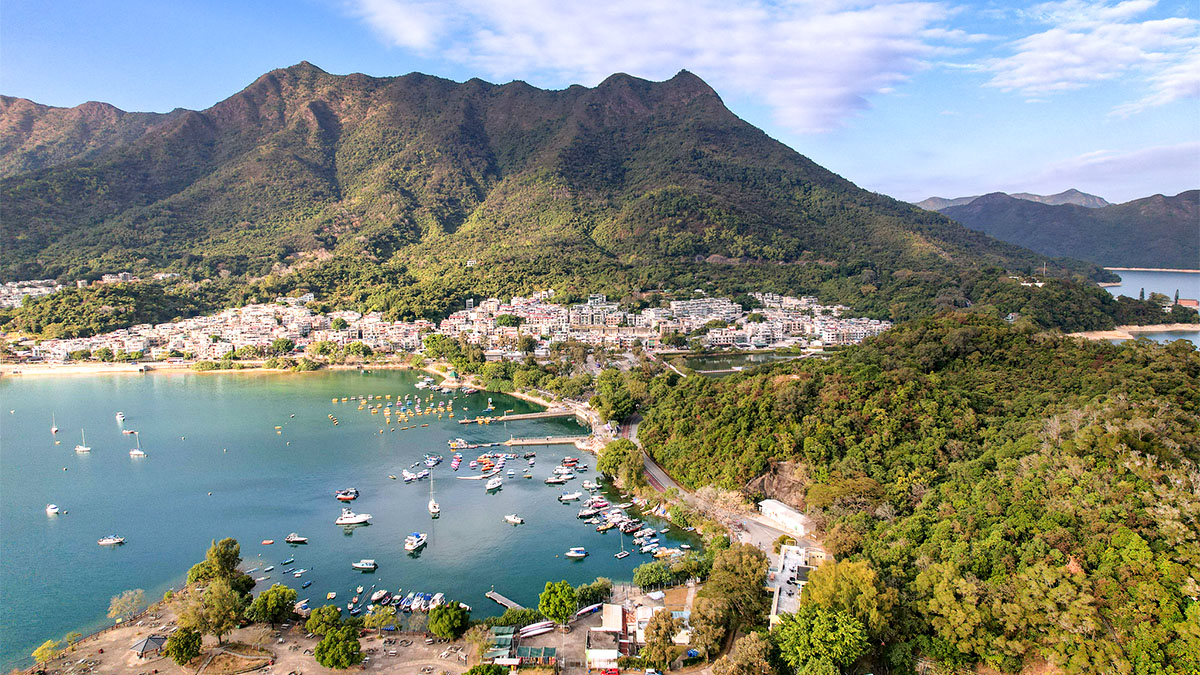
(SPOT.ph) Hong Kong is often synonymous with bustling shopping districts, iconic skyscrapers, and neon-lit streetscapes. For many travelers, it’s a destination associated with retail therapy, gourmet dining, and vibrant urban life. Yet, beyond the towering buildings and commercial hubs, Hong Kong reveals a lesser-known side; a verdant paradise of nature trails, wellness retreats, and cultural experiences that offer a refreshing escape from the city’s fast-paced rhythm.
While most tourists to Hong Kong spend most of their time in giant malls or snaking through narrow alleyways of local markets, we chose a different path during our six-day journey, uncovering peaceful nature spots and activities across the region’s many islands. Here's what we did.
Also read: Filipinos Are Hong Kong's Number One Tourist Market in 2024
Exploring Hong Kong's Great Outdoors
Unbeknownst to many, despite Hong Kong's image as a modern and cosmopolitan region filled with massive concrete structures, Feng Shui-influenced buildings, and high-density neighborhoods, it is also rich in lush green landscapes. This special administrative region still preserves more than 40% of its total land area as green space, covering more than 44,000 hectares, four established nature trails (one of which reaches over 100 kilometers), 24 country parks, and several designated nature parks. Here are some of Hong Kong's green spaces.
Hike Hong Kong's MacLehose trail
Our tour began at the southeastern part of the Sai Kung Peninsula, the easternmost part of Hong Kong's New Territories, to experience Hong Kong’s great outdoors for the first time.
We followed a lengthy route that cut across the High Island Reservoir, providing picturesque views of the blue skies and turquoise waters glistening with crystal reflections. Up ahead, we encountered hikers starting their walk on the side of the road. Little did we know, the real excitement was yet to come.
"I have hiked through Hong Kong's four nature trails, and I'm bringing you to a section of my favorite, the MacLehose trail," says our guide Gabi Baumgartner from Walk Hong Kong, an outdoor company that conducts hiking tours in Hong Kong.
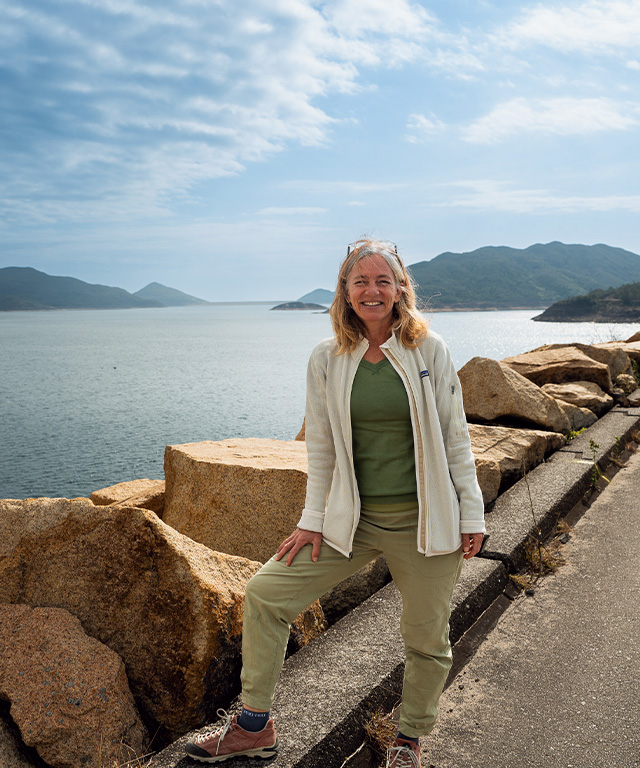
"You can start your hike here, but we're going to begin ours at the East Dam trail, which is still part of the High Island Geo Trail," she adds.
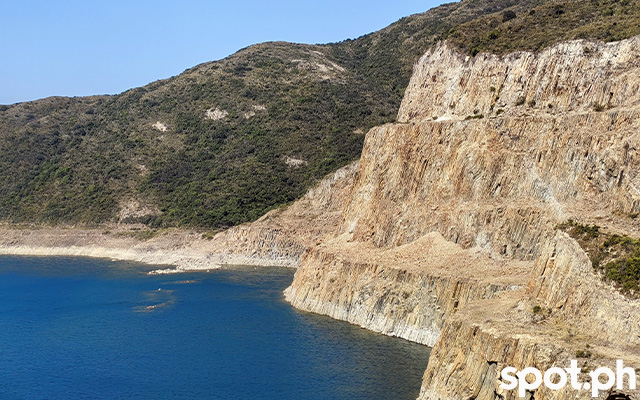
To reach the MacLehose Trail, we had to venture into the heart of Hong Kong's UNESCO Global Geopark. I was left mouthing the word “wow” at the sight of massive piles of hexagonal volcanic rocks beneath a series of columnar rock formations, believed to have formed over 50-150 million years ago.
As we began our ascent up the East Dam trail, even more breathtaking panoramas unfolded in front of us. Walking at a relaxed pace, we reached the Biu Tsim Kok viewpoint. From there, we had a clear vantage point to see the expansive High Island Reservoir, the East Dam Wall, and the remaining section of the MacLehose Trail, which led to the edge of the other island, according to Baumgartner.
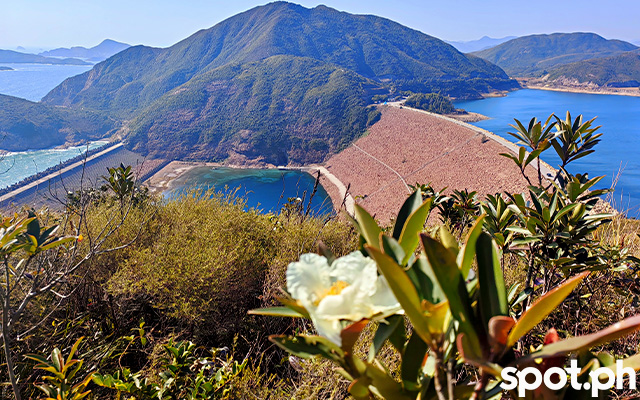

This part of Hong Kong will surely give visitors a newfound appreciation of Hong Kong, beyond the vibrant, neon-lit metropolis it is known for.
Hop on the Dragon’s Back
Our next destination began at the To Tei Wan bus stop and winds to the pristine shores of Big Wave Bay. Nestled along an 8-kilometer trail, the rocky ridges of the Dragon's Back viewing platform offer a breathtaking 360-degree view of the enrapturing Hong Kong countryside, particularly the Shek O Peninsula.
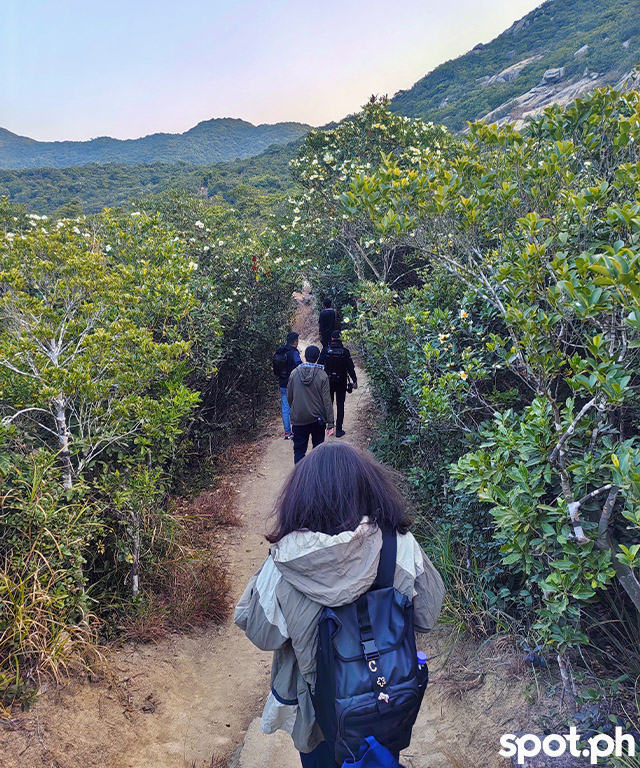
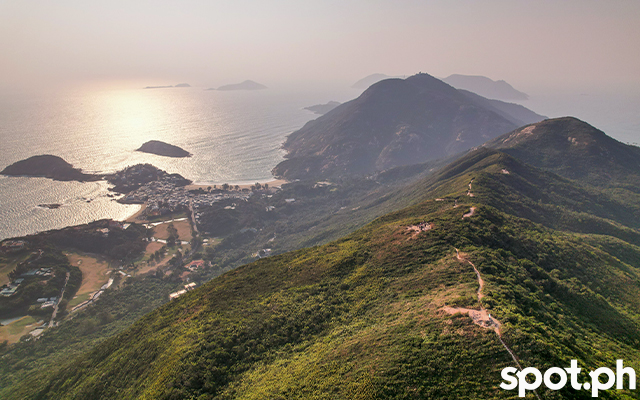
You don't need to walk the entire trail to enjoy this view, but if you do, the paved trail provides steady footing for a leisurely stroll beneath a lush canopy of trees and a vibrant array of flora, with twisted roots weaving their way through the landscape.
A Bicycle Ride with a Dam Good View
After enjoying the Hong Kong countryside on foot, we thought seeing it on two wheels would be wonderful. We rented bikes and rode a scenic cycling path toward Plover Cove Dam. The ride revealed a serene, almost meditative view of Hong Kong’s largest reservoir.
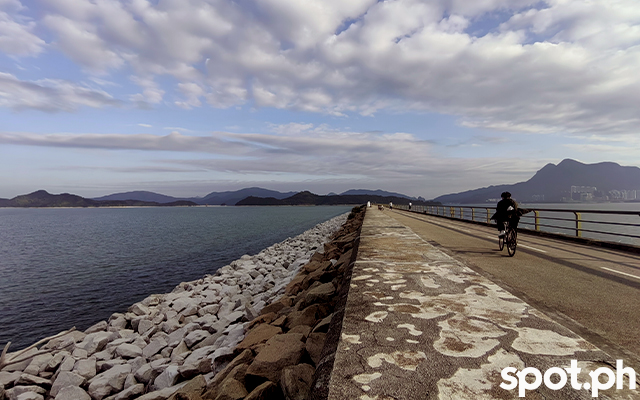
Considered the world’s first freshwater coastal lake, it connects to the ocean through a narrow waterway. A two-kilometer, two-lane road runs atop the dam and seawall, where we found ourselves among a mix of cyclists, joggers, kite runners, and dog walkers, all indulging in a leisurely afternoon amidst the captivating landscape.
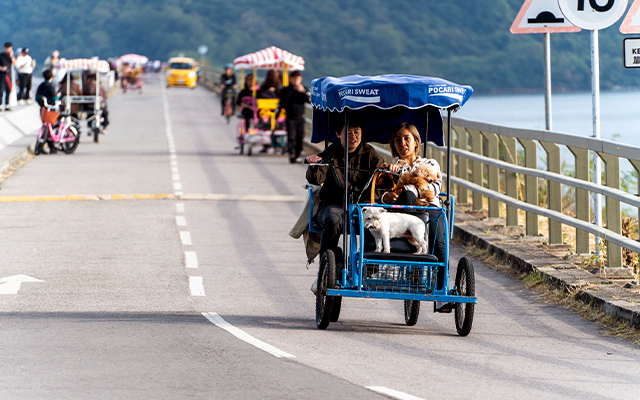
For those seeking more adventure, there's also an 18-kilometer trail that winds around the lake, offering hikers panoramic views of the reservoir from every vantage point.
Getting some much-needed R&R with Hong Kong's Wellness Retreats:
Stop and Bathe in the Forest
Our first foray into Hong Kong's wellness scene taught us one of the fundamental tenets of personal wellness: prioritizing slowing down and indulging in sensory experiences. We did this through forest bathing.
Modern concepts like forest bathing are gaining popularity among nature lovers, offering a means to connect with nature while introducing soulful practices such as meditation. For this experience, we had a forest guide, Amanda Yik. As a certified forest therapy guide, she led us on a lovely and easy stroll along an established mountain trail through the forests of Tai Mo Shan, Hong Kong's highest peak and a popular country park for hikers, bikers, and campers.
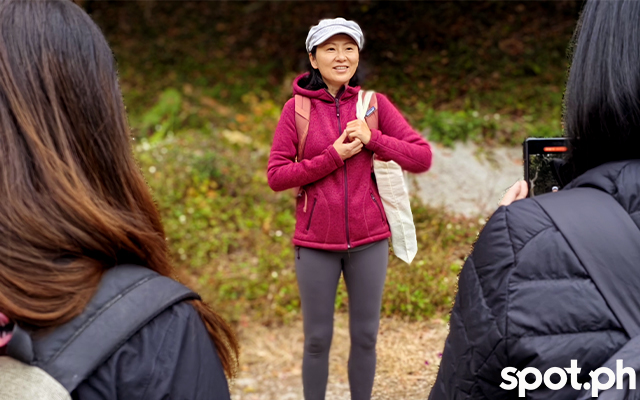
Forest bathing, according to Yik, originated in Japan as shirin-yoku, the Japanese idea of meditating in the forest; it involves stepping out into the wild, breathing deeply, and letting the trees do their magic. “It isn’t just a simple walk-through—rather, it’s a soul-drenched communion with nature,” Amanda tells us. "No Wi-Fi, no rush—just you, the woods, and pure, untamed peace."
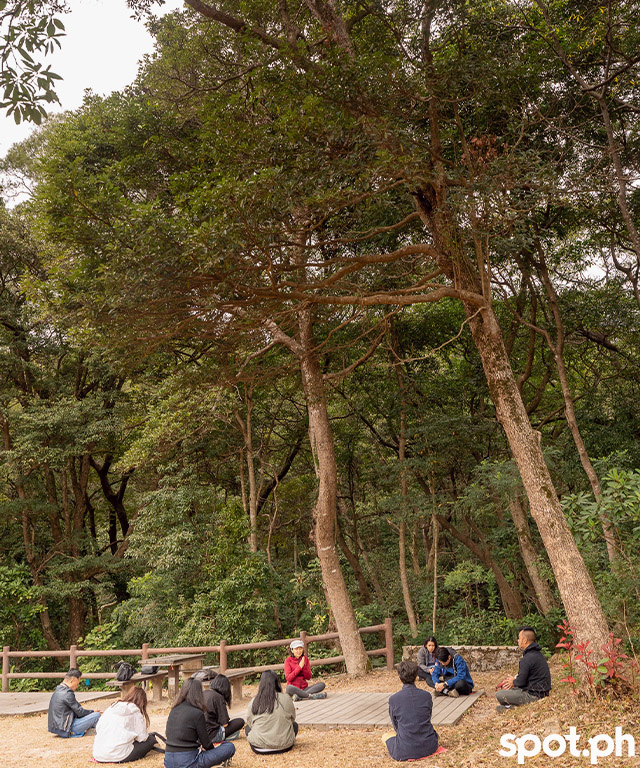
We strolled slowly, frequently stopping to indulge in the "pleasure of presence," as Amanda describes it. During these stops, she extended a "series of invitations" for us to share our appreciation and observations, allowing our group to engage in more meaningful interaction.
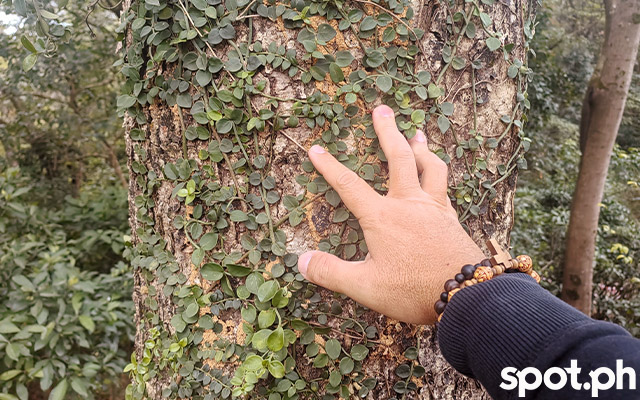
On the last invitation, she gave us a few minutes to roam around so we could “find and befriend a tree.” I picked a nearby tree with a trunk wrapped in vines. Its striking mix of earthy brown and vibrant green drew me in.
Unwinding with the Power of Sound Healing
Next, we embraced some of Hong Kong’s time-honored traditions. First on our list was experiencing the soothing resonance of sound healing.
Fresh from forest bathing and reconnecting with nature, we made our way to another side of Hong Kong Island—Wong Chuk Hang. But this time, instead of towering trees, we found ourselves in the city’s concrete jungle. We made our way up to the 21st floor of a high-rise building and entered Red Doors Studio, a sanctuary above the urban chaos.
We stepped inside a room filled with gongs of different sizes, with the biggest measuring approximately five to six feet in diameter. Martha Collard, the driving force behind Red Doors Studio, greeted us warmly and gently guided us to lie down as she explained what to expect. Collard delved into the nuances of sound healing, focusing on the deep, resonant vibrations of gongs and Tibetan singing bowls. She described its meditative, sleep-inducing effects as a practice that helps energy—chi or prana—flow freely through the body. But Collard’s belief in sound healing isn’t just theoretical. It’s deeply personal. After experiencing a gong bath, she said, her kidney stones dissolved. “I bought my first gongs after that,” she told us.
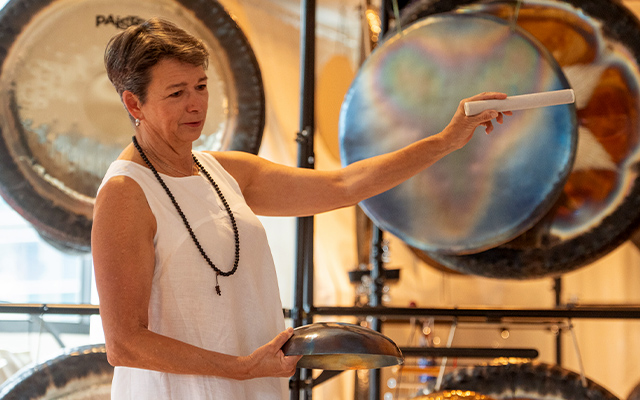
Before Collard guided us into a soothing nap, she demonstrated how each strike of a gong sounds different even if you hit it on the same spot with the same power. This suggests that sound waves do not travel the same way, creating a sound that is always unique.
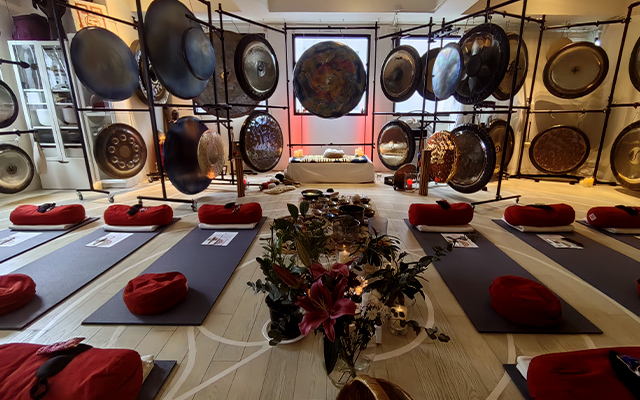
“Gongs are used across cultures for various purposes and, in many cases, as sacred tools,” Collard explained. The effects of a gong sound healing session, she noted, vary from person to person. Some participants report deeper, more restful sleep, while others notice physical benefits, such as improved posture and muscle alignment. For many, the experience goes beyond the physical, fostering a sense of spiritual clarity and overall well-being.
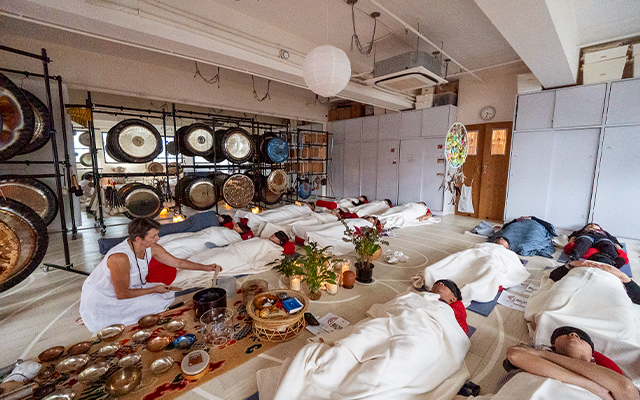
What followed felt like a deep, hours-long slumber, though in reality, only an hour and a half had passed. I only recall the beginning—Collard gently striking a gong, its tone gradually filling the room. The sound carried a soothing familiarity, reminiscent of the lullabies my mother once sang to ease me into sleep.
Winging in some Wing Chun Martial Arts move
Wing Chun is a Southern Chinese kung fu variation. In the 2010s, the Ip Man film series starring Donnie Yen popularized this martial art style. But it gained even more worldwide attention when it was revealed that Bruce Lee was once a student of Wing Chun martial arts master Ip Man-Kai. As a result, the art of Wing Chun surged in popularity, attracting both seasoned practitioners and newcomers eager to learn its powerful techniques.
If you're one of those tickled by the idea of learning Wing Chun, then you must head on to Robin Tsang's gym, located on one of the highest floors of an old building in Tsim Sha Tsui.
Tsang, who learned Wing Chun from Leung Tin, one of Ip Man’s former students, runs the space with a deep respect for the martial arts discipline.
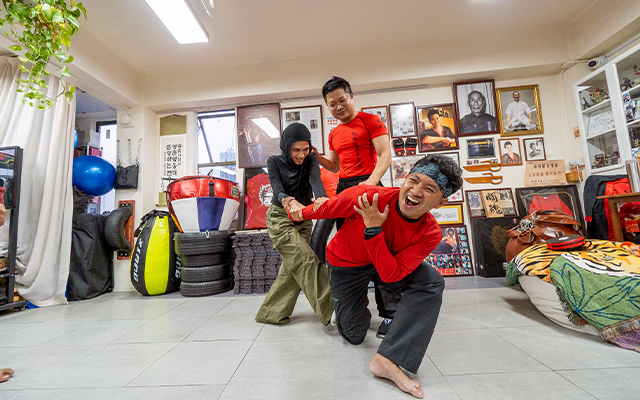
Don’t let Master Tsang's jovial demeanor and wide-eyed smile fool you. Though not particularly tall, his muscular build and swift movements reflect that of an experienced martial artist. This is also evident from his many framed photos with other practitioners and newspaper clippings displayed throughout the gym. But if you're still unconvinced, just watch Tsang demonstrate basic Wing Chun self-defense techniques. The slightest move from him can send anyone tumbling off the foam mat. Oh, what a joy to see a master in action!
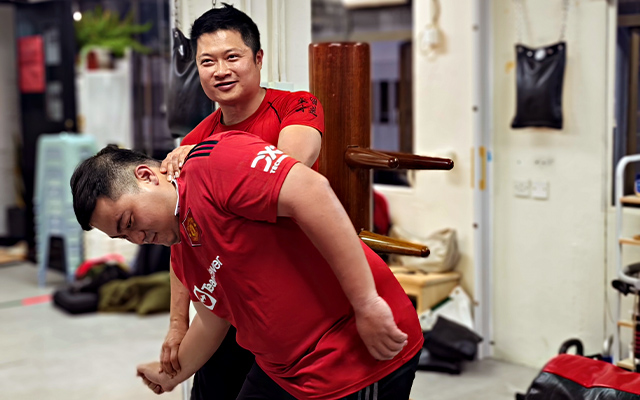
While you can't expect to be at Tsang's caliber by the end of your session, our experience still proved enjoyable and challenging. Mimicking Tsang’s demonstrations of Wing Chun’s fundamental movements is certainly not easy.
A Grounding Yoga Session
After an action-packed martial arts experience, it's time to slow down once again and find another tranquil escape. Nestled in the heart of Lantau Island is an unexpected sanctuary known as the Hideout.
Despite being situated in the busier part of the island, it retains a rural charm, surrounded by rice fields and the island’s gently rolling hills.
We joined Yogi Tina Wojewnik, a foreign expat turned yoga teacher, for a 90-minute Hatha Flow session. Although I had some prior yoga experience, the class still challenged me.
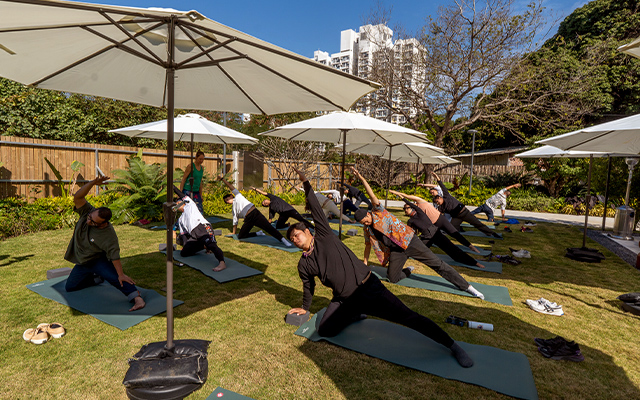
By the end, my body was craving more. I was beginning to understand why so many find themselves drawn to yoga’s transformative power, especially in providing much-needed balance after days of adventures. I highly recommend yoga as a welcome addition to any itinerary, particularly in Hong Kong, where the vibrant yoga community and serene spots like the Hideout offer an ideal setting for wellness pursuits.
Tai Chi in the City
When we weren’t exploring Hong Kong’s outdoors or savoring its mix of local favorites and Michelin-starred dining, we found ourselves immersed in the artistic ambiance of our accommodation—the 42-story Cordis Hotel, which stands right smack in the center of Mong Kok. Lining its hallways, lounges, and lobby were more than 1,500 pieces of contemporary Chinese art, turning the space into a living gallery.
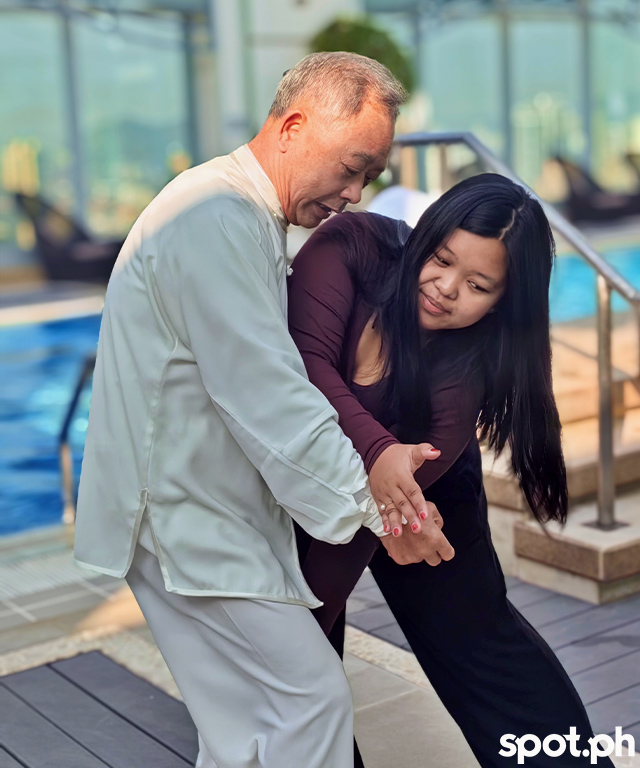
It was also here, on the morning of our departure to Manila, that we had one final experience—a Tai Chi session to close out our trip. Every morning, Cordis Hotel at Langham Place offers a Tai Chi class on its 42nd-floor pool deck, with panoramic views of Kowloon as the backdrop.
Under the guidance of Master Cheunt, we learned the six fundamental movements of Tai Chi Chuan, a martial art known for its slow, deliberate motions. At first, keeping up with the precise flow of his instructions was a challenge. But as he broke down each movement step by step, we found our rhythm, repeating the sequence again and again until it felt almost meditative—a fitting way to end our time in Hong Kong.
Also read: Hong Kong Guide to Under-the-Radar Spots: Sai Kung, Tai O
Hey, Spotters! Check us out on Viber to join our Community and subscribe to our Chatbot.