
Old Meets New, East Meets West: How Macau Gives You the Best of Both Worlds
Perfect for long weekends.
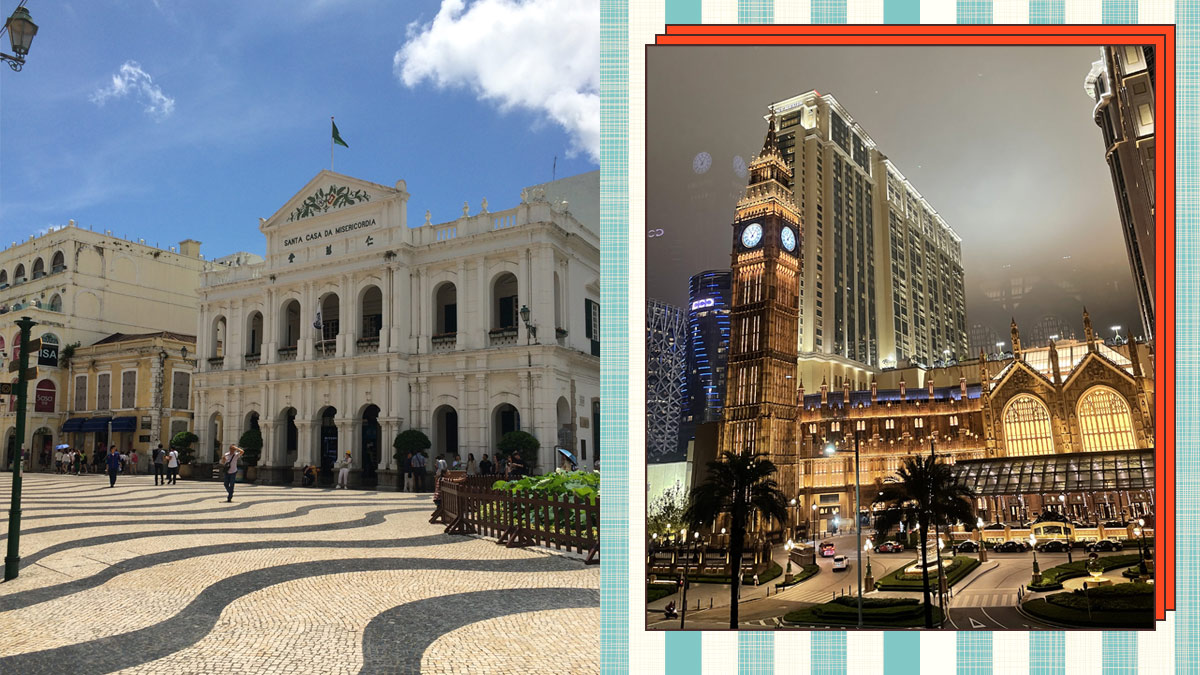
(SPOT.ph) As a tourist destination, Macau finds itself in a rather peculiar situation—it languishes in the shadow of its far more popular neighbor Hong Kong. The country is relegated to a day trip or completely ignored by tourists, and it suffers from being stereotyped as a sin city, a haven for gamblers and their decadent lifestyle.
Peeling the outer surface of this misunderstood peninsula, however, reveals layers upon layers of rich history intertwined with a dynamic presentation that is so much more than just a high roller’s paradise.
Give Macau a long weekend, and you’ll be rewarded with a distinct experience —a coming together of East and West, of Chinese and Portuguese cultures, of the old and the new in a place that’s not quite like any other in the world.
Also read:
The SPOT.ph Guide to Exploring Hong Kong by Train
10 Places to Visit in Hong Kong With Your Significant Other
Check out these things to do in Macau:
Experience the new
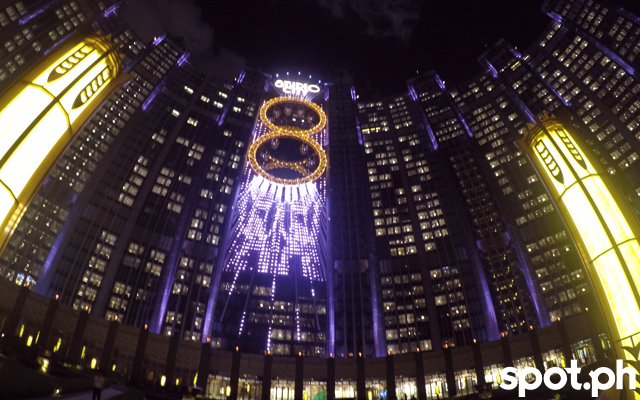
While Macau boasts a rich heritage, it cannot be denied that the famous Cotai Strip—with its gleaming hotels, bright lights, and 24/7 casinos—is the region’s biggest tourist draw. And for a good reason as very few places in the world other than Macau can hotel-hopping be a tourist activity in itself.
Swinging from one hotel resort to another is made more convenient through the free bus shuttles. Some resorts, like the ones owned by Las Vegas Sands Corporation, are even interconnected by elevated bridgeways.
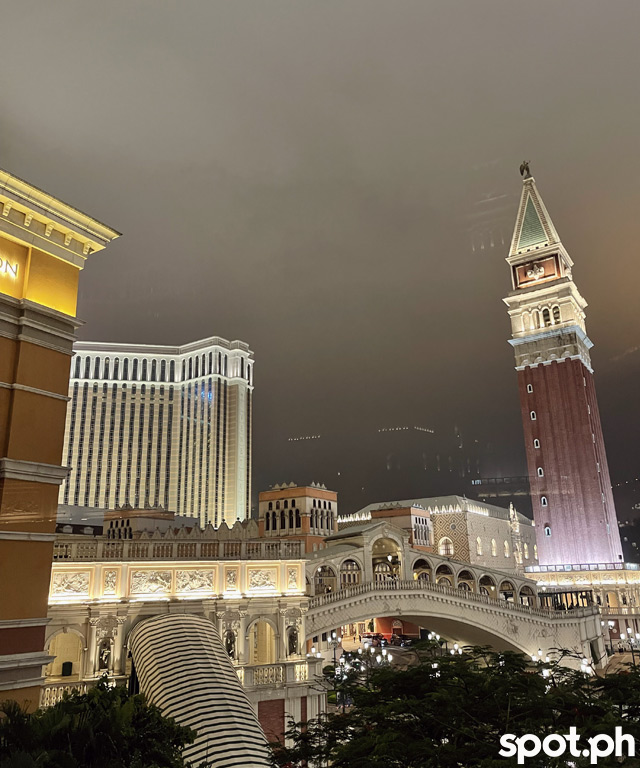
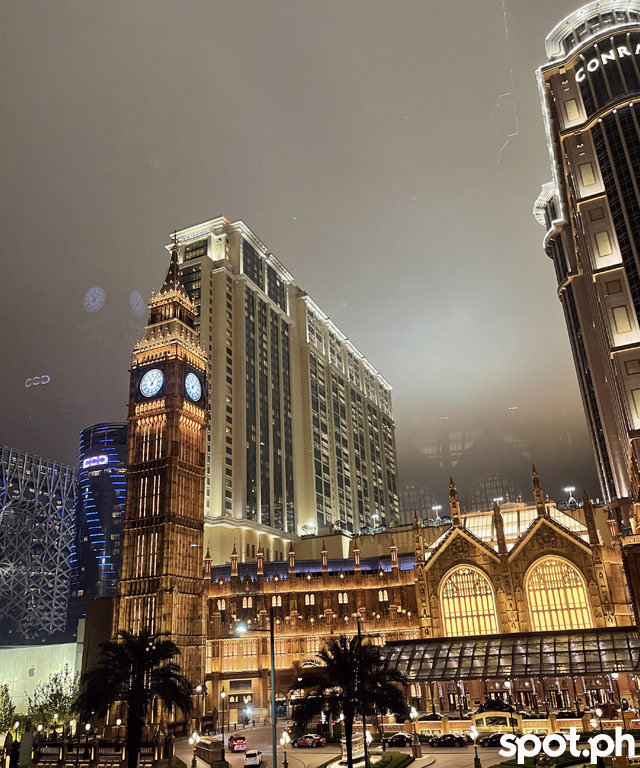
Perhaps the best known among these hotel-slash-entertainment complexes is the European-inspired troika of The Venetian, The Parisian, and The Londoner. Each of these establishments is designed in such a way that they carry influences from the places after which they are named.
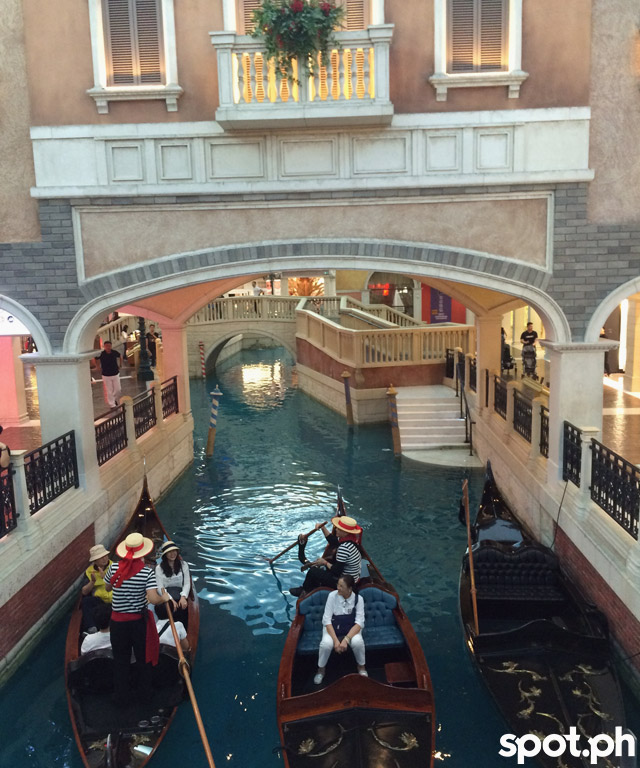
The Venetian, for example, is best known for its replica of Venice’s Grand Canal, complete with gondolas and singing gondoliers. The canal is lined on both sides with luxury shops, boutiques, and designer brands.
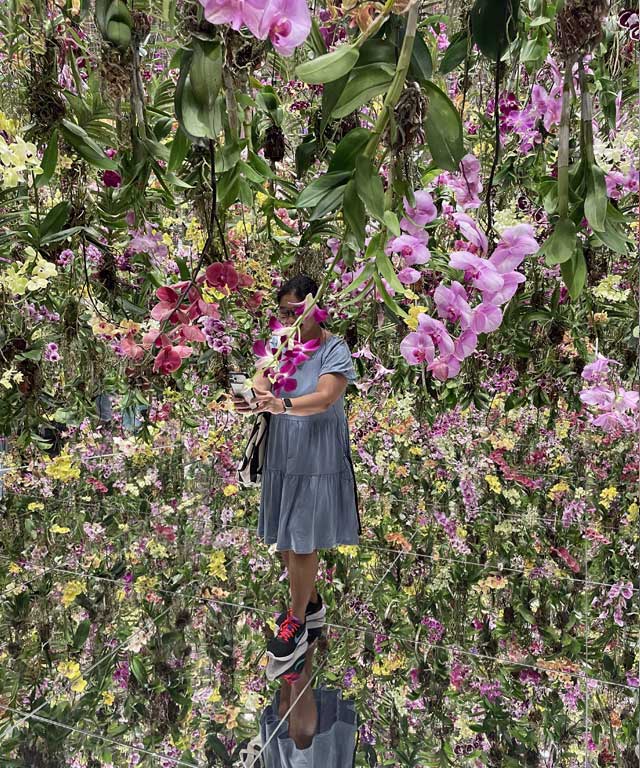
The hotel complex is also home to teamLab SuperNature Macau, which was opened in 2020. But because of the pandemic, it went fully operational only on May 26. Just like teamLab exhibits in other parts of the world, the 5,000-square-meter Macau branch takes visitors into a"complex three-dimensional world" where the boundaries between the human body, nature, and art are blurred.
The Parisian, meanwhile, has an impressive half-scale replica of the Eiffel Tower, which offers breathtaking views of the Cotai Strip and beyond from its observation deck. The integrated resort also houses Macau Qube Kingdom, an indoor family entertainment center that offers a wide range of interactive games, rides, and activities for both kids and adults.
The newest of the three, The Londoner, boasts replicas of London landmarks such as the Houses of Parliament, Tower Bridge, and Buckingham Palace. You can also experience its version of the Changing of the Guard at The Londoner Macao’s Crystal Palace.
Another upcoming attraction is the Harry Potter Exhibition that’s opening in December, as announced during the grand launch of The Londoner last May 25. Described as a “groundbreaking touring exhibition,” it will celebrate the iconic moments, characters, settings, and beasts as seen in the Harry Potter film series.
Despite being a small peninsula, Macau is bursting at the seams with shopping experiences. The biggest of the malls in the region is the Sands Shoppes, home to over 850 duty-free shops with four sprawling interconnected wings including the three hotels mentioned above and Four Seasons.
Four Seasons features luxury brands, The Venetian has high-street stores, The Parisian carries shops that highlight creativity and fashion, while those at The Londoner are more family-friendly. While it has a reputation for being a high-end establishment, Sands Shoppes cater to all kinds of budgets and needs. Don’t be surprised then to see a branch of McDonald’s and Watson’s amid the posh shops.
Other popular hotels in the Cotai Strip are City of Dreams, Galaxy Macau, Studio City Macau, MGM Cotai, and Wynn Palace.
And where there is great shopping, there is also great dining. You can spend several months at the Cotai Strip and still not be able to visit all its dining establishments.
Among the ones we recommend at the Cotai Strip is La Chine, which is right inside the Eiffel Tower replica at The Parisian. This chic restaurant serves excellent French and Chinese cuisine, with their seafood fares taking the limelight.
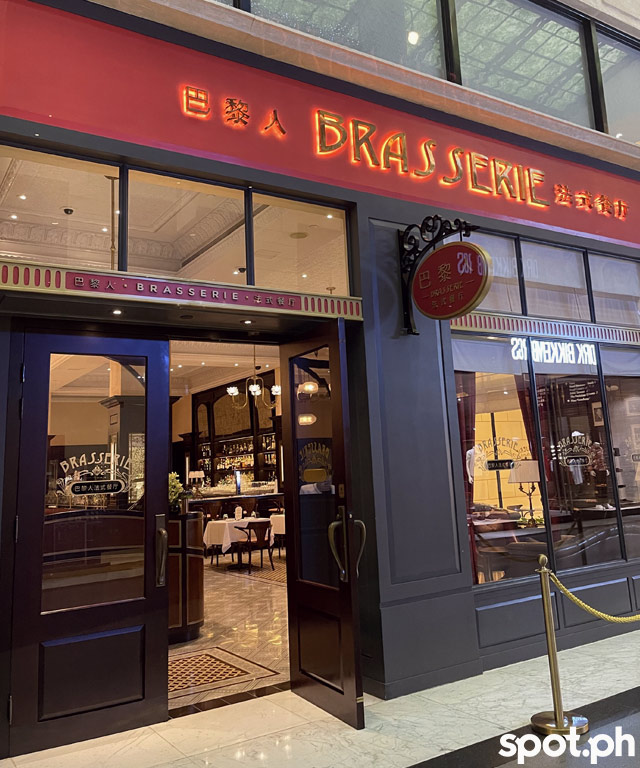
Also at The Parisian is Brasserie, which has on its menu French favorites from escargots to beef bourguignon. We highly recommend ordering the Brasserie’s feuilleté d’escargots aux champignons (escargots in mushroom sauce), served in unbelievably flaky and buttery vol-au-vent (puff pastry).
The Residence at The Londoner offers delectable traditional Macanese dishes for breakfast such as crab congee, egg tarts, and dim sum. Those booked at The Londoner Hotel are entitled to afternoon tea and evening cocktails.
Also at The Londoner is Churchill’s Table, which is perfect for dinner with its selection of high-end steaks, pasta dishes, and delectable desserts. Still at The Londoner is North Palace, which serves Northern Chinese and Mongolian cuisines. Make sure to try its phenomenal roasted Beijing duck and organic Mongolian roasted lamb.
When in Macau, other delicacies you shouldn’t miss are the Anthony Bourdain-approved pork chop bun, milk pudding with ginger, steamed rice rolls, crispy dace balls, and shrimp roe noodles.
Aside from egg tarts, other Portuguese foods you must try when on the peninsula are salted cod cakes, sardines in olive oil, and seafood stews with bread on the side.
Experience the old
A short bus ride from the buzzing hive that is the Cotai Strip can whisk you to a different side of Macau, one that is imbued with a rich and deep history, both Chinese and Portuguese, with the latter bequeathed to it by its colonial past.
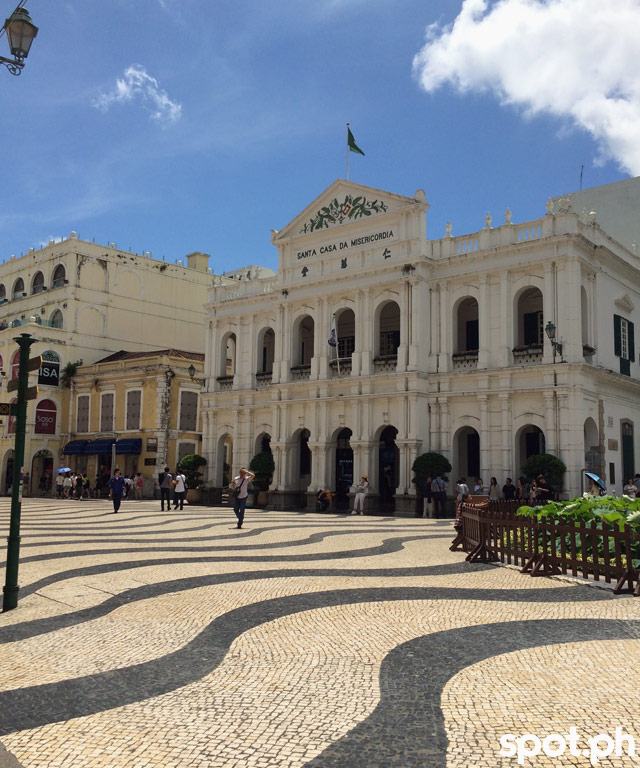
Perhaps the best known of these sites is the Largo do Senado, Macau’s main square. In 2005, the area, known as the Historic Centre of Macau, was named a UNESCO World Heritage Site, with its eight squares and 22 historic buildings.
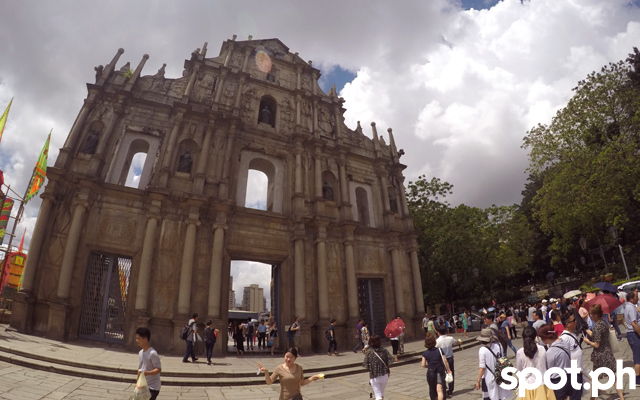
The historic center is dominated by the Ruins of the Church of St. Paul and its dramatic façade. Also known as the “Gate to Nowhere,” the church was built in the early 17th century by the Jesuits. In 1835, a fire razed it to the ground, except for the ruins that still stand on its site.
Pro tip: Many of the heritage sites are free for seniors over 60 and children under 11, just ask at the entrance.
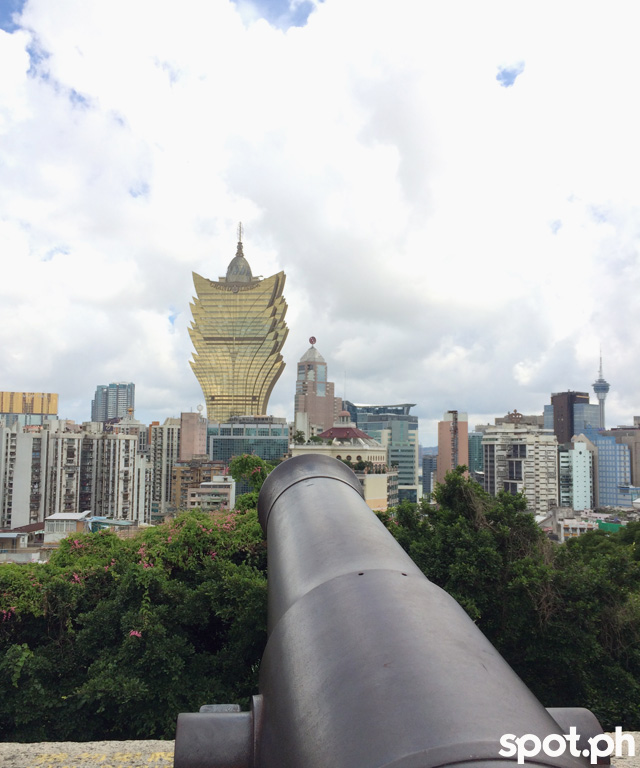
Surrounding the square are other heritage structures like the Church of St. Dominic, Lou Kau Mansion, Monte Fort, Macau Museum, and Nga Tcha Temple.
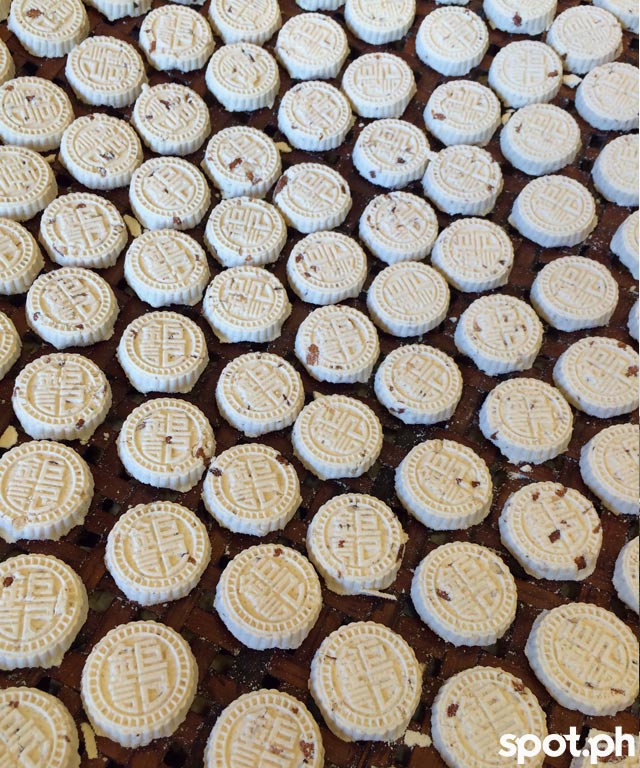
Don’t forget to buy some keepsakes at the shops near the steps. Also being sold in the area and nearby streets are famous Macanese delicacies like pork jerky, egg rolls, and almond cookies—which all make for delicious pasalubong. Another pro tip: Most shops offer free tasting, and before you know it, you’re already so full from all the complimentary bites that you might not need to eat lunch anymore.
Got some extra time and energy? You can head southwest from Largo do Senado, making your way to the alleys toward the Inner Harbour. You can make a brief stop at the Mandarin’s House, built around 1869 with over 60 rooms. It used to be the ancestral home of a famous author-merchant whose readers had included emperors, Sun Yatsen, and Mao Zedong.
You can also swing by St. Joseph’s Seminary & Church which is one of Macau’s best examples of “tropicalized” baroque architecture. Its lovely white and yellow façade and scalloped entrance canopy make for Instagrammable shots.
Other nearby points of interest are the 16th-century A-Ma Temple, which predates pre-colonial Macau, and the Moorish Barracks, a neoclassical structure that housed Muslim Indian policemen from the southwestern Indian state of Goa.
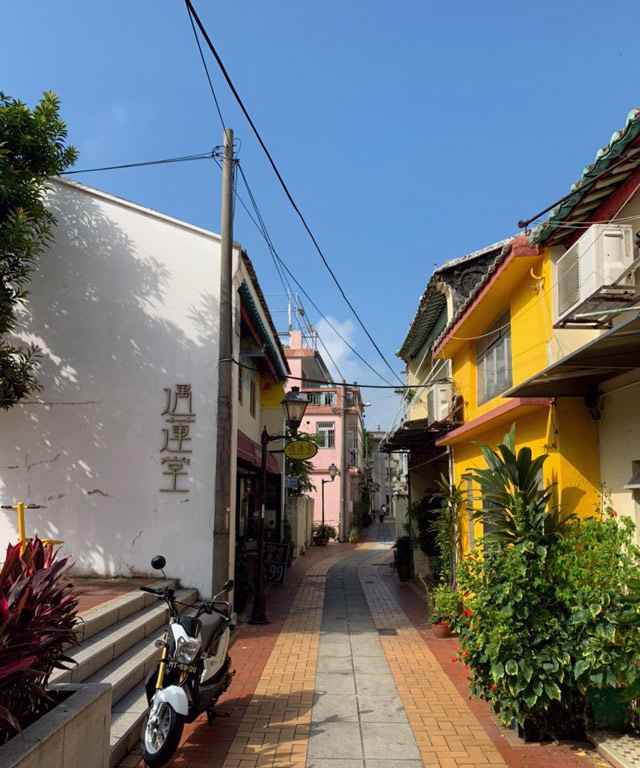
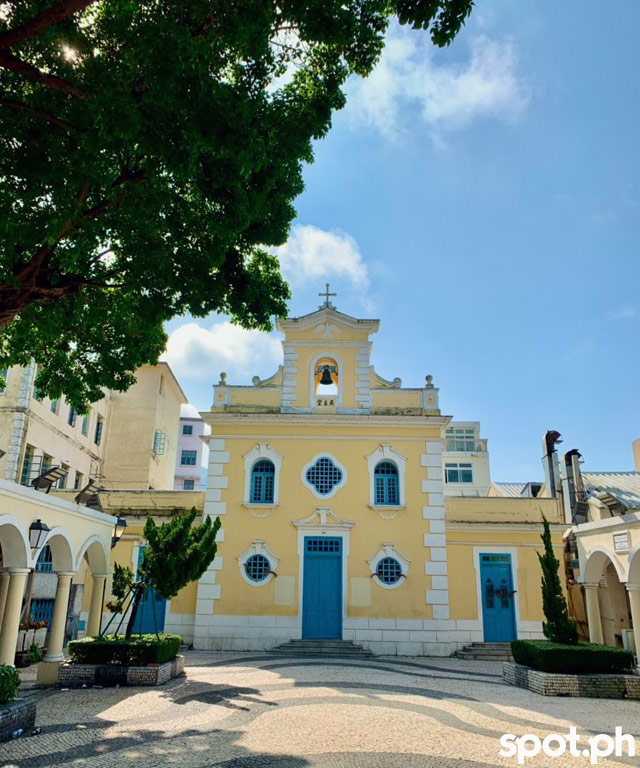
Also, a short ride away are two Macanese islands: Coloane and Taipa. You can spare a day exploring these two quiet and quaint places that are a welcome breather from the more touristy areas of Macau.
Spend the whole morning on the island of Coloane, which is known for its tranquil atmosphere and charming streets. Start your day with some pastéis de nata or egg tarts at Lord Stow’s Bakery along Rua da Tassara, undoubtedly Macau’s best-known delicacy that has Portuguese origins. The bakery is named in honor of Andrew Stowe, an English baker who lived in Macau.
Once you’ve had your fill of yummy egg tarts, have a leisurely stroll past the village's collection of colonial architecture. Make sure to visit the Chapel of St. Francis Xavier and Tam Kong Temple.
We recommend having lunch at Restaurante Fernando, quite possibly the most popular restaurant on Coloane and is known for its fresh seafood dishes.
After lunch, you can make your way to Taipa and spend the rest of the day there. Like Coloane, this island is famous for its narrow streets, traditional houses, and vibrant culture. Set aside an hour at the Taipa Houses-Museum which has pastel-coloured villas from the 1920s that served as the summer hideaways of wealthy Macanese.
Other memorable sights on the island are the Church of Our Lady of Carmel, Pou Tai Temple, and Pak Tai Temple, where Cantonese opera performances take place once a year.
You can end your day with a quiet stroll around the Taipa Village, a well-preserved community dotted with traditional Chinese shops, colonial villas, churches, temples, and some excellent restaurants where you can have dinner. Its Avenida da Praia, a tree-lined esplanade with wrought-iron benches, is ideal for a relaxing late afternoon walk.
Whether experiencing the old or the new, the East or the West, Chinese or Portuguese culture, and other binaries, Macau indeed lets travelers experience the best of both worlds. It’s like traveling to two countries in one trip—if you know where to go.