
Sapporo Travel: Things to Do in and Around Hokkaido's Capital
Snow, sweets, and more.
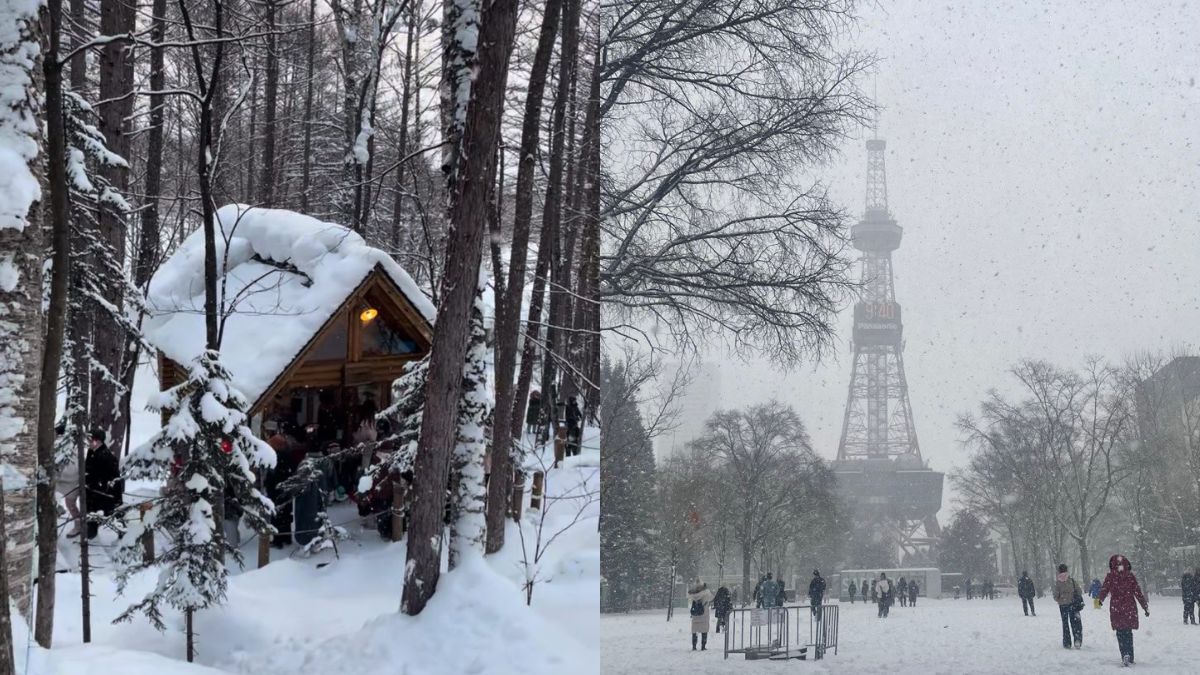
(SPOT.ph) Ahh, Sapporo. It was love at frost sight, from the icy white city that greeted us as we stepped off the plane to the serene vision of snow gently falling in the woods. Japan is always a good idea, but if you’ve already seen the best of Tokyo, Osaka, and Kyoto, then perhaps it’s time to venture north onto Hokkaido. The country’s northernmost island prefecture is famous for being a cold-weather destination, with snow bunnies flocking to snow festivals and ski slopes throughout the winter months.
Now that Cebu Pacific is flying directly to Sapporo—the only airline with direct flights from Manila to Sapporo—it’s so much easier to make the journey to this winter wonderland. And once you’re there, you’ll find out: Hokkaido and its capital are so much more than just winter attractions. Sure, there’s something magical about the island’s snow-covered landscapes. But the magic is there no matter the time of year: spring’s cherry blossoms, summer’s lavender fields, and autumn’s flame-colored foliage are as picturesque of a sight as winter’s glacial scenery. Two weeks after Cebu Pacific took us on our first trip to Sapporo, we’re already planning our next trip back; next time, during spring, summer, and autumn.
Also read: Guide to Japan's Toyama Prefecture: What to Do and Where to Eat
Getting to Sapporo
Travelers fly into Sapporo through the New Chitose Airport. For Filipinos, it’s easier than ever to visit Sapporo with Cebu Pacific’s direct flights from Manila to Hokkaido three times a week: Tuesdays, Thursdays, and Saturdays. So, plan your trip around these flight dates. Personally, our six-day trip was a good amount of time for a first-time trip to Sapporo—long enough to get a taste of what the city has to offer, but not too long to get sick of the freezing cold.
The flight itself is approximately five hours, with the return journey taking around an hour longer. (That’s only about two to three movies, plus a nap!) Upon arrival at New Chitose, a quick train, bus, or car ride will take you to the Sapporo center. Just keep in mind that Sapporo is one hour ahead of Manila, so adjust your watches accordingly.
Things to do in and around Sapporo, Hokkaido
As of writing, the flight from Manila will likely land at New Chitose Airport around 5:30 p.m., leaving you with roughly five full days to explore. Don't worry, though; that's plenty of time to enjoy the highlights of Hokkaido. We were a few weeks too early for the famous Sapporo Snow Festival, but it's far from being the city's only attraction. Below, we’ll share some of the other unique experiences that make Sapporo so memorable for travelers.
Explore the iconic sights in Sapporo City
Odori Park and Sapporo Clock Tower
First on any Sapporo itinerary is Odori Park, a sprawling park smack dab in the heart of the city. This outdoor attraction offers year-round appeal, with nearly a hundred varieties of trees bursting into bloom and lively beer gardens popping up during the warmer months.
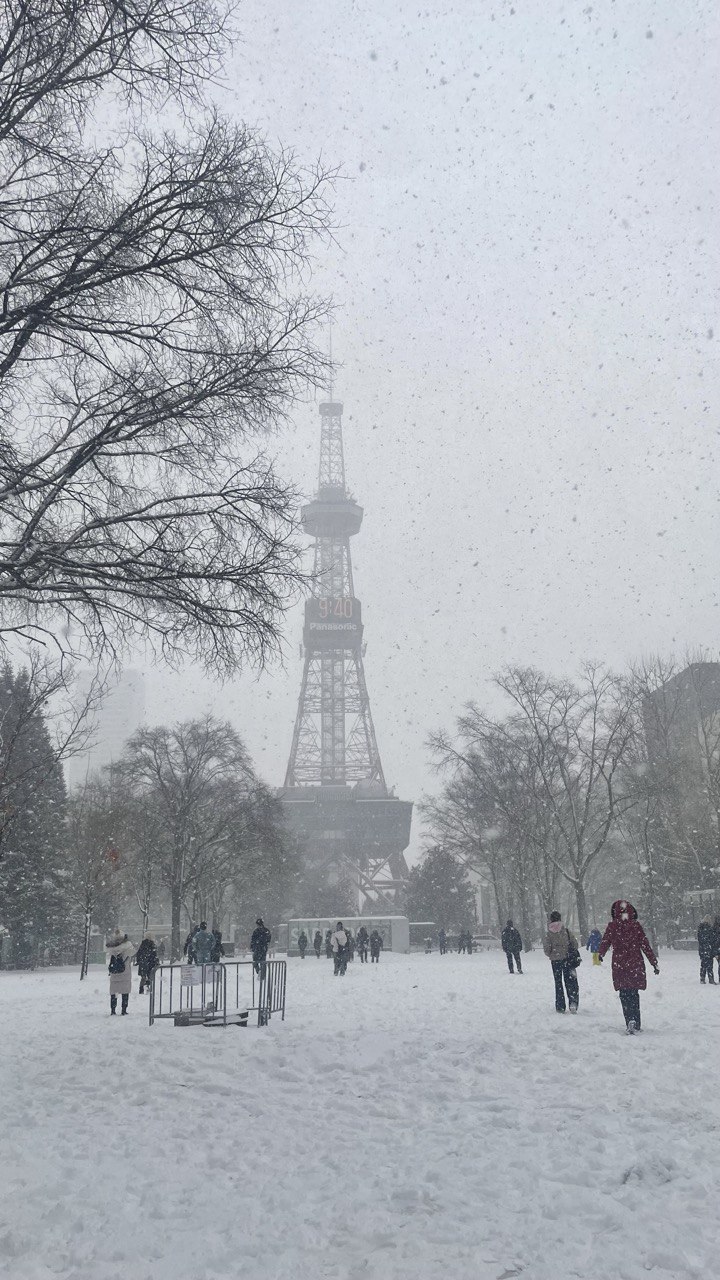
But our trip to Sapporo unfolded in winter when there were snow flurries instead of vibrant flowers. That day, we experienced the heaviest snowfall of our six-day trip, with delicate snowflakes dancing around us as we tried not to slip on ice. Fellow travelers seemed as captivated by the wintry sight as we were; around us, people were snapping photos on their cameras, twirling beneath the gently falling snow, and even lying on the cold, fluffy, snow-covered ground. In February, Odori Park also becomes the main site of the Sapporo Snow Festival.
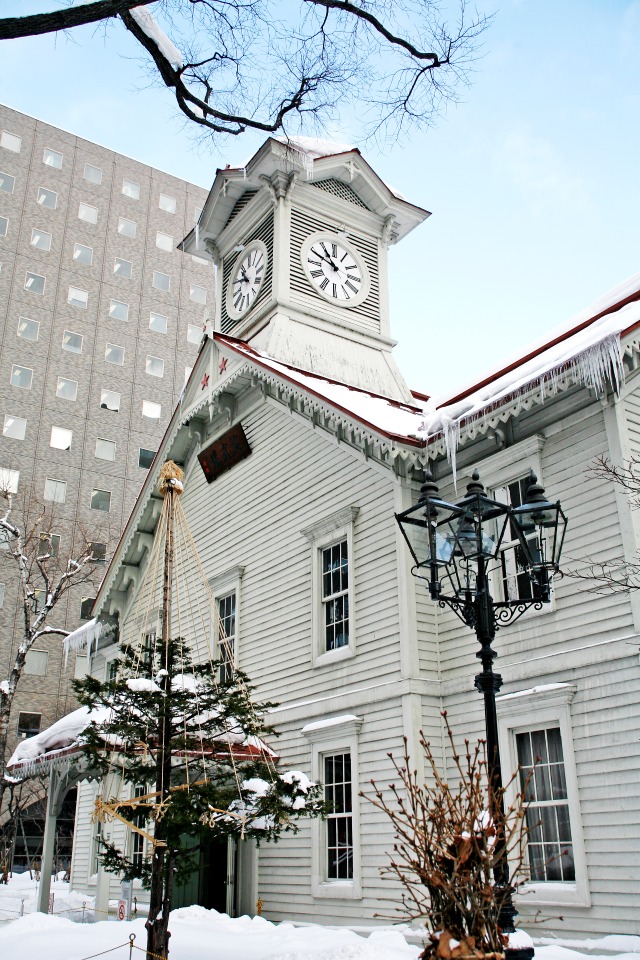
Just a short stroll from Odori Park is the Sapporo Clock Tower. The quaint wooden structure is famous for housing the oldest clock in Japan, which was built in 1878 as a hall for Sapporo Agricultural College (now Hokkaido University). More than a hundred years later, the now-iconic clock continues to tick down the hours for passers-by. Curious tourists can also browse the exhibits inside the two-story building to learn more about the Sapporo Clock Tower.
Sapporo Beer Museum
Drinks usually come at the end of the day, but nothing's keeping you from enjoying a pint early when you're on vacation. Sapporo Beer Museum opens at 11 a.m., just in time for a refreshing glass of Sapporo's finest lager for lunch. But before you make a beeline for the bar, we recommend taking a stroll around the three-level museum first to learn about the storied history of beer in the city.
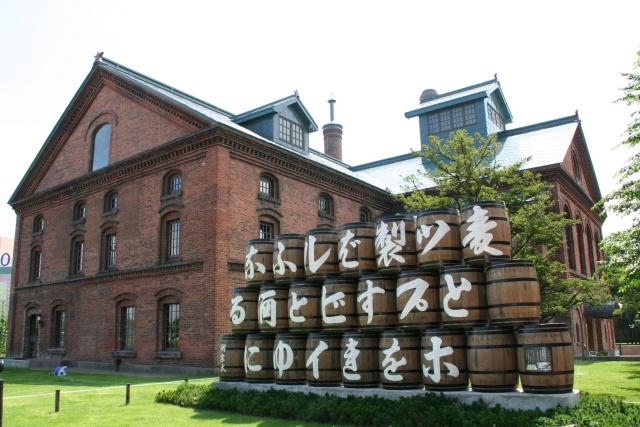
A pioneer in Japanese brewing, Kaitakushi Beer Brewery spearheaded the beer industry in Hokkaido with the completion of its two-storey wooden brewery in 1876. Japanese brewers trained in Germany to master the craft of beer brewing, and their dedication paid off, with Sapporo Beer earning a glowing reputation among beer aficionados for its smooth, malty flavor.
The self-guided tour of the museum will run you through the company's fascinating history, from the iconic star logo and traditional brewing methods to the complex mergers and splits that went on in the mid-20th century. One of the most interesting parts of the museum was also the wall displaying colorful ads of Sapporo Beer, which showcased its evolution from the painted ads of the Meiji Period to modern celebrity endorsements.
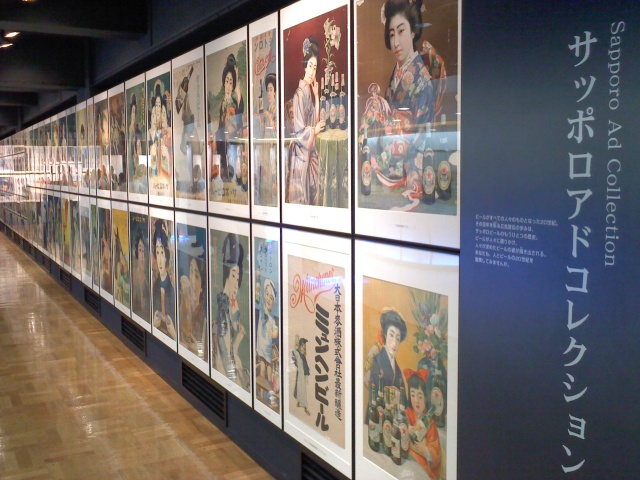
After the quick tour—which should only take around 30 minutes, depending on your pace—it's time to sample the famous golden-hued lager on the ground floor. Expect a queue for beer and tables, and keep in mind that the staff is quite diligent about ensuring that only those ordering a drink enter the seating area. If you're opting to stay off alcohol, getting a juice allows you a moment to relax with beer-loving friends.
In a nearby building is the Sapporo Beer Garden, a sprawling wooden hall that serves grilled meat and draft beer. The food hall's specialty dish is lamb grilled on a metal skillet right on the table—a delicacy that's affectionately called Genghis Khan.
Royce Chocolate Town
When in Hokkaido, it's always best to leave room for dessert. After all, the prefecture is known for producing high-quality dairy that's ideal for making rich, creamy chocolate and other yummy confections. Here, you'll always have decadent Japanese chocolate brands practically within reach. For instance, did you know that the world-famous Royce originated in Sapporo? If you're a chocolate lover, then a trip to Royce Cacao & Chocolate Town is a must in your Sapporo itinerary.
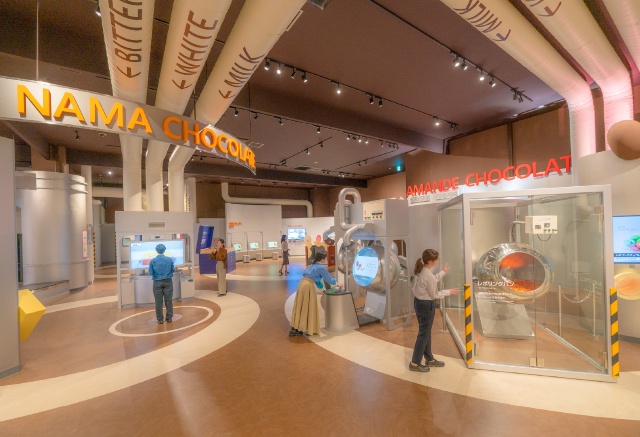
A self-guided tour allows visitors to explore the entire facility, starting from the third floor and going down. Enjoy a bird's eye view of the cocoa bean factory and peer at fun equipment simulations that illustrate how ingredients transform into our favorite chocolate bars. Informative exhibits throughout the tour provide deeper insights, including the Cacao Farm Zone, which showcases the operations of Royce's cacao farm in Colombia, South America. Interactive games in the second floor's Play Area offer a fun way for kids and adults to engage in chocolate production, while the Chocolate Workshop actually lets visitors craft their own chocolate bar as a one-of-a-kind souvenir. (The latter has an additional fee of JYP1,500 per participant, regardless of age.)
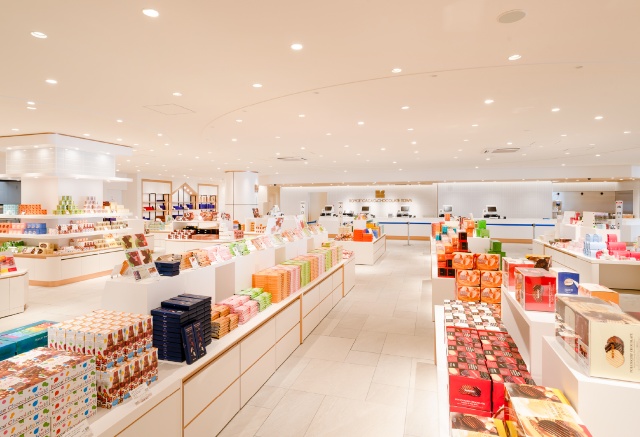
Royce Cacao & Chocolate Town is bigger than one would expect, and there's plenty to do and see. However, if you're only there for the chocolates, leave plenty of time to browse the gift shop on the ground floor. You can't go wrong with any of the products, from the iconic round Royce chocolates to melt-in-your-mouth Nama bars. Remember to keep an eye out for Hokkaido-exclusive boxes, too.
Before leaving the facility, sample a chocolate-flavored version of the soft serve ice cream that's so famous in Hokkaido. The chocolate soft serve at Chocolate Town is made of Royce farm-to-bar chocolate. And yes, even in the chilly winter season, soft-serve is a pleasant dessert. (Although we recommend enjoying it indoors, out of the snow flurries and negative-degree weather.)
Shiroi Koibito Park
Sapporo sweets are truly a delight, especially the iconic Shiroi Koibito. This milky butter cookie with a white chocolate filling, whose name directly translates to "White Lover," is a local favorite. (There's a version with a milk chocolate filling, too, for a less sweet option.) Made by Japanese confectionery company Ishiya, it's not as widely circulated around the world as Royce, so it's best to sample it and stock up when you're in Hokkaido. While the cookie is available throughout the prefecture, the aptly named Shiroi Koibito Park provides the perfect setting to savor this delicious treat.
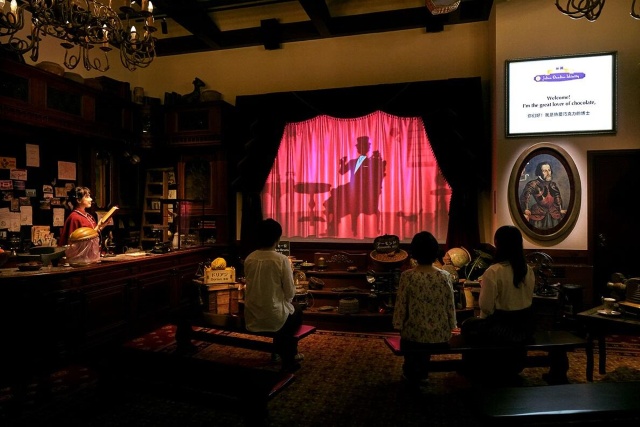
The sweets-themed park is heavily inspired by whimsical European villages—even though our tour group visited in mid-January when it was already well past holiday season, it feels like it's always Christmas at the Shiroi Koibito compound. The clock tower rings every hour, setting in motion a charming 10-minute show in the main square. Music wells up as windows in the Tudor-style brick buildings open, revealing automated larger-than-life human and animal figures performing to the delight of the crowd: chefs sway to the beat, snowmen pop up, and bears, storks, and rabbits parade with instruments up in the tower.
In between shows, explore the Tudor House for an immersive experience behind the scenes of the iconic chocolate cookie. This part of the complex requires a fee; as a bonus, each ticket comes with a complimentary Shiroi Koibito cookie for a taste of what the building is all about. Inside, the Tudor House exudes timeless whimsy—a little bit of what we imagine Willy Wonka's chocolate factory might have been if it were real. There are vintage displays, interactive exhibits, a short film on the Ishiya history, a small arcade, a cafe, and the large Picadilly gift shop filled to the brim with sweets. Boxes of Shiroi Koibito come in all sizes here, with a few even housed in pretty cans that are only available at this park.
Historical Village of Hokkaido
Bundle up; the Historical Village of Hokkaido (Kaitaku-no Mura) gets very cool in the afternoon, figuratively and literally. The attraction, spanning 54.2 hectares, features a total of 52 buildings, so expect to spend a good amount of time exposed to the cold, especially if you visit later in the day like we did and temperatures have dropped well below freezing. By the time our group huddled back inside the van for the drive back to our hotel, all of us had freezing hands, noses, and feet.
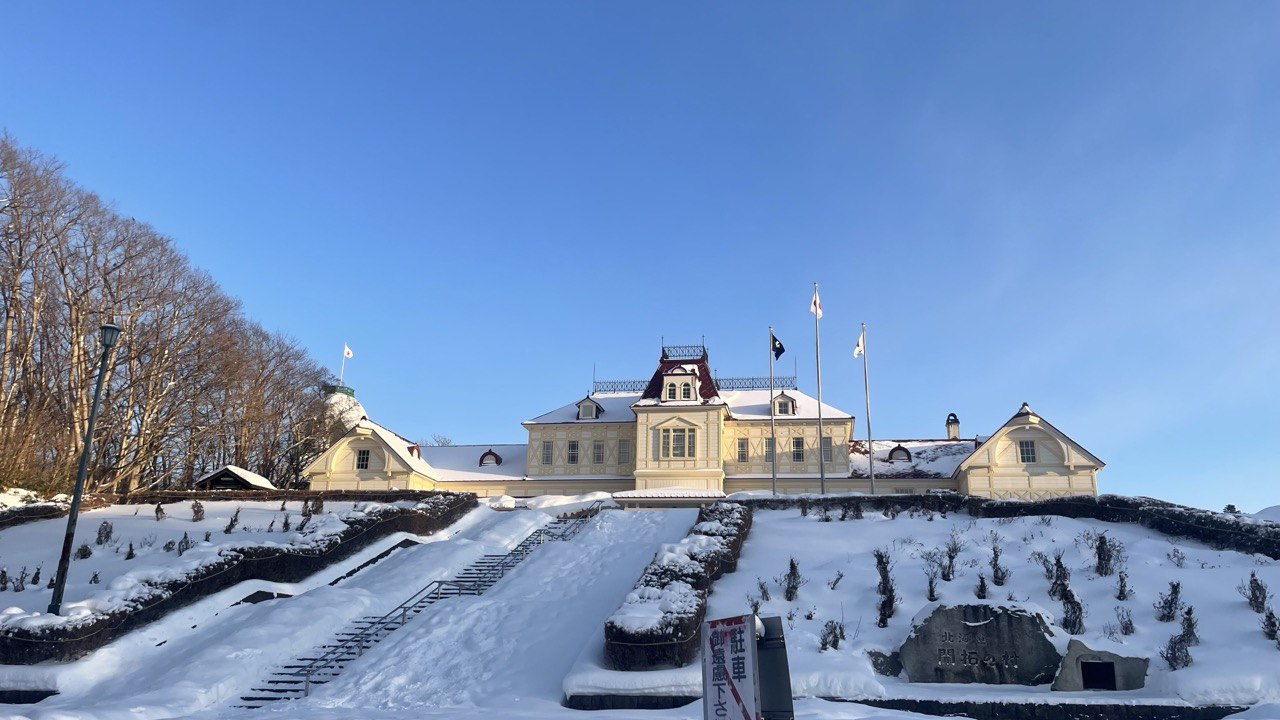
Cold as it may be, the historical village is much too fascinating to skip. The open-air museum is home to restored buildings from around Hokkaido, offering a glimpse of what life was like during the Meiji and Taisho periods. Even the entrance building of the museum is a reproduction of the American-style Sapporo Station built in 1908. Stepping behind the station, we found ourselves in a charmingly wintry scene at the Entrance Square. A small mound of snow stood in the center, with rustic wooden sleds piled at the base. (And yes, I couldn't resist dragging one to the top for my first-ever sledding experience!)
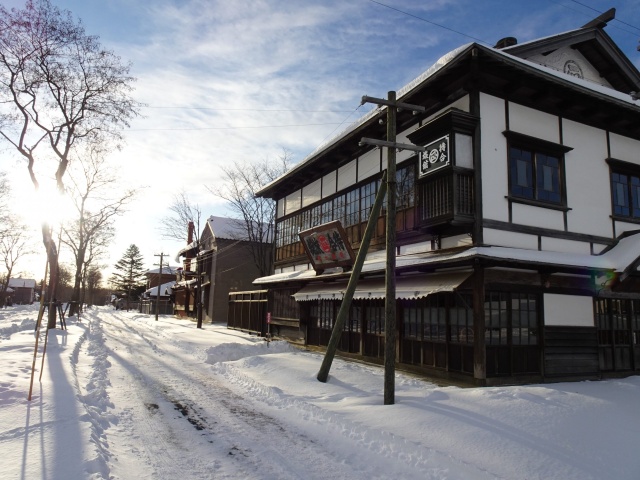
Four villages make up this vintage museum: the Town, Fishing Village, Farm Village, and Mountain Village. Inside each of the 52 buildings in these villages are a meticulously recreated milieu of life in the past. There's a post office, a police station, a clinic, a temple, a Shinto shrine, a church, grocery stores, farmhouses, school buildings, and more. A peek inside the Takei Sake Brewery, for example, shows the tools used to make sake over a hundred years ago.
Depending on the season, you can explore the village by horse-drawn transport. In winter weekends and holidays, horse-drawn sleighs offer rides, while in summer, horse-drawn streetcars take their place. However, it's also possible to look around on foot. Some tourists even rent traditional straw boots to tramp around the Historical Village of Hokkaido. Pro tip: If the chill gets too much (as it undoubtedly will), just pop inside one of the buildings to warm up for a few minutes.
Stroll the charming streets of Otaru
Otaru Canal
One day in the harbor city of Otaru isn't quite enough to see everything that it has to offer, but it's still a worthwhile day trip if your Hokkaido itinerary has the space for it. The artsy, scenic city is less than an hour away from Sapporo by train—an easy enough commute if you're curious about what's beyond the capital.
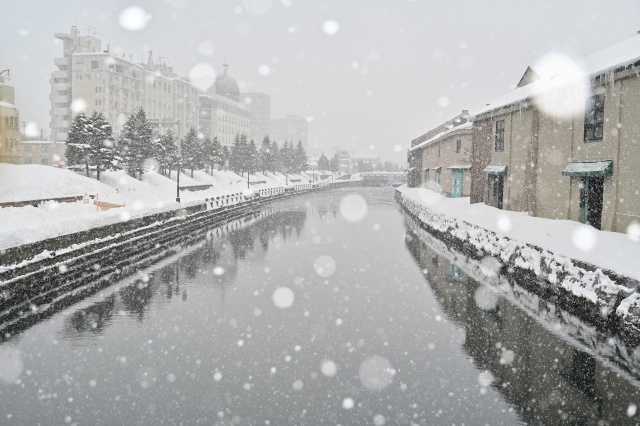
Of all the sights, the Otaru Canal is probably the most notable. It is the city's most famous attraction, lined with picturesque stone warehouses that have now been converted into shops, restaurants, cafes, and galleries. (As Filipinos, we also recognize the landscape from the movie Kita Kita.)
Feel free to stroll languidly along the promenade to see the sights, but some travelers prefer the views from water. The 40-minute canal cruise on the scenic waterway takes you on a tour of the ever-changing sights—whether you see blossoming flowers, fiery fall foliage, or snow-clad streets depends on the time of year you're passing through. There are day and night cruises, too.
Sakaimachi Street
It's true that Sakaimachi Street is busy, but its charm more than justifies its crowds. The street's atmosphere is a delightful mix of old and new: the nostalgic, historic architecture creates a vibe of a town suspended in time, while the sheer variety of modern shops offers a vibrant, contemporary experience.
Among the many cute shops in the area, the Otaru Music Box Museum is among the most notable. It's the perfect stop for a quaint souvenir, with the museum (that's more akin to a vast shop than a traditional museum, really) offering tens of thousands of music boxes on display. Most of them are for sale but it’s worth noting that not all the music boxes are made in Japan; some of the items in the store are made in China. If you’re particular about souvenirs that are locally crafted, then you’ll want to look closely at the tag. There are even DIY-type music boxes where you can choose which song goes into your box.
Outside the Otaru Music Box Museum is also a historic attraction: the Otaru Steam Clock, a beautiful bronze clock that's a replica of Vancouver's famous Gastown Steam Clock. We recommend hanging out by the clock for a few moments; it releases steam and plays music every 15 minutes.
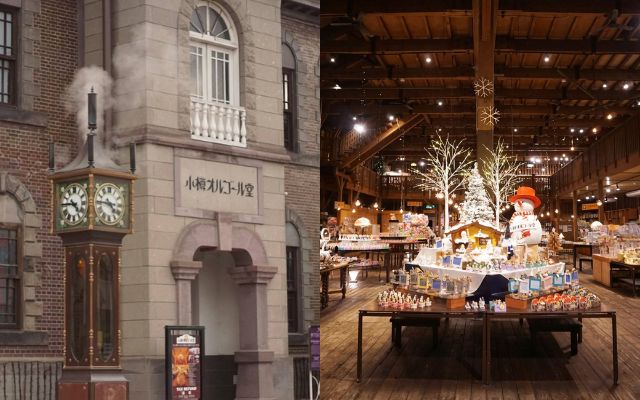
Among other things, Otaru has a rich history of glassmaking. Thus, don't be surprised to see a number of artisan glass shops selling everything from practical kitchenware to delicate glass jewelry. Kitaichi Glass Otaru is a popular one but there are plenty—and we even peeked inside one outlet shop that offered bargain prices on glassware.
Sweet shops and pastry stores are also plentiful along Sakaimachi Street. If you only have time for a single dessert stop, please don't skip the main store of LeTAO. The beloved Japanese patisserie originated in Otaru, so this is an excellent place to try LeTAO's soft, airy, sweet, and milky Double Fromage Cheesecake. (FYI, this author is still dreaming of this best-selling cheesecake.)
Discover Hokkaido's gems in Biei and Furano
Shirogane Blue Pond (Biei)
Here’s the thing: By the time we visited the Shirogane Blue Pond, it was deep into the heart of winter. At that point, the pond—famously a striking shade of electric blue in warmer months—had already completely frozen over for the season. Apparently, winter isn’t the best time to witness the Shirogane Blue Pond. If seeing the intense blue waters is a priority, it might be better to plan a visit during spring or autumn.
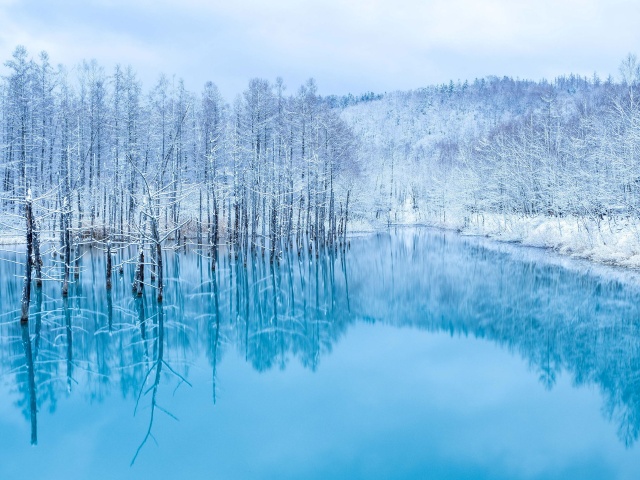
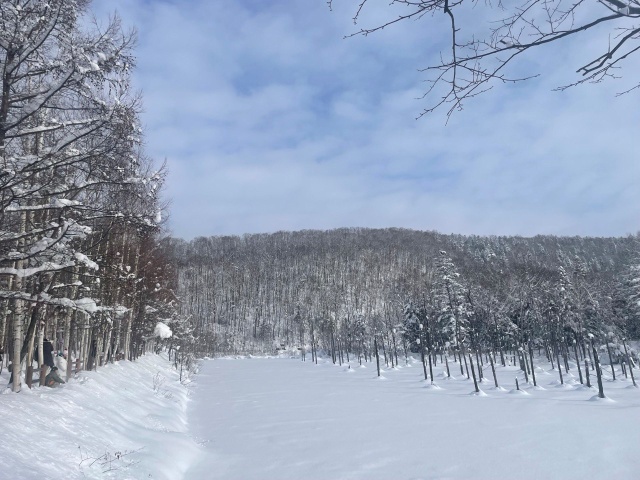
That said, the scenery was still pretty. Fresh snowfall created an icy white landscape with delighted children (and a few adults) jumping on the thick fluffy snow around us. Bare birch trees surround the pond, so people are peeking through the woods; although the classic Shirogane experience danced out of our reach this time, there's still something enchanting about the sun-dappled wintry scene.
Reaching Shirogane Blue Pond takes planning, as it is roughly a three-hour drive from Sapporo. If you're not driving or on a direct tour, you'll need to take a bus to Biei, and then catch another bus or a private taxi to get to the pond area.
Furano Cheese Factory
If you love cheese, then you've come to the right place. As previously mentioned, Hokkaido is a haven for dairy. So, if you're in or near the Furano area, then you might as well make a quick stopover at the Furano Cheese Factory.
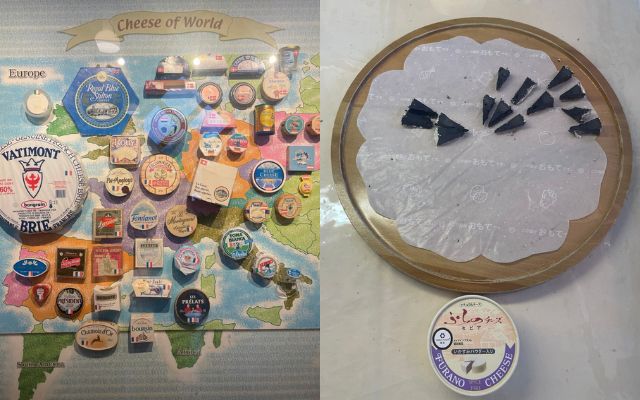
To be clear, the small two-storey building is not really a museum; it’s more of a shop selling dairy products, especially since the workshops were closed when we went. But oh, were the dairy products amazing. Here, travelers can sample different cheeses, including a startling black one that's made with squid ink. There are a variety of milk-based goodies available, including butter, ice cream, and biscuits. Everything’s good, but a bottle of fresh Furano milk is absolutely a must-try.
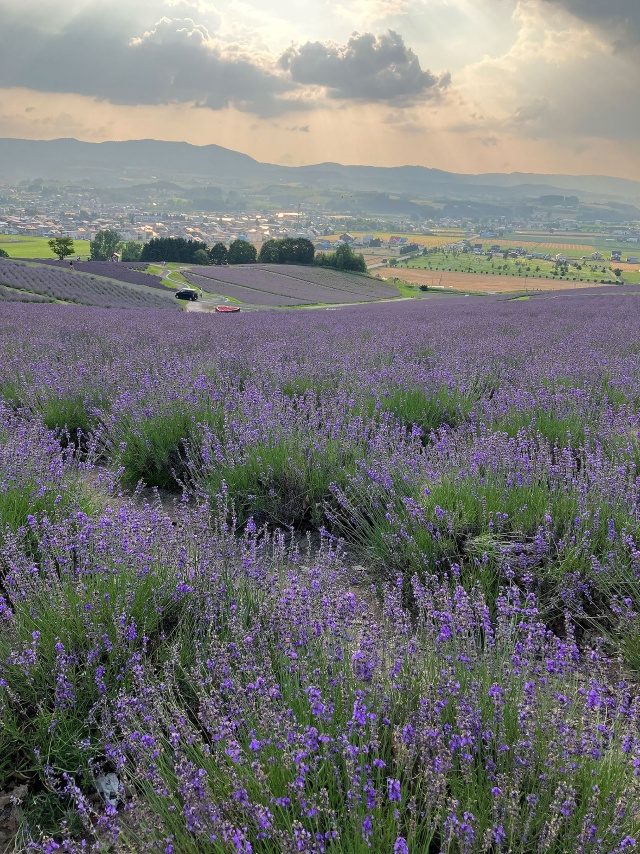
Pro tip: Although winter sports are a major draw in Furano, a summer visit is equally rewarding, thanks to its stunning lavender fields. If you're a fan of colorful blooms, then a visit during warmer months may be in order. (Cheese is year-round, too.)
Ningle Terrace (Furano)
Postcard-pretty views aren't all that rare in Hokkaido, but Ningle Terrace still took our breaths away as we rolled up to it one snowy afternoon. It's a cozy village in the woods populated by tiny log cottages selling a variety of local crafts: postcards, stationery, leatherware, figurines, and even dyed cloths. Snow fell gently through the trees, adding even more of an enchanting haze to the tableau.
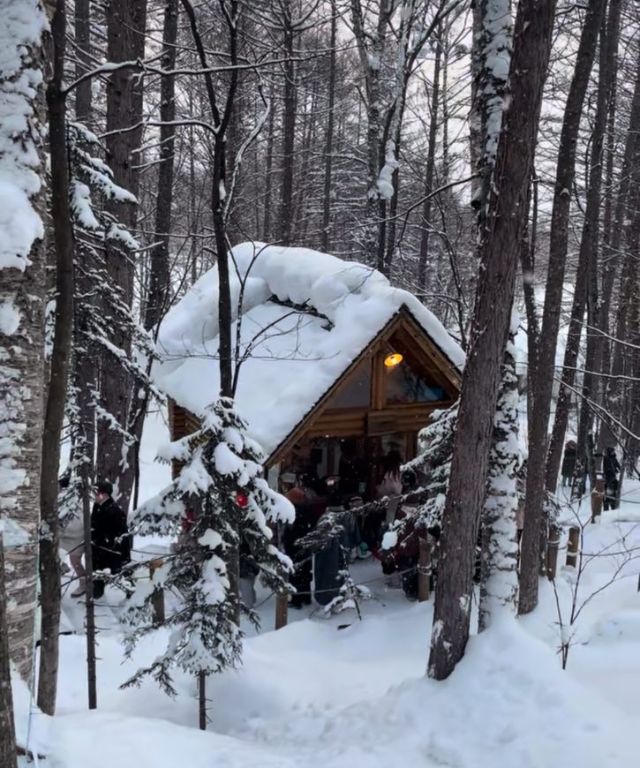
Don't be shocked to find that most of the items here are pricier than the souvenirs you’ll find in Don Quijote or Daiso. If you’re on a budget, this might not be the best place for a shopping spree. But maybe set aside a few hundred yen for a postcard or two, if you wish? Besides, even if you’re not planning to buy anything, it’s still a picturesque place to spend a lazy afternoon. We recommend visiting later in the day, near sunset. Once dusk falls, everything is lit up in pretty lights, making the log huts glow amidst the trees.
According to our tour guide, many tourists roaming the Ningle Terrace are checked in at the nearby Furano Prince Hotel, a well-known ski resort.
Ski the snowy slopes of Hokkaido
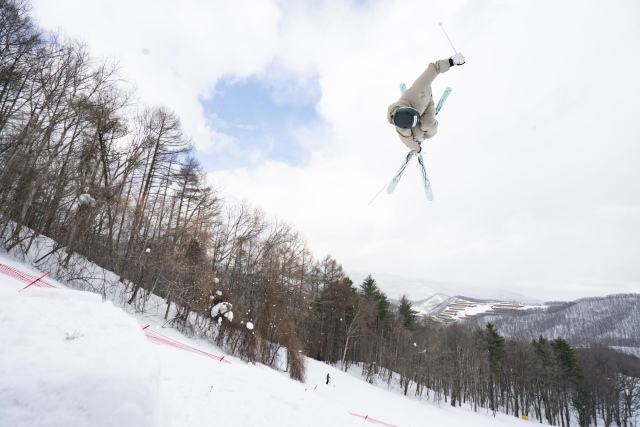
A winter trip to Hokkaido would be incomplete without at least an attempt to hit the slopes. If you're based in Sapporo, there's no need to go far, as the city is home to a respectable selection of ski resorts perfect for adventurers looking to shred.
Our pick, the Sapporo Bankei Ski Area, is only a quick drive from the city center, making it a popular and convenient choice for tourists. The ski resort offers equipment and sportswear rentals for skiing and snowboarding, so there's no need to buy expensive gear for just a few hours on the slopes. Two-hour, four-hour, and one-day rentals are available starting at JYP5,100 for the equipment set and JYP7,900 with snowwear included. First-timers who want to learn from a professional can sign up for a one-hour private ski or snowboarding lesson—designed "for total beginners"—for just JYP6,500. That way, you'll know the basics before enjoying the fresh powder on your own.
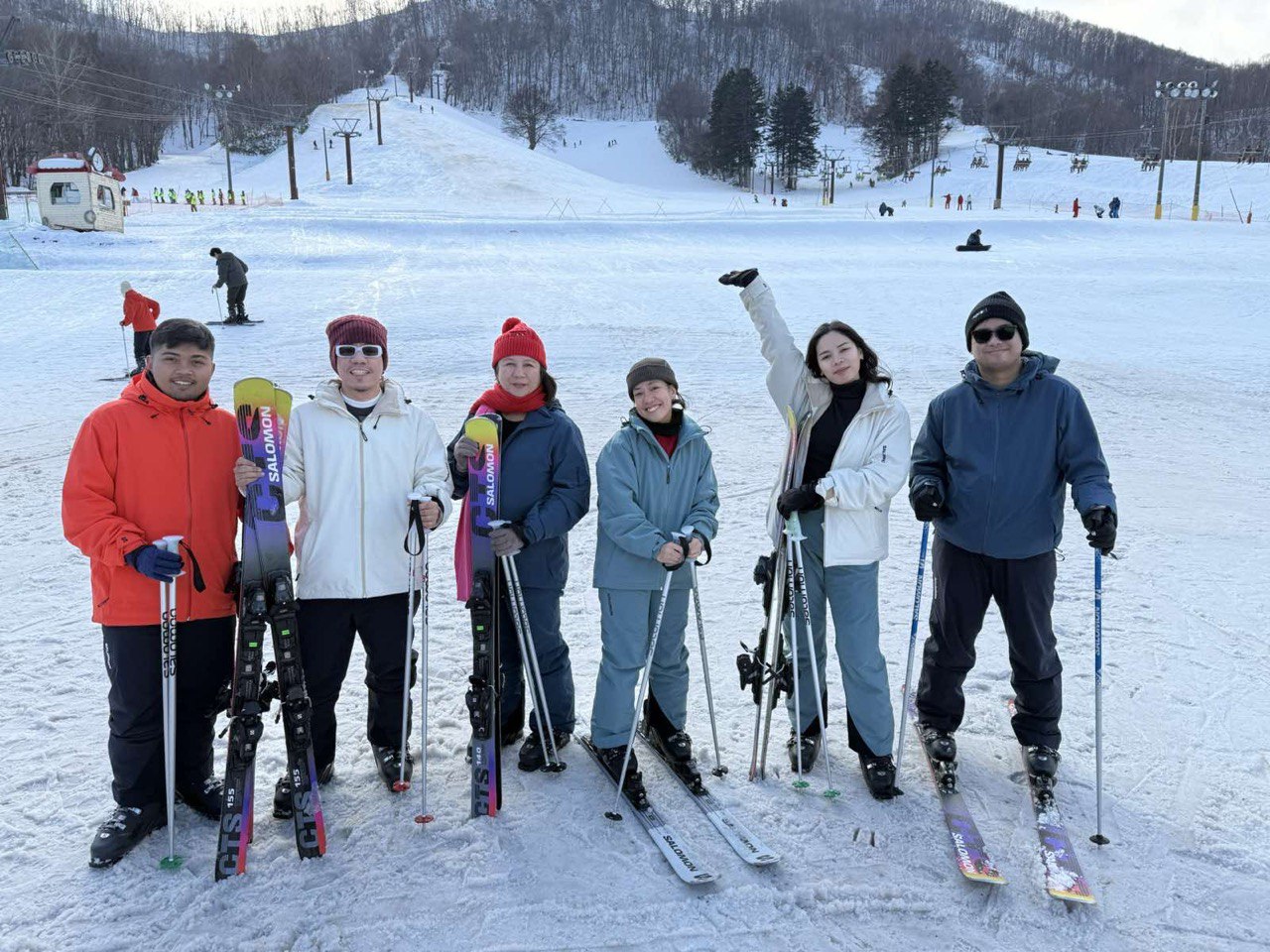
Manage your Olympic dreams, though. As Filipinos, almost all of us are unfamiliar with winter sports, and simply putting on skis is more challenging than it looks, let alone gliding on them. But it's not impossible. By an hour or two of struggling, I've managed to slide from the top of the hill to the bottom without tumbling on my butt. (Full disclosure, calling our corner a "hill" may be too generous. We were basically skiing at the barely sloping base of the actual hill.) Did I learn to ski? Debatable. But was it fun? Definitely.
Indulge in retail therapy at Sapporo's busiest shopping spots
Even with a jam-packed Sapporo itinerary, squeezing in a few hours of shopping is important. Our tour group was only in the city for six days, but we still managed to go home with a luggage full of pasalubong.
A good one-stop shop is MEGA Don Quijote Sapporo on Tanukikoji Shopping Street. To be honest, if you’ve been to one Donki, then you’ve seen them all. But this is still a great spot to pick up your Japan essentials, including cosmetics, medical patches, toys, electronics, snacks, and more kinds of souvenirs than one could imagine. There’s also a section in Basement 2 that displays different Hokkaido-made snacks, which is perfect if you want something extra special for family and friends. Hokkaido's famous Snow Brand butter is even available in this Donki branch.
If you prefer sprawling malls, then drop by Sapporo Station when you can. Its more than just a transport hub; the station is also surrounded by a network of different shopping malls home to some of the most popular Japanese stores. Most of my time was spent hoarding souvenirs at the ESTA Shopping Center, which has branches of Loft, Bic Camera, Uniqlo, and GU.
Sapporo, Hokkaido is a destination for all seasons
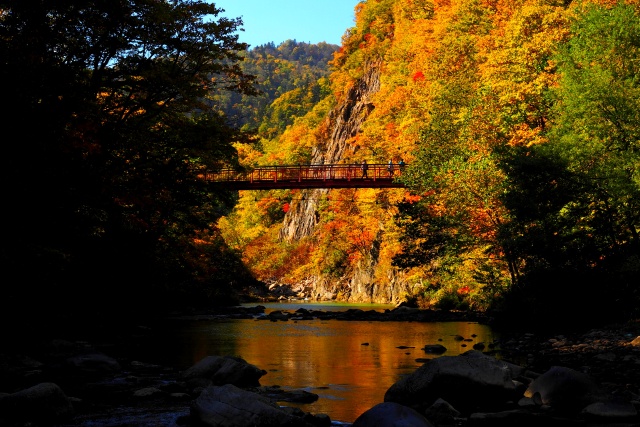
Even after spending six days exploring Sapporo and surrounding towns, there's still so much left on our Hokkaido bucket list: Hokkaido Museum for a deeper look into local history and culture; Jozankei Onsen for hot springs surrounded by seasonal cherry blossoms and fall foliage; Niseko for skiing in a winter wonderland; Lake Akan for cruising in nature and discovering Ainu villages; and Shiretoko Peninsula for meeting Hokkaido's endemic wildlife like brown bears and spotted seals. And these are just the ones on top of our list.
Fortunately, there's no need to rush to see them all. We have time. After all, thanks to Cebu Pacific, there are now direct flights to Hokkaido and you can pretty much make your way to this Japanese hotspot any time of the year. Perhaps it's a good time to plan out the rest of this year's holidays?
Hey, Spotters! Check us out on Viber to join our Community and subscribe to our Chatbot.