
Surprise: These Legit-Looking Filipino Dishes Were Created With AI
Facebook poster Christopher David shares how the viral creations came about.

(SPOT.ph) Filipino cuisine—like any cuisine, really—is constantly evolving. Along the way, it’s only natural for existing dishes to change or new dishes to be created, be it by necessity or on purpose. And with artificial intelligence entering the many arenas of our lives (the arena of food included!) comes numerous new possibilities across them. Facebook user Cristopher David, for one, made use of AI tools to digitally imagine new Filipino dishes—with perplexingly mouthwatering results.
Also read: The SPOT.ph Guide to Using ChatGPT for Free
Believe it or not, these Filipino food dishes were created via AI:
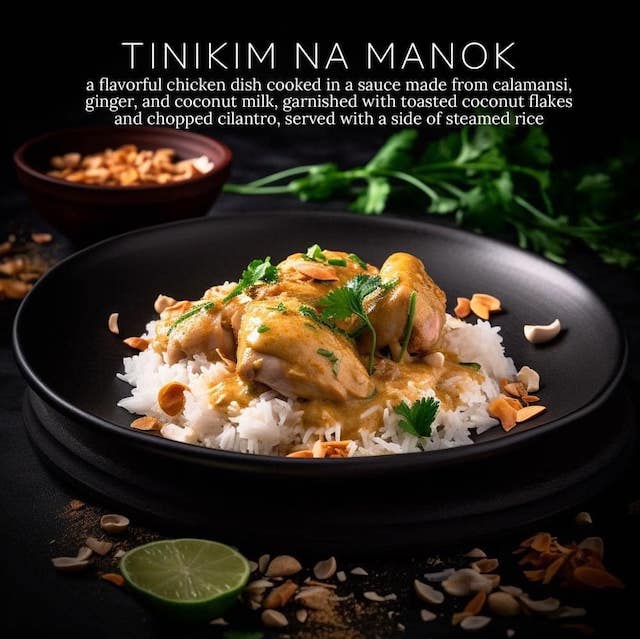
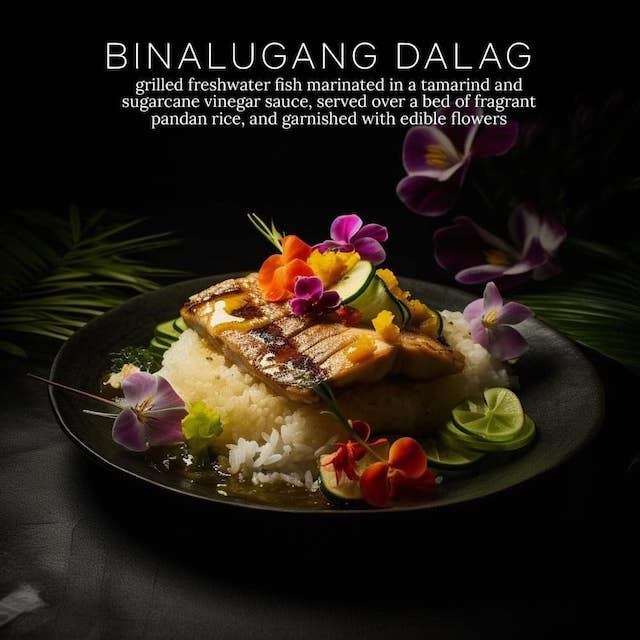
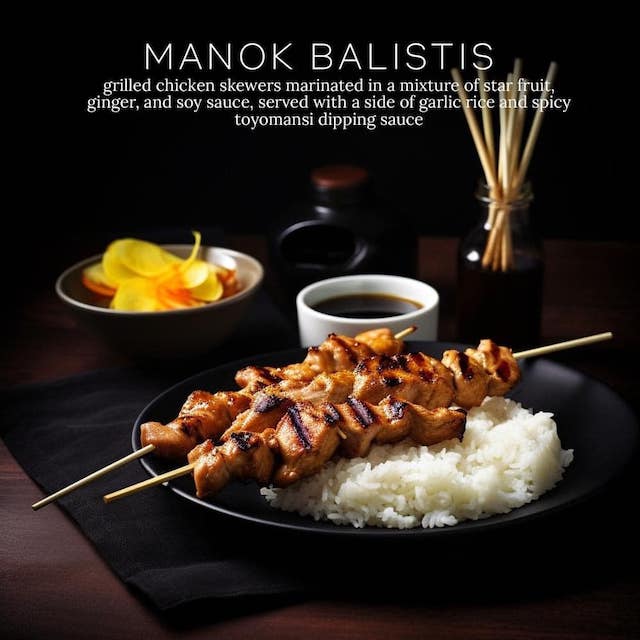
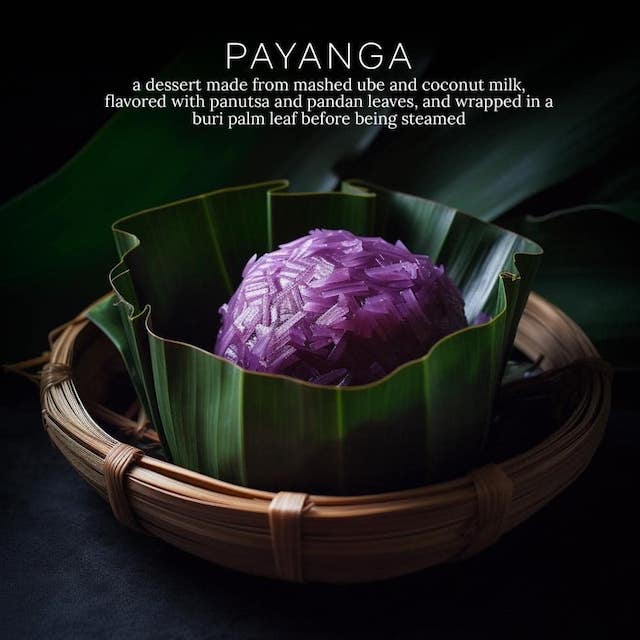
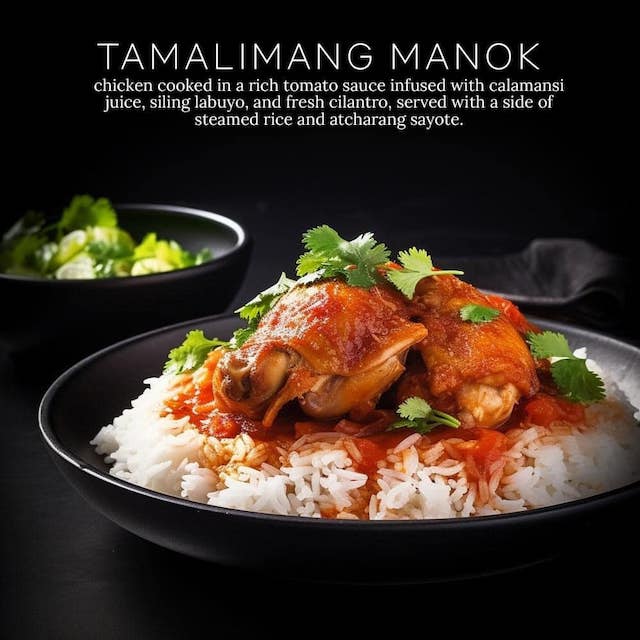
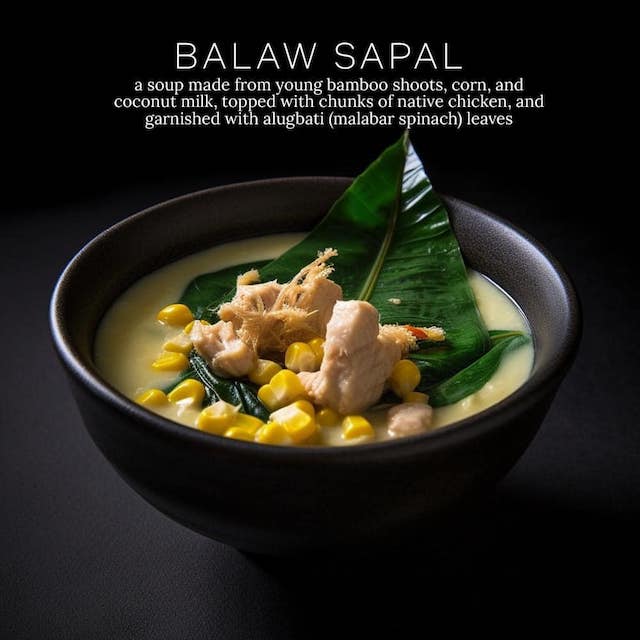
The viral post was published April 21 on Midjourney Official, a public Facebook group with members from around the world. Just some of the (almost unbelievably) virtual dishes depicted are the Tinikim na Manok, with chicken cooked in a coconut milk sauce tinged with calamansi and ginger; Talukab Gisa, a stir-fry of carabao meat with water spinach, puso ng saging, and pili nuts; Binalugang Dalag, or tamarind- and sugarcane vinegar-marinated freshwater fish that’s then grilled and served over pandan rice; and the Payanga, a steamed dessert of buri palm leaf-wrapped mashed ube and coconut milk imbued with panutsa and pandan leaves.
David—who works designs and develops Metaverse and Virtual/Augmented Reality experiences for a living, but also has a personal passion for food—employed OpenAI's ChatGPT (GPT-4) to “brainstorm” the new dishes. “I [used] it to come with ideas and names for the dishes. I can also ask it to generate the entire recipe, and describe how it’s prepared and what would be the best plating to present it in,” David explains in an exchange with SPOT.ph.
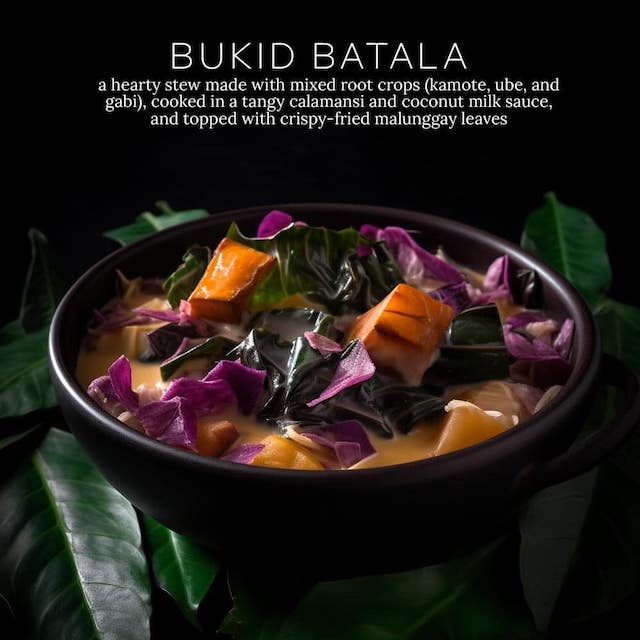
“When the new [GPT-4] version of ChatGPT came out, it was a real game changer. It can now give me new dish ideas for Filipino food that do not exist and I can tell it to use only mostly native Filipino ingredients and cooking techniques,” he elaborates. Heck, he was was even able to ask the program to come up with names “that would actually sound like names for Filipino dishes but are not real words.”
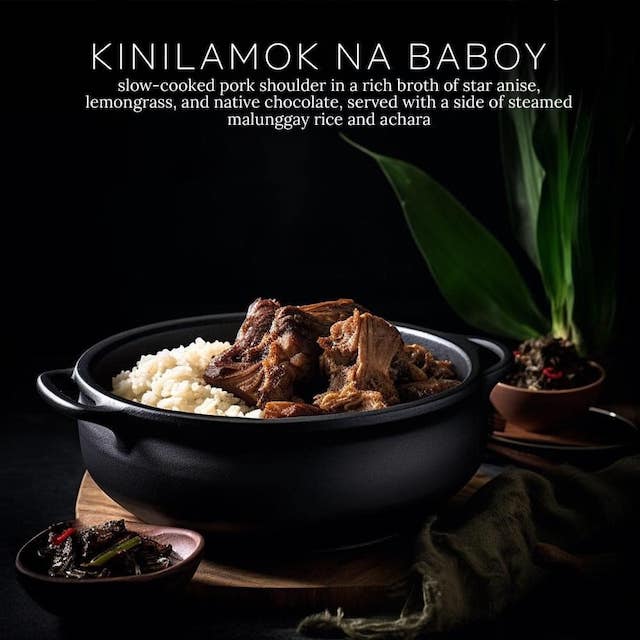
From there, David visualized the said ideas (including ChatGPT’s suggested dish presentation!) using AI-powered art generator Midjourney v5. “With Midjourney, there’s also a lot of iteration needed as there’s just a lot of things that it could not get right, but when it does it could really look good.”
The VR/AR developer does, however, contend that GPT-4 “still [isn’t] perfect.” “AI is not really a magic box that could just churn out perfectly creative ideas. It is still a tool that you need to learn how to use and guide to get the best results,” he relays. “For every 10 or so ideas, only one of those really comes out really nicely. And you’d have to do a lot of prompt iterations and refinement before it really sounds like something great.”
Bringing Food Into the AI World, and AI Into Food
“Being in the tech industry, I’ve been mostly able to observe the latest progress in AI technology,” David says. “But most of the recent advancements in AI and the capabilities that we’re seeing now like Large Language Models, [e.g.] ChatGPT, and Generative AI Art, [e.g.] Midjourney, have just recently sprung up and were made available to the public [in 2022].” He was able to start learning and using the said tools “right when they were released”—and admits his “mind was blown” early on by the “huge potential” of AI technology. “It didn’t take long for it to be a daily tool in my professional life.”
He further started exploring how it could also be used in the arena of his personal interests—specifically, food. In December, David posted about a one-of-a-kind Mango Adobo dish virtually imagined with a similar process of using ChatGPT (which he asked to give him a “Filipino dish with a unique twist I can try cooking”), and Midjourney v4 for visualization. Though the version of ChatGPT he used at the time (GPT-3.5) was “a bit limited” in that it mostly just gave him “simple variations” of existing dishes” or would just “[add] an ingredient or two,” the result looked “interesting” enough that he even cooked it in real life.
“In my hobby of creating cooking content, I started using Midjourney to come up with concept image references for plating the dishes that I will cook,” David explains. “When ChatGPT came out, I thought of using it to give me suggestions on what dishes to cook next. Most of the content I do focuses on unique twists or experimentations on Filipino food, so there comes a lot of times when I run out of ideas. So then I also thought, I can even use AI to come up with dishes that don’t exist.”
The Delicious Possibilities With AI
Although David admits he started using the tools in the cooking space “for fun,” he shares there’s “really a lot of potential in AI impacting the way we cook.” “As the simplest example, if you have limited ingredients in your fridge, you can ask AI to come up with a recipe you can cook using only those ingredients. You can ask it to come up with a recipe that would fit your budget, or even ask it to compute how many calories it has for you,” he explains.
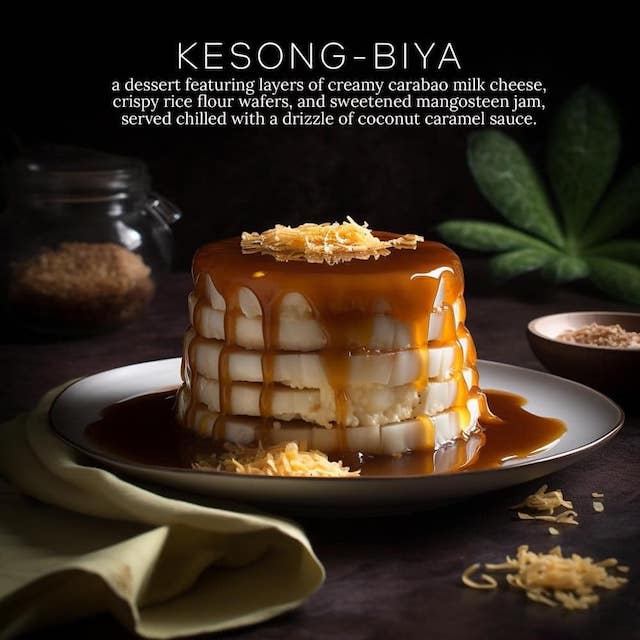
AI, he shares, can also aid in cooking creativity, as it can “brainstorm ideas for new recipes and new ways to cook.” “You can ask it how to add twist to an existing dish, and ask it for suggestions on what plating arrangement would give the best presentation.”
“I do believe it will also impact the way food evolves itself. AI in general is already augmenting human knowledge and creativity and it’s no doubt that we will see this innovation extend to the food industry as well.”
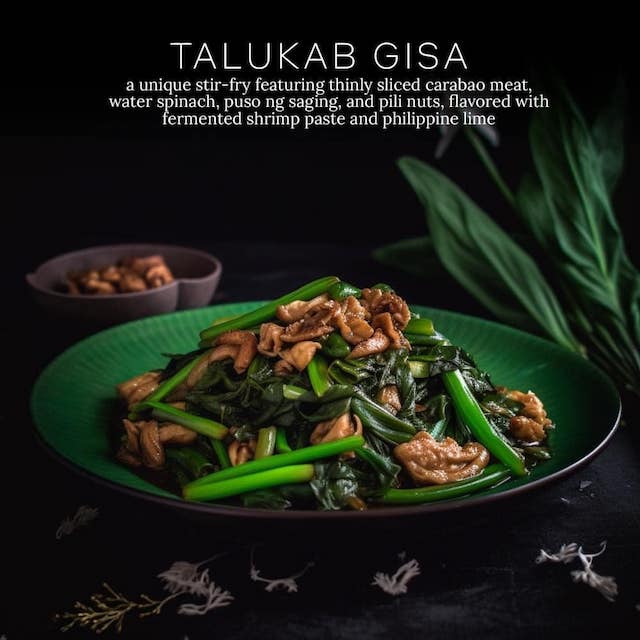
David shares how—in the process of sharing these creations in online communities—he was also able to share about Filipino food traditions with folks from all around the world. “One interesting thing I saw that came about from my post was several people commenting that some of the dishes are actually similar to existing dishes from their regions,” he says. “So in a way even if the post was supposed to showcase new creations, it can also actually spark discussions on traditional dishes from different regions of the Philippines.”
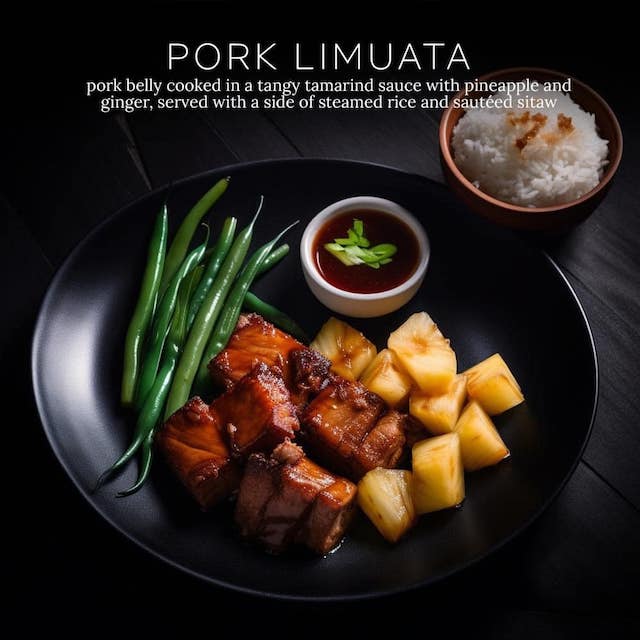
“Personally for me, what started as an exploration into new ideas transcended into discovery. And I believe this generally shows how AI has the potential to impact humanity: by not only amplifying our capabilities but also fostering a deeper understanding, connection, and appreciation of our diverse cultures and traditions.”
Hey, Spotters! Check us out on Viber to join our Community and subscribe to our Chatbot.