
A Night of Caviar, Conversations, and Duck Prosciutto Pizza at Chef Yuichi Ito's Rule-Bending Omakase
The Crosta chef has plenty up his sleeves, within and beyond the world of pizza.
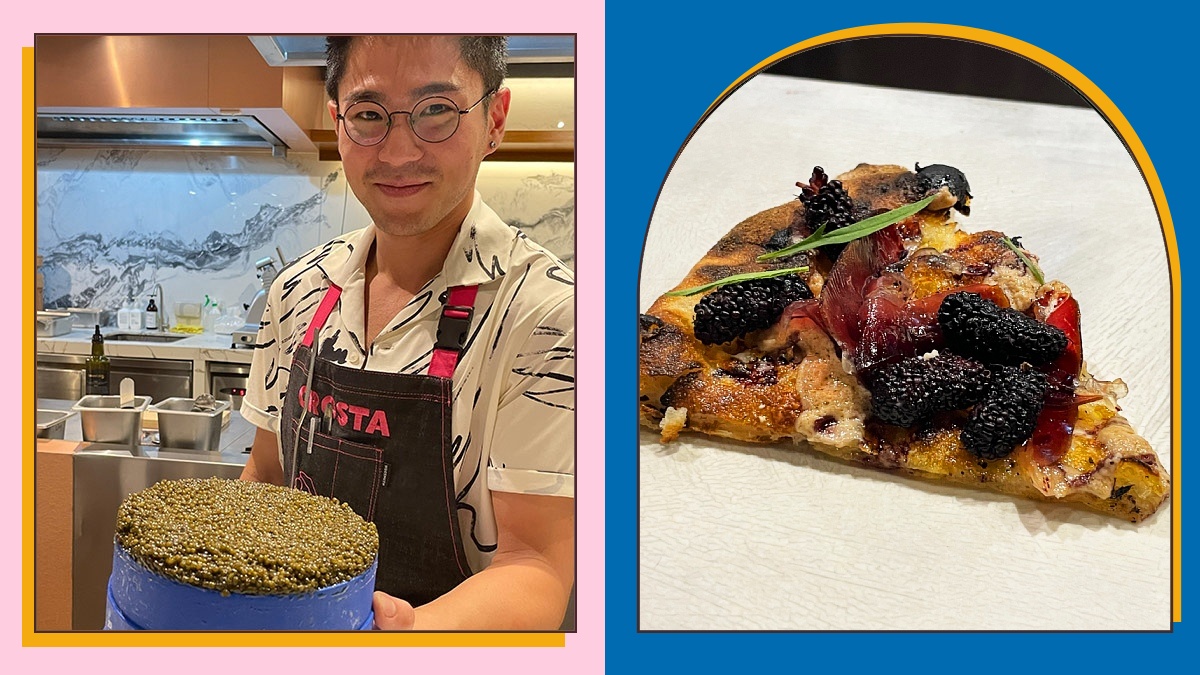
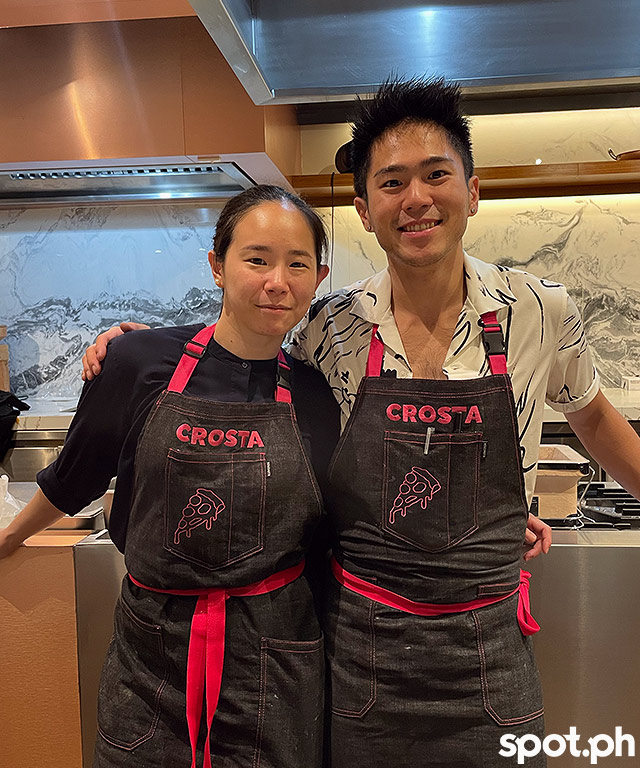
(SPOT.ph) Chef Yuichi Abellare Ito has been hot on the minds of just about everybody in the food world—and no wonder, given his superb pizza game that’s rightfully being put on display over at Crosta Pizzeria (recently named the 10th of the 50 best pizzerias in the Asia-Pacific region by Italian publication 50 Top Pizza!). But you best believe the young Japanese-Filipino chef is only getting started. There's plenty more up his sleeves, within and beyond the realm of pizza—a sneak preview of which diners got with the recent pizza omakase Yuichi held with his sister and fellow chef Naomi Ito.
Also read:
Crosta's Chef Yuichi Abellare Ito Is Raising the (Pizza) Bar to New Heights
WATCH: What to Try at Crosta Pizzeria, According to Head Chef Yuichi Ito
Crosta, a mano, Wildflour Italian Jump to Higher Ranks in List of Best Pizzerias in Asia-Pacific
10 Splurge-Worthy Japanese Spots for Omakase + Kaiseki in Manila
Here’s what went down at the highly anticipated pizza omakase of Chef Yuichi Ito:
The degustation took place at Makati’s One World Kitchen, with the duo and their team taking over the restaurant’s kitchens for media previews on June 6 and 7, and sold-out dinners open to the public from June 8 to 10. Not only did the omakase put the siblings’ respective talents to the forefront it also served as a bit of a prelude to Yuichi’s upcoming restaurant (more on that shortly). Pours of reds, whites, and other wines care of homegrown shop Wine Therapy were served alongside.
Whereas Yuichi’s most prominent strength lies in Italian cuisine—specifically pizza, having famously helmed award-winning restaurant Pizza Bar on 38th at the Mandarin Oriental Tokyo—Naomi’s lies in molecular gastronomy, as she’s currently working at Tapas Molecular Bar at the same Japanese luxury hotel. “She uses a lot of scientific methods in cooking,” Yuichi explains.
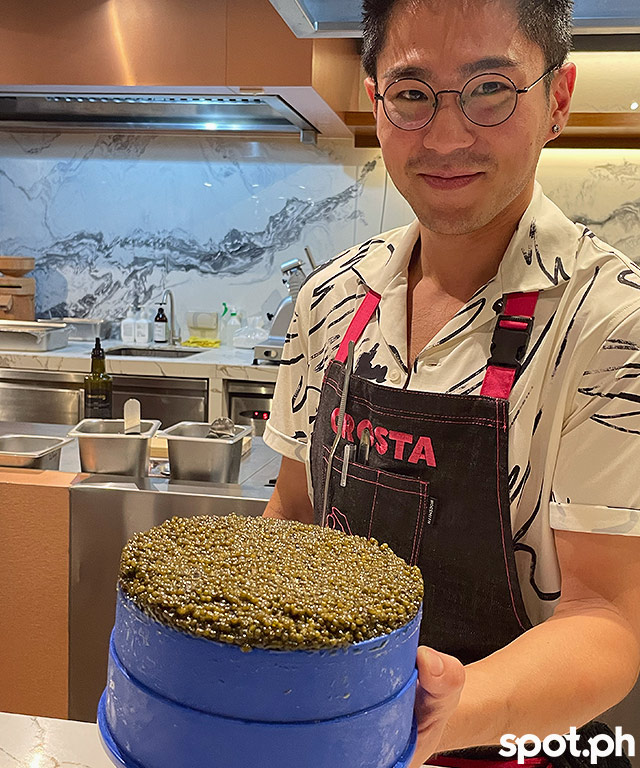
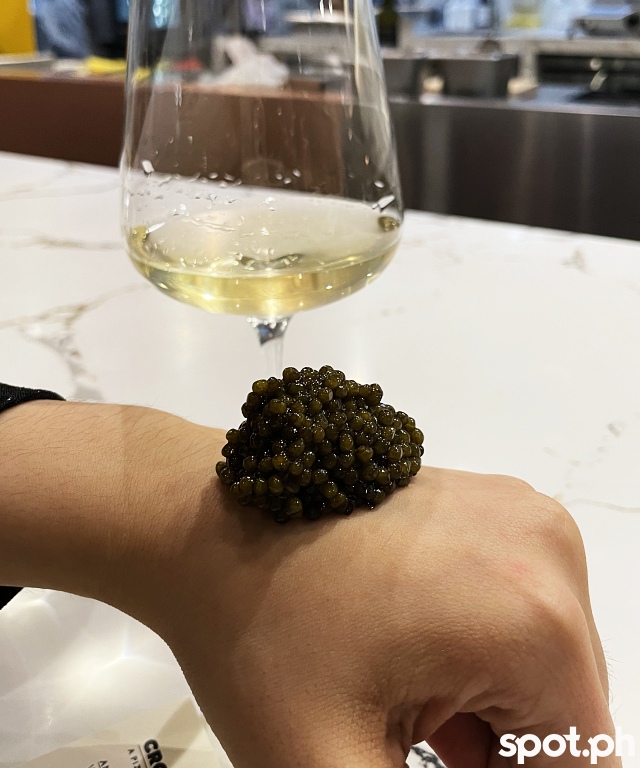
With Yuichi being known for his boldness in the kitchen, it came as no surprise that he had us on a strong start—i.e., with caviar. And not just any caviar, but Kaluga Hybrid Caviar care of Caviar Colony, served out of a giant blue tub. Generous spoonfuls were dolloped over our fists for us to nosh on sans utensils—use your imagination here (quite the carnal experience, BTW)—with every glistening bead delivering subtly briny, buttery bliss. This went especially beautifully with its partner-in-crime that night: crisp yet sprightly, lemony pours of 2014 Champagne Delamotte Blanc de Blancs Brut.
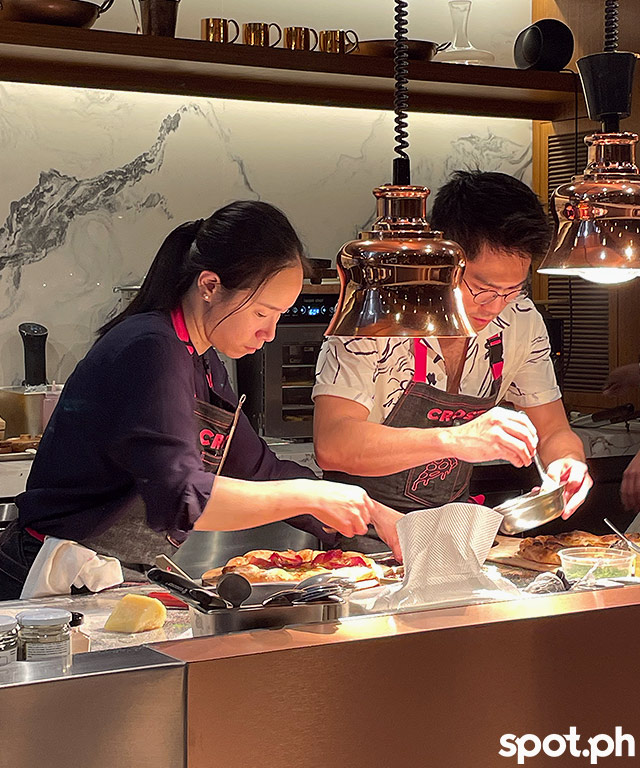
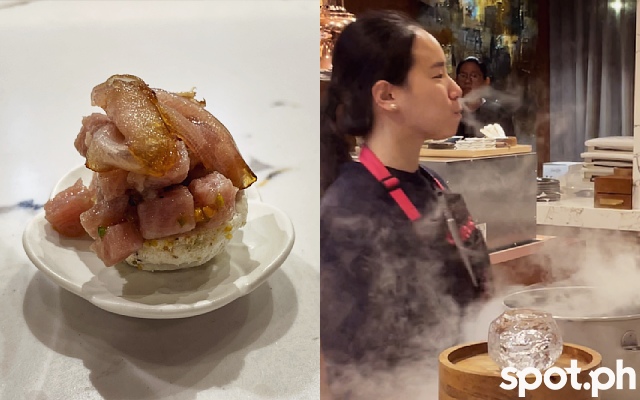
Amazingly, this collab was the first time the two would actually be working together in the kitchen; Yuichi jokingly reveals that the lineup was conceptualized in two days (with him in the Philippines and Naomi in Japan!). Still, the resulting lineup was nothing short of sublime, employing the strong suits of both siblings, and merging Italian and Japanese flavors while occasionally using ingredients from our own shores. This was beautifully illustrated by the Amuse-Bouche of wild otoro (fatty tuna belly), chutoro bacon, and pistachio meringue, served smoking-frozen with the help of liquid nitrogen. We’re instructed to chew as soon as it’s placed on the tongue—which brings about an umami-sweet-crisp-succulent sensation on the taste buds, while the liquid-nitrogen smoke comes out from your nose and mouth as you exhale.
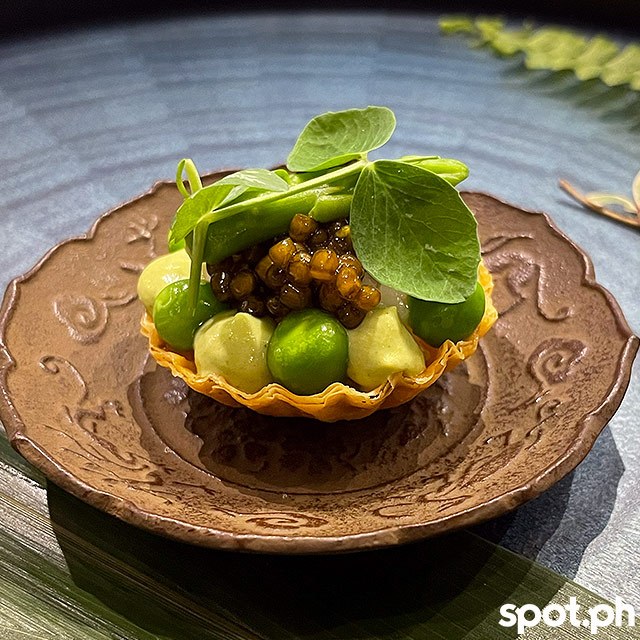
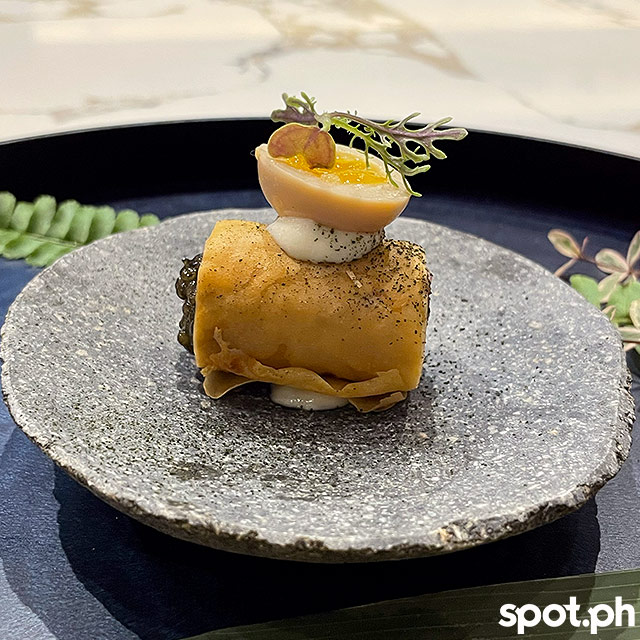
We circle back to the world of the luxe fish roe with the next number: the Caviar Colony Hassun, hassun being the term in kaiseki that refers to a tray or platter with multiple small appetizers, though their take presented each mini-course individually as opposed to all at once. Yuichi and Naomi presented four expressions of Amur Sturgeon Caviar also from the Singaporean brand, in the process showcasing their culinary skills and keen eye for detail. The caviar lent oomph to bites of Hokkaido scallops, a minty green-pea cream, and Malagos goat cheese on a tart shell; and a crisp cylinder filled with a tartare of Australian Wagyu, nori powder, and quail eggs marinated similar to ajitsuke tamago.
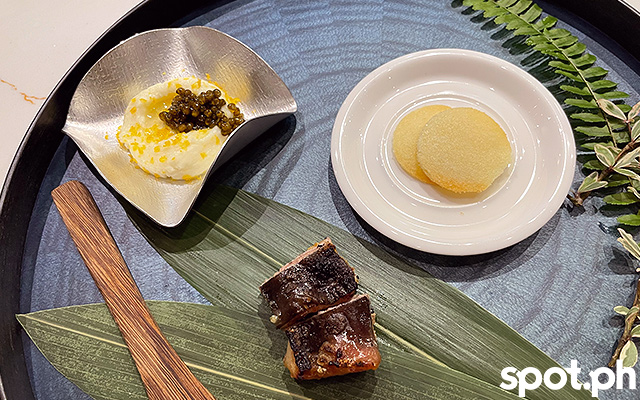
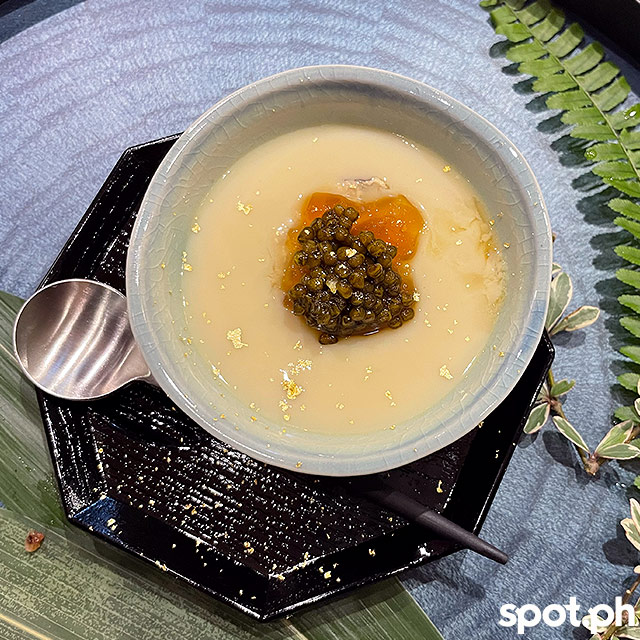
Still within the hassun arc were two more compositions, slightly more substantial than (and every bit as enchanting as) the previous two. One involved three main elements: smoked mascarpone with house-cured bottarga, “unagi” shirayaki (actually local catfish, prepared so as to taste similar to salted grilled eel!), and buttery lengua de gato—which made for an intriguing sweet-savory-smoky trio. A chawanmushi-like small bowl followed, flaunting the briny, sweet taste of local mud crab in an egg custard seasoned with house-made tosazu (a light Japanese dressing) brightened with dalandan.
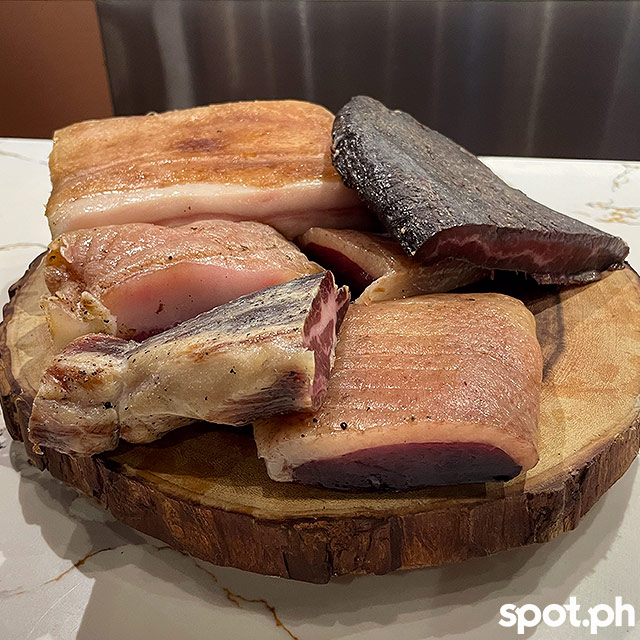
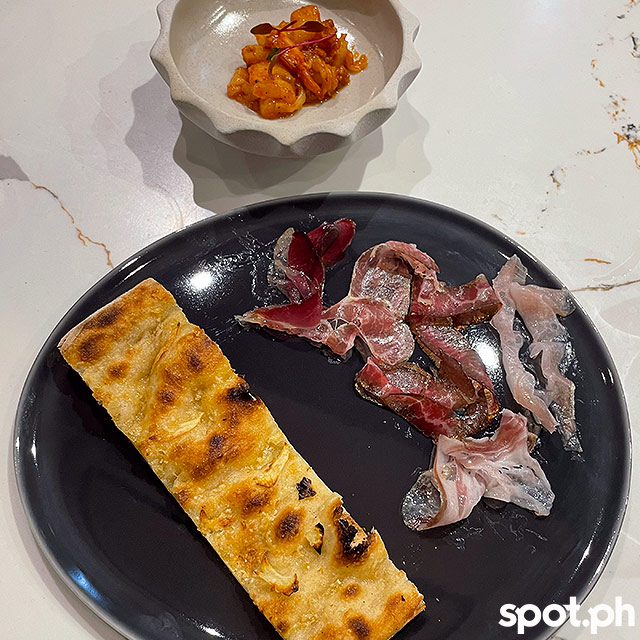
The two progress to the omakase’s more Italian side, beginning with the Pizza Bianca—a round of freshly baked pizza dough simply seasoned with olive oil, then served in strips with a fiery sidekick of 'nduja (made with fish versus the traditional pork, plus Hokkaido botan shrimp and wild big fin squid). Yuichi also makes his own charcuterie from scratch, albeit in limited quantities; these can sometimes be sampled as toppings for some of his weekend-special pizzas at Crosta, but he rightfully had them take center stage with the House-Cured Cold Cuts—melt-in-the-mouth shavings of spalla (shoulder ham), its meatier cousins pancetta and guanciale, rich and ravishing Kyoto duck prosciutto, and Wagyu flank bresaola with a slick yet satisfying bite.
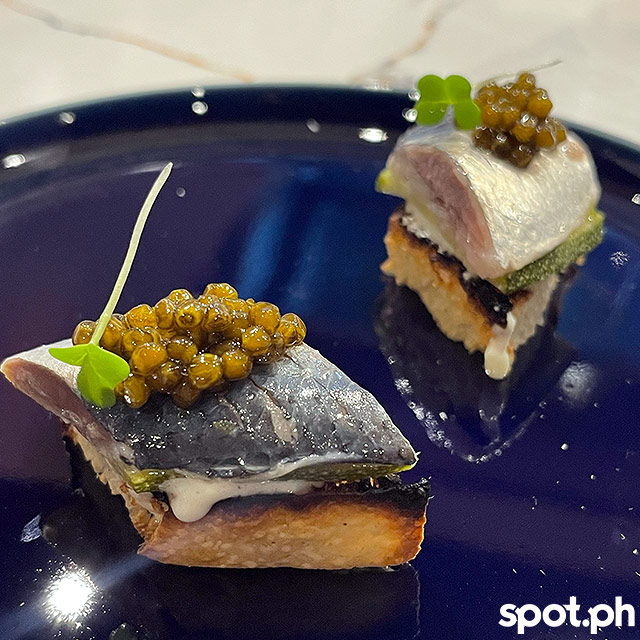
Yuichi goes on to present his Focaccia, made with a high-hydration dough (80%) that uses five kinds of flour for a crusty interior and an airy yet moist, substantial crumb. Small wedges of the bread came topped with succulent slices of iwashi, or Hokkaido wild sardines; kaffir lime-scented stracciatella cheese for zest and creaminess; and lemon-marinated zucchini slices—which all meld into a briny, zingy, rich sum as you pop a piece into the mouth.
The “pizza” part of the pizza omakase was, of course, no empty promise as Yuichi and Naomi soon served not one or two, but three pies. These all employed Yuichi’s special pizza dough that’s made with a blend of Italian stone-ground Mulino Marino organic einkorn and whole-wheat flours, then fermented for 48 hours—resulting in a complex taste and addictive crusty-chewy character. The chef's vigor-filled streak in the pizza-making department shone bright across this segment of the omakase, yet each pie had a distinct personality.
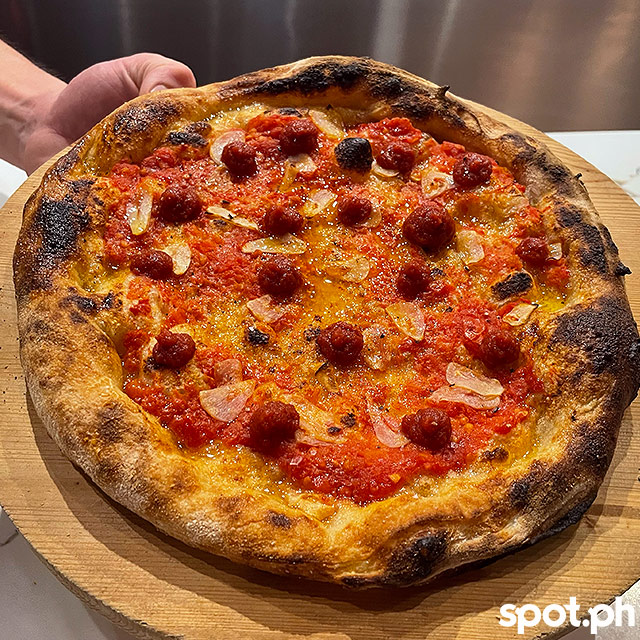
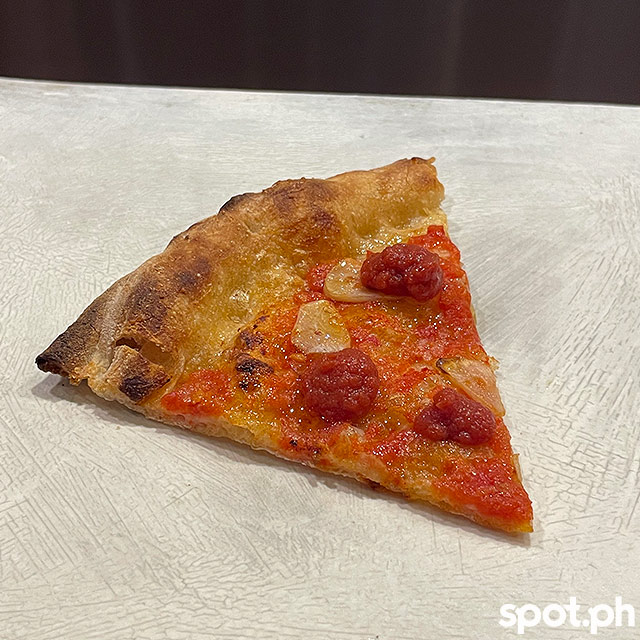
Yuichi's open-mindedness in coming up with flavor combos aside, the Crosta chef admits how he'd always go back to a classic marinara pie whenever he’s at a new pizza spot—and “The King” Marinara is his jacked-up take on the dish with an intense dose of tomato. No wonder, given that it’s got the fruit in three forms: a sauce of pomodori pelati (peeled tomatoes), dots of tomato gel, and tomato salt, plus a sprinkle of oregano that adds just the right amount of herby warmth.
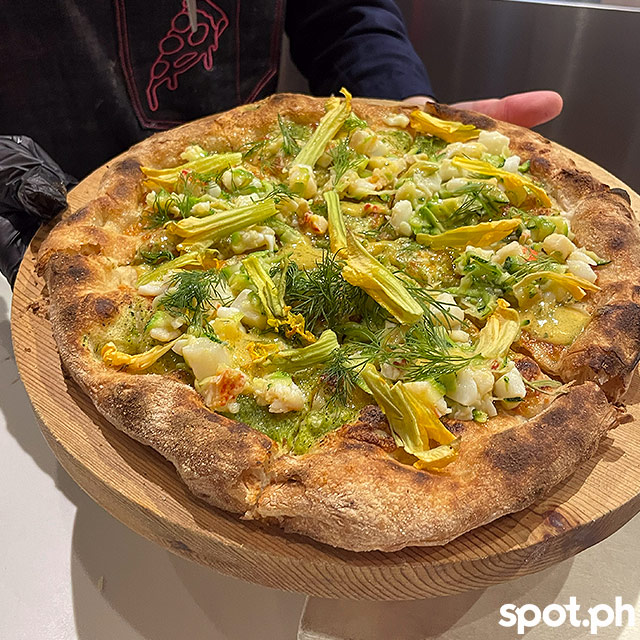
You could just about call the Rock Lobster a garden on a pizza, what with the way it pits the shades of earthy greens and golden yellows together. With juicy chunks of butter-poached Palawan lobster, an orange-scented bearnaise sauce, zucchini, pine nuts, and fronds of dill, this pizza brings you the best of the earth and the sea. What kept this pizza especially memorable was the way it was paired with sake—N.V. Daigo no Shizuku Doburoku, an unrefined sake produced the “pre-modern” way, by Chiba-based brewery Terada Honke—as its sweet, mid-bodied character brought each herby, earthy, subtly tangy, refreshing bite of the pizza to perfection.
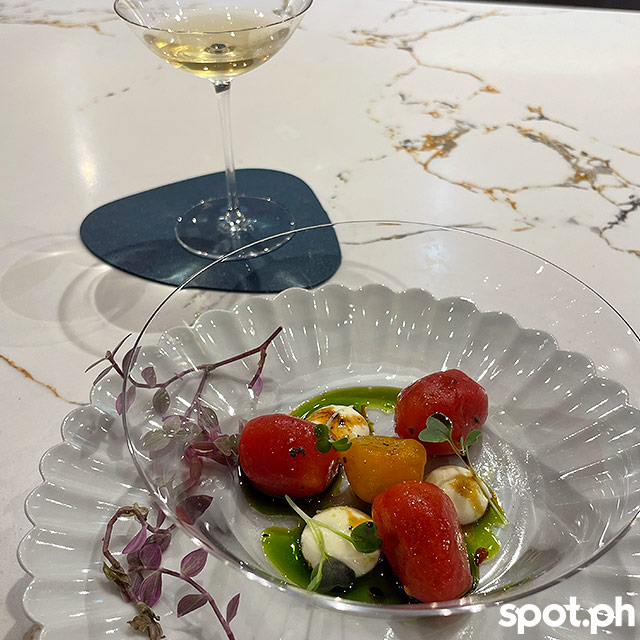
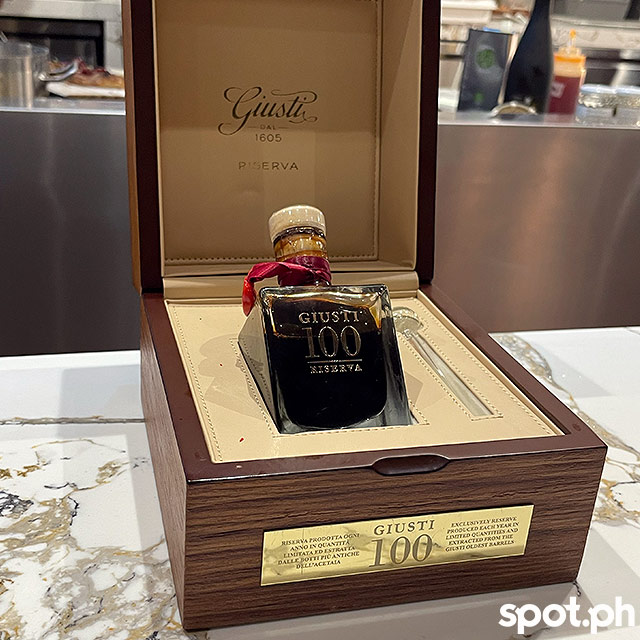
To keep our taste buds revitalized amid all the dough, we’re served a Refresher—a bit of a palate cleanser, if you will, featuring a mind-blowing “gazpacho cider.” Yup, that small vessel of liquid in the photo below may look translucent thanks to a special clarification process where a tomato-cucumber-basil mix is frozen and then filtered, leaving behind the flesh but retaining the zestiness of the ingredients with a rejuvenating fizz. Sips of this were alternated with bites of juicy, deskinned cherry tomatoes (fun fact: the skins were what were used in the Marinara pizza’s tomato salt!), lent depth with drops of Giusti 100-year Aceto Balsamico di Modena.
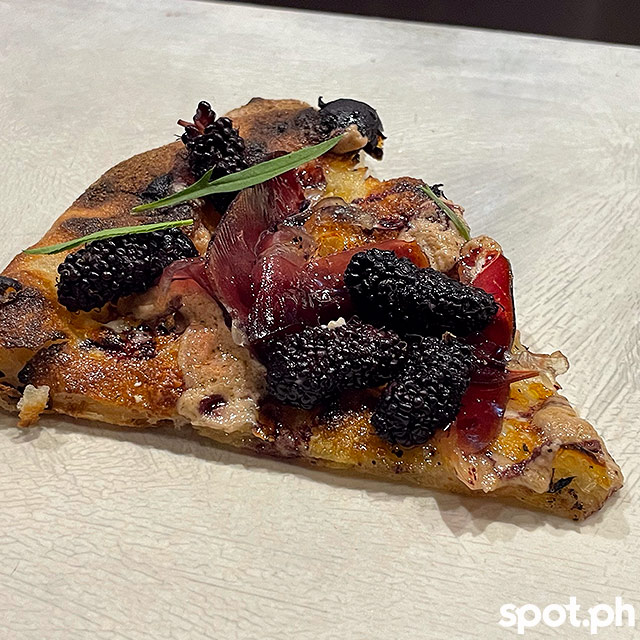
Back to pizzas—and what we'd call the most luxe of the lot. The Kyo-Gamo appealed to our grownup side with its more elegant flavor profile that wouldn’t feel out of place at a swanky dinner party. Here, Yuichi’s house-cured Kyoto duck prosciutto makes for a salty, meaty bite while mulberries from Pampanga add a sweet, juicy element for contrast. A foie-gras mousse, subdued yet rich as it is, plus a reduction of Barbera d'Alba red wine, helps bridge the two worlds together—hell, what we’d do for seconds of this gem.
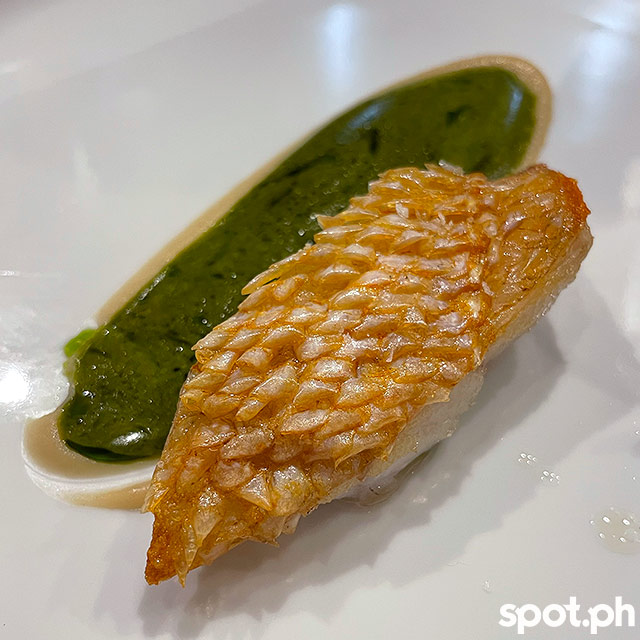
The two circle back to their Japanese roots in the proceeding Fish course, featuring Hokkaido wild kinki, served with a layer of skin that catches the eye with its distinct flaky appearance. The chefs accomplish this by dry-aging it for five days, then cooking it using a technique called matsukasa-yaki—where they’d pour sizzling-hot oil over the layer of skin, allowing the dried scales to puff up and get insanely crispy. Poke into it with your fork and you’re rewarded with a most satisfying crackle, below which is the fish’s juicy, tender flesh; accompaniments of leeks and yuzu miso perfectly compliment the fish’s clean taste without taking over.
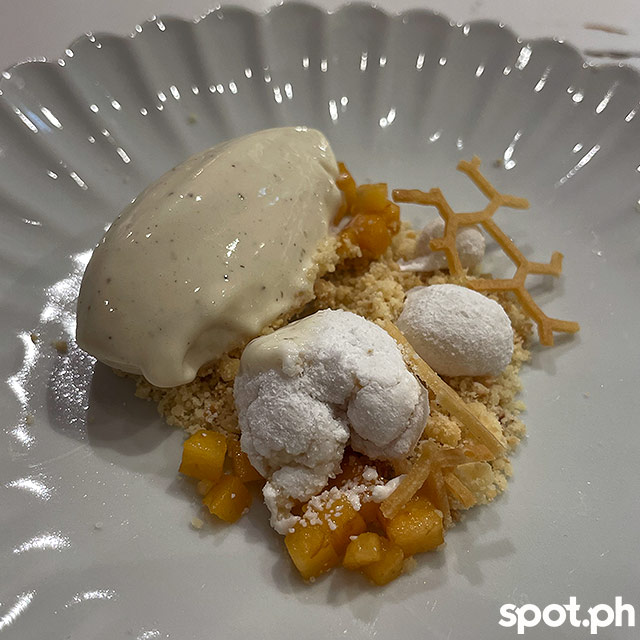
Yuichi and Naomi admit they’re not huge on dessert, and prefer their sweet meal-ender with a savory edge—thus the night’s Dessert of a truffle-soy gelato, mochi, and amazuke. This was one of those simple but memorable endings that played on contrasts—sweet and creamy from the gelato, chewy from the mochi, umami from the truffle and soy.
Perhaps what kept the omakase especially memorable was the personal touch lent by Yuichi and Naomi explaining their ideas, laughing as siblings and all, right in front of you as a diner—and the diners interacting with each other in the process. There’s going to be more where that came from.
Coming Soon From Chef Yuichi
A number of the dishes from the omakase will also be served at the chef’s soon-to-open restaurant, described as a casual fine-dining establishment—think fine-dining caliber bites (“[infused with] our Japanese-Filipino background," Yuichi tells us) that you can nosh on with friends and family in tow.
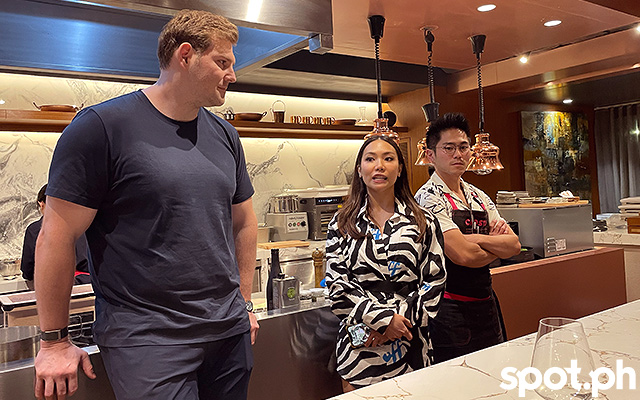
Diners in Japan “don’t tend to go into restaurants with bigger groups,” he explains, sharing how they’d typically eat out in groups up to, say, just three if not dining solo. Chef Yuichi admits how he misses the experience of being in a bigger group with friends and family, sharing food in the middle of the table. “What we try to offer with this future restaurant is that we want [that] feeling [of] talking to your friends and family, sharing foods that you communicate to each other. The way I see it is, the food in between connects everyone.”
The restaurant is slated to be opening by the first quarter of 2024.
Hey, Spotters! Check us out on Viber to join our Community and subscribe to our Chatbot.