
This Colorful Café in Davao Champions Filipino Chocolate From Bean to Bar and Beyond
Come for the chocolate treats from local brands, stay for the killer hot chocolate.

Cacao Culture
512 Mangga Street, Juna Subdivision, Davao City
Contact: 0991-366-6575
Facebook: www.facebook.com/cacaocultureph
Open from 9 a.m. to 7 p.m., Monday to Sunday
(SPOT.ph) Davao is pretty much synonymous with chocolate and cacao in all forms. At the recently opened Cacao Culture outpost along Mangga street, which is part-chocolate shop and part-café with some of the best hot choc in town, owners and partners Kenneth and Shiela Reyes-Lao explore the confection and its origin—from its roots as a cacao fruit, to its transformation into chocolate, to all the possibilities it can go from then on.
Also read:
Cop Some of the Best Local Chocolates From This Online Shop
The Best Local Brands With Swoon-Worthy Bean-to-Bar Chocolate
How Tigre y Oliva Is Building a Global Name Using All-Local Ingredients
Here’s why this new chocolate shop and café in Davao is a must-visit:
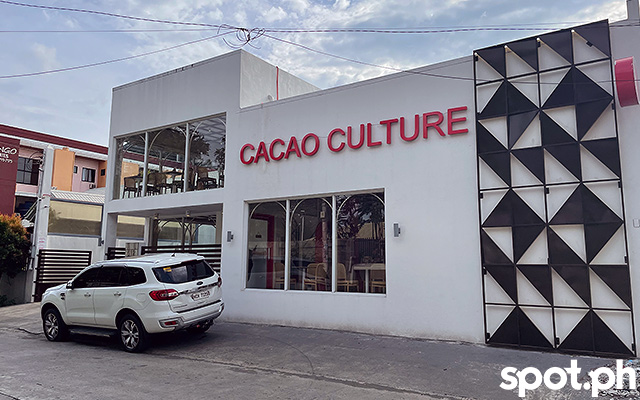
Mangga street is rather quiet and laid-back, being located in a residential area in Davao. Once you see the pop of red, you’ll know you’ve come to the right place. Fronting the Cacao Culture shop, after all, is giant red text spelling out its name against the white walls—and you’re more than welcome to peek through the glass windows, or better yet, step into their space.
Quick rundown of their backstory: the Cacao Culture brand was set up as Kenneth and Shiela moved to Davao in 2016 and learned about cacao’s business potential—right on the heels of the local government pushing for Davao cacao to be in the spotlight. With that, the two took advantage of opportunities to join training sessions by the DTI, DA, and private sectors, and soon opened a cacao seedling nursery.
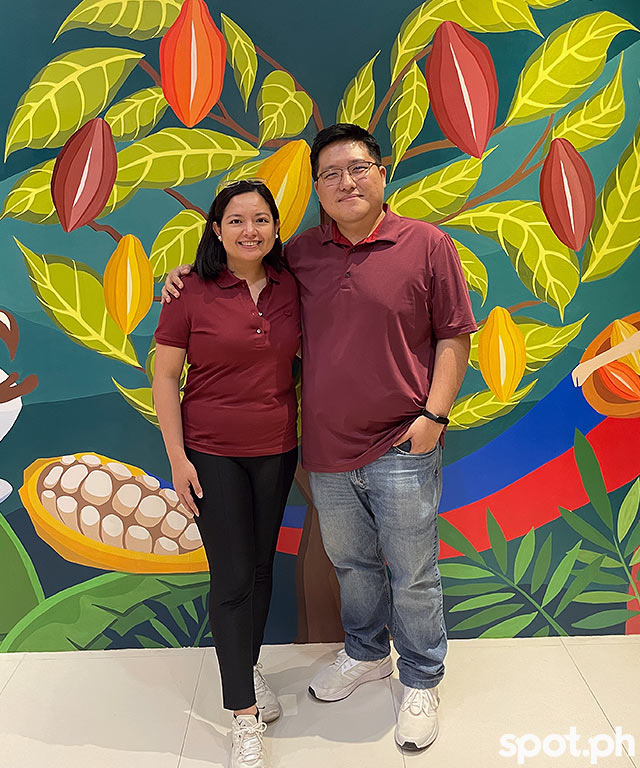
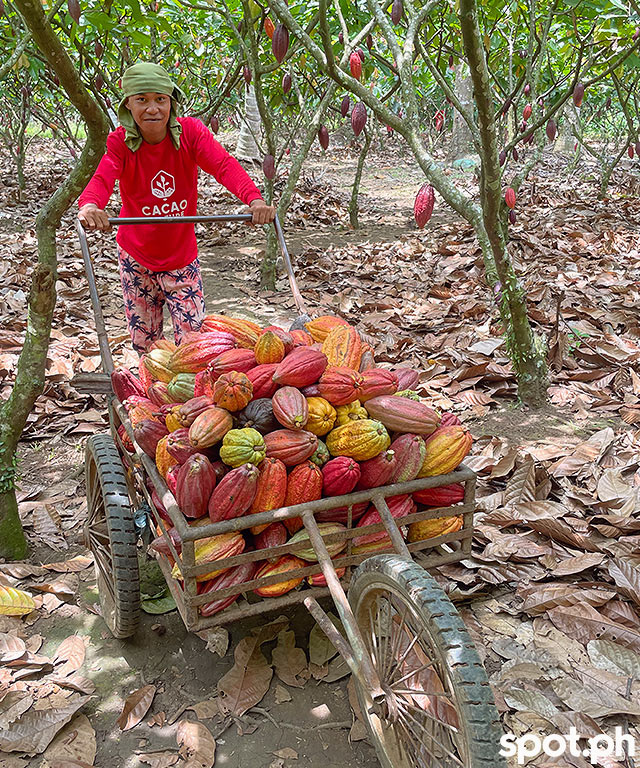
Kenneth and Shiela also started their own three-hectare cacao farm in Calinan in 2017, the cacao grown from which they use in their own chocolate products (more on that in a bit). From selling just their products, they started stocking products from other local chocolate players during the pandemic—and from operating just online for the most part, they finally opened this brick-and-mortar spot last July.
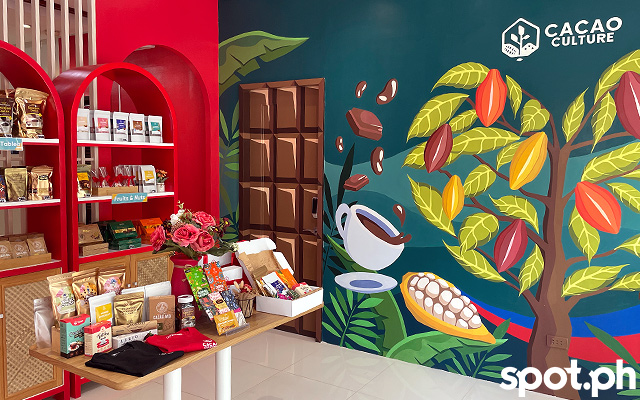
Somehow, Cacao Culture’s space manages to be both stimulating in visual, yet quaint and cozy in feel. Wide glass windows allow the natural light in, illuminating the colorful walls and other fixtures inside.
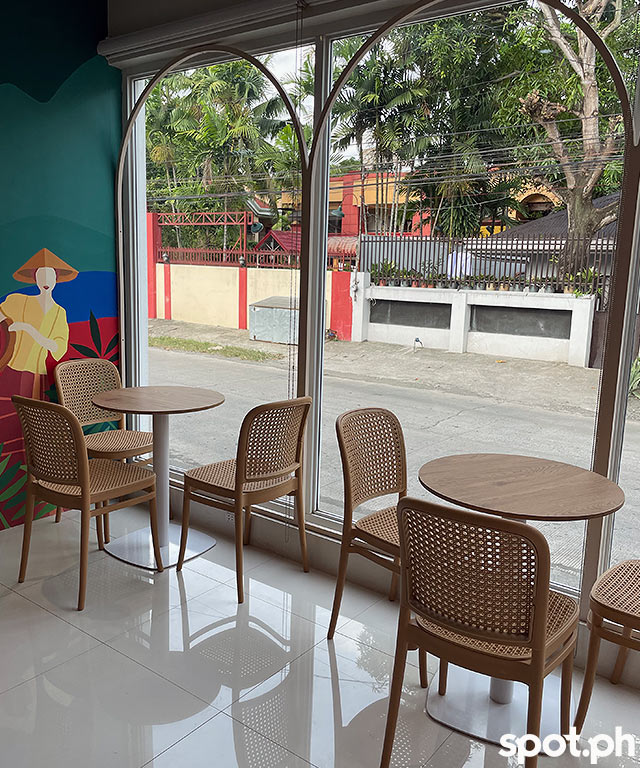
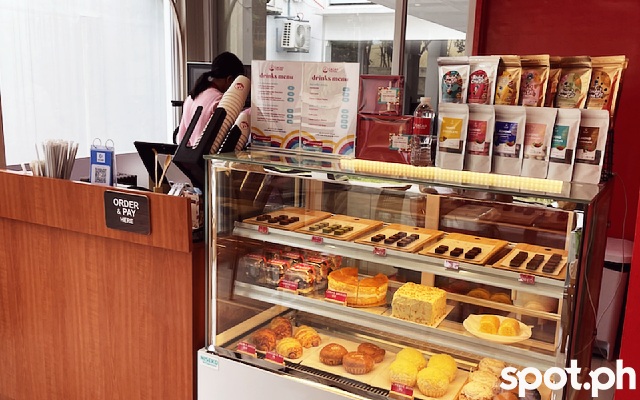
The space is more or less divided into two, in line with the twofold nature of their identity. Look to your left and you’ll see the main café area, with a pastry shelf that stocks sweet and savory treats from local bakers.
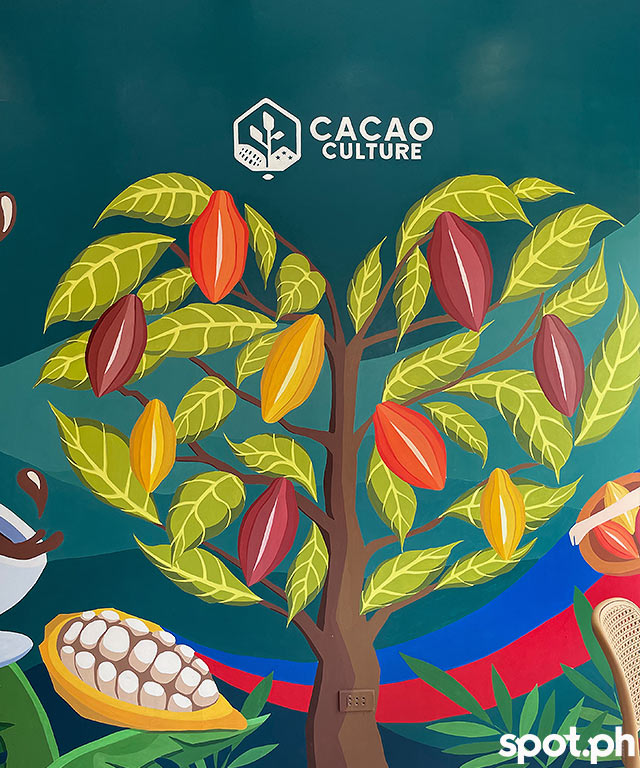
Meanwhile, the shop area of Cacao Culture can be found on your right side—and it’s bound to catch your eye with its color scheme of teals, bright greens, yellows, browns, and reds (the last four evoke the color range of cacao pods). Perhaps most striking is the mural on the rightmost wall, depicting a cacao tree shaped like a heart—in line with their mission of ”spreading love for Philippine chocolate.”
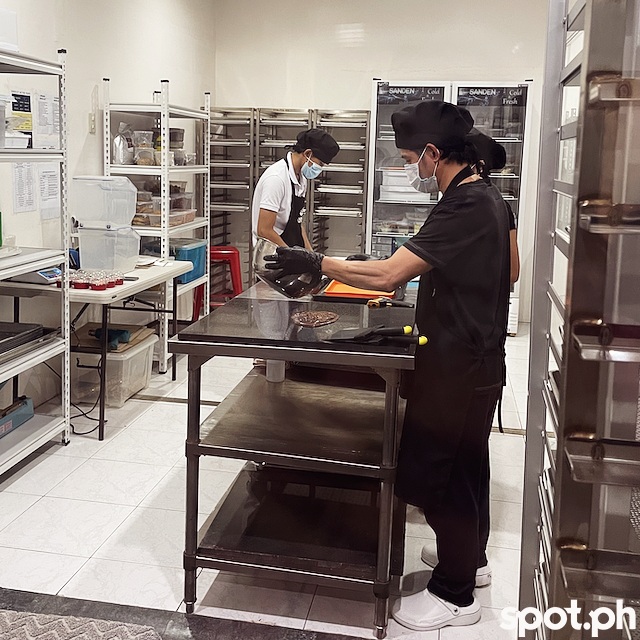
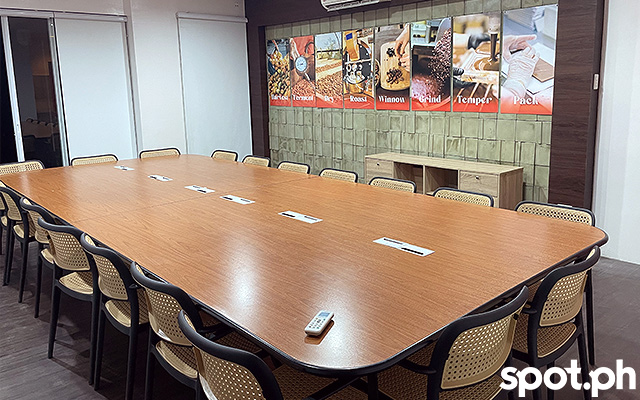
At the back of the store is a controlled-temperature room where you’ll find the staff tempering chocolate and working on selected products—in particular, their chocolate-covered almonds, which are done by hand the old-fashioned way, i.e., by tossing almonds in melted chocolate and stirring continuously until it hardens slightly, then adding more melted chocolate and repeating until a thick coating is formed. Upstairs are private rooms that can also be utilized for events.
Cacao Culture’s Hot and Iced Chocolate Beverages + Caffeinated Sips
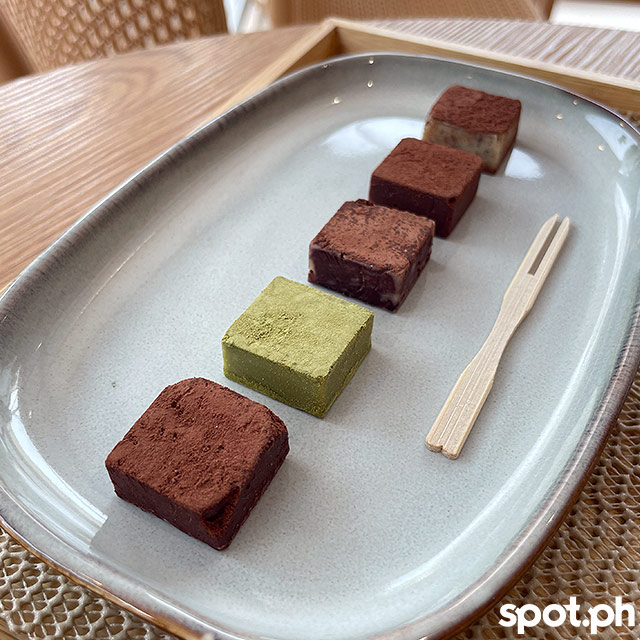
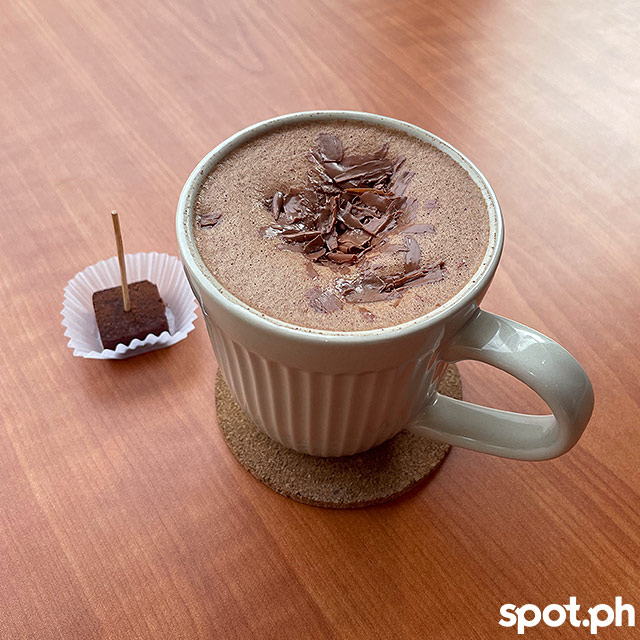
It’s from the café that Cacao Culture serves their signature hot and cold chocolate drinks, all made with the brand’s own cacao and chocolate from their own farm in Calinan, Davao. All chocolate drinks come with a small square of their Nama Chocolate—essentially squares of ganache dusted with cacao powder, best savored in small nibbles and allowed to melt on the tongue.
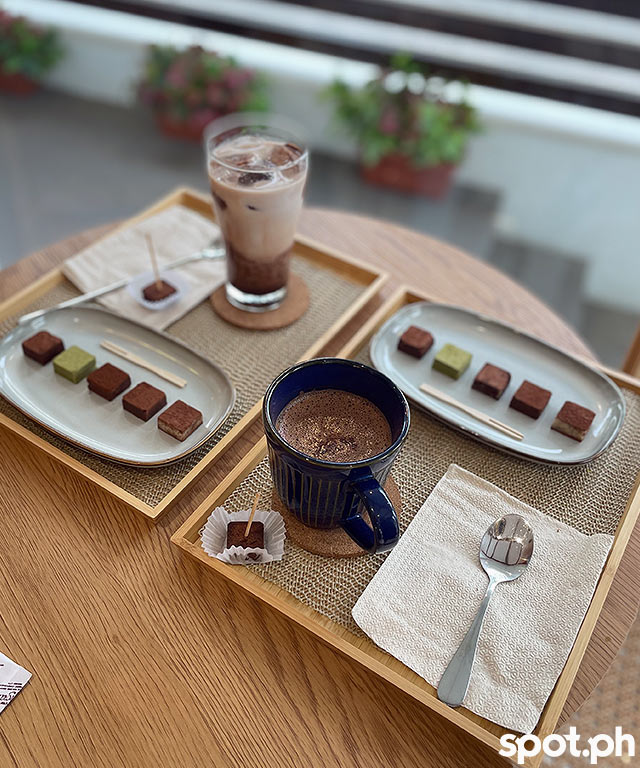
Purists will want to bookmark the Pure Dark Hot Chocolate (P95/regular, P125/upsize), made with just two ingredients: the brand’s own premium tablea and water, thus putting the cacao’s robustness at the forefront. Worth noting is the smooth consistency of the drink—look ma, no grittiness, just a touch of the cocoa’s natural tannin toward the end.
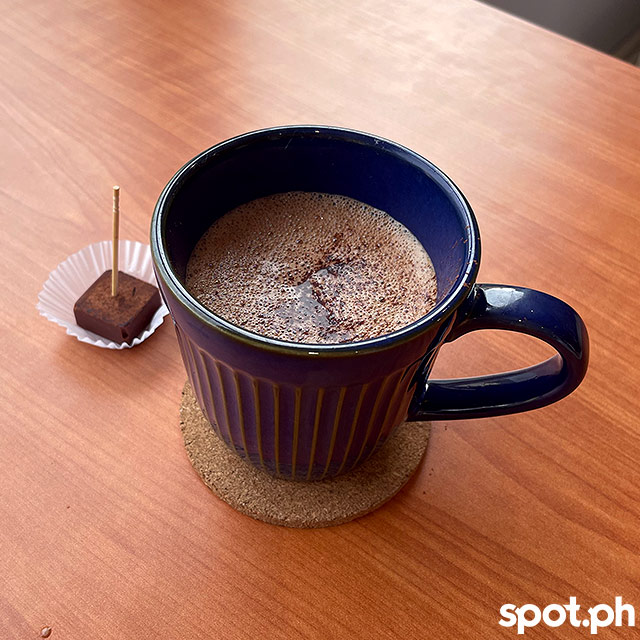
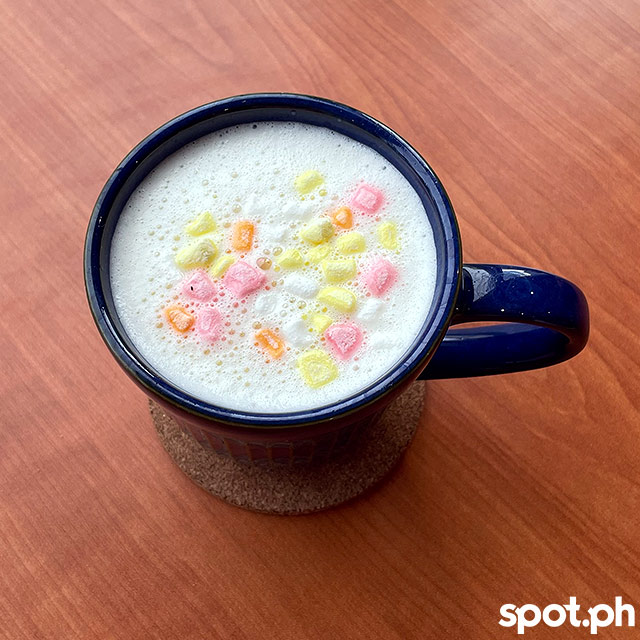
Should you want it richer, you can go for the previous drink’s dairy-infused cousin: the Signature Hot Chocolate (P105/regular, P145/upsize) with tablea and milk for the best of both rustic and creamy worlds, with the top foam making way to the velvety drink underneath. (Pro tip, you can opt to have this with oat milk for a dairy-free alternative.) Meanwhile, whimsical is the name of the game for the 32% White Hot Chocolate (P165/regular, P185/upsize), which combines white chocolate, milk, and a colorful topping of mini marshmallows that melt into the warm drink as it sits.
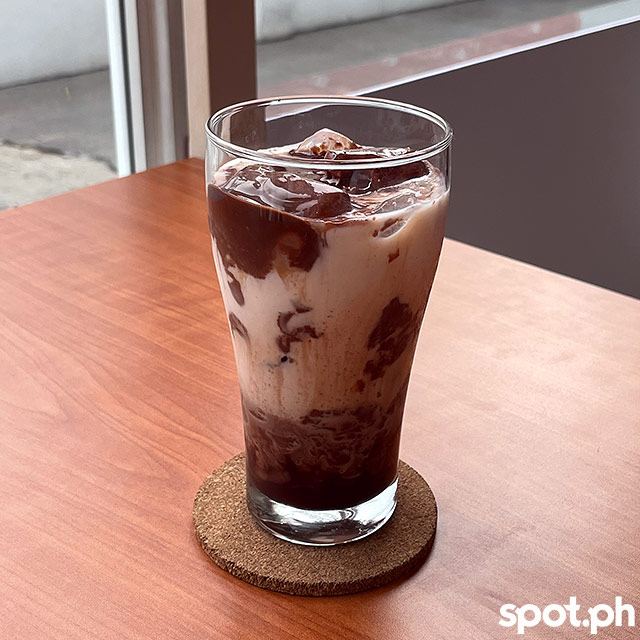
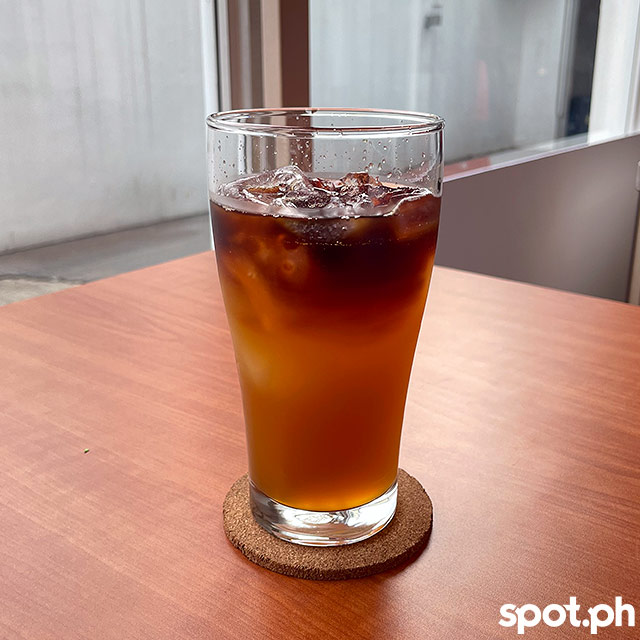
For days when temperatures are soaring, they’ve got cold chocolate beverages, too. The Iced Nama Dark Chocolate (P175/regular, P215/upsize) delivers full-bodied sips, while the Iced Nama Matcha Choco Strawberry (P195/regular, P235/upsize)—one of the newest drinks on their lineup—pairs earthy matcha, lush white chocolate, and a tangy berry compote at the bottom. Need caffeine? Coffee drinks are also available—from the classic Americano (P100/regular, P130/upsize) to the more offbeat Calamansi Cold Brew (P130/regular, P160/upsize).
Shop + Celebrate Filipino Chocolate
Around the shop you’ll see their array of chocolates—all by local brands, using local cacao from different parts of the Philippines. The idea is also called bean-to-bar chocolate, referring to how the chocolate maker is involved from the very making of the chocolate base using cacao beans; many of these brands use cacao beans purchased from other local farms external to them, but some—like Cacao Culture—have their own cacao farms where they get their own beans.
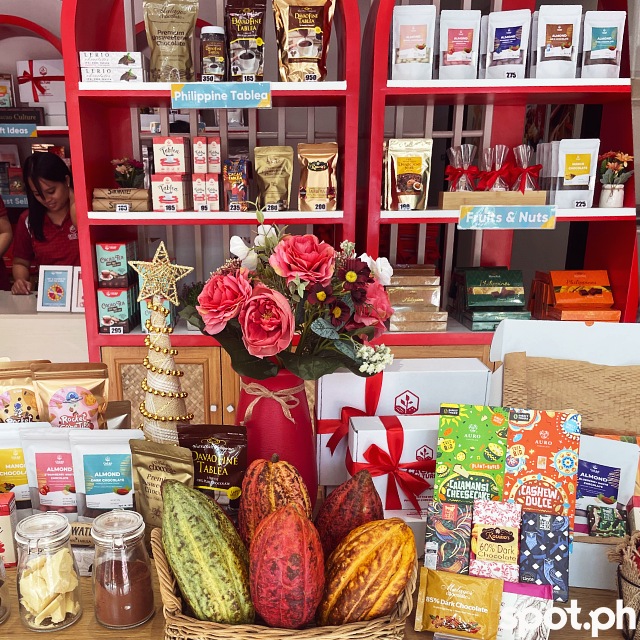
This includes their own brand’s products, of course. Cacao Culture happens to be one of those who make chocolate products with direct involvement from the cacao level. Early products by Cacao Culture were more centered on the, well, cacao side of things—think 100% Pure Tablea (starts at P95/72 grams) and Cacao Tea (starts at P165/30 grams), which you can shop at the store. Eventually, they thought to explore the chocolate-making and confectionery side as well, initially through self-study and eventually even taking workshops in Manila to refine their craft.
Their range of chocolate treats today includes Bonbons; melt-in-the-mouth squares of Nama Chocolate (starts at P270/solo box, in variants ranging from Milk to Dark to Matcha and so on); Truffles (P450/tin); Mango Chocolate (P225/100 grams); the Chocolate-Covered Almonds mentioned previously (P275/100 grams; choose from Dark, White, even Strawberry and Blueberry variations flavored and colored with freeze-dried fruit); Rocket Cone Tips or chocolate-filled ends of sugar cones (starts at P175/130 grams); Chocolate Barks (starts at P390/150 grams; flavors include Dark Chocolate with Mango and Pistachio, Milk Chocolate with Hazelnut and Cranberry, et cetera); and so on.
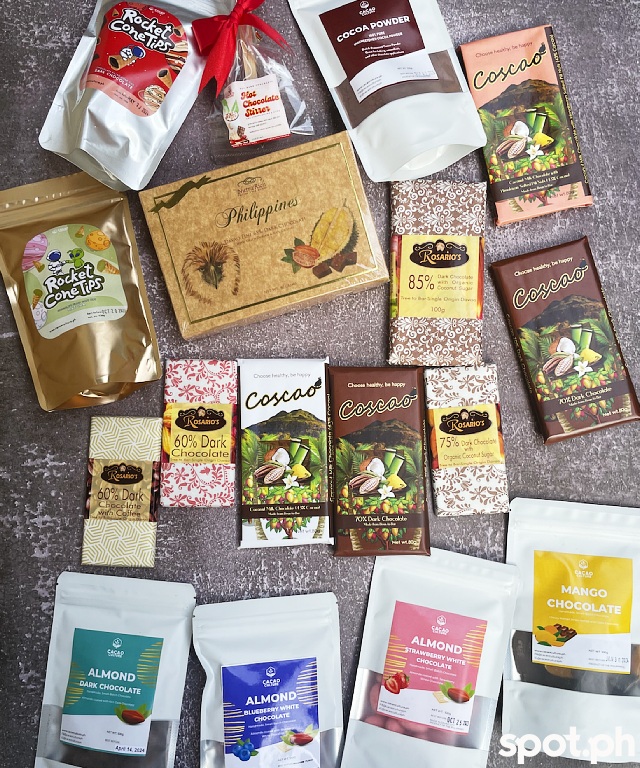
As mentioned, Cacao Culture also sells chocolate by other local players—a move they started making during the pandemic, to help keep the industry alive and kicking. You’ve likely encountered Malagos, Auro, and Theo & Philo in Manila, but don’t miss the chance to cop treats from other brands that are harder to come by in the Metro: Lerio, Nutrarich, Coscao Chocolate, Sikwate!, Rosario's Delicacies, and more.
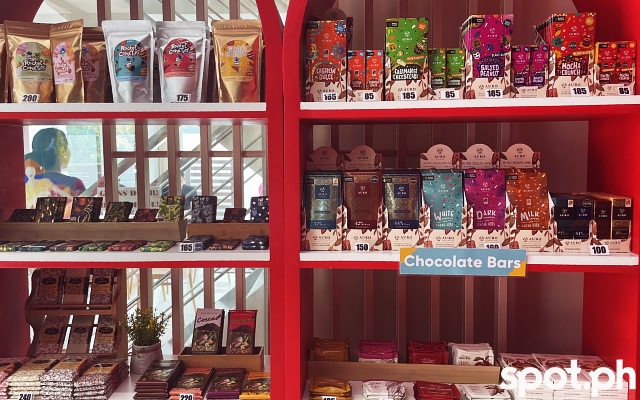
Not in Davao anytime soon? They’ve yet to bring their drink lineup to us in the Metro, but you can order most bars and other products have them shipped to our part of the country via their website. And, yup, they take precautions to help ensure your orders don’t melt, using special insulated packs as needed to keep the contents cool.
Kenneth and Shiela may have gone into cacao for its business potential, but their approach at Cacao Culture today goes well beyond this. Aside from giving other chocolate purveyors an avenue to sell their products, they’ve also started posting educational videos on Youtube on all things chocolate and cacao—and gained a fair following from it (rougly 14,100 subscribers and more than 500,000 total views, as of writing).
“At the end of the day, it's Philippine cacao,” Kenneth tells us. “Our mission has [always] been just spread love for Philippine chocolates.”
Hey, Spotters! Check us out on Viber to join our Community and subscribe to our Chatbot.