
A Hearty Pork Curry + DIY Leaf Wraps Make This Well-Loved Thai Spot Worth a Revisit
Mango Tree teaches us there's way more to Thai cuisine than pad thai.
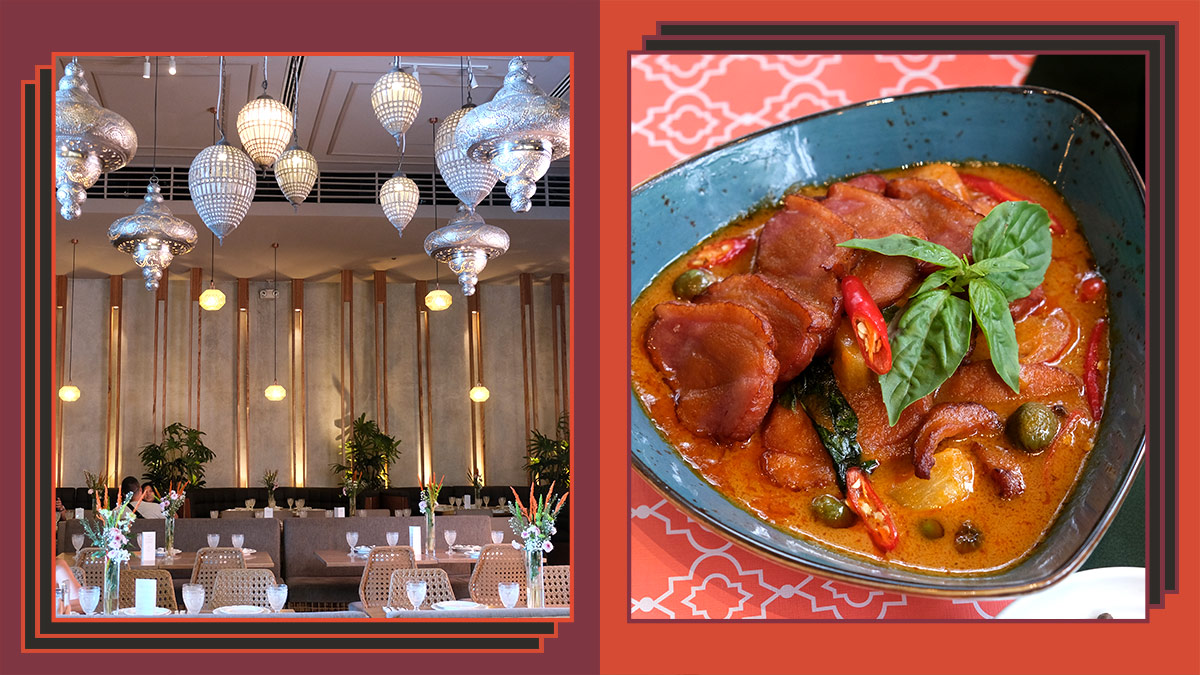
(SPOT.ph) Much like Filipino cuisine isn't just adobo and sinigang, Thai cuisine isn't limited to pad thai and tom yum. There's plenty of diversity between the country's regions, and when it comes to food, the city of Chiang Mai in Northern Thailand has some of the most bedazzling flavors on offer. Ever tried laarb, kaeng hang le, or miang kham? Here's your chance to do just that, sans the need for a plane ticket: Mango Tree's got new dishes taking after Northern Thai classics!
Also read:
Top 10 Pad Thai in Manila
10 Places for Great Thai Food in Metro Manila
This Thai Restaurant Is Freshening Up Their Menu With Veggies Grown in Metro Manila
Here's what to try from Thai restaurant Mango Tree's Chiang Mai menu:
Mango Tree might best be known for their reliable takes on popular Thai fare, but this time around, they're highlighting the (in these parts, lesser-known) flavors of Chiang Mai. The city—whose founding dates some 700 years back—has been subject to the rule of the Mon, Khmer, and Lanna kingdoms, and this remains evident in their food today. They're big on the use of seasonal produce, and fans of bold flavors—both features you'll happily find in Mango Tree's Chiang Mai dishes, which were created following a trip their chefs took to Thailand. The trip was a fully educational one, Mango Tree shares, as their chefs learned from acclaimed chefs Kannika Tassanaprasit (of Iron Chef Thailand!) and Phanuphon "Black" Bulsuwan, as well as from Northern Thai Hill Tribes.
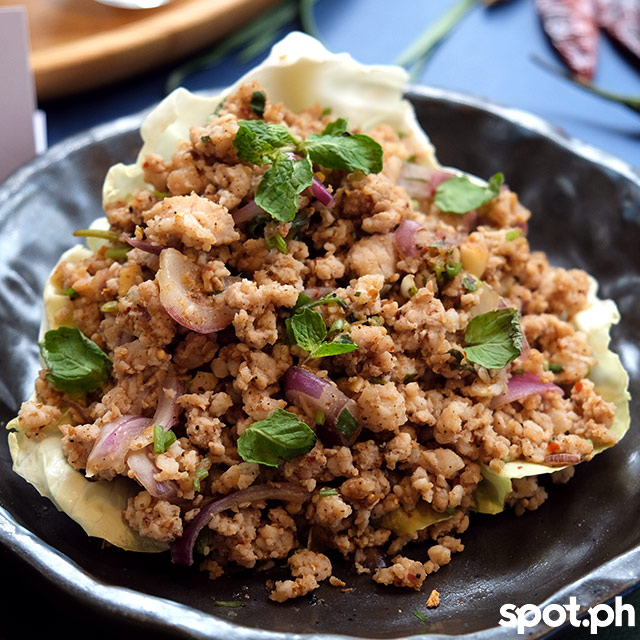
That laarb we mentioned is the Chiang Mai Laarb Khua, a dish of stir-fried minced pork that packs plenty of vivacity thanks to lime juice, fish sauce, zest from cilantro (shush, haters—it works here), and zippiness from citrusy, peppery Makwan peppers. While meat dishes have a rep for being on the heavy side, this piquant dish (which, arguably, can be categorized as a salad) begs to differ; it's not overly spicy either, making it great as a starter.
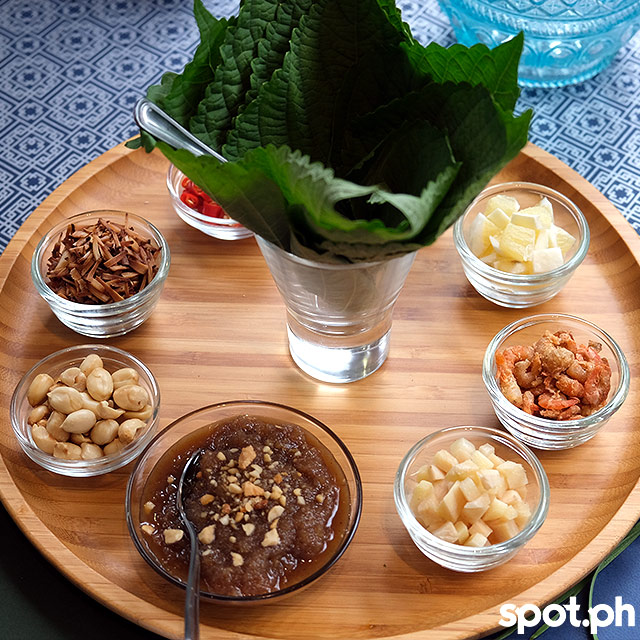
There's something eternally fun about food where you get to build your own bites. If Korea has their KBBQ, Chiang Mai has the Miang Kham (P500). This interactive dish (called leaf-wrapped salad bites by some) arrives as a colorful plate with sesame leaves in the center and an array of other ingredients (coconut flakes, peanuts, dried shrimps, galangal, lemon, and chopped chilies) surrounding it; go ahead and assemble your own little mini-wraps with as little or as much of each ingredient as you'd like (pile on the chilies if you like it spicy!), then dip it into or drizzle over the sweet, garlicky Miang Kham sauce before popping the piece in your mouth.
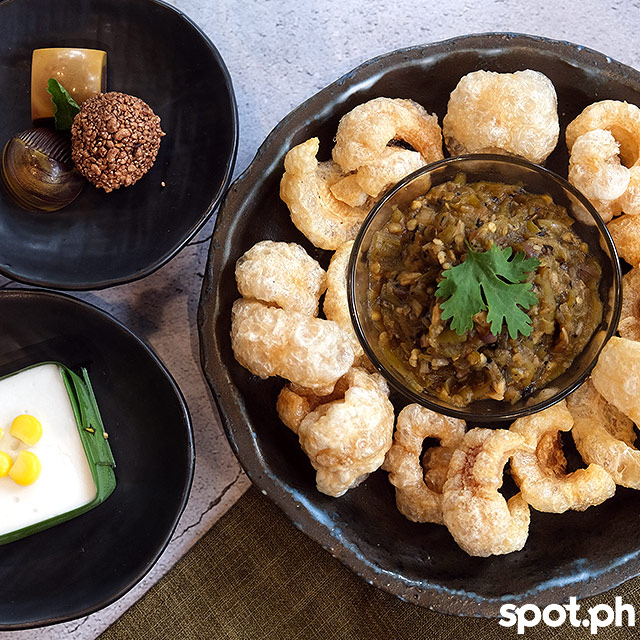
Like Filipinos, the Thai are big on condiments, one major type being what's called nam phrik—usually a mixture of aromatics and chilies that's pounded together into a potent dip-slash-sauce. In Northern Thailand it's all about Nam Prik Noom (P250), a concoction of roasted green chilies with an earthy, smoky character (similar to Middle Eastern moutabal) and a welcome kick of heat. Mango Tree serves it with pork cracklings (yup, chicharon), which makes for a light yet crackly vessel for sopping up the nam prik noom. This pairs great with Mango Tree's range of cocktails: refresh your palate with the effervescent and citrusy Thai Basil Cucumber Cooler, or go all-out festive with the ravishing red Thai Blast Sparkle.
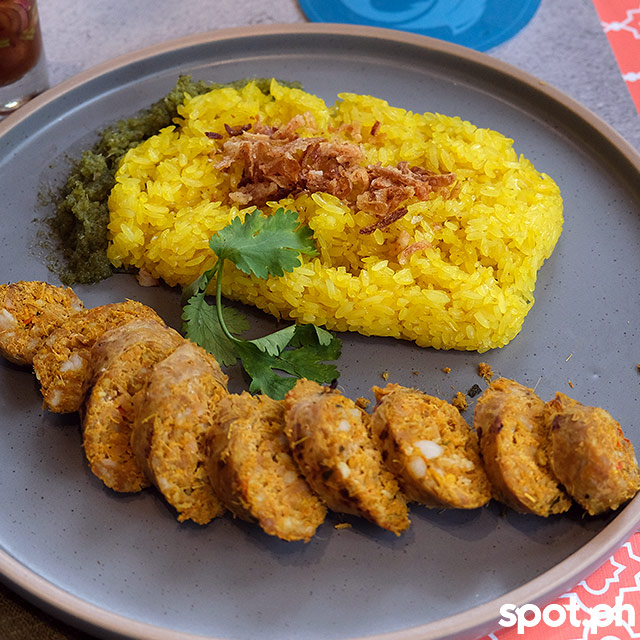
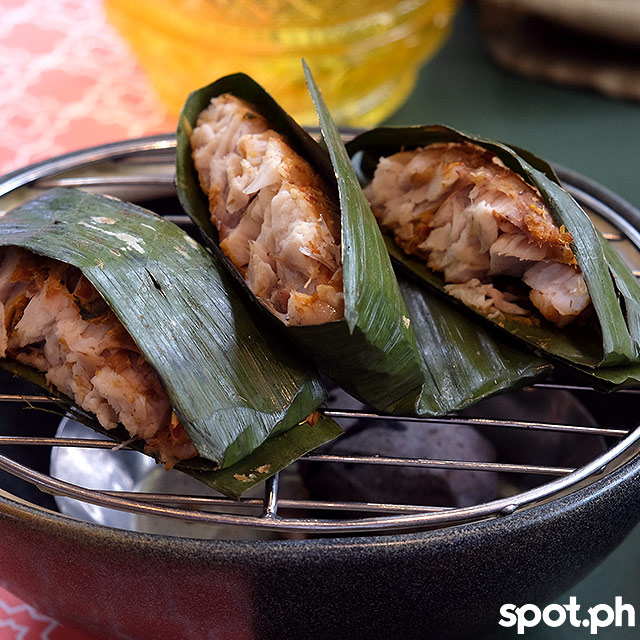
Northern Thailand has its own take on sausages, too, called Sai Oua with Turmeric Sticky Rice (P550). Mango Tree's version gets its bright yellow hue from turmeric, and delivers fragrant yet zippy, herb-forward bites (we're getting garlic, ginger, Makrut lime, and lemongrass) with just enough heat to keep you going back for more pieces. Prefer a lighter option? Go for the Hill Tribe Aeb Pla (P580), a dish of fish and aromatics wrapped in banana leaves and steamed so as to fuse all the flavors into the seafood. This is kept company by two dips (slash toppings): prik nam pla, the classic condiment of fish sauce with aromatics like garlic and cilantro; and a drier, umami-rich shrimp paste-based dip with what we're guessing to be galangal, shallots, lemongrass, and chilies.
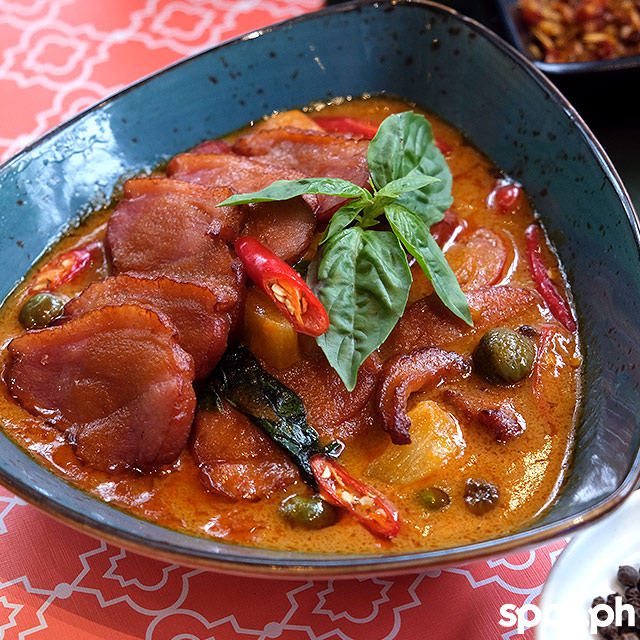
Should you find yourself here with an empty stomach demanding to be filled, definitely place an order for the Kaeng Hang Le (P550). This Northern Thai pork curry is as stick-to-your-ribs as it gets, pairing tender, slow-cooked meat and a soulful sauce that doesn't fall short on flavor. It starts with a sweet soy profile that reminds the team of pork humba, then goes the umami direction thanks to fermented bamboo shoots, before rounding things off with the classic Thai curry flavor combo toward the end.
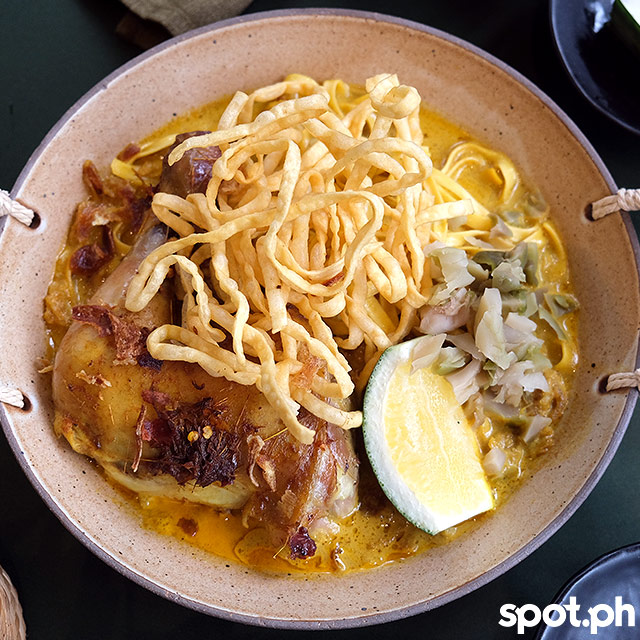
Also on the hearty end of the spectrum is the Khao Soi (P580), a classic Chiang Mai noodle soup that's perfect downed when it's cold or raining out. This dish pits together contrasting textures: a rich yellow curry sauce with just a hint of heat, and crispy egg noodles—part of which softens and gets chewy as it sits in the warm sauce. Don't forget to squeeze over the lime before diving in—it's just the thing to cut through the sauce's creaminess, along with the pickled veg.
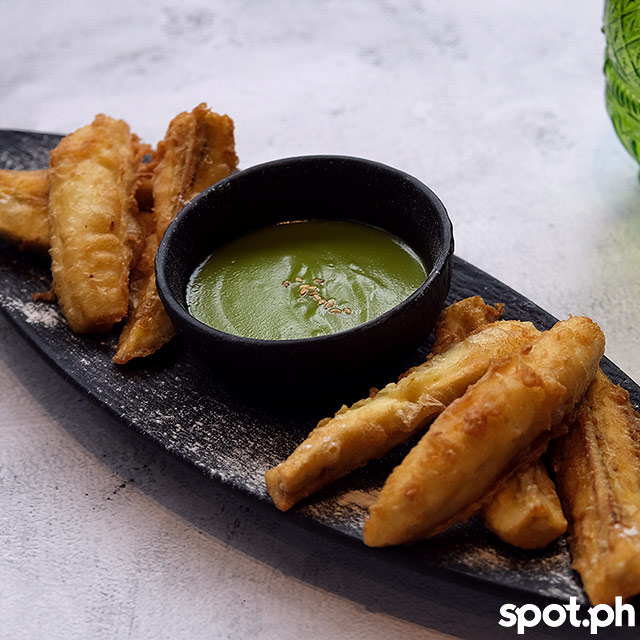
Try not to stuff yourself too too full, though, if only to save room for the Banana Fritters with Pandan Sauce. This dessert of fried battered bananas plus a pandan-scented coconut sauce is best consumed while warm for a most memorable ending.
Mango Tree is a brand of Thai restaurants originating from Bangkok. They came to the Philippines in 2010 and currently have nine stores nationwide (two of which are in Manila: Mango Tree in Bonifacio Global City, and Mango Tree Café in Trinoma); they've also got branches across Thailand, Japan, Vietnam, Hong Kong,
Singapore, China, United Arab Emirates, and the United Kingdom.
Mango Tree is at G/F C3 Bonifacio High Street, 5th Avenue corner 30th Street, Bonifacio Global City. Mango Tree Café is at 3/F Trinoma North Avenue, corner Epifanio de los Santos Avenue, Bago Bantay, Quezon City. For more information, check out Mango Tree Manila's Facebook page.
Photos by Janelle Sy
Hey, Spotters! Check us out on Viber to join our Community and subscribe to our Chatbot.