
Modan Flies Us Around Bhutan, Korea + More in Latest Tasting Menu
Inspired by parts of Asia that Chef Jorge Mendez holds fond memories of or admiration for.
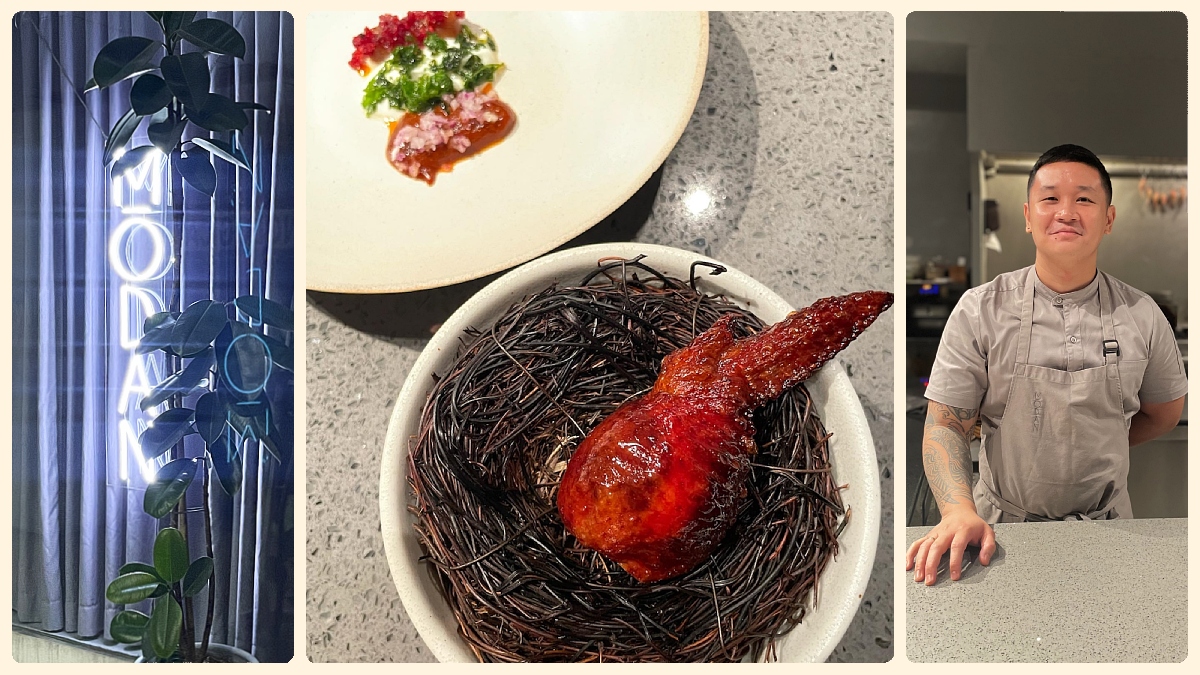
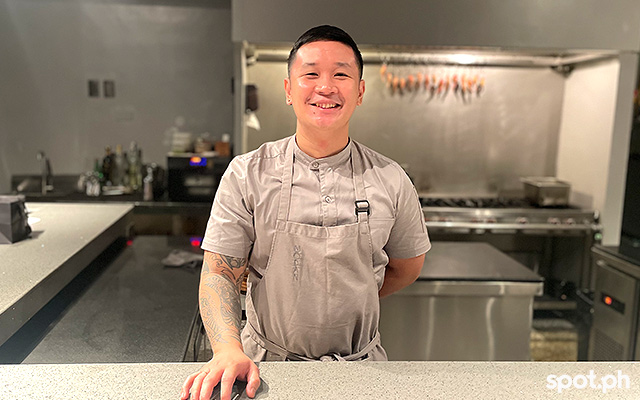
(SPOT.ph) Modan may be known for emphasis on Japanese flavors gone progressive, but in recent months they’ve proven to transcend these borders of influence. In February they debuted what’s called their Global menu, highlighting different parts of Asia with personal significance for Chef Jorge Mendez. But the tour’s not done yet, and they continue flying us across the continent with their new degustation, dubbed their Asian Leg 2.0.
Also read:
Memories Are Pieced Into Modern Japanese Plates at This New QC Private-Dining Spot
Progressive Japanese Flavors Unfold in Modan's New Origami-Inspired Tasting Menu
Modan’s Asian Leg 2.0 tasting menu
The neo-Japanese dining spot in a low-key location takes us on another ‘round-the-continent trip with their new menu dubbed the Asian Leg 2.0. As with the previous global menu, each course on this round is inspired by destinations Mendez has traveled to, or greatly reveres for other reasons. Diversity of cultures covered aside, the lineup remains cohesive, in part due to the strategic use of Japanese ingredients and components alongside that of other cuisines—so the resulting plates are still distinctly Modan overall.
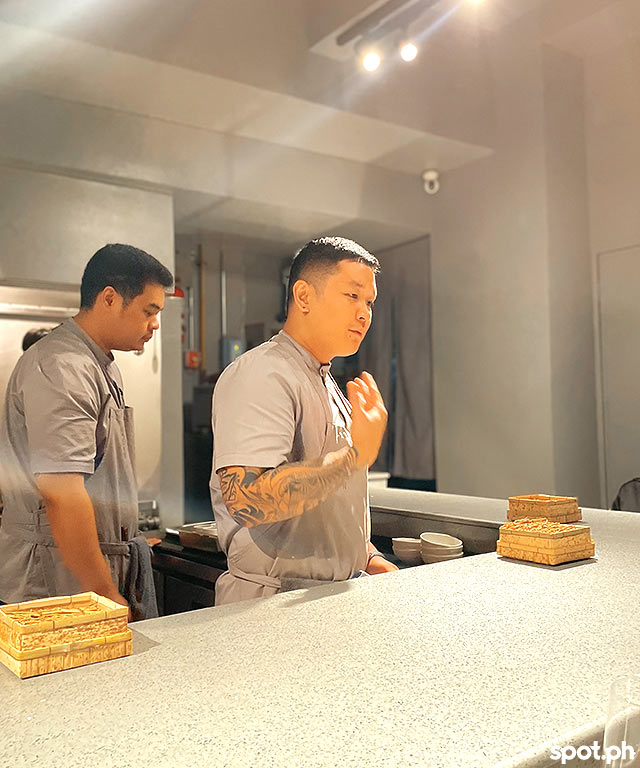
“I think now [our menu at Modan is] more of me na,” says Mendez when asked how his approach has evolved since they first opened in 2022. “Before, parang clueless pa ako, [sa] first menu [and] second. Now parang, what I want to serve is how I enjoy the food—how I want people to enjoy it. Very detailed na siya, very now. We make sure it’s unique.” Modan also debuted a three-sided omakase-style counter earlier this year, which strikes a happy balance between communal and intimate, and allows you to easily interact with the Modan team should you have queries.
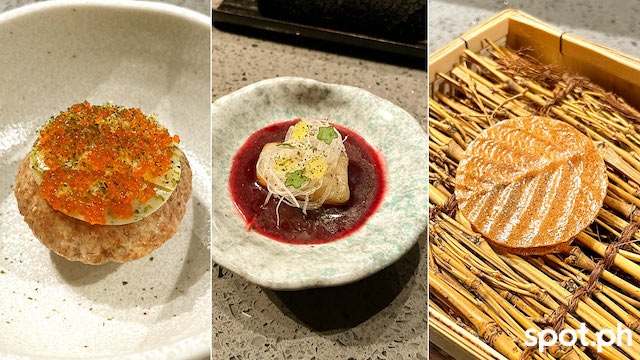
We start from the Philippines with a cup of sinanglaw, which we’re told Chef Jorge would sip on (from a mug, a la coffee!) first thing in the morning as a kid. Modan’s take on the Nueva Vizcaya soup pairs the tang and umami of the original with the brininess of seafood, being comprised of a seafood-collagen soup base, kamias bits, mayu (garlic) oil, and strips of shiso leaves for an aromatic note. Perhaps to denote our takeoff from the ground, three “Snacks” follow, inspired by the three habitats: Forest, as coffrets of earthy mushroom and foie plus savory-sweet fermented kuromitsu; Land, as wheat cracker soufflés with a filling of beef tartare plus black vinegar gel, wasabi cream, and tamago sheets; and Sea, in the form of binchotan-grilled brown butter cured scallops swimming in hibiscus tosa, topped with a radish salad.
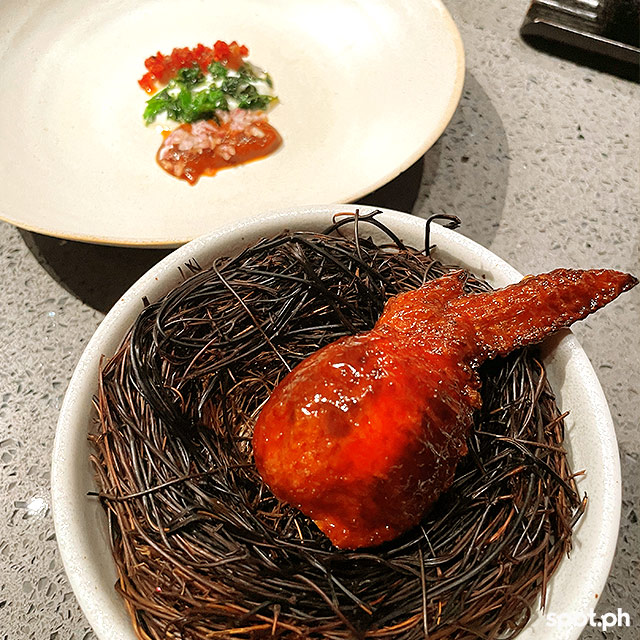
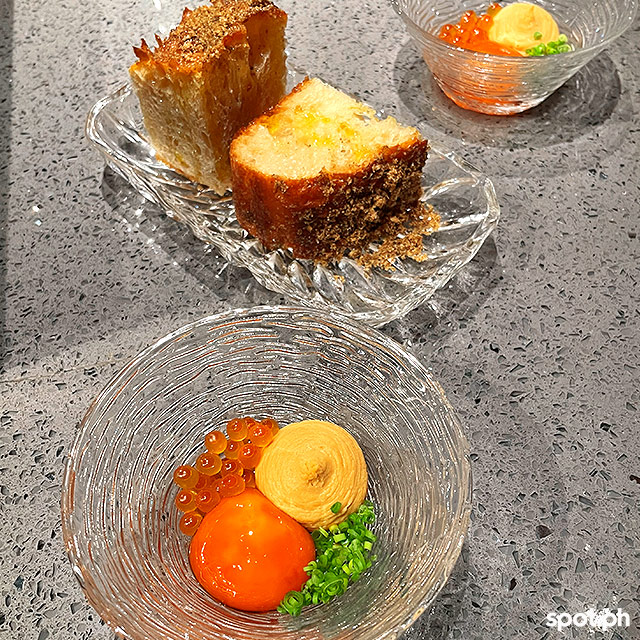
Our first stop on the tour is Bhutan, in the form of a grilled chicken wing (taking after Modan’s fan-fave tsukune) stuffed with biryani shari. As with its predecessors, you’re meant to grab the wing by the tip and use to wipe down the sauces on the side; this round’s is comprised of ume paste with cranberries, yogurt with cilantro, and a butter chicken sauce with shallots, inspired by the “best butter chicken” Mendez got to try after an hours-long mountain-climbing escapade in the said country. Modan’s signature Japanese-style focaccia makes a reappearance in the Bread served afterwards, waiting to be torn with the fingers to mop up its sidekicks of a soy-cured egg yolk, ankimo hummus (they went there), ikura, and spring onions.
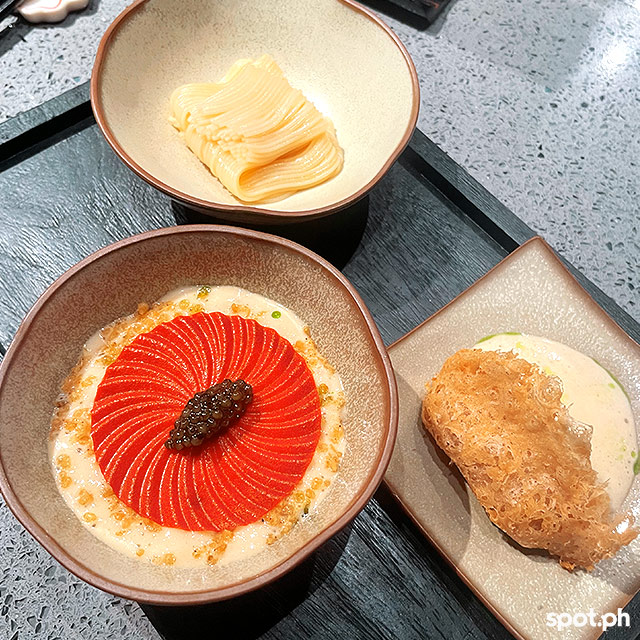
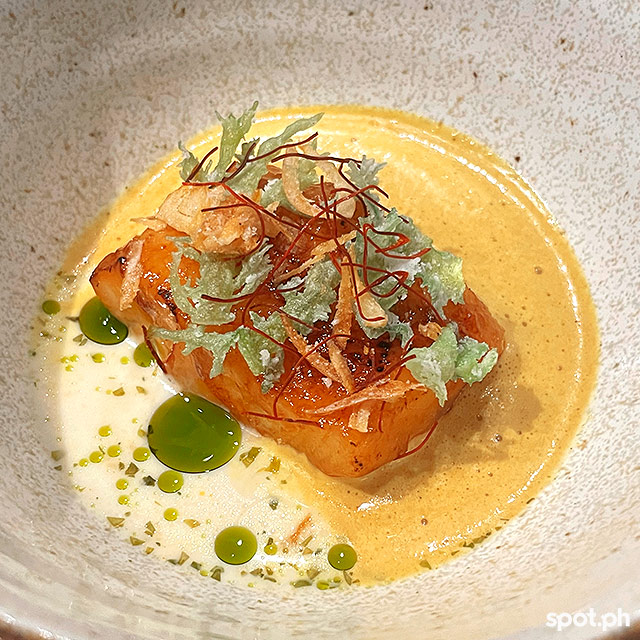
Mendez had the opportunity to try the traditional noodle dish called khow suey in Myanmar, and sought to make it more “elegant” as well as more Modan. He thus transforms the idea into a course akin to Japanese dipping noodles, starring Modan’s scratch-made somen noodles and a bowl of kaki taro foam topped with tamanegi and Nomad caviar—plus an accomplice of an oyster taro puff imbued with Szechuan peppercorn. In Malaysia, he highlights the Malaysian style of rendang, described to be less intense (but in its own right satisfying) compared to its Indonesian counterpart. Its flavors are thus a perfect pair to this course’s centerpiece of halibut marinated in miso and coconut, which is then topped with katsuoboshi milk, rendang foam, and pandan oil, then served over a water chestnut-farro salad.
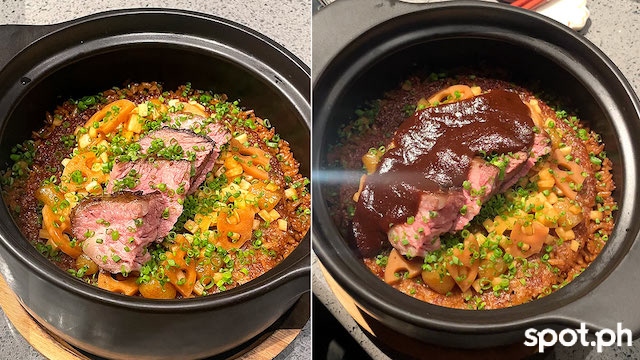
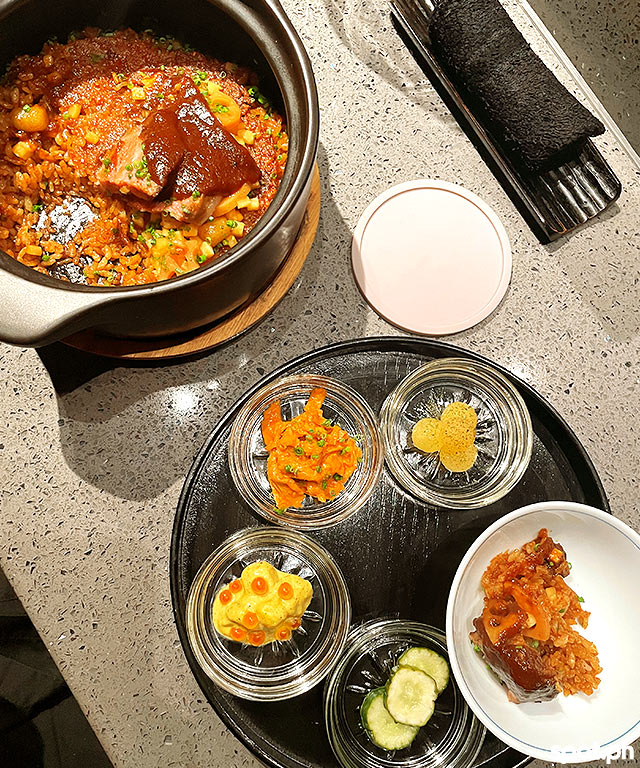
Our main destination this time around? Korea—that is, with a Korea-fied version of Modan’s well-loved donabe rice. Mendez admits he has yet to visit Korea (he was meant to in July but fell ill at the time), but here he pays tribute to a jjajjangmyeon, which he would eat a lot of in Subic. As the pot is uncovered, you’re met with steaming-hot rice brimming with sukiyaki beef, soy-marinated radish chunks, cassava tteokbokki, and juicy chunks of braised Wagyu shortribs; Mendez and team then ladle over jjajjangmyeon sauce, their interpretation of which is less salty than most, but still delivers black bean-y depth of flavor. In true Korean fashion, taking after the culture of serving banchan, it comes with sides of yuba kimchi, curry potato salad with ikura, and apple and kyuri tsukemono you can pick up with your chopsticks in between spoonfuls of the rice.
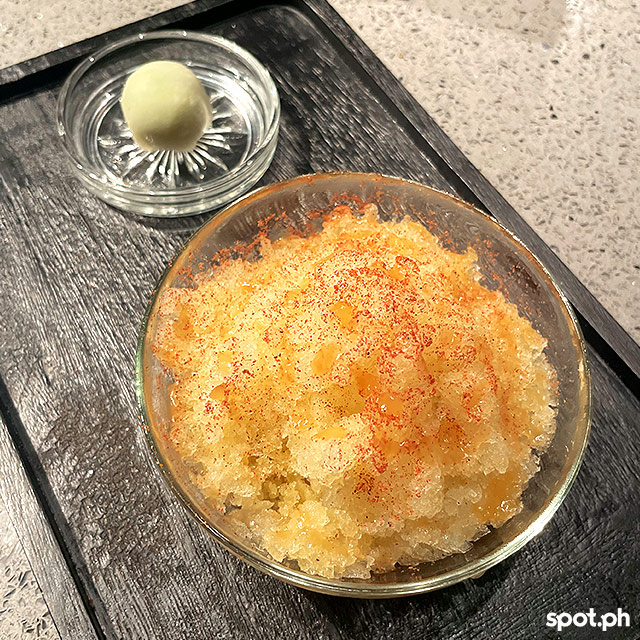
It’s all been a vibrant, multicultural flavor affair thus far, and Modan concludes the tour by taking us back to Japan for dessert. Nutty meets fruity in this treat of genmaicha kakigori, where feather-light shaved ice saturated with genmaicha syrup comes studded with genmaicha jelly, muscat grapes, and chia seeds. Ricotta ice cream matcha mochi makes for a chewy, creamy, earthy-bittersweet accompaniment.
Interestingly, for this leg, the Modan team doesn’t present us with the menu until the end of the meal, with the goal of having diners enjoy the moment and keep their attention on their food. “I’m not sure why, but most of our clients [would tell us] after, ‘You know, Jorge, I didn’t know the ingredients I ate, but I liked it’—parang gano’n,” Mendez shares. Perhaps it’s a testament to Modan's knack employing sophisticated ingredients and techniques to whip up plates diners ultimately relate to.
Hey, Spotters! Check us out on Viber to join our Community and subscribe to our Chatbot.