
That Text From “GCash” or “BDO” With a Link Could be a Scam
Just because it came from an official source doesn't mean it's legit.
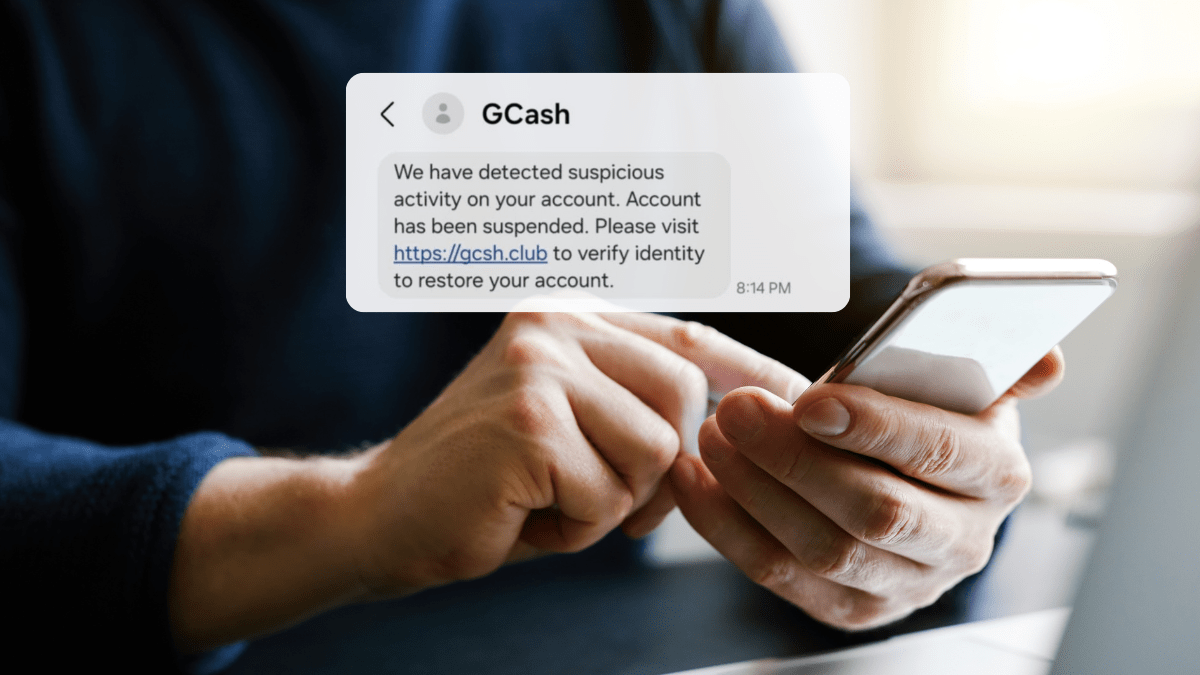
(SPOT.ph) If you’ve received a text message from GCash, BDO, or any other official-looking sender, don’t rush to believe it just yet.
Years of relentless text scams have trained us to put our walls up—we’ve now grown skeptical of every suspicious message that pings into our inbox. The SIM Registration Act of 2022 was supposed to fix the problem, but instead of reducing scams, it feels like we’re just getting hit with smarter, more believable ones.
SMS spoofing is the latest trick, where scammers pose as legitimate companies to trick people into believing the messages, catching even the most cautious among us off guard. How does it even work?
Also read: Received a Text About a Traffic Violation? It's a Phishing Scam, LTO Warns
What is SMS spoofing?
Spoofing is when scammers manipulate the sender ID to make messages look like they’re from a trusted source like telecom companies, banks, or government agencies. These texts often claim account problems, fake rewards, or unauthorized transactions.
The goal is simple: to make you trust the message enough to take action. It feels even more believable because the spoofed message blends in with your existing text history from the company, making it harder to spot as a fake. They prompt recipients to click on fraudulent links or provide sensitive information, which can then be used to access online banking, e-wallets, or social media accounts.
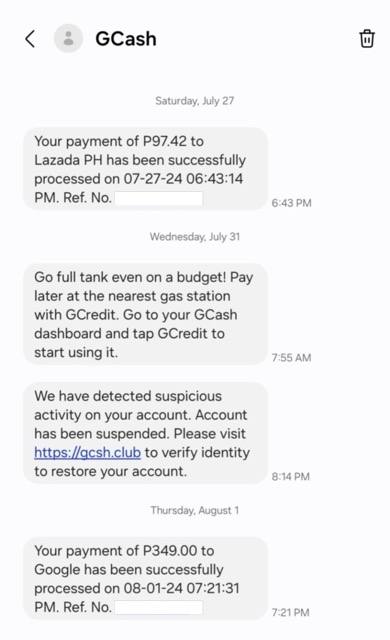
How is this possible? Scammers use illegal devices called International Mobile Subscriber Identity (IMSI) catchers. These portable devices simulate cell towers, allowing them to intercept communications and send messages with falsified sender IDs. Since these messages appear to come from trusted companies like Smart or Maya, they bypass spam filters and show up in your inbox just like any regular text.
“Spoofing is a form of cybercrime that is becoming increasingly difficult to detect. We urge everyone to be extra cautious with any SMS that asks for personal information or prompts to click on a link,” Globe’s Chief Information Security Officer Anton Bonifacio said.
How to protect yourself from SMS spoofing
Several companies like BPI and GCash have issued customer advisories that official messages through email, SMS, and other messaging platforms do not and will not contain clickable links.
Globe has also shared some best practices to help consumers avoid falling victim to this scam:
- Never click on links from unknown or suspicious sources.
- Avoid sharing personal information via SMS, even if the sender appears to be legitimate.
- Stay informed about the latest scam tactics and regularly update your knowledge.
- Be skeptical of unsolicited messages offering deals that seem too good to be true.
- Activate spam filters on your phone, if available.
Also read: Got an Invite to Do Basic Work for Cash? It Could Be a Task Scam, PNP Warns