

The SPOT.ph Guide to Cemeteries in Metro Manila
You don't want to get tangled in the crowd.
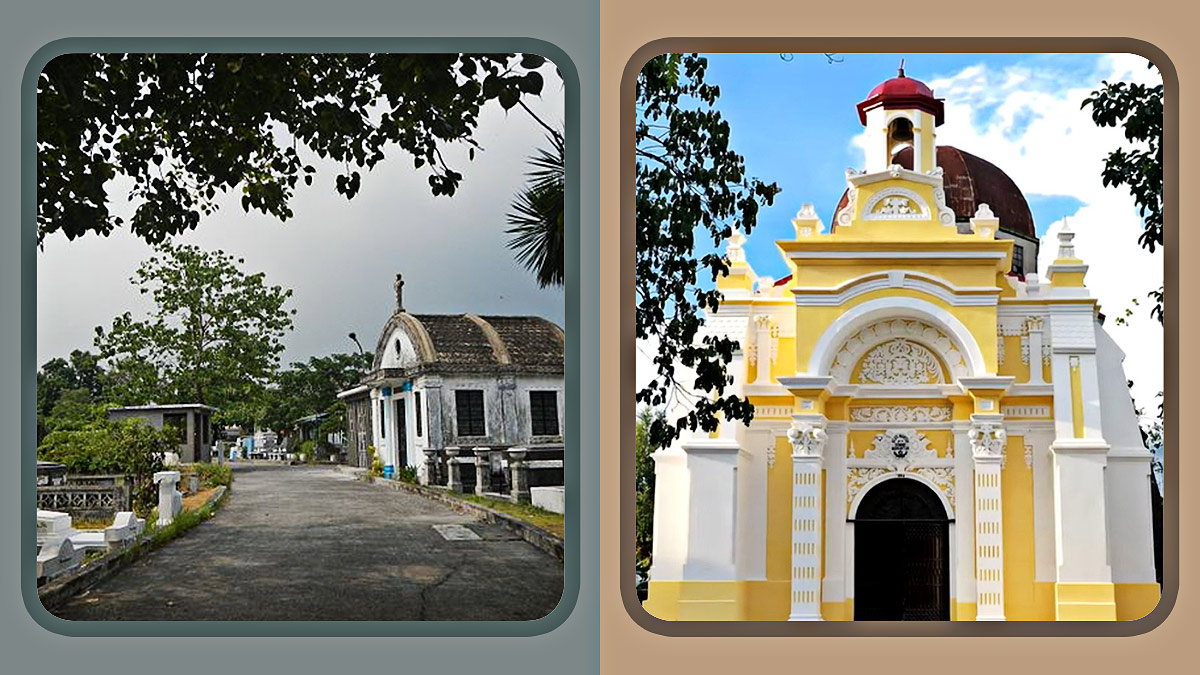
(SPOT.ph) While November 1 is technically All Saints' Day, and November 2 is All Souls' Day. They both mean the same for Filipinos: our very own undas. It's the time of the year when we visit the cemeteries to pay respects to our dearly departed loved ones. Make your visit less of a hassle, despite the crowd, through this quick guide.
These are the major cemeteries in Metro Manila:
Parking may be a bit of a problem considering the volume of people coming to cemeteries this week. Aside from that, there will be road closures in the areas near the cemeteries, so you may want to consider other means of transportation during this day.
Manila North Cemetery

Andrés A. Bonifacio Avenue, Santa Cruz, Manila
Open from 5 a.m. to 5 p.m. starting on October 31
The Manila North Cemetery is one of the largest cemeteries in the Philippines that was laid out in 1904. This cemetery is known for its grand mausoleums and for being the final resting places of many prominent figures in Philippine history, such as Juan Nakpil, Asiong Salonga, and Amado Hernandez.
La Loma Cemetery
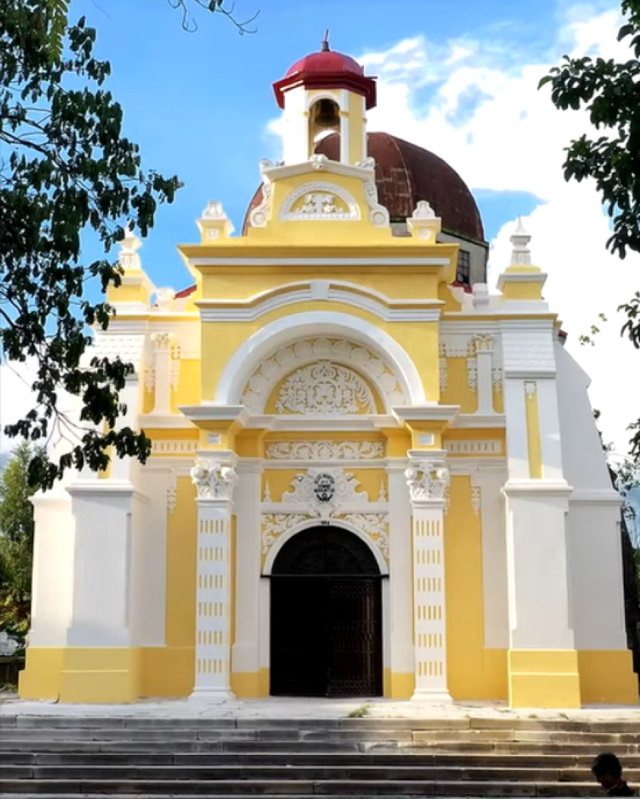
1400 Rizal Avenue Extension, Grace Park West, Caloocan
Open from 8 a.m. to 5 p.m.
La Loma Cemetery is considered one of the oldest cemeteries in Manila. It was formerly known as Cementerio de Binondo and was opened in 1884. It's also known as one of the sites in Manila that withstood World War II. Marcela Agoncillo is laid to rest here.
Manila South Cemetery

South Avenue, Manila
Open from 5 a.m. to 5 p.m. starting on October 31
This 1925-established cemetery is known for its tranquil and well-maintained grounds, with a mix of old and modern graves. It's also the burial site of several famous individuals, such as Elpidio Quirino, Ramon Bagatsing, and Leon Guinto. While it is in Manila, it is surrounded by areas under the jurisdiction of Makati City.
Himlayang Pilipino Memorial Park
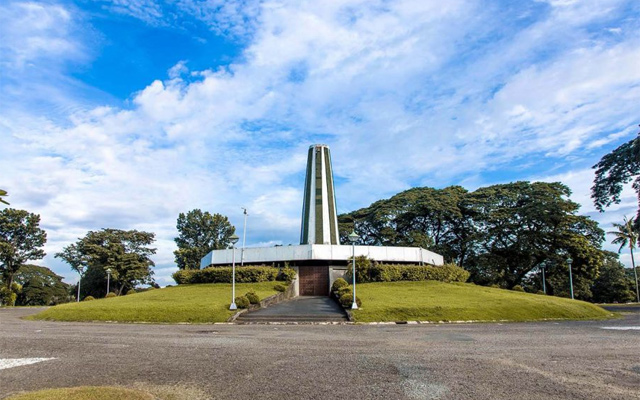
Tandang Sora, Quezon City
Open for 24 hours on November 1, open until 5 p.m. on November 2
Located in Quezon City, it is known for its well-landscaped gardens, memorial chapels, and modern facilities. It's been in existence since 1971. Some of the famous people who were buried here are Rolando Santos-Tino and Manuel Amoranto Ramirez.
Holy Cross Memorial Park
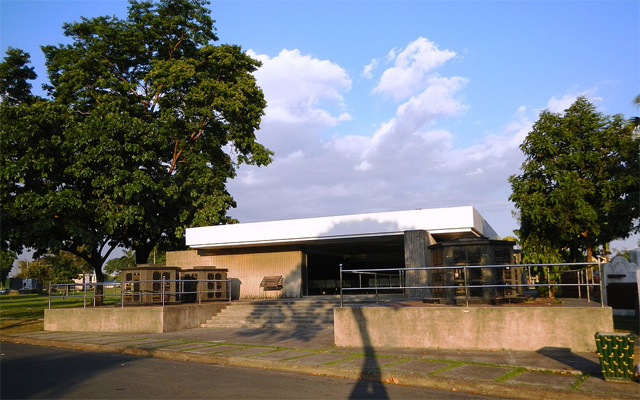
Barangay San Bartolome, Novaliches, Quezon City
Open from 7 a.m. to 5 p.m.
Situated in Quezon City and opened in 1965, this cemetery is recognized for its serene environment, well-maintained grounds, and modern facilities for memorial services. Two of the notable people who are buried here are Fr. Horacio dela Costa and Fr. Romeo Intengan.
Loyola Memorial Park Marikina

A. Bonifacio Avenue, Tanong, Marikina
Open from 8 a.m. to 6 p.m.
Loyola Memorial Park Marikina was established in 1964. It is known for its beautiful landscape, well-kept gardens, and various chapels. Notable people like Nida Blanca, Francis Magalona, and Fernando Amorsolo are buried here.
Manila Chinese Cemetery
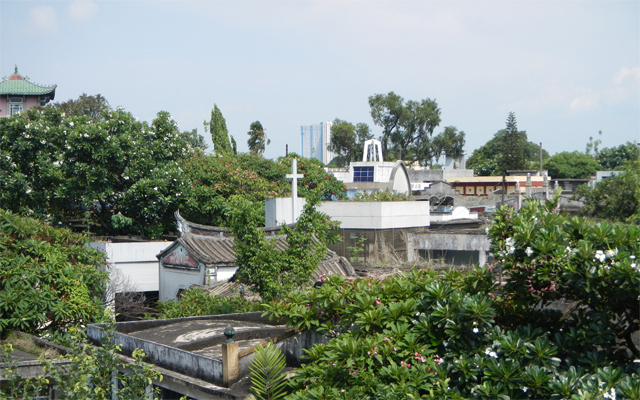
Santa Cruz, Manila
Open from 9 a.m. to 3 p.m.
Established in 1843, Manila Chinese Cemetery (formerly Cemeterio Para Chinos) is considered the second oldest cemetery in Manila. The place is meant to be a burial ground for non-Catholics and Chinese citizens whom Spanish officials denied burial. Vicente Lim is one of the notable people laid to rest here.
List of dos and don'ts when visiting cemeteries:
Visiting cemeteries during special occasions like All Saints' Day and All Souls' Day is a deeply ingrained cultural tradition. To ensure a respectful and meaningful experience, you must be aware of the dos and don'ts when paying your respects at these sacred sites. Here are some that’s worth keeping in mind:
What to do:
- Respect graves. Imagine it as if you're visiting someone's home. When you're at a cemetery, avoid stepping on tombstones or markers. Stick to the paths if possible, and be mindful of the sacred ground.
- Bring candles and flowers. It's like bringing a small gift. People here usually bring candles and flowers to place on the graves. Lighting a candle is a beautiful way to show remembrance and respect for the departed.
- Light candles. When you visit a grave, light a candle or two. It's a meaningful symbol of your remembrance, almost like saying, "I remember you."
- Pray and remember. Take a moment to offer a prayer for the deceased. It's a way to connect with them, even if they're no longer with us. You can also share stories or fond memories about the person you're visiting.
- Observe cleanliness. Keep the place tidy. Throw your trash in the designated receptacles. If there aren’t any in the area, keep it until you find one.
- Dress appropriately but comfortably. Wear modest and respectful clothing when visiting the cemetery. Some people prefer wearing white because it symbolizes purity and respect.
- Respect privacy. If you see a family gathering or a ceremony taking place, keep a little distance. It's their time to remember their loved ones, and you wouldn't want to interrupt their rituals.
- Be mindful of photography. Taking photos can help you remember the visit, but always ask for permission to take pictures of specific graves or people.
- Follow the rules. Check for any posted rules or regulations in the cemetery. They might have other guidelines on top of those already announced, so it's a good idea to follow them.
What not to do:
- No picnicking. Think of it as a solemn occasion. While it's okay to bring some food to share with family and friends, remember that the primary purpose of the visit is to honor the deceased. Avoid making it a lively or noisy event. Also, don't bring alcoholic beverages as these are not allowed.
- No vandalism. Just as you wouldn't write or draw on someone's belongings, don't do it on graves or tombstones. And please, don't touch or tamper with any items left on the graves.
- No loud music. Keep the music volume down. Playing loud music or engaging in noisy activities can be disruptive and disrespectful to others who are there to pay their respects.
- No shortcuts. Stick to the paths and walkways. The cemetery isn't a shortcut to another destination. It's a place where people come to remember and honor their loved ones.
- No confrontations. Emotions can run high during cemetery visits. Try to avoid conflicts or confrontations with other visitors, even if you have a disagreement.
- No offensive language. Speak softly and respectfully. Avoid using offensive or inappropriate language out of consideration for the solemn atmosphere.
- No souvenirs. Refrain from taking any items from the cemetery, even small ones. It's important to respect the sanctity of the place and its contents.
Also read:
Spooky Attractions in Metro Manila to Get You Into the Halloween Spirit
PNR Has Additional Stops in Some Cemeteries for Undas Week