
Supply Chain Issues, Delays: What's Behind the Cebu Pacific Flight Disruptions?
Plus how they're handling it.
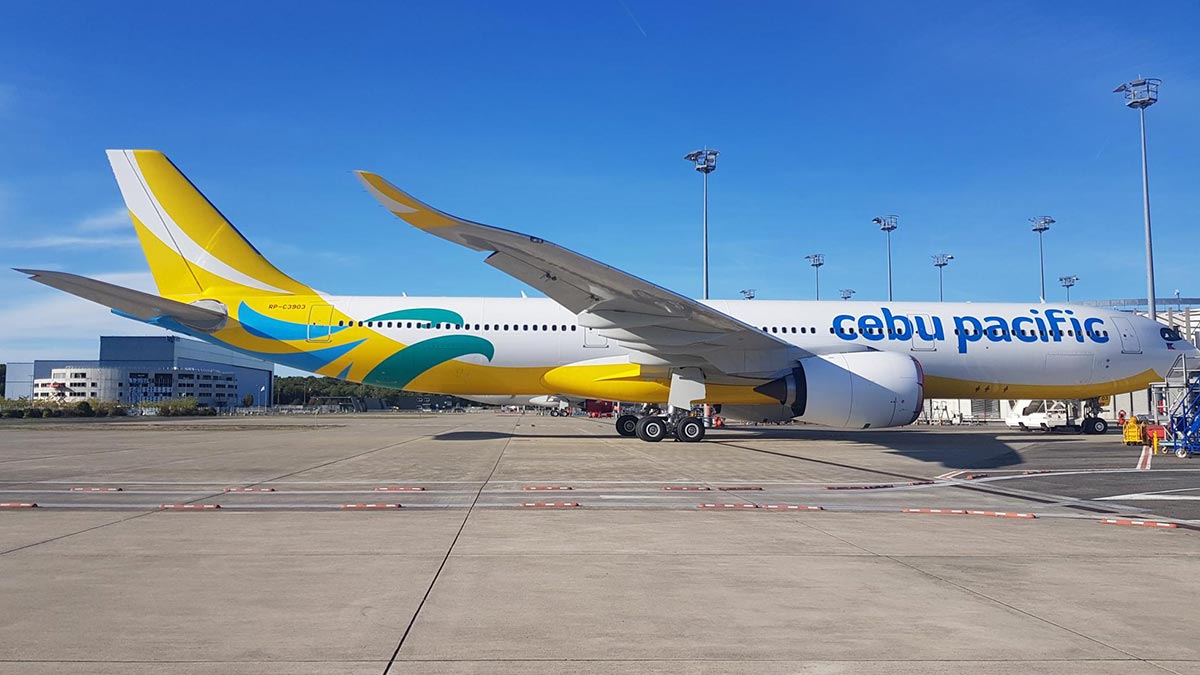
(SPOT.ph) Cebu Pacific apologized for disruptions in its operations that prompted flight delays and cancellations as it listed down the factors that affect its performance when it faced senators in a joint committee hearing on Wednesday, June 21.
Alexander Lao, its president and chief commercial officer, appeared at the first Senate committee hearing on tourism and public services which looks into the complaints against the airline as more passengers complain of overbooking, offloading and booking glitches, some of which went viral on social media.
"We express our sincerest apologies to our passengers for the disruptions and assure you that we are committed to resolving these challenges. We value the trust and confidence of our passengers and are committed to providing safe, affordable and reliable flights. Naiintindihan namin na responsibilidad pa rin namin ito bilang serbisyo publiko," Lao said.
The Gokongwei-owned budget airline, known for its piso fares, have been subject to online heat after social media users accused it of overbooking.
Also read: Did You Know that Airlines Are Allowed to Overbook Flights?
One passenger, Maki Van Eker, told the Senate she almost missed her dentistry board exam on May 3 because her flight was cancelled and the flight it offered as replacement was too late for her to travel back to Manila from Dumaguete. She booked another flight worth P14,000 so she could make it to her board exam. She also had to shoulder additional expenses when her flight back home on May 20 was moved to May 26.
So far, she said Cebu Pacific has reimbursed her for the ticket fare, transportation and accommodation cost of the May 20 cancelled flight.
Read more:
My Flight Got Delayed Then Cancelled, What Do I Do Now?
The Million-Dollar Question: Why Is Your Flight Delayed?
What caused the disruptions, according to Cebu Pacific
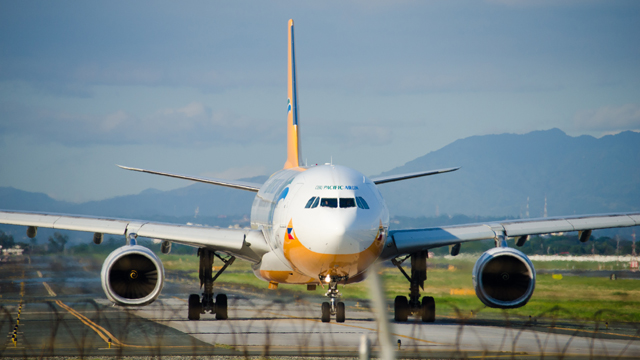
The airline said its on-time performance (OTP) was as high as 83% from January to March 2023, then it experienced a "rapid" dip in April (73%) and May (57%) due to several issues, which include an engine and supply chain issue in the global aviation industry.
It cited the Pratt and Whitney (PW) engine issues, which grounded more than 120 aircrafts worldwide, not just Cebu Pacific's. PW's engines are experiencing premature removal from service, meaning engine restoration which needed 220 days instead of the usual 90 day.
"This premature servicing can be likened to a car's preventive maintenance, where the vehicle is brought in for inspection at 3,000 kilometers instead of the expected 5,000 kilometers. Additionally, the vehicle is in the shop for one month instead of one day," Lao said.
Just this year, Cebu Pacific encountered 12 unscheduled engine removals and had to ground three Airbus A321/A320 NEOs indefinitely since March, he said. The airline also encountered delays with Airbus, its aircraft manufacturer.
These aviation supply chain issues also meant longer recovery period for its aircraft on ground (AOG), or grounded aircrafts which need to remain grounded until it is deemed airworthy.
"We recognize that global supply chain issues are further worsening the situation and causing additional delays in aircraft deliveries. As a result, we have experienced delays ranging from anywhere from two to five months for our scheduled deliveries in 2023."
Cebu Pacific also cited other incidents, such as ground damage from runway debris, damaged caused to aircrafts by unexpected weather events, bird strikes that hit engines and its main landing gear, burst tire upon landing, punctured aircraft due to a towing incident by its maintenance provider.
It also mentioned the red lightning alerts the Manila International Airport Authority (MIAA) usually announce during severe weather conditions and lightning strikes to suspend operations. From April to June alone, some 78 red lightning alerts were raised, affecting some 535 flights.
"Some red lightning alerts take up to 2.5 to 3 hours which require, for safety purposes, the full stoppage of operations and could affect flights that are flying to airports that can only operate before sunset and could eventually lead to cancellations."
Also read: What Do NAIA’s Yellow and Red Lightning Alerts Mean?
"All of these incidents require complex repairs and take longer to recover especially with the current supply chain constraints. These sudden and unprecedented operational challenges and fleet availability issues led to the sudden and sharp grounding of up to 17% of our fleet since April," he said.
What Cebu Pacific is doing so far to address disruptions
To address these disruptions and customer complaints, Lao said Cebu Pacific has activated a disruption management team, increased live chat agents, and improved its policies in handling and communicating disruptions.
Instead of cancelling flights, it also use smaller aircrafts allowing them to ferry passengers, however limited, despite disruptions.
The airline also reduced flight schedules until the third quarter of the year.
"We acknowledge that these actions may still be insufficient for affected passengers, and we are actively managing the situation and assessing how we can provide better care during this recovery period."
Editor's note: Summit Media, which published SPOT.ph, is part of the Gokongwei Group.