

Colorum Jeepneys, PUVs to Be Apprehended in February
More impounding areas are ready.
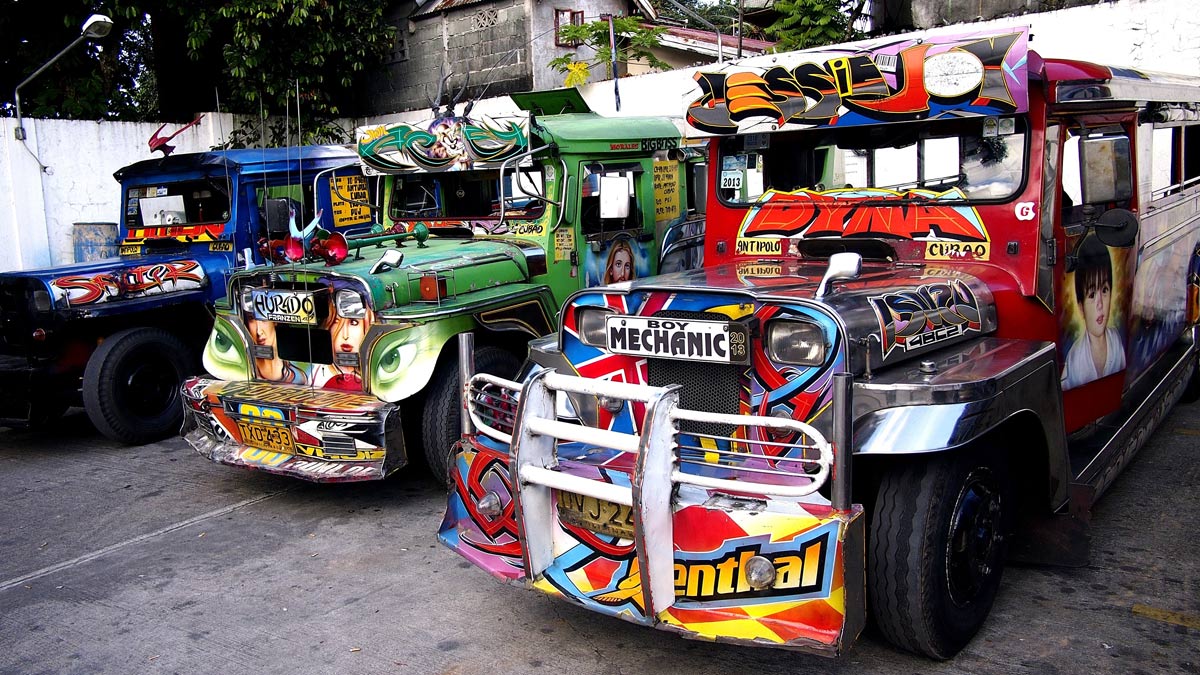
(SPOT.ph) The Land Transportation Office (LTO) have prepared additional impounding areas for "colorum" or illegally operating public utility vehicles, including unconsolidated jeepneys. This comes after an expected increase in apprehended vehicles after January 31.
This crackdown, according to LTO chief Vigor Mendoza, will not only target unconsolidated jeepneys (or jeepneys that failed to join cooperatives after the December 31 deadline), but also unregistered private and public utility vehicles. These vehicles with revoked franchises and registrations will be considered colorum.
For proper implementation, Land Transportation Franchising and Regulatory Board (LTFRB) Chair Teofilo Guadiz III said they would be issuing stickers to jeepneys that have gone through the consolidation.
The PUV Modernization Program requires at least 15 jeepney drivers and operators to group into cooperatives based on a particular route. Every driver has to pay P300,000 for cooperative fees and P20,000 to register the jeepney into the cooperative. These fees are aside from the payment for the million-peso modern jeepneys.
Mendoza, however, clarified in a media briefing that unconsolidated PUVs "will still be apprehended for being colorum," though it does not necessarily mean they're unregistered. Unregistered PUVs suggest that they did not go through the annual confirmation process at the LTFRB before renewal at the LTO.
What is a colorum:
The term "colorum" or "kolorum" denotes vehicles that provide public transport services illegally. The LTFRB considers a vehicle colorum if it's:
- A private motor vehicle operating as a PUV but without proper authority from the LTFRB.
- A PUV operating outside of its approved route or area without a prior permit from the LTFRB or outside the exceptions provided under existing memorandum circulars.
- A PUV operating differently from its authorized denomination (ex. those approved as school service but operating as UV express, or those approved as tourist bus transport but operating as city or provincial bus).
- A PUV with suspended or cancelled Certificate of Public Convenience (CPC) and the Decision/Order of suspension or cancellation is executor.
- A PUV with expired CPC and without a pending application for extension of validity timely filed before the LTFRB.
New impounding areas for colorum jeepneys, PUVs:
- Carmona, Cavite
- Lipa City, Batangas
- San Pablo and San Pedro in Laguna
- SM Mall of Asia Complex in Pasay
- Bulacan
- Tarlac
- Pampanga
- Nueva Ecija
Penalties for apprehended drivers and operators of unconsolidated jeepneys and colorum PUVs:
- Fine of P50,000 for colorum jeepneys, P200,000 for colorum vans, and P1 million for colorum buses
- Additional P10,000 for an unregistered PUV
- Impounding for at least three months, plus payment for impounding and storage fees
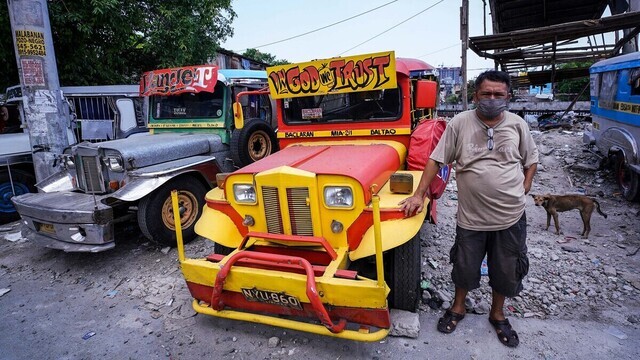
What is the origin of the word "colorum":
The term "colorum" and the Colorum movement can be traced to the Spanish regime. In 1843, one Apolinario de la Cruz, who was a former donne of the Dominican-operated San Juan de Dios Hospital in Manila, wanted to become a friar. But since he's a Filipino, he wasn't allowed to by the Dominicans. Instead, he organized his own religious order and founded the Cofradia de San Jose in the province of Tayabas (now Quezon). The group copied the liturgy of the Roman Catholic Church, but incorporated folk beliefs such as the wearing of anting-anting. They would meet in the caves of Mount Banahaw, Laguna.
The movement eventually became known as colorum, a mispronounciation (or a mockery, if you think about if) of the Latin phrase used to end a prayer, "saecula saeculorom" (forever and ever). The Cofradia, despite efforts of De la Cruz to legalize its existence, was never accepted by Spanish authorities, who believed that it was a political organization.
More Colorum organizations in Nueva Ecija, Rizal, Tarlac, La Union, Batangas, and Surigao were established during the American regime.
Since Colorum organizations are considered illegal or unregistered, they were also applied to PUVs operating without registration.