
A Giant Transport Hub in Quezon City Is Set to Rival PITX
Here's what we know so far.
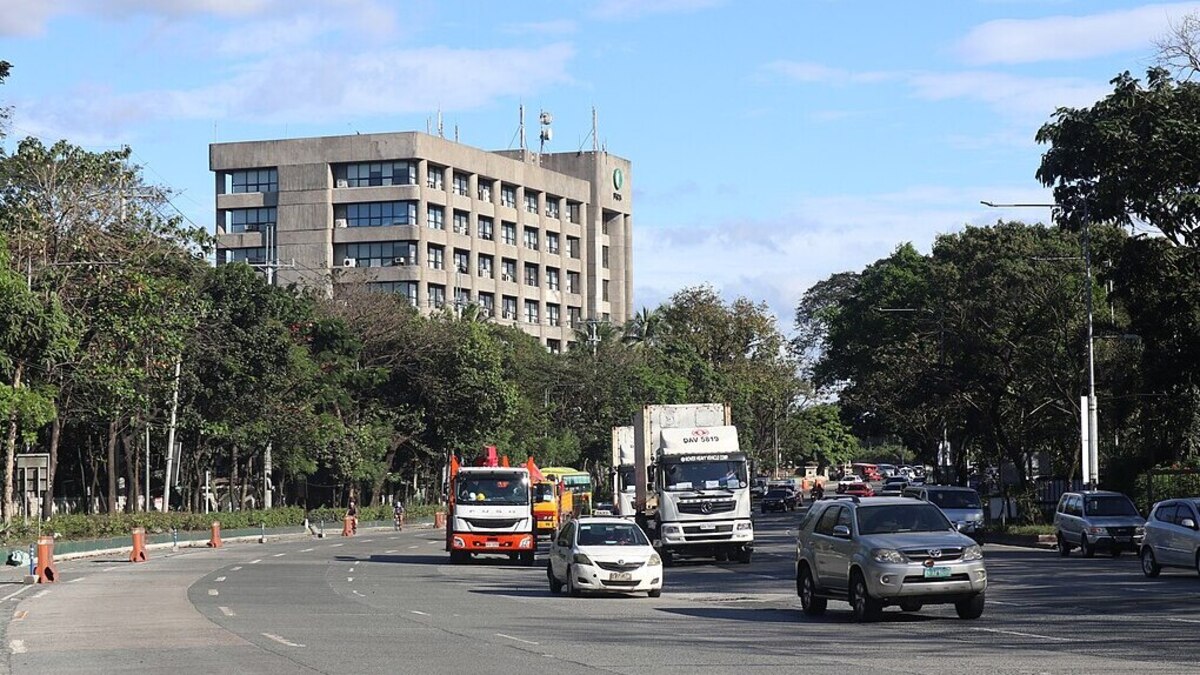
(SPOT.ph) Quezon City will become home to a new transport hub soon—and we're not just talking about a terminal for a few buses and jeepneys here. The "mega infrastructure" has plans to rival the Paranaque Integrated Terminal Exchange (PITX) in the south in both size and scope. The name? Project Hub. Well, at least that's the working title.
Project Hub will sit on a three-hectare Government Service Insurance System (GSIS) property at the corner of Commonwealth Avenue and Elliptical Road in Quezon City.
"Our property in Quezon City is centrally located and accessible, positioned in a location that maximizes connectivity with the city and surrounding regions," GSIS President Wick Veloso said in a statement.
"The end view of the Project Hub is a world-class intermodal transport hub that is a well-organized, modern facility that streamlines the bus travel experience, focusing on efficiency, passenger comfort, and seamless connectivity with other transport modes including the MRT-7.”
With the current timeline, Project Hub should be ready to welcome commuters as early as 2027.
Also read: LIST: Here Are the Provincial Bus Routes at the North Luzon Express Terminal
What we know about Project Hub so far
The project brings four major government agencies together: the Department of Transportation (DOTr), GSIS, the Metro Manila Development Authority (MMDA), and the Quezon City government.
The DOTr will oversee planning and construction with funding from the World Bank, the MMDA will focus on a feasibility study, and the Quezon City government will help fast-track necessary permits.
Not much else has been revealed about the project, but we do know that this comes following a Presidential Directive to develop an intermodal rail-city bus terminal and depot in Quezon City as per the GSIS. Only time will tell if this will alleviate or add to existing traffic in the location.
For comparison, the PITX is a 4.5-hectare facility that caters to around 200,000 daily passengers since it was established in 2018. What sets PITX apart from the other commuter hubs is its "landport" setup—a bus terminal designed like an airport. It offers conveniences like air-conditioned waiting areas, automated ticketing, free Wi-Fi, and even shops to make commuting feel less of a hassle. Expect something similar in the north when Project Hub is completed.
In the meantime, commuters can expect some relief as 300 temporary parking spaces will be added to the GSIS property while construction moves forward.
This parking solution should alleviate some of the existing congestion, offering a short-term fix until Project Hub is completed by 2027, in time for the MRT-7's Philcoa Station to become operational.
Also read: LIST: Here Are the Routes at One Ayala’s New PUV Terminal