
Rainy Weekend Ahead: Potential Supertyphoon Seen to Enter the Philippines
Be prepared.
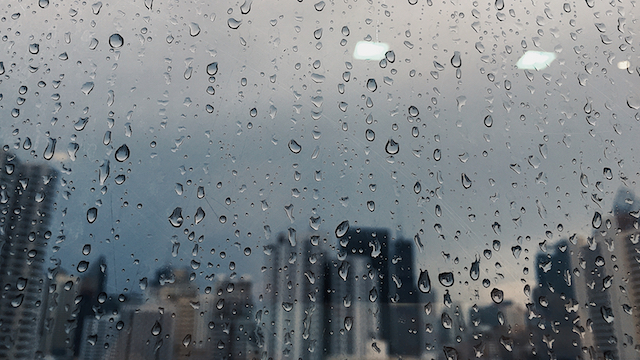
(SPOT.ph) A potential supertyphoon may enter the Philippine area of responsibility this Friday, May 26, which could bring rains over the weekend in the middle of dry season, the Philippine Atmospheric, Geophysical and Astronomical Services Administration (PAGASA) said.
The typhoon with international name Mawar was located at 2,330 kilometers east of Mindanao as of 3 a.m. Monday, packing winds of 130 kilometers per hour with 160 kph gusts, said weather forecaster Obet Badrina in a press briefing. It will be named Betty once it enters the Philippines.
"Inaasahang kikilos pa-hilagang kanluran at posibleng pumasok ng Philppine area of responsibiity bandang araw po ng Biyernes," Badrina said.
Also read: Today I Learned: When the Rainy Season is Considered Official
Here's what we need to know about the potential supertyphoon
Mawar, a Malaysian name meaning "rose," may not have a direct effect on the Philippines but it may intensify the effects of the southwest monsoon or Habagat.
The typhoon is seen to intensify further as it remains at sea.
"Tumataas na po ang posibilidad ng mga pagkidlat-pagkulog or isolated rainshowers and thunderstorms kaya mainam po magdala na tayo palagi ng panaggalang sa ulan kasi mula ngayon ine-expect natin mas mapapadalas na pag-ulan sa hapon or sa gabi, minsan sa madaling araw," he said.
The El Niño effect during rainy season
PAGASA continues to be on El Niño Alert as there's an 80% chance of El Niño happening as early as June. It may persist until the first quarter of 2024.
El Niño, the warm phase of recurring climate pattern in the Pacific Ocean, is characterized by warmer temperatures, fewer clouds, and below-normal rainfall.
Also read: El Niño Is Likely to Develop This 2023, According to PAGASA
When tropical cyclones come during El Niño, it can become erratic and push it northward. It may not make landfall but "the intensity of these storms can still be strong, based on our statistics," according to PAGASA.
Local government units are reminded to learn from the lessons of the past when strong storms also hit during El Niño, like Typhoon Milenyo in 2006, Tropical Storm Ondoy and Typhoon Pepeng in 2009.
Also read:
Clouds With a Dash of Salt: How Science Makes It Rain During Dry Season
Why It's Dry Season, Not Summer in the Philippines, According to Science
Why Does it Get so Hot in Dagupan During the Dry Season?