
EXPLAINER: The Thrill of Finishing Super Mario and Games in Hard Mode
Why difficult games help you unwind.

(SPOT.ph) Super Mario Bros and its bright, colorful backgrounds and playful music is usually one of first video game memories of a millennial. Growing up, most memorable games have always been associated with exploring new worlds, doing tasks and quests from stage to stage until you finally beat the final boss.
Developers have to consider the vast audience of gamers when designing games to make them reasonably rewarding to finish to promote a sense of accomplishment. Today however, there are a handful of games that cater to the technically skilled. Perhaps the most prominent example would be the Dark Souls series of games such that most games that are considered difficult today are called “souls-like.”
Each movement in the game against each enemy requires precise movements and quick thinking to survive since even the lowliest of creeps can kill your character in a few short seconds. Oftentimes these games do not come with a difficulty adjustment setting, hammering down the phrase “get good” as it is seen as the only way to progress and finish the game. Why then are these games so popular? Wouldn’t hard games be counter-productive to relaxation for many gamers?
Also read:
Esports: How Platinum Trophies Bring Out Gamers' 100% Performance
It Started With Ragnarok: Why MMOs Capture Many Gamers' Hearts and Wallets
Valorant is My Escape: How Esports Can Ease (or Cause) Stress
Hard mode in esports
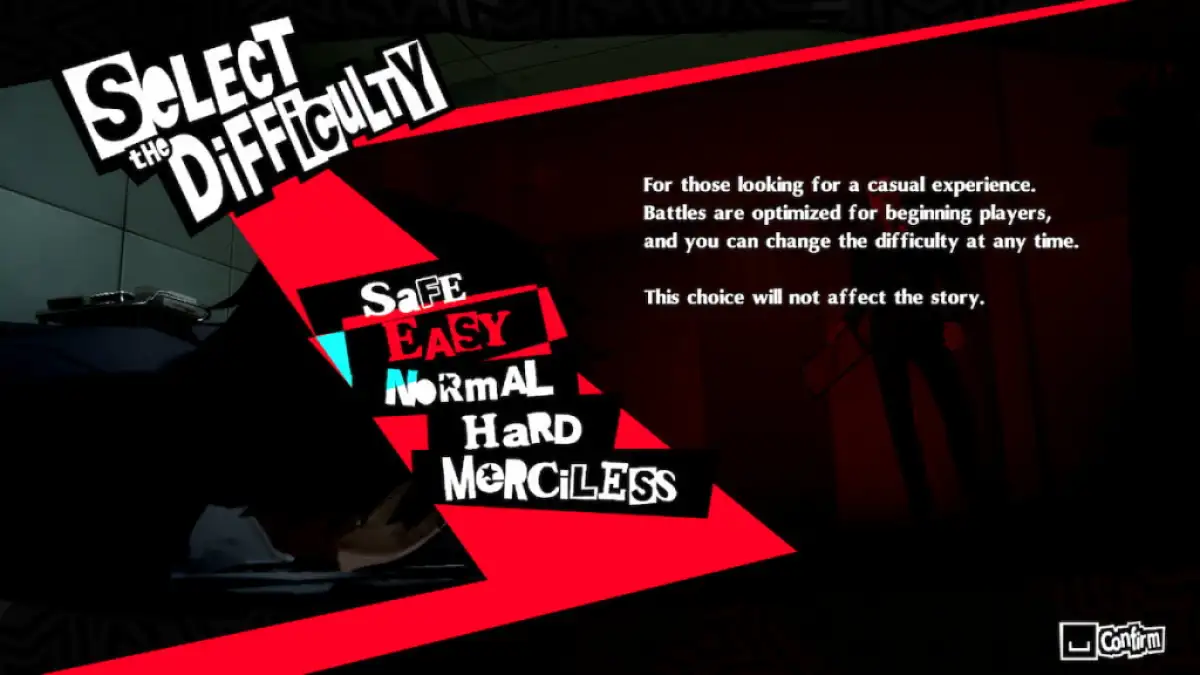
“I somehow got used to picking 'hard' modes for most of the games I play initially not for the challenge, but mostly because I'd rather avoid something being "too easy". It keeps my attention span in check,” said Juan Miguel “Schampow” Champo, a licensed mechanical engineer who has competed in many fighting game tournaments locally. The ESGS Fighting Game Arena 2018 champion for BlazBlue Cross Tag battle unwinds from his competitive games with RPGs such as Persona or Final Fantasy XIV.
"Some games even don't give you the option of reverting your difficulty of choice… which sort of gives you a sense of commitment. You just learn to be crafty, patient, and be smart about it," he added.
Games, from design up until they are released for play share similar to the SMART goals developed by Doran, Miller, and Cunningham. Goal-setting is ideally Specific, Measurable, Attainable, Realistic, and Timely. Being able to set goals not only creates a source of motivation, but a sense of achievement and positive emotions upon completing the task.
Game objectives operate on a similar concept which is executed creatively by the game designer in the form of missions or quests. As such, achieving these goals come in the form of story progression, in-game rewards, or even the validation of personal skill improvements.
Experiences and goals are always different according to player: “Having an option to choose the difficulty in most games is often a good choice in design, not everyone wants to slug it out nor do they have the patience for the challenge, some just want to sit down, enjoy the story, and go through things as quickly as possible” said Champo.
There is a profound level of satisfaction each time one accomplishes a personal goal or a difficult task, however, regardless of a player’s preference of game or difficulty. If one can find parallels between progressing through a game’s quest and management-style goal setting, it is reasonable to believe that the analytical mind of a gamer can similarly approach real life challenges from the same perspective.
“Hard mode” is not a design to gatekeep casual gamers, but rather an open challenge to all to get good, both in game, and in real life.