

ChatGPT Launches Web Search for Access to Real-Time Information
It's partnered with leading news providers for accurate results.
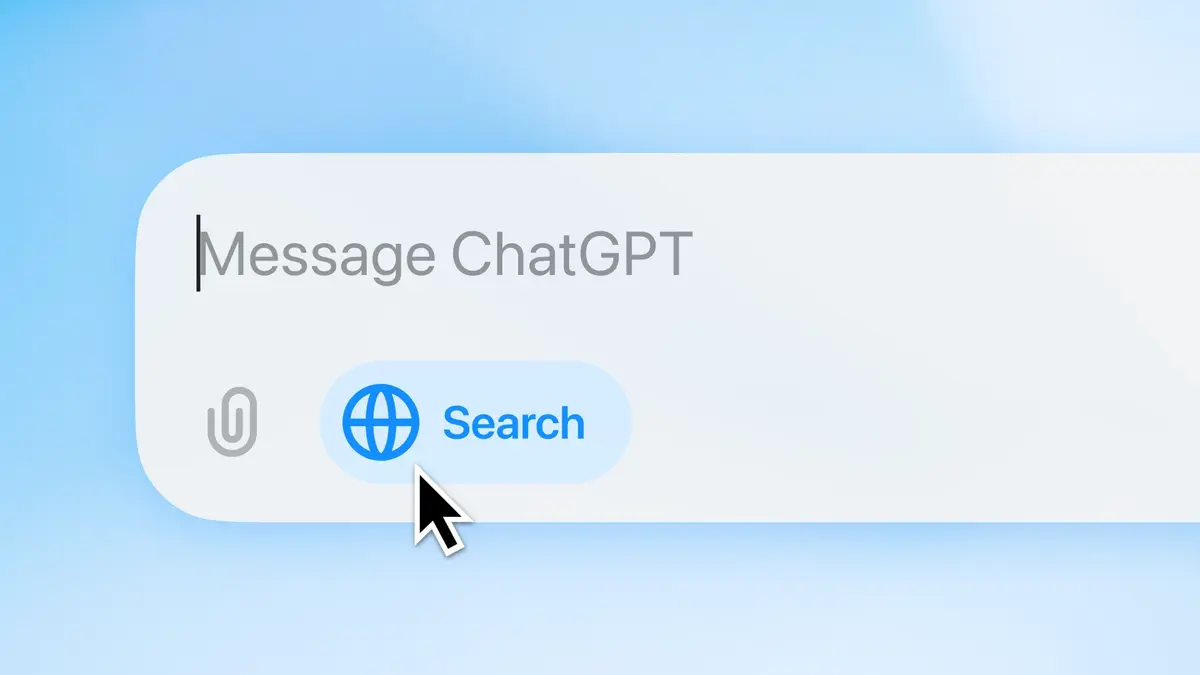
(SPOT.ph) Outdated information has long been a limitation of ChatGPT. Without access to current events, ChatGPT would provide answers that were accurate but no longer relevant, requiring users to verify facts elsewhere—but not anymore.
On October 31, ChatGPT rolled out a search feature where users can access real-time web information within the chat. This makes it easy to find timely answers with linked sources, so users don't have to switch between the chatbot and search engines to accurately put together a research paper or plan a vacation.
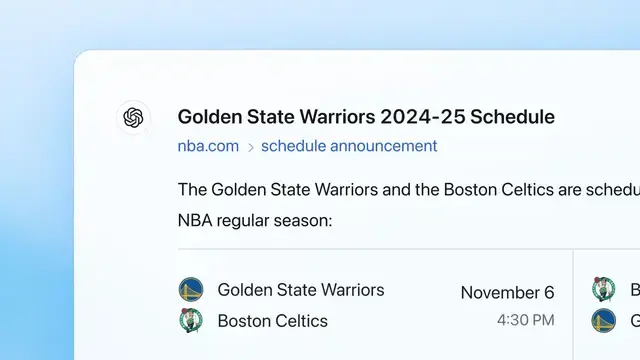
To ensure credible results, ChatGPT has partnered with leading news and data providers like the Associated Press, Reuters, and Financial Times for trustworthy, up-to-date information across a wide range of topics.
Plus, the search now considers the entire conversation, so follow-up questions result in more tailored answers based on previous context. For example, if you ask about the weather in Makati City and then request for restaurant recommendations, ChatGPT keeps the original location in mind.
Search is now available on the website and mobile app for Plus subscribers. As the feature expands, users on the free tier will also gain access in the coming months.
Also read: EXPLAINER: What Is ChatGPT, Minus the Technical Jargon?
How to access real-time information in ChatGPT
Open a new chat like you normally would.
When you type a question, ChatGPT can automatically decide to search the web or give you the option to initiate the search yourself. Responses now come with a “Sources” button, which opens up a sidebar with references to the direct websites where the information is pulled from.
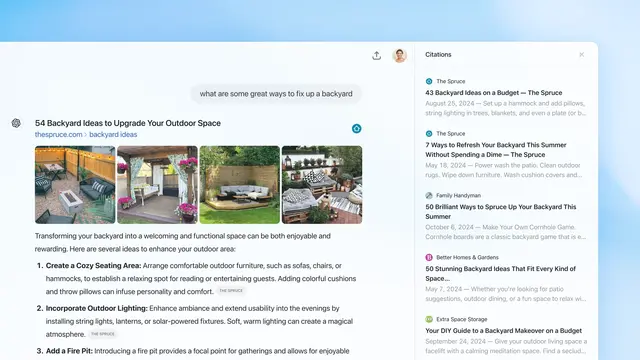
Of course, it is still the burden of the user to verify the information themselves. Don't be lazy now.
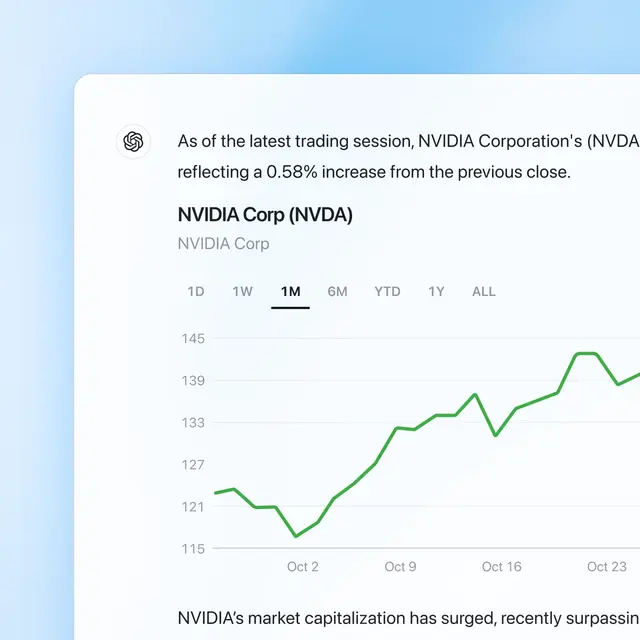
Additionally, the feature now has dedicated visuals and interfaces for categories like news, weather, sports, and maps. Check out the stock updates with easy-to-read trend charts below.
The new ChatGPT web search improves on the earlier Browse with Bing feature, which had a tendency to pull outdated information from the Internet. It also often relied on traditional search engine behavior, pulling in a list of links rather than coming up with a relevant answer.
Also read: Is It Ethical for Students to Use ChatGPT? We Ask a University Professor