

Everything You Need to Know About Pope Francis' Burial
Trip to Rome, anyone?
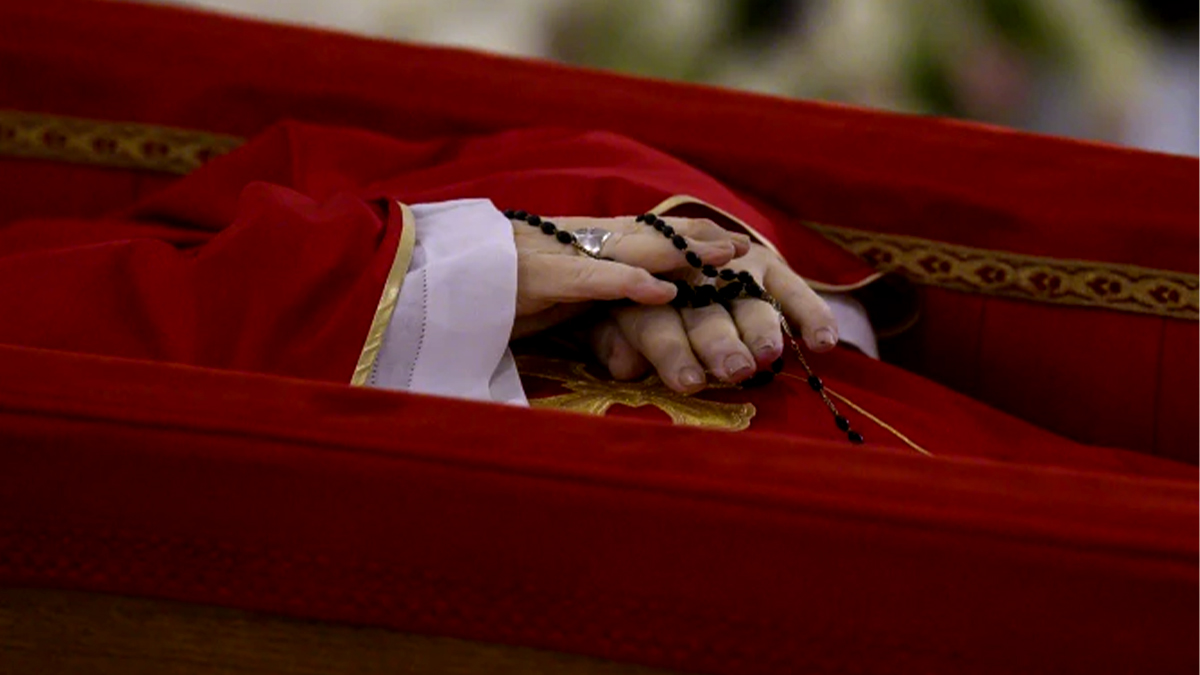
(SPOT.ph) Pope Francis passed away at the age of 88 on April 21 after a stroke and irreversible heart damage. While preparations for selecting his successor are underway, the world continues to mourn the loss of the radical church leader who always advocated for a more compassionate and inclusive church. If you're a devout Catholic looking for a way to honor his memory, here's everything you need to know about Pope Francis' burial rites— and how you can bid him farewell before he's laid to rest.
Also read: EXPLAINER: What Happens When the Pope Dies?
Pope Francis' burial wishes
It's not unprecedented for popes to change how their successors are chosen, but Pope Francis broke tradition again by revising the papal funeral rites. This had not been done since 2000, but became necessary following the death of Pope Benedict XVI.
Pope Francis' revisions were designed to make funeral rites less grand, reflecting his papal philosophy of bringing the church closer to the people. The Vatican’s master of liturgical ceremonies, Archbishop Diego Ravelli, described these changes as ways for the late pontiff "to emphasize even more that the Roman Pontiff’s funeral is that of a pastor and disciple of Christ and not of a powerful man of this world."
In a nutshell, the entire papal funeral rites will be conducted in three stages, also referred to as stations.
The first station of Pope Francis' funeral rites
The first station involves all the rituals that occur immediately after the Pope's death, as overseen by the camerlengo and one of Pope Francis' most trusted aides, American Cardinal Kevin Farrell. This includes determining the official cause of death, defacing the papal ring to protect against looting and unauthorized use, praying and viewing the Pope's body by family, and preparing his body for public viewing.
These will take place at the now-sealed and closed papal apartments and the pope's private chapel at the Apostolic Palace in Vatican City.
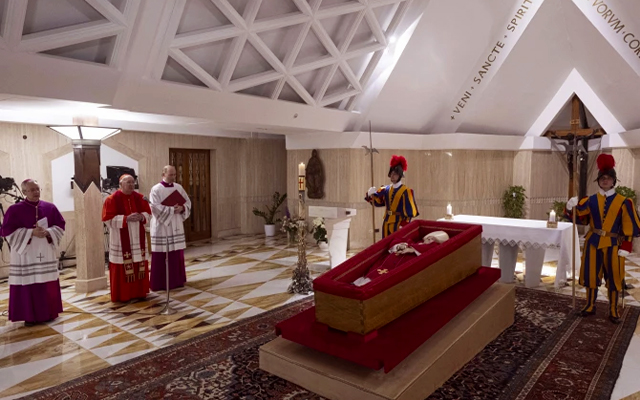
The second station of Pope Francis' funeral rites
Although the exact date and time have yet to be announced, Pope Francis is expected to be transferred to St. Peter's Basilica and ready for public viewing by the morning of April 23.
At this time, the Pope will be dressed in all white, with a silk white veil covering his face, and placed in an oak coffin facing the pews, with the Paschal candle to his side. This represents a significant departure from the traditional three-layered coffin of cypress, lead, and elm, laid on an elevated bier, as used by his predecessors, including Pope Benedict XVI.
At this time, people from all over can visit Pope Francis' remains and attend the funeral mass in his honor. According to the Catholic News Agency, Pope Francis' funeral mass or the Missa poenitentialis, will be held in St. Peter’s Square at 10 a.m. local time on Saturday, April 26.
The third station of Pope Francis' funeral rites: Burial
After several days of viewing, Pope Francis will be buried at the Basilica di Santa Maria Maggiore (St. Mary Major Basilica) at a yet-to-be-disclosed time.
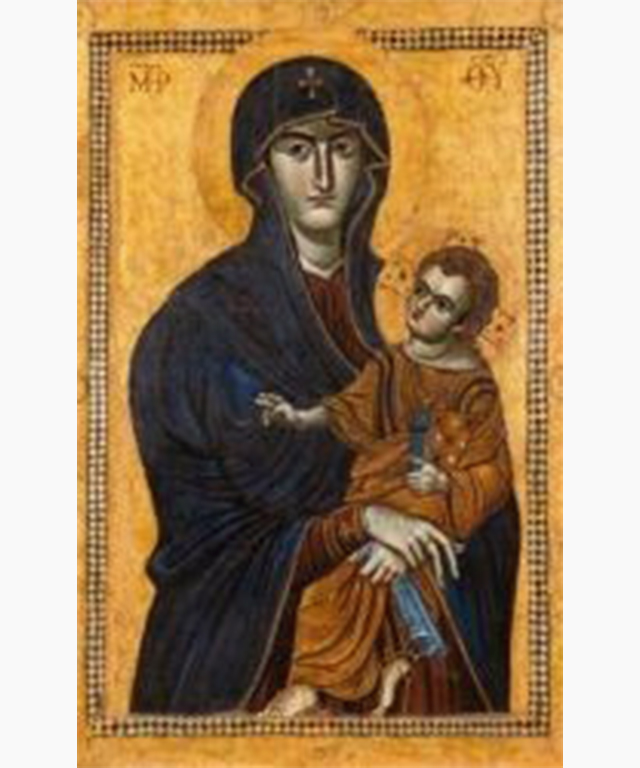
Although most popes are buried in St. Peter's Basilica, in 2015, Pope Francis expressed his wish to be buried there instead. As reported by the AP, this choice was not surprising, as the Pope frequently visited this church every time he left and returned from an overseas trip to pray before the Byzantine-style painting of the Madonna and Child called Salus Populi Romani.
After the burial, the church will enter a nine-day period of mourning.
Must-visit locations for Pope Francis' burial ceremonies:
Following the above burial rites, we rounded up three key locations you must visit to pay your respects to the late pontiff. Whether you can manage a trip to these spots within the week or if you will head there after the fact, here's a quick guide on what you need to know about these locations.
Apostolic Palace
The Apostolic Palace is the official residence of the Pope in Vatican City. It's a massive complex with over 1,000 rooms, but only roughly 20 are open to the public, and no, the Papal Apartments aren't part of that.
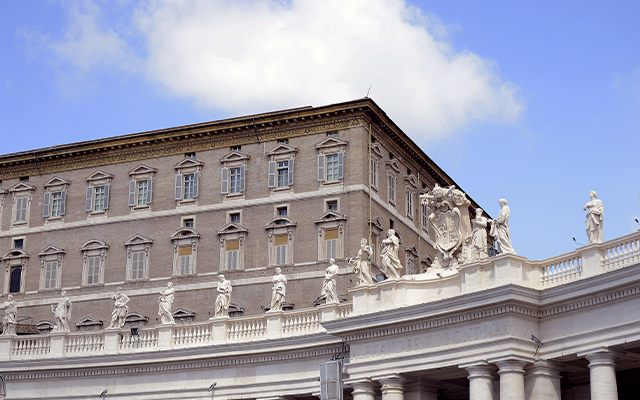
Notable sights in the Apostolic Palace include the Sistine Chapel, home of the majestic, awe-inducing Michelangelo frescoes, the Creation of Adam, and the Last Judgment; the Raphael Rooms, which house a massive collection of Renaissance-era artwork; the Vatican Library; and the Borgias Apartments, which showcase a treasure trove of historical and modern religious art.
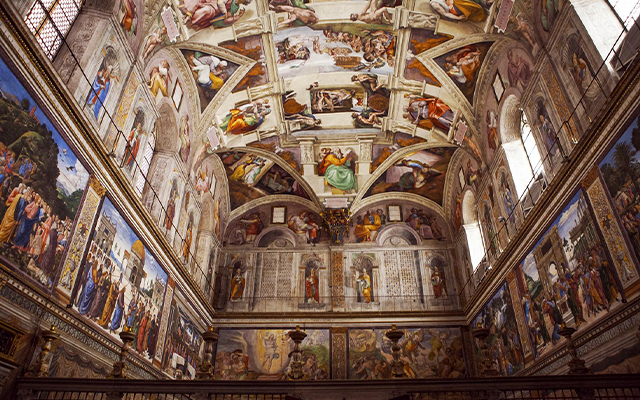
Access to the Apostolic Palace in Vatican City is primarily available through guided tours of the Vatican Museum. It is recommended that tourists book their tours and visits ahead of time to ensure availability. You can book your Vatican Museum tours through the official website or through third-party booking platforms like Klook.
St. Peter's Basilica
If you imagine Vatican City, you'll most likely think of St. Peter's Basilica and the adjacent St. Peter's Square. Believed to be the burial site of St. Peter, the first pope, this Renaissance-era architectural marvel is one of the world's most recognizable landmarks. Its iconic dome and grand interiors with ornate details house the works of many Renaissance masters, including Michelangelo, Donato Bramante, Raphael, and Gian Lorenzo Bernini.
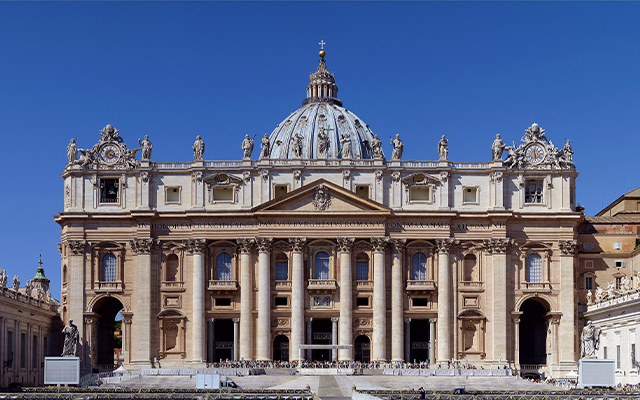
St. Peter's Basilica has several zones where tourists can learn more about the historical, artistic, and religious significance of the complex. Entry to St. Peter's Basilica is free and doesn't require a ticket; however, access to the Dome, where you can see a panoramic view of Rome and Vatican City, a tour of the Treasury Museum and the Necropolis, all require a ticket and additional fees which you can book online through the official St. Peter's Basilica website.
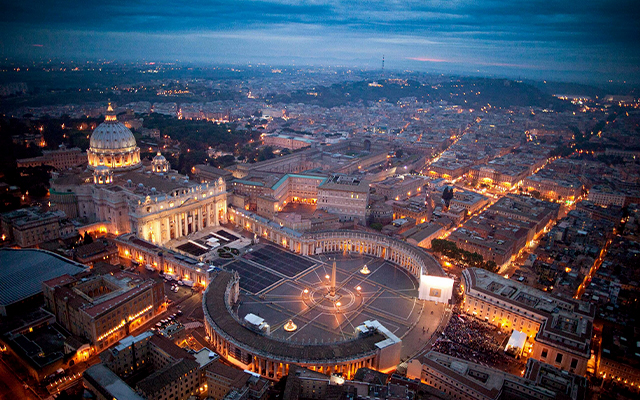
Pro tip: Though there is no ticket to enter the basilica, all visitors must pass through a security check, which often involves long lines, especially during peak times. To minimize waiting time, consider arriving early in the morning or booking a guided tour that includes skip-the-line access.
Basilica di Santa Maria Maggiore
The Basilica di Santa Maria Maggiore, located on the Esquiline Hill in Rome, is one of the city’s four major papal basilicas and the largest church dedicated to the Virgin Mary.
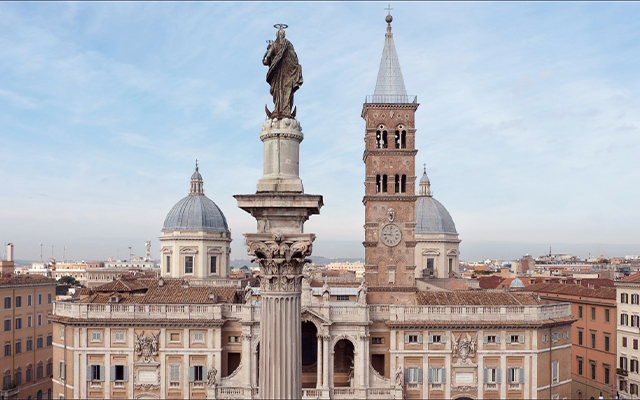
This massive church is famous for more reasons than one. It's primarily known as the church that houses the revered Marian icon Salus Populi Romani, believed by tradition to have been painted by Saint Luke, the patron saint of painters. But the St. Mary Major Basilica is also home to the Holy Crib, which is believed to be the manger where Baby Jesus was laid, highlighting the basilica’s role as the “Bethlehem of the West.” It also safeguards the relics of St. Matthew and St. Jerome, and serves as the resting place of seven (soon to be eight) popes.
The Basilica di Santa Maria Maggiore is free to visit every day. You can also book guided tours to the different areas of the basilica. Tickets for these tours are available onsite or online at the Vatican Museum's official website.
How to visit Vatican City and Rome as a Filipino:
First, you need to get a visa. Vatican City is a sovereign state within the city of Rome, and Filipinos must obtain a Schengen Visa to enter Italy. But luckily, the Philippines is one of the few visa-exempt countries for Vatican City. This means Filipino travelers do not need to apply for a separate Holy See visa for stays of up to 90 days.
Unfortunately, there are no direct flights from Manila to Rome. However, several carriers offer connecting flights to Italy from various hubs in Asia, including Singapore, Hong Kong, Shanghai, and many more.
From Rome, you can enter Vatican City through the Metro or by bus.
Also read: Throwback: Pope Francis in the Philippines
Hey, Spotters! Check us out on Viber to join our Community and subscribe to our Chatbot.