


(SPOT.ph) Mindanao has always been a confluence of different cultures—Christians, Muslims, and several indigenous communities. This diversity is in full display in Zamboanga City, a bustling port city in the Zamboanga Peninsula that boasts a rich and multifaceted heritage. This richness is reflected in its instantly recognizable vinta sails and equally vibrant indigenous weaves.
Despite the many experiences the city has in store for travelers, it still largely flies under the radar. The interplay of cultures can be a bit overwhelming for first-time visitors but we peel it back and shine the light on things you shouldn't miss out on.
Also read:
10 Exciting Things to Do in the Zamboanga Peninsula
10 Exciting Things to Do in Isabela de Basilan in Mindanao
10 Exciting Things to Do in Camiguin
10 Things You Can Do in Siargao Other Than Surfing
For starters, here are exciting things you can do at the many tourist spots in Zamboanga City:
Immerse yourself in the city’s rich history
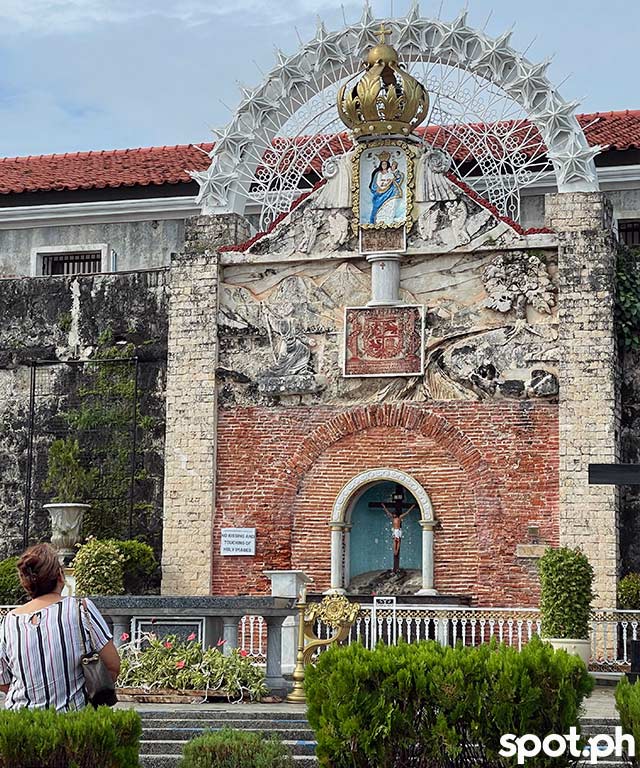
A leisurely two-hour stroll around Zamboanga City’s Heritage Zone gives visitors a peek into its long and colorful history. From Fort Pilar to the City Hall, one can only marvel at how packed the city is with historical structures that seem to whisk one back in time.
Adding to its old-world charm are century-old acacia trees hemming the streets and a smattering of signages in Chavacano, the Spanish-based creole language most widely spoken in the city.
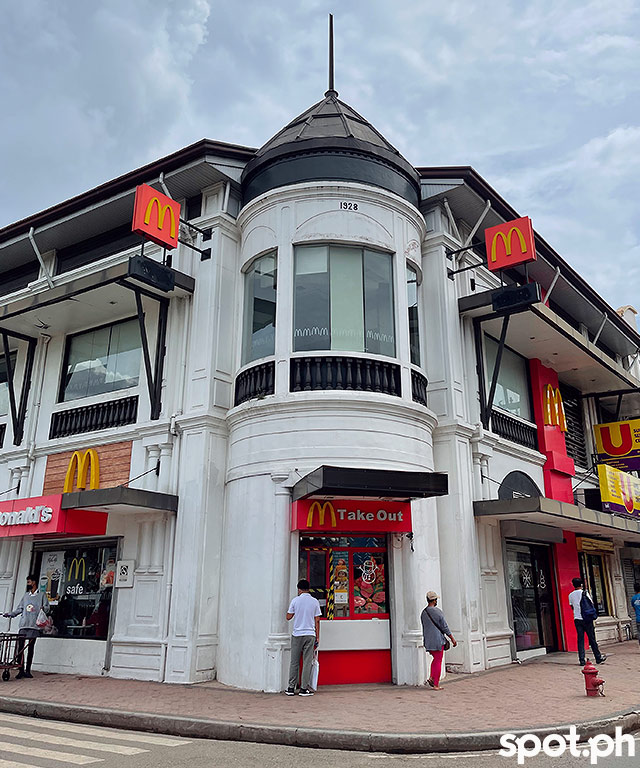
Other notable structures in the Heritage Zone are the first BPI branch in Mindanao and a McDonald’s branch that is located in a well-preserved Victorian-inspired building constructed in 1928.
Discover the beauty of Yakan weaves
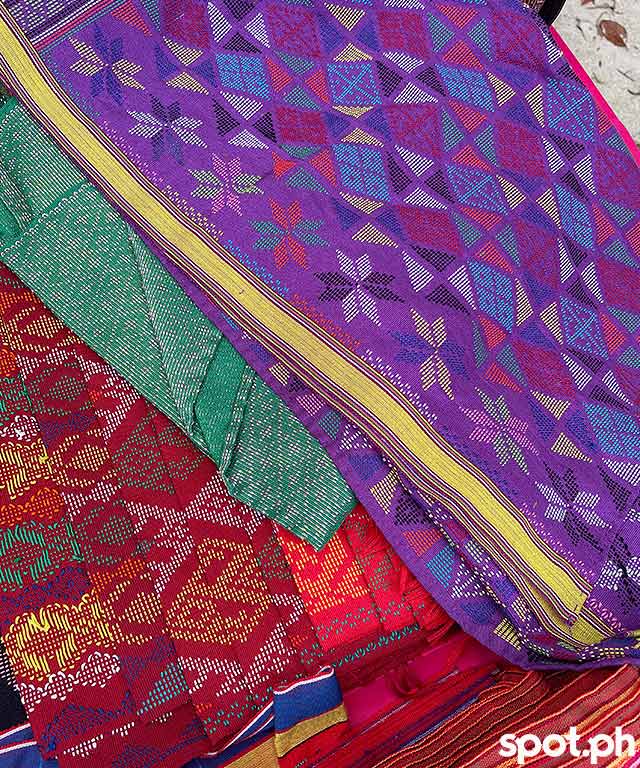
No trip to Zamboanga City is complete without witnessing Yakan weavers in action. Coming from an indigenous cultural community from Basilan, Yakan weavers are widely considered one of the finest in Southeast Asia. And what better place to immerse yourself in the sights and sounds of the loom than at the two-hectare Yakan Weaving Village, which is now considered an important cultural tourism stop in the city. Currently, there are 45 families residing in the community.
Watch mostly women weavers deftly create clothing, table runners, bags, and pouches using bright-colored textile with the most intricate of patterns and designs. Each item you buy as a keepsake is also a way of supporting their livelihood and keeping the tradition of Yakan weaving alive.
Frolic on the blush-pink sand of Santa Cruz Island
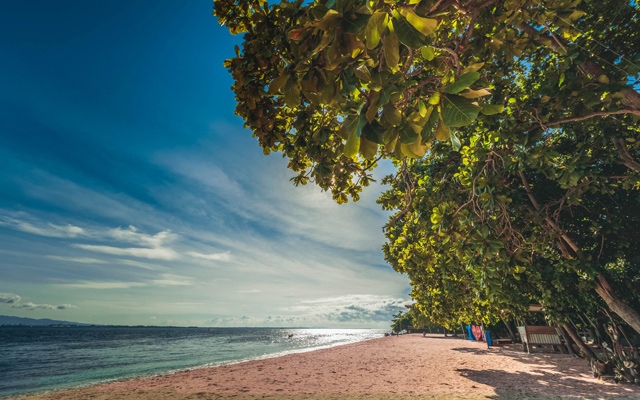
What a lot of people don’t know is that some of the country’s most beautiful beaches lie just at the doorstep of Zamboanga City. Among these under-the-radar gems are the twin islands of Santa Cruz. Both islands sit on the Basilan Strait and are only a 20-minute boat ride from the city’s Paseo del Mar. However, only the bigger of the two, Santa Cruz Grande, is open to the public. The smaller one, called Little Santa Cruz, houses a military camp.
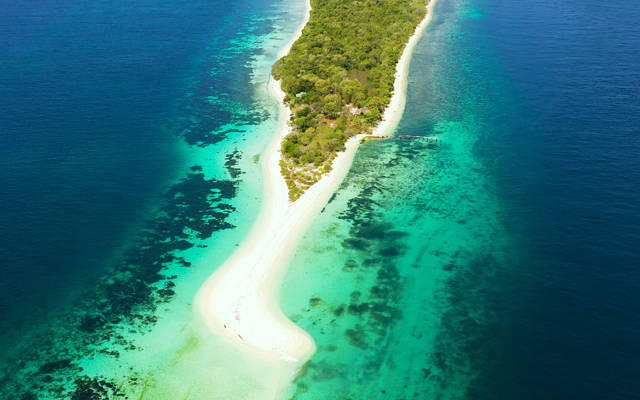
Santa Cruz Grande is best known for its blush-pink sand, a result of the blending of crushed red pipe organ corals and the island’s natural white sand. The sand is so unique that it caught the attention of National Geographic which included the beach on its 2017 best beaches list.
The surrounding waters have abundant marine life making it perfect for scuba diving and snorkeling. There is also a yellow boat tour of the lagoon and its mangroves where guests can interact with stingless jellyfish and fill themselves full with freshly harvested sea grapes (latok).
Go island-hopping in Once Islas
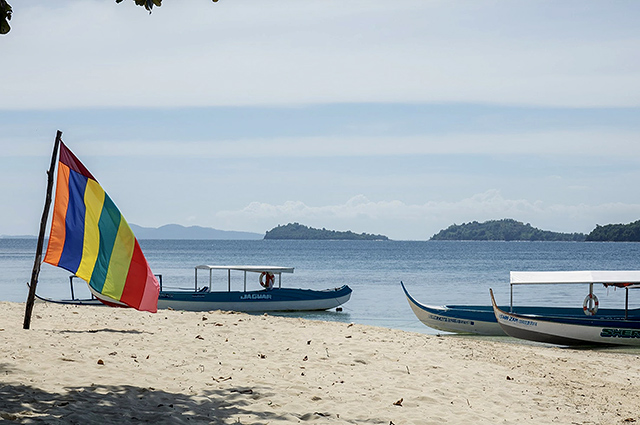
The local government of Zamboanga City has started pushing towards more sustainable tourism. One of the city’s newest eco-cultural destinations is Once Islas, so named because it’s a cluster of 11 islands and islets. All but four of these are off-limits to the public.
The islands are known for their fine white sand, crystal clear waters, and colorful vinta sails adorning the beach fronts that make for fabulous snaps.
True to its environment-friendly ethos, the islands have a strict Garbage In-Garbage Out policy. Visitors can only engage in low-impact activities like swimming, snorkeling, kayaking, and trekking.
Take a dip at Merloquet Falls
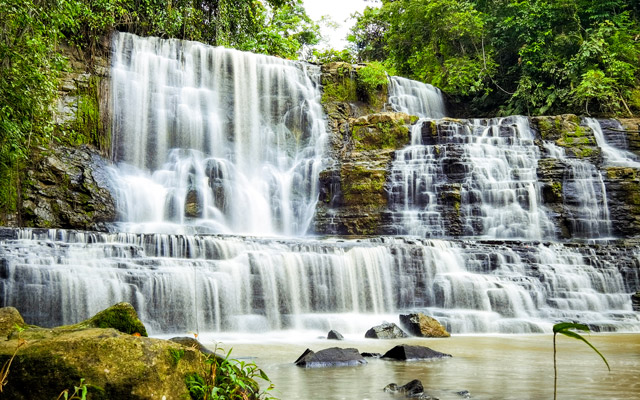
A popular day trip if you love the great outdoors but don’t have much time in Zamboanga City is this two-tiered falls located about an hour and a half away from the city center. This waterfall is known for its distinctive rock formations and cascading waters that give the illusion of a flowing veil.
Merloquet Falls is a bit isolated which means that the area remains mostly uncrowded. Visitors are also are advised to bring trash bags for their rubbish and take it with them when they leave.
Visit Taluksangay Mosque
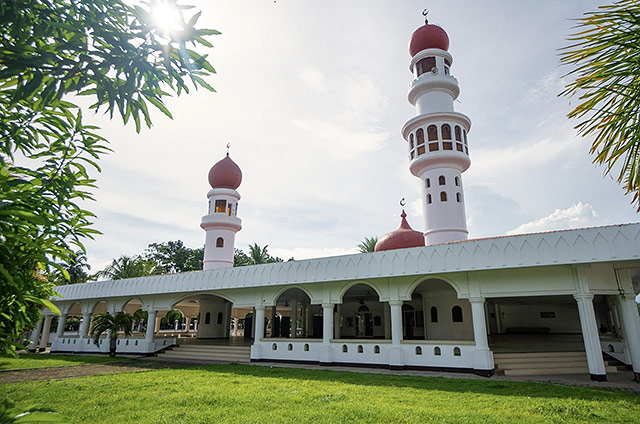
Though not exactly what most will consider “exciting” in the typical tourist-sense a visit to Zamboanga Peninsula’s oldest mosque is a must for those who want to get to know the region’s Muslim heritage much better. Take your trip a little deeper at this spot. Built in 1885 by Hadji Abdullah Maas Nuno, Taluksangay Mosque is also the first center of Islamic propagation in Region IX.
Located in the eponymous coastal town, most of the worshippers who visit the mosque are Sama Banguigui, an indigenous group of people known to build their homes along shorelines. Most of the furnishings inside Taluksangay Mosque were donated by residents of the community.
Spend an afternoon at Pasonanca Park
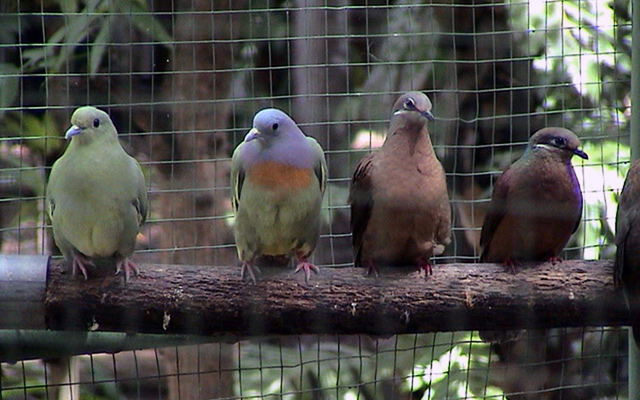
Despite being built during the American Occupation, Pasonanca Park remains a serene oasis in the heart of Zamboanga City. Park-goers get to feed birds and even take a quick dip in any of its three public swimming pools. This is also where the well-loved Zamboanga Tree House is located. Plus, there is as an aviary, a botanical garden, zoo, and butterfly park.
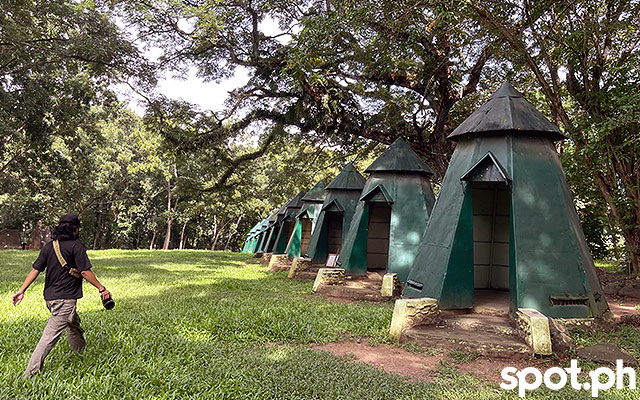
Within the park’s grounds is Camp Limbaga where you will find 24 boy scout huts made of aluminum and concrete. The camp was named in honor of Zamboanga native Scout Antonio Limbaga who was one of the 24 Filipino boy scouts who died in a plane crash en route to the 11th World Jamboree in Greece on July 28, 1963.
Watch the sunset at Paseo del Mar
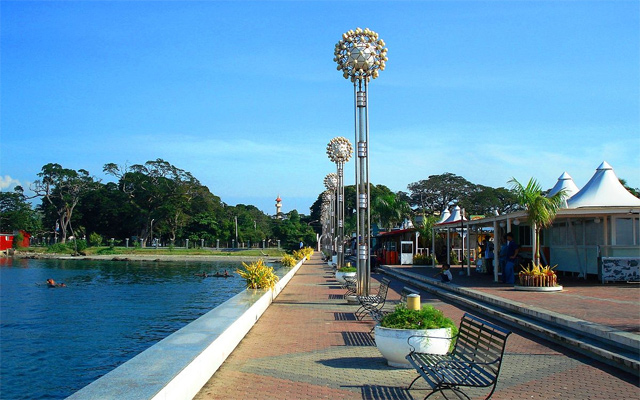
A popular place for an afternoon stroll among the locals is Paseo del Mar. From the promenade, one can see Santa Cruz Island and the province of Basilan. This is also where visitors can wait for the sun to set over the city.
It’s at night when Paseo del Mar comes alive. It transforms into a hive of activity as evening settles with street food hawkers and live bands.
Go on a food crawl
Being a convergence point of various cultures means that Zamboanga City is a great place to try a wide array of distinct cuisines. You can sample heirloom recipes from the different indigenous communities that call the city home, such as Maguindanaoan snacks, Tausug dishes, Subanen rice cakes, and Sama Banguigui viands.
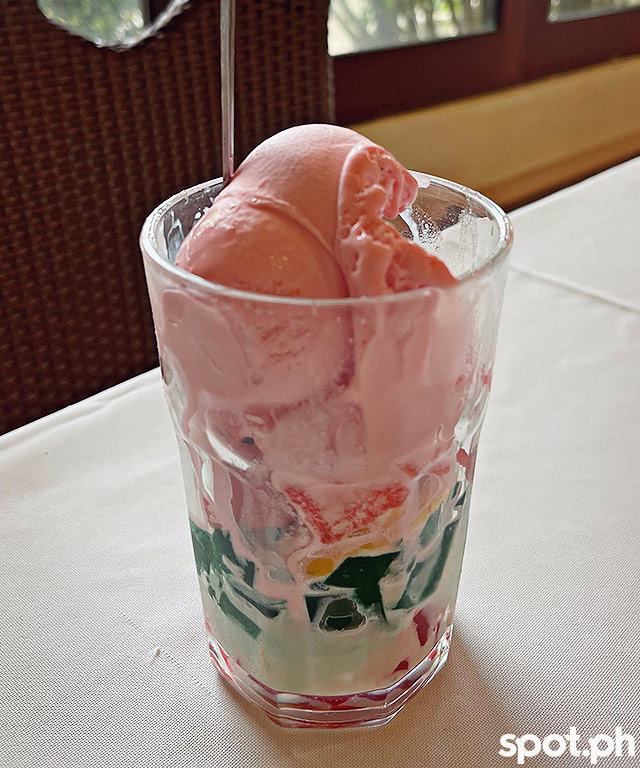
Being close to the water assures travelers of the freshest seafood, which can be enjoyed at local restaurants like the well-loved Alavar that’s famous for its crabs. Other must-try establishments are Dennis Coffee Garden for a taste of authentic Sulu coffee; Hacienda de Palmeras for their signature Knickerbocker, Zamboanga’s take on the halo-halo; and Sir Kyle’s Satti House for their well-loved satti, the Zamboagueños’ favorite breakfast.
The city has such an interesting and inviting culinary culture that the Department of Tourism included it in their "Mangan Ne, Come Ta, Kaon Ta" Food Crawl Circuit in Region IX.
Shop for pasalubong at Canelar Barter
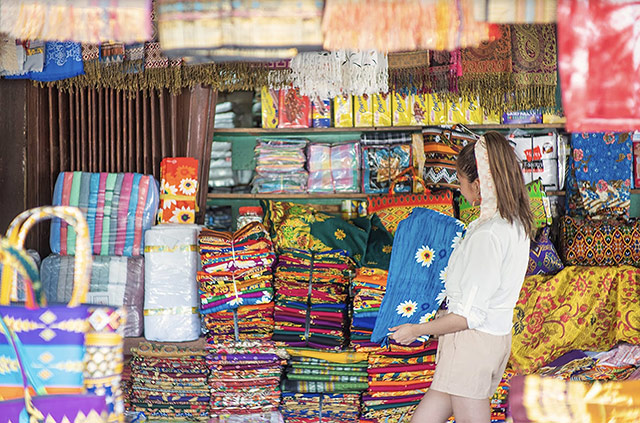
Before heading home, don’t miss the chance to shop for pasalubong at Canelar Barter. This market is the drop-off place of imported goods from neighboring Indonesia and Malaysia like the all-too-familiar Mi Goreng and White Coffee. More than imported goods, you can also buy batik shirts, sarong, dresses, hats, bags, scarves, and other souvenir items that are distinctly Zamboangueño.
How to Get There
Cebu Pacific, AirAsia, and Philippine Airlines all fly direct from Ninoy Aquino International Airport in Metro Manila to Zamboanga International Airport in Zamboanga City.
2GO Travel also goes from Manila to Zamboanga with a travel duration of 47 hours.
Recognizing how the region is an emerging destination for tourism, the Department of Tourism shines the spotlight on Region IX in its new digital magazine 7641 Islands of the Philippines. The microsite aims to inspire more people to travel around the Philippine archipelago, especially under-the-radar spots like Zamboanga City.