
Italy's "King of Carbonara" Goes Beyond Tradition for His Exceptional Take on the Pasta Dish
Chef Luciano Monosilio recently brought his famous carbonara to Manila.
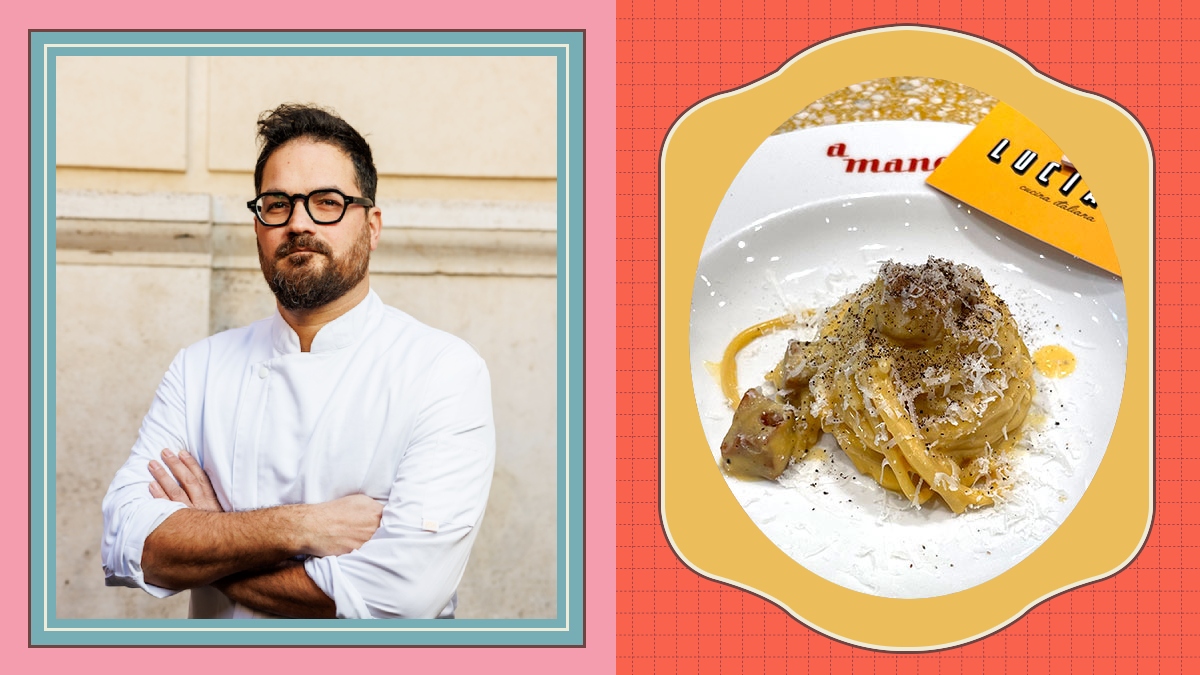
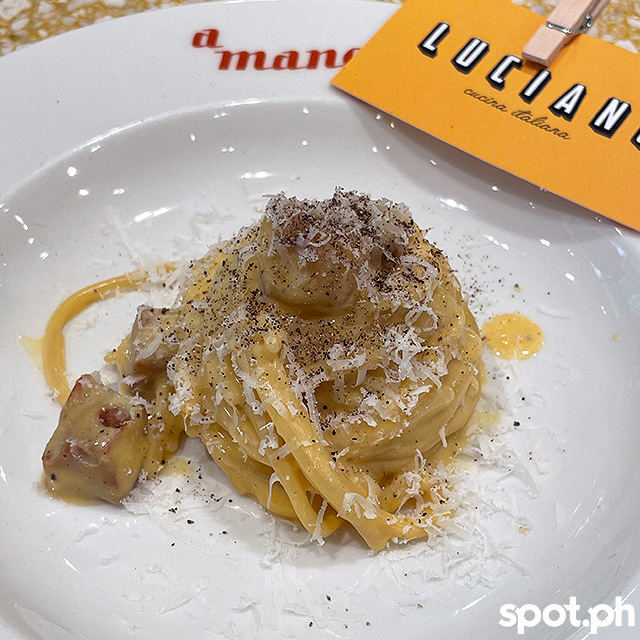
(SPOT.ph) We’re about three quarters of the way into the media lunch prepared by Italian chef Luciano Monosilio at a mano in BGC. Everyone seated at the table lights up as the chef’s Signature Carbonara arrives, the noodles neatly twirled and every strand hugged by a silky sauce just shy of being yellow in color. Oohs and aahs were elicited; never mind that we’d just worked our way through modest portions of antipasti, two other pasta dishes, and a lamb-and-potatoes course (more on those shortly). It’s not every day you get to have the man hailed the “King of Carbonara” prepare his famous dish for you, after all, and serve it right on your table.
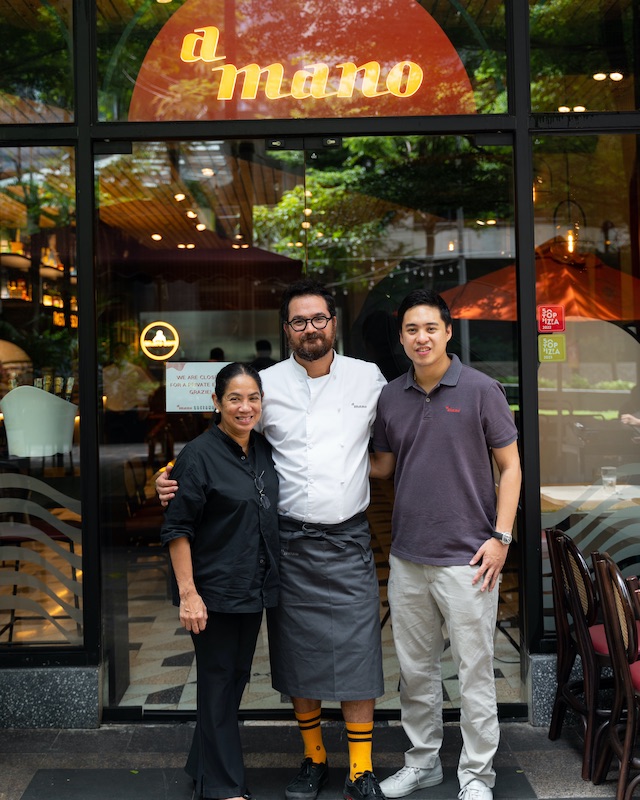
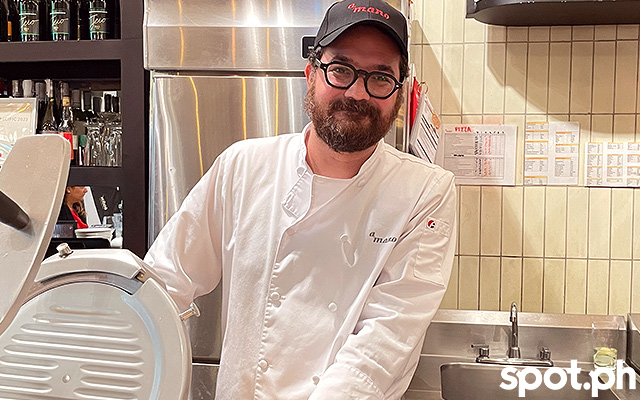
The Luciano Cucina Italiana chef was in Manila recently, one of the highlights of his stay being the limited multicourse meals he whipped up for lucky diners. He also shared insights on his approach to cooking, and finding that coveted sweet spot between innovation and keeping Italy’s culinary heritage alive.
Also read:
Top 10 Carbonara in Manila (2020 Edition)
The SPOT.ph Guide to Italian Food
Here’s the deal on Chef Luciano Monosilio, his famous carbonara, and his approach to tradition and modernity:
Carbonara—and, yes, we’re talking about the traditional Italian carbonara here, as opposed to the Filipino variation that uses cream (which is delish in its own right, but is a discussion for another day!)—is one contentious dish. It’s one of those classics where purists can be quite, well, purist about doing things as tradition dictates—nothing more, nothing less, and understandably so. It’s perhaps a way to protect tradition, and to push for its survival for the years to come.
Chef Luciano Monosilio, however, has famously given subtle twists to the pasta dish that have made for supreme results. His take on the dish goes back to his time at one-Michelin star Pipero al Rex, which he helmed alongside maître d'hôtel Alessandro Pipero. “We approached [the recipe] with the new techniques [and] we find the new balance of flavors, which is a little bit traditional but [the method is] a new way for me,” he explains in an exchange with SPOT.ph. “[As] the palate of the people has changed during [more recent] times, we find the most good way [to make a] new contemporary carbonara.”
The ingredients in his recipe stay fairly true to tradition—spaghetti, egg yolks, Parmigiano-Reggiano and pecorino cheeses (as opposed to just the latter), guanciale, and black pepper—but differs from others for its incorporation of a bain-marie element to the cooking method, similar to how you’d make zabaglione. The guanciale is first browned, which allows the fat to render out as oil. The egg yolks and cheeses, along with some of the rendered fat and a ladle of pasta water, are whisked together over a bowl of simmering water. Because of the indirect (but stable) heat of the water bath, there’s just enough heat to pasteurize the eggs, melt the cheese, and get everything emulsified into a velvety sauce—without the mixture turning into, well, scrambled eggs. This then coats the pasta noodles, which are cooked just until al dente; the browned cubes of guanciale are then sprinkled over the plated dish.
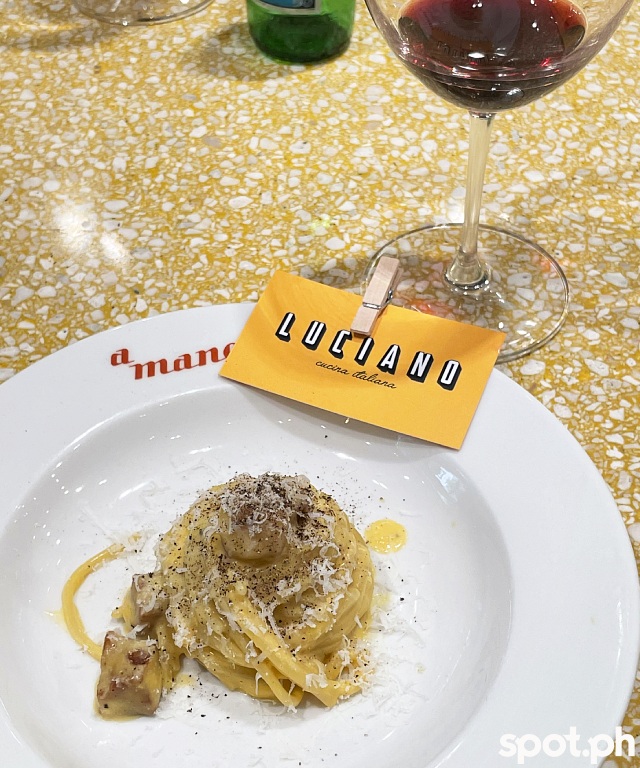
That famous pasta was now right in front of us, waiting to be forked through. Admittedly the portion looked, well, small (granted this was a multicourse meal)—but the size was more than made up for by the resulting carbonara’s impact in flavor. Intense is the word; every helping delivered a sensation that was part-sharp, rich, and nutty from the combination of cheeses, egg yolks, and guanciale fat. Lush and silky as the sauce was (with a more viscous, creamy consistency than most traditional versions that don't employ the bain-marie bit), the pasta’s firm bite provided the resistance to even things out. Add to that the salty counterpoint from the chunks of guanciale, which were perfectly crackly crisp without being oily, not unlike our chicharon. Forkfuls of the pasta were alternated with its chosen wine pairing during the meal: Sandrone Barbera d’Alba 2011, a bold and burly red that balanced out the carbonara’s richness. Not a single lardon, nor a wisp of grated cheese, nor a drop of the liquid gold that was the pasta's sauce went to waste.
Also read:
Award-Winning Italian Spot a mano Brings Their Pizza and Pasta to BGC
These Off-Menu Dishes at a mano Are Your Cue to Go Back, Stat
Luciano at a mano
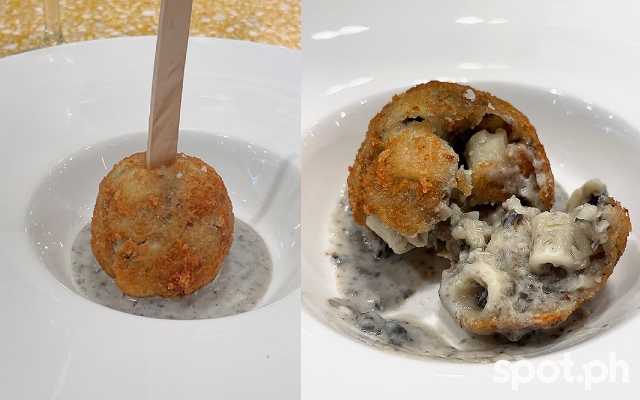
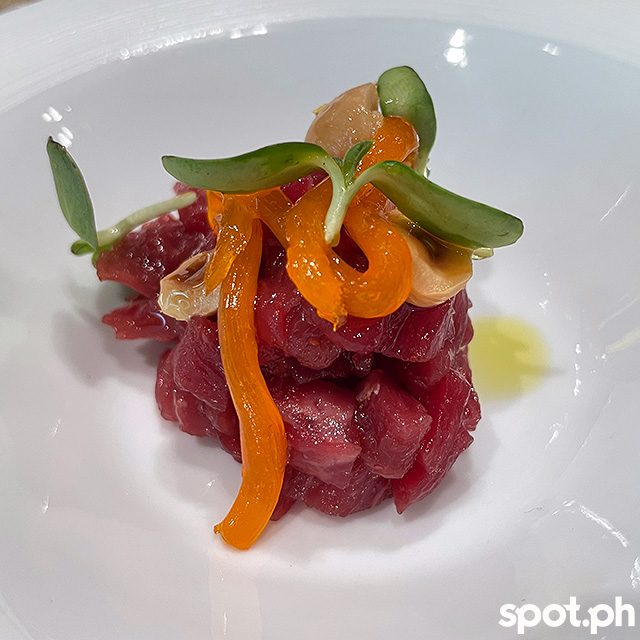
The rest of the lunch was no afterthought, mind you. Antipasti of a truffle pasta-filled Pasta Lollipop croquette made for an aromatic intro to the meal with the effervescent Ruggeri Argeo Prosecco Brut DOC. Monosilio then merged Italian and Japanese elements in the Piemontese Beef Tartare—which was made umami with soy sauce and karamiso, then topped with hazelnuts and squiggles of cured egg yolk.
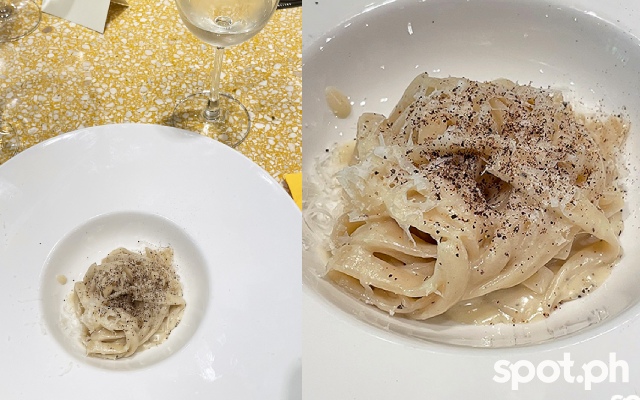
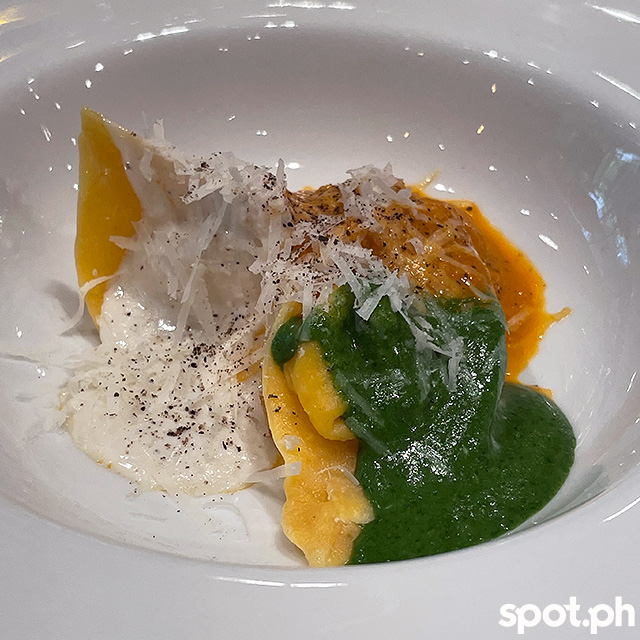
Perhaps an ode to the diversity in the world of pasta, Monosilio then dished up two other variations of the dish genre, this time highlighting fresh pasta versus the dry semolina (durum) pasta (courtesy of a mano—note that in his restaurants in Italy, he employs dry pasta that they make from scratch) used in the carbonara earlier. For starters, fresh pici—a thick hand-rolled noodle, for which the team used Tipo 0 flour for a springy chew—was the star of the Pici Cacio e Pepe, with the classic Pecorino-pepper combo making for sharp-creamy, peppery forkfuls. Meanwhile, you’ll notice the pasta dough on the Tortelloni “Margherita” Ricotta, Spinach, e Pomodoro to be a sunny shade of yellow. That’s due to the incorporation of egg yolks in the dough, which also lends it a more tender bite—and just a touch of richness to match its ricotta filling and spinach and pomodoro sauces. Both went down beautifully with the citrusy, just-on-the-right-side-of-crisp Borgo San Leo Pinot Grigio 2022.
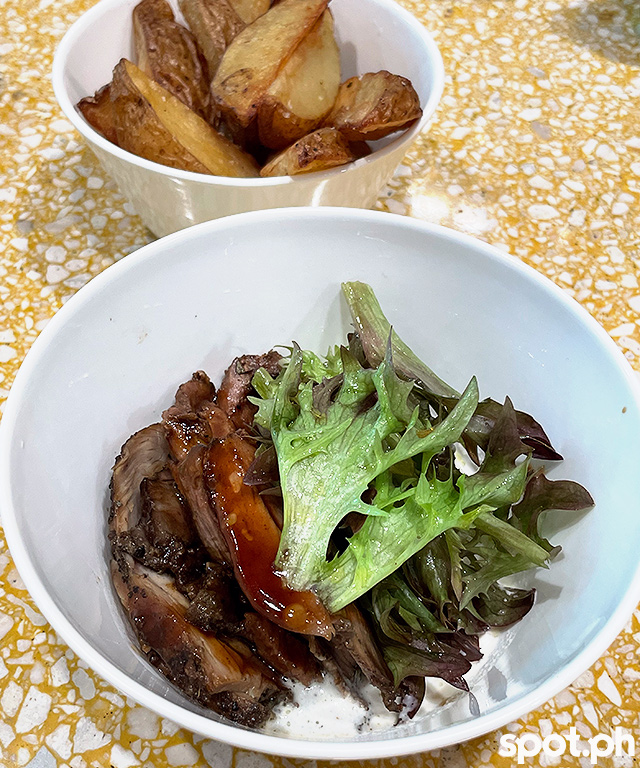
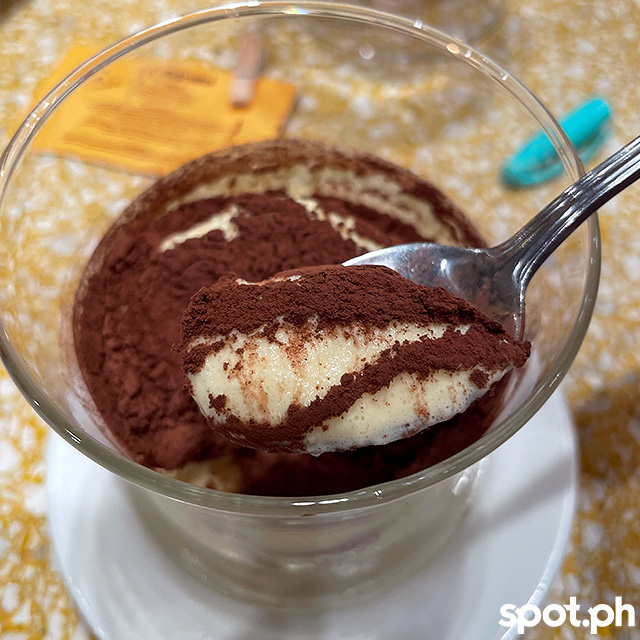
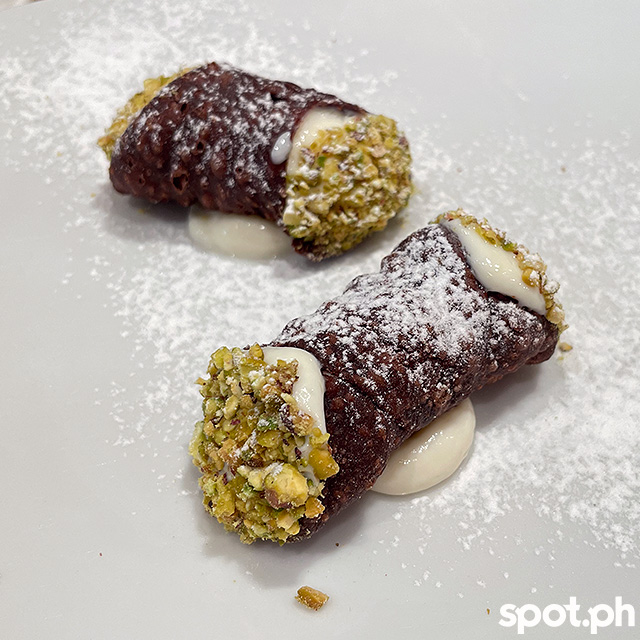
Intimidating as the prospect of Italy’s very own Carbonara King cooking our lunch sounded, the next course proved he’s all about comfort at the end of the day: Luciano’s Nonna’s Lamb & Potatoes, a simple but satisfying serve of roasted lamb slices in a cream sauce plus thick potato fries on the side. With his signature, chocolate shell-topped Tiramisu and citrus-tinged Sicilian Cannolo to cap off the meal, let’s just say we were off to a very swell afternoon… work tasks, deadlines, and general existential dread notwithstanding.
On Tradition, Modernity, and Capturing the Soul of Italian Food
The lineup notably managed to include both Italian classics, as well as more playful dishes incorporating bits and bobs from other timelines and parts of the world. We had to ask the chef: in this day and age where the borders between cultures (and culinary genres) are gradually dissipating, is there any value in striving for authenticity?
“Tradition’s important but it’s not the focus,” he responds. “Because everyone [has a] different tradition… [for example], tradition changes from town to town.”
As Monosilio helms and works the kitchens of a number of restaurants—some relatively traditional (albeit contemporary in execution, e.g. Luciano Cucina Italiana), some more upscale (Follie, which serves up a “culinary fantasy”), others radically hip (Veleno Cocktail Bar & Pasta, a cocktail bar below Luciano Cucina Italiana)—he himself has an “open mind” on the subject of authenticity in Italian food.
Instead, Monosilio shifts his eye to a more fundamental element of the cuisine: “I think it’s more important [to focus on] the Italian flavors,” he explains. “[And to understand] where it comes from.”
It’s safe to say this approach is happily working for the chef. His novel (not to mention clever!) spins on carbonara has earned a multitude of praise, in spite of stereotypes about Italians being sticklers for culinary tradition—and having tried it for ourselves, we can’t help but agree. The praise is well-deserved.
Hey, Spotters! Check us out on Viber to join our Community and subscribe to our Chatbot.