
36-Hour, Sinigang-Style Kurobuta Is Chef Favorite in New BGC Tasting Menu
Chef Francis Tolentino's Taupe Dining is anything but beige.

Taupe Dining
The Meridien Tower 2, 26th Street, Bonifacio Global City
Contact: 0962-718-9892
Instagram: www.instagram.com/taupedining
Open from 7 p.m. to 12 a.m., Wednesday to Sunday
(SPOT.ph) Chef Francis Tolentino has been in the dining industry for about a decade now, known stints of the former Sapul sa Singko host being the co-owner of BGC brunch hangout Unit 27 Apartment + Bar and head chef of colorful Mexican-Filipino tavern Almacen in Poblacion. That’s far from the entirety of who he is, however, as we’d learn on our visit to his newest restaurant. And it might just be his most cherished dining spot yet, having been two years in the making and designed to more fully reflect Tolentino’s personhood.
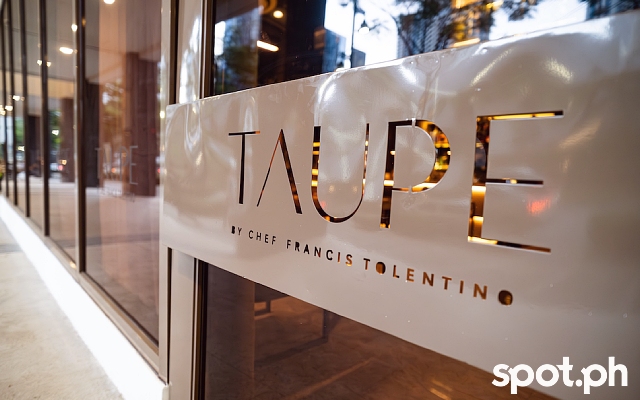
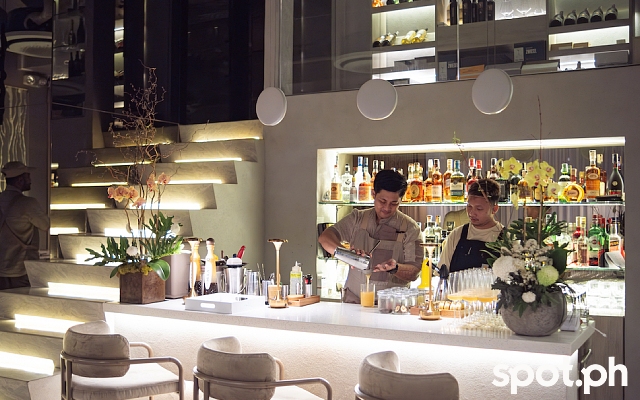
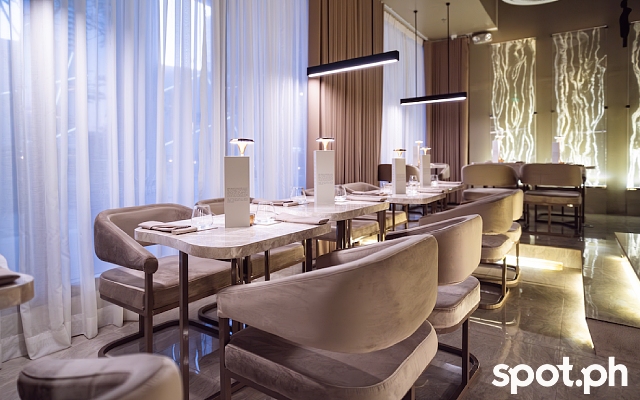
The name Taupe Dining is accurate to what greets you when you enter: an elegant, monochromatic, close-to-all-taupe interior that’s sleek and polished from a distance, but reveals a creative (even puckish) character when you zoom in. The hue may be more or less consistent, but Taupe plays around with varying tones, shapes, forms, and textures to create a look that’s anything but dull or monotonous. A bar stocked with a variety of bottles greets visitors upon entering; white and off-white chairs and tables with marble surfaces make up the dining area. One especially eyecatching piece is the staircase by the bar, which leads to the special cellar for their top bottles of wine.
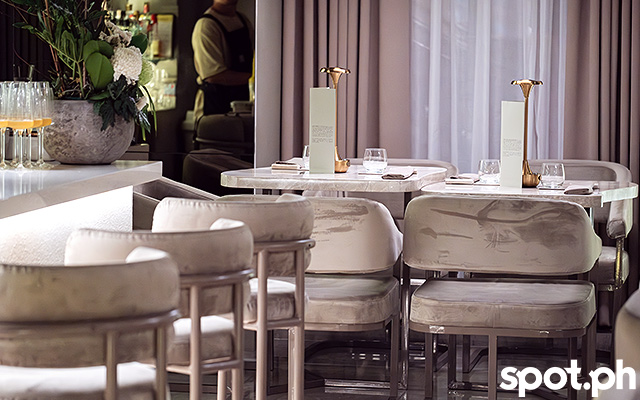
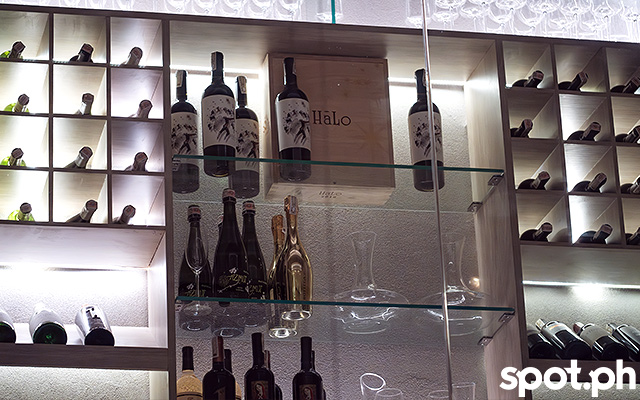
This gleaming visual is, for the most part, all the brainchild of Tolentino himself, with the help of an architect who did the rendering. “I know exactly what I wanted for Taupe—exactly what kind of tables, fabrics, lights,” he shares. “It's literally my brain. My brain and heart.” After all, the color taupe itself holds a personal significance that Tolentino doesn’t shy away from expressing. “I can say that [taupe] is one of my favorite colors,” he tells us. “[I chose it] because I'm a very basic person, but I [pay] attention to details.” All this intentionality makes it hard to believe this to be Tolentino's first fine-dining venture (although he does have previous experience as Chef de Cuisine of Mandarin Oriental).
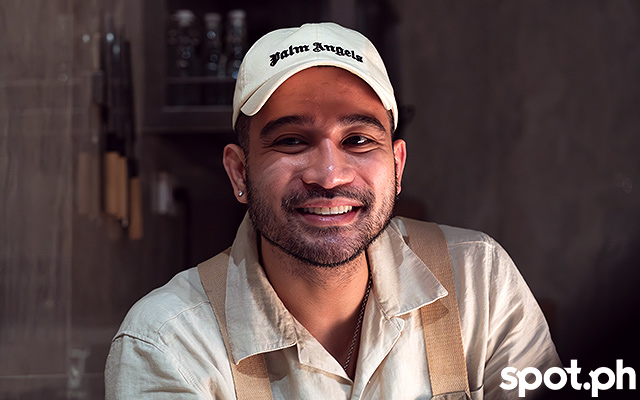
The color taupe's neutrality, Chef Francis continues, also allows other things to be put under the spotlight—like their food. “Taupe is a canvas… because I want the food to be the color. My food would be the art.”
Also read:
The SPOT.ph 50 Great Restaurants of 2023: Best of Manila and Beyond
10 Essential Tasting Menus in Metro Manila to Try Right Now
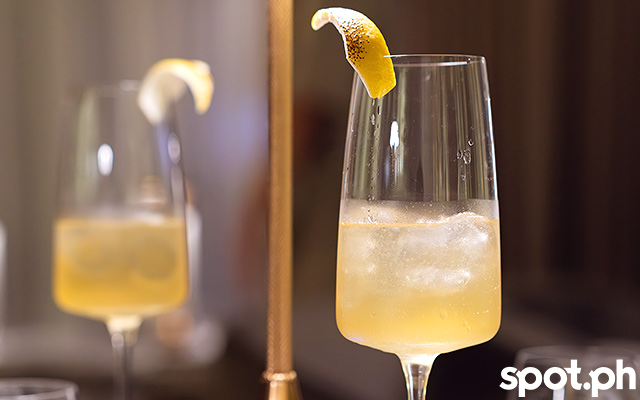
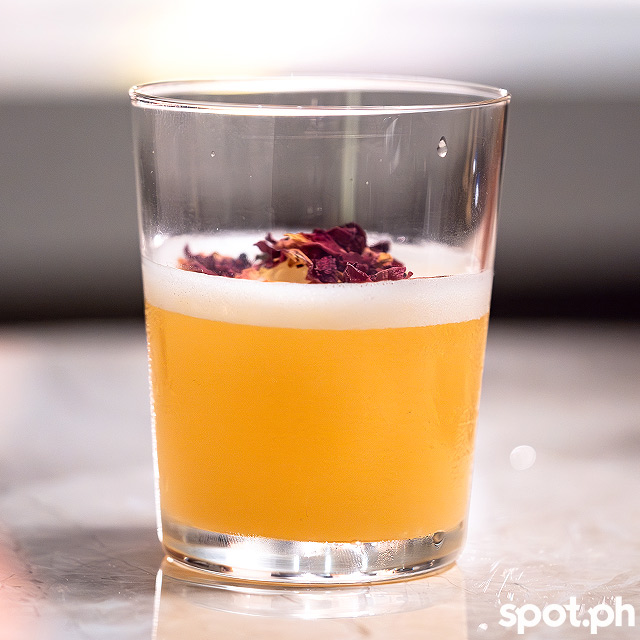
Taupe’s tasting menu (P5,000/eight courses, P6,000/10 courses; additional P1,900 for cocktail pairing by mixologist Radge Egar) goes contemporary in presentation and flaunts the use of upscale ingredients like Osciètre caviar and truffle, to name a few, (“[as influenced by]... my professional years as a chef,” says Tolentino). But make no mistake: local is the highlight here. Tolentino, who comes from a “family of cooks” and learned how to cook largely through his lola, shines the spotlight on Filipino flavors and ingredients—particularly those from his hometowns, as his mom and dad hail from Davao and Nueva Ecija, respectively.
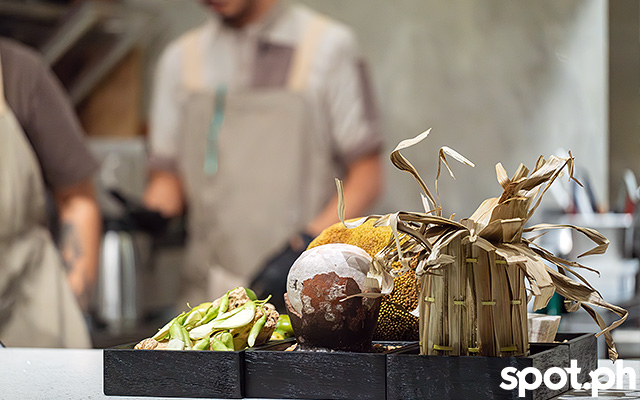
Tolentino turns to local not for the sheer novelty of it, but also to highlight otherwise-dying parts of our heritage. Right by the kitchen are a trio of Filipino salts that they use in different applications: a block of tultul from Guimaras Island; buy-o from Zambales, packaged in a basket made of palm, bamboo, and rattan; and the so-called “dinosaur egg” asin tibuok from Bohol. “I made all those Filipino ingredients as the [stars]... [they’re] as beautiful as any international ingredients that I mix for my menu for this collection,” he explains.
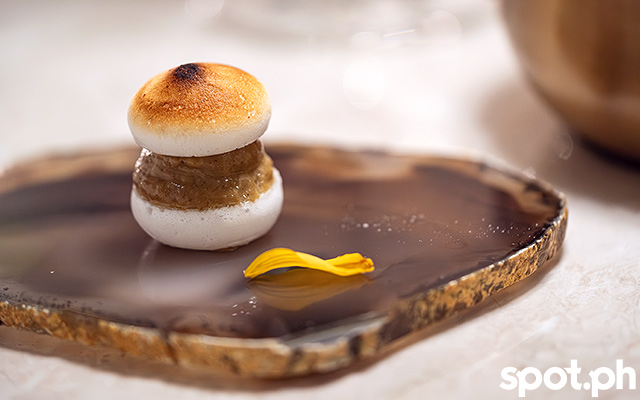
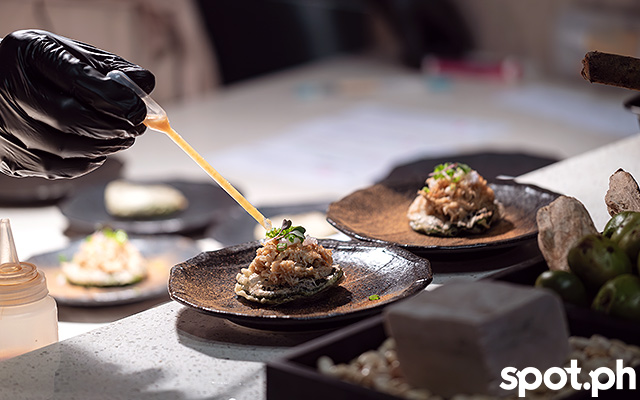
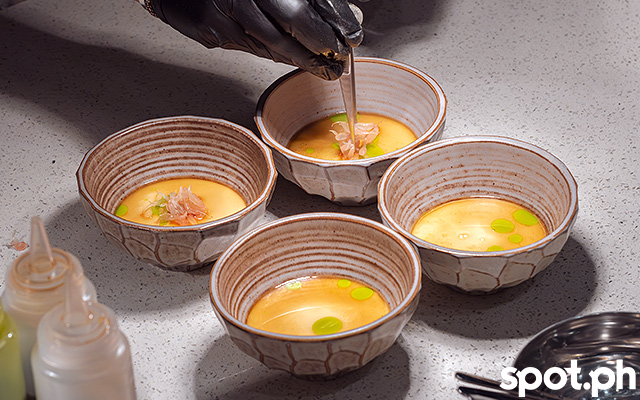
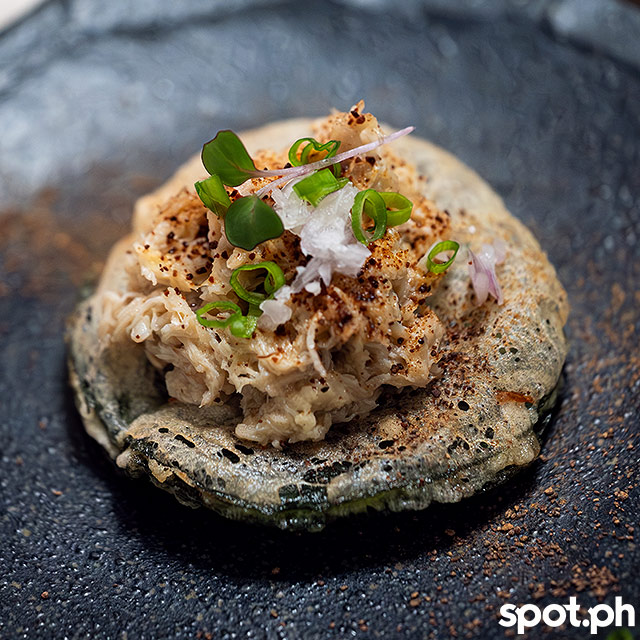
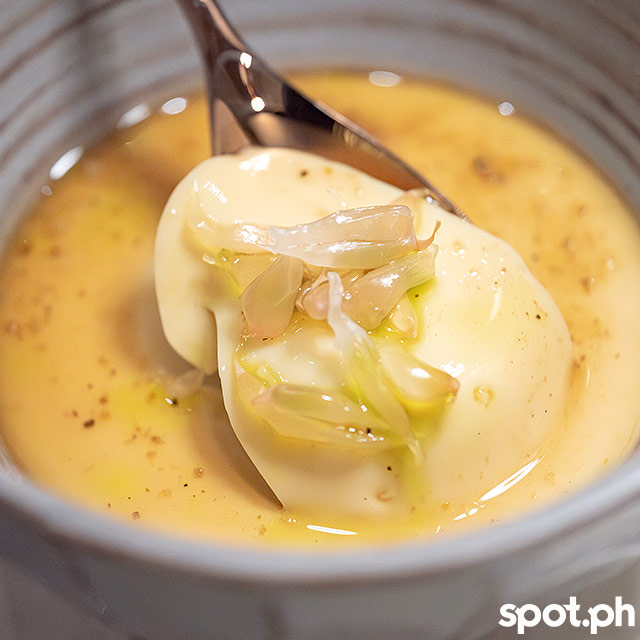
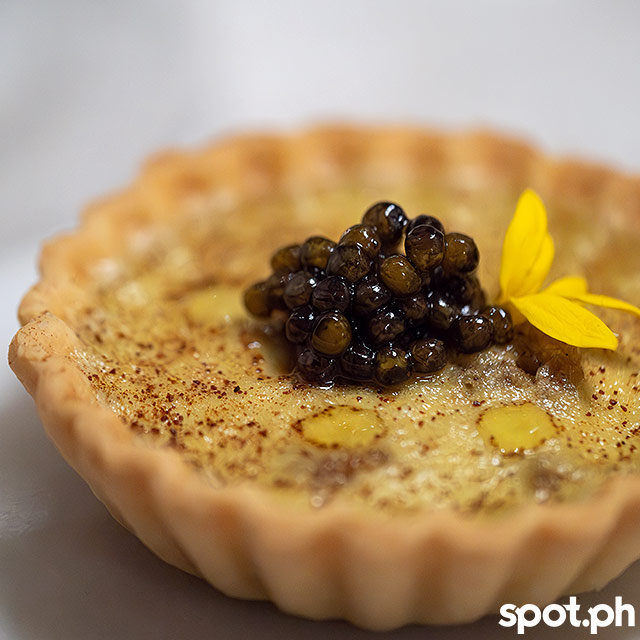
Seafood features heavily in the early parts of the degustation—and Taupe isn’t afraid of letting their natural umami and ocean-y soul shine through, Western presentations aside. The meat of blue crabs from Cebu make for a memorable one-bite Fried Shiso that’s best had with their shiitake-infused Mystika Umami drink, while Manila clams lend their sweet, briney juices to a Custard brightened by Davao pomelo pulp. The Tart, served under a glass case filled with sampagita smoke, takes the pastry to the savory realm with an Aklan-oyster imbued filling.
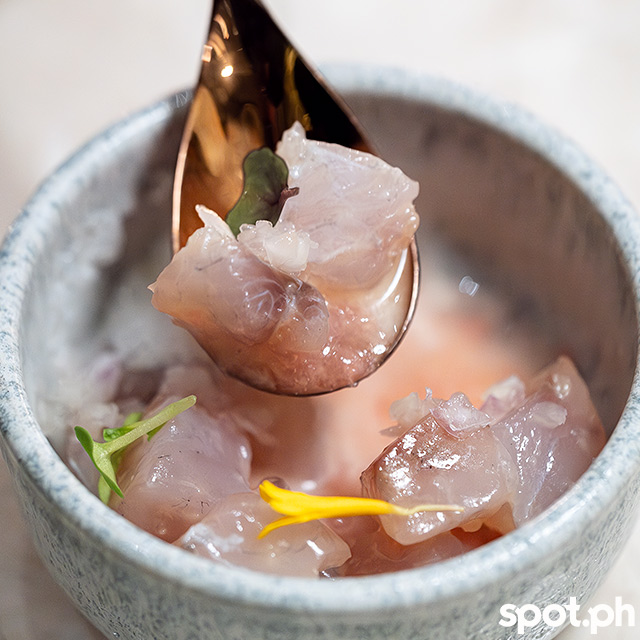
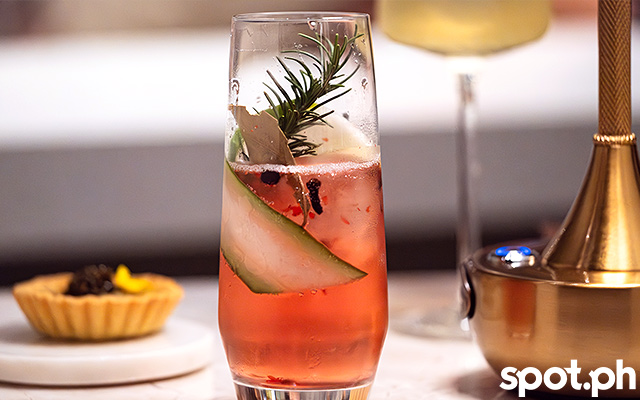
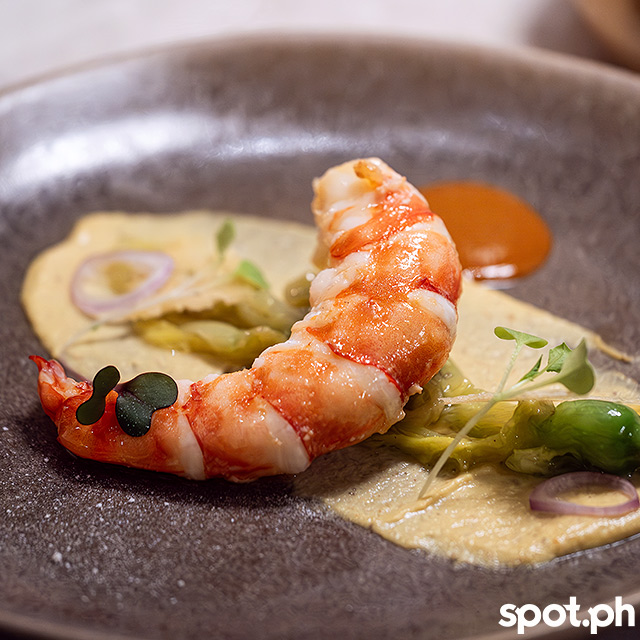
Bright and zesty is then the name of the game in the Ceviche, which pits tultul salt-cured apahap together with a mangosteen-lime granita—fantastic taken with the Tres Flora Gin & Tonic. The Taupe team then introduces us to an edible flower that’s a favorite in Nueva Ecija but is rather rare in Manila (cue Ratatouille moment for the author, whose mom hails from San Antonio): katuray flowers, which lend a subtle (and, note: not unpleasant) bitterness to the Butter Poached Roxas Tiger Prawn.
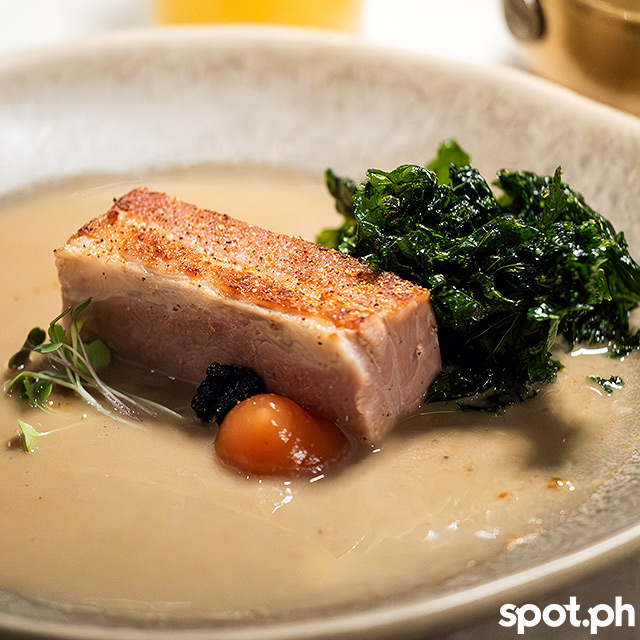
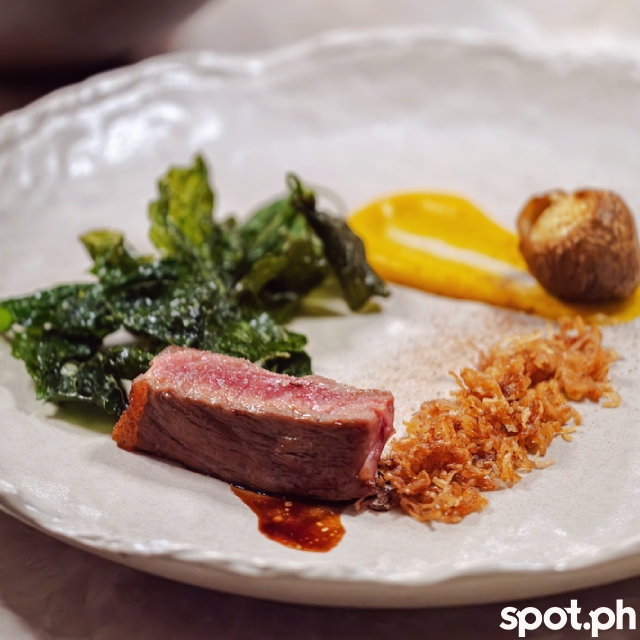
The mains are where Taupe show their knack for remixing—but not erasing the defining flavors of—the familiar. Tolentino's personal favorite on the menu, the 36 Hr Kurobuta, is pure comfort that evokes the soul of sinigang—one concentrated down to its essential parts with a rich sauce of batwan. (Sinigang happens to be one of his favorites from his grandma's repertoire: "There's nothing special about her Sinigang, but sometimes, you know, the grandmother, they definitely cook with love.") The Angus Rib Eye, accompanied by karamiso rice, a soy-calamansi-garlic sauce, and Bontoc potatoes, brings to mind a juicier bistek.
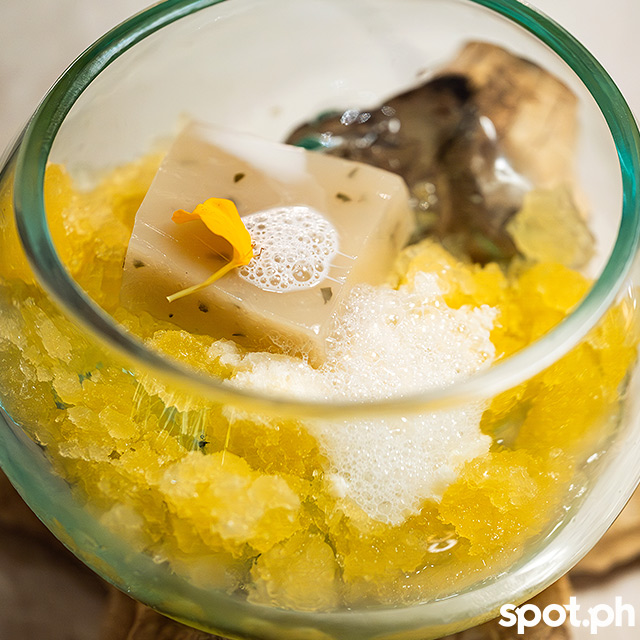
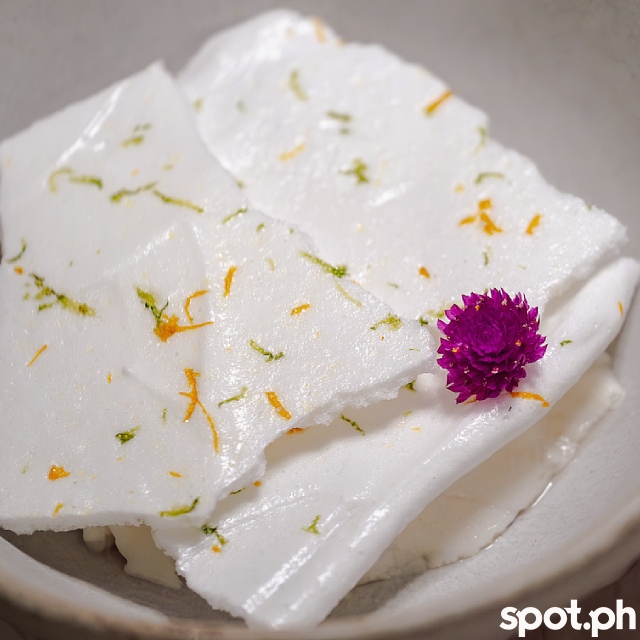
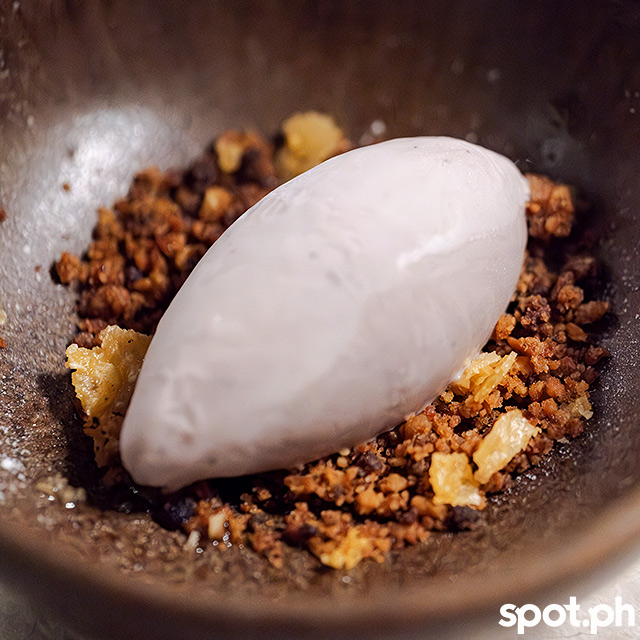
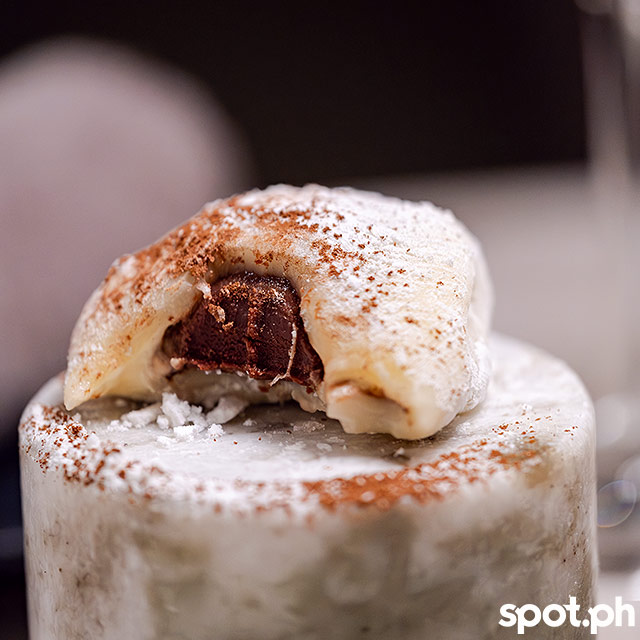
For dessert, Taupe then cools the taste buds with the Honeydew with longan and latik, before bringing in indulgence with the carabao milk-based Black Rice ice cream and Cacao Bean mochi with a South Cotabato chocolate filling.
There is the old stereotype about chefs being egocentric creatures (arguably, this could apply to just about any kind of artist). Sure, Taupe Dining is largely Tolentino, restaurant-fied; but he’s mindful to give credit to his team—one of "mostly young, aspiring" chefs where about 80% are fresh graduates, and they all collaborate in coming up with the menu. And beyond himself, Tolentino remembers his bigger cause: to put local on the roadmap for the Filipinos and foreigners dining at their space. "I've been an advocate [of Filipino culture and Filipino ingredients] since day one. I believe... we have very good resources in the Philippines. We can even compete with international players as well... I always believed that I can showcase [them] someday, and showcase my talent and maximize the ingredients that we have here in the Philippines, especially the rare ones.”
Photos by Majoy Siason
Hey, Spotters! Check us out on Viber to join our Community and subscribe to our Chatbot.