Follow us!
© 2026 Spot.PH

NPC Seal of Registration

Spot.ph has been granted the NPC Seal of Registration in recognition of the successful registration of its DPO and DPS

BIR Registered - Bureau of Internal Revenue

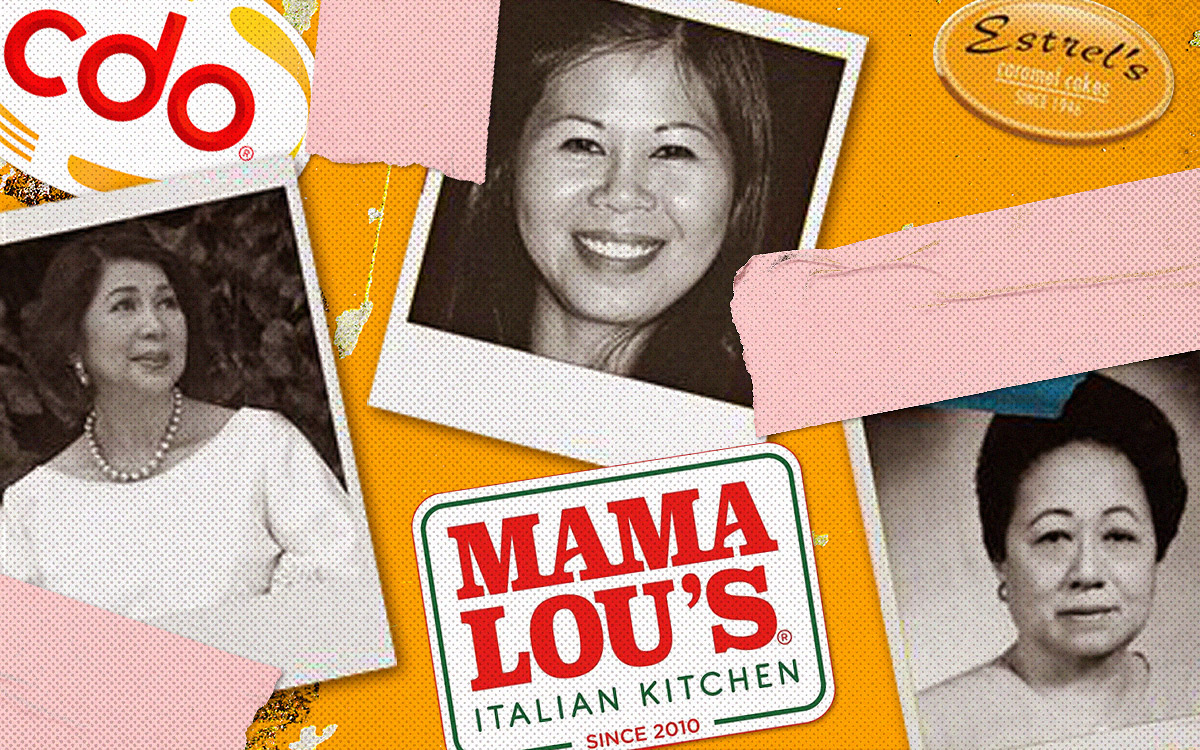
Founding Mothers: Meet the Real Women Behind Food's Biggest Household Names


Published Mar 2, 2025

(SPOT.ph) In the sluggish crawl (or brawlish slugfest) to gender equality, here’s one milestone: today, we live in an age where “get back to the kitchen!” is more a meme than it is an actual dismissal of a woman’s worth or opinion.

To begin with, it isn’t much of an insult anyway: the kitchen is a place of power, one that’s allowed women to create empires, break economic brackets, and top foodies' favorite joints—and this is especially true in the Philippines, with many a household name being the literal name of their female founders.
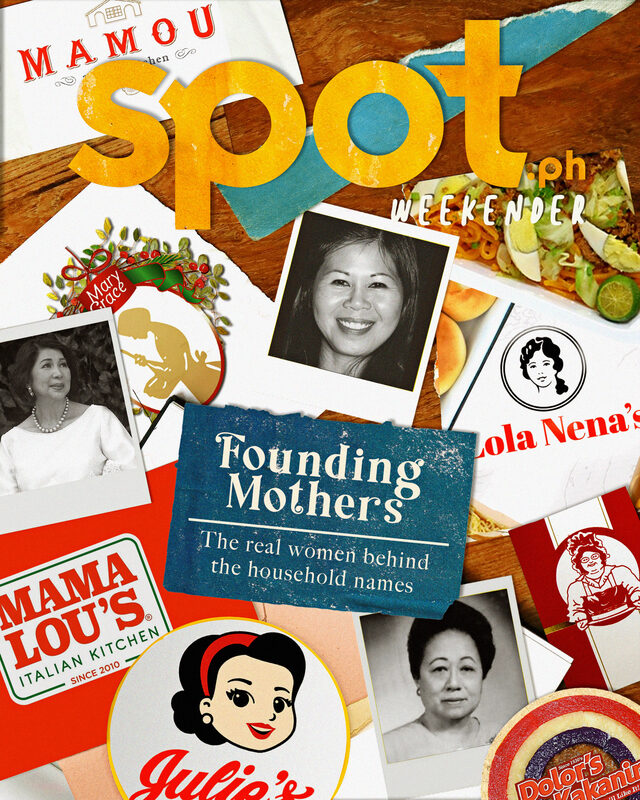
Spot Weekender Founding Mothers
ILLUSTRATION Warren Espejo

Also read: 
Wonder Women: The Filipina Chefs You Should Know by Now 
The Fight for Women's Rights: A Short "Herstory" of International Women's Day 
Reyna’s Chef Erica Paredes on Cooking Filipino for Parisians, Breaking Cultural Boundaries

Meet the real-life women behind these famous food brand names:

Mamou

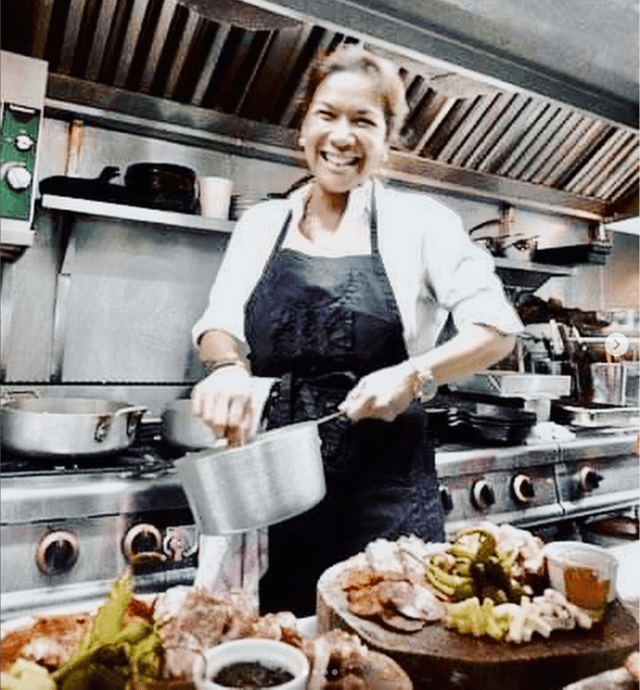
If you’re after one of the juiciest, awe-inducing steaks Metro Manila has to offer, many will point you to Mamou, the self-named brainchild of one Malou Fores (who is, fun fact, the sister-in-law of culinary rockstar Margarita). Originally a preschool teacher, Malou always had talent in the kitchen—something she may have inherited from her Kapampangan mother’s taste, or perhaps her summers spent grilling up big steaks in St. Louis, Missouri with her paternal grandfather. 
Article continues after this ad.
ADVERTISEMENT - CONTINUE READING BELOW
Malou Fores
"Mamou gave my mom a validation that her food was amazing and that people really appreciated it and would go out of their way to eat there," Malou's son Raul Fores, a chef, once wrote. 
PHOTO from Malou Fores on Instagram

Her first food venture was actually artisanal deli Blue Kitchen in Shangri-La Mall, but Malou carved her name into the scene with Mamou opening in 2007 and showcasing her own home recipes perfected with time. It’d quickly shoot up the ranks of foodies’ favorite steak and pasta spots, and today, it has nine branches around the Metro—and that’s despite Malou’s victorious fight with breast cancer.

CDO

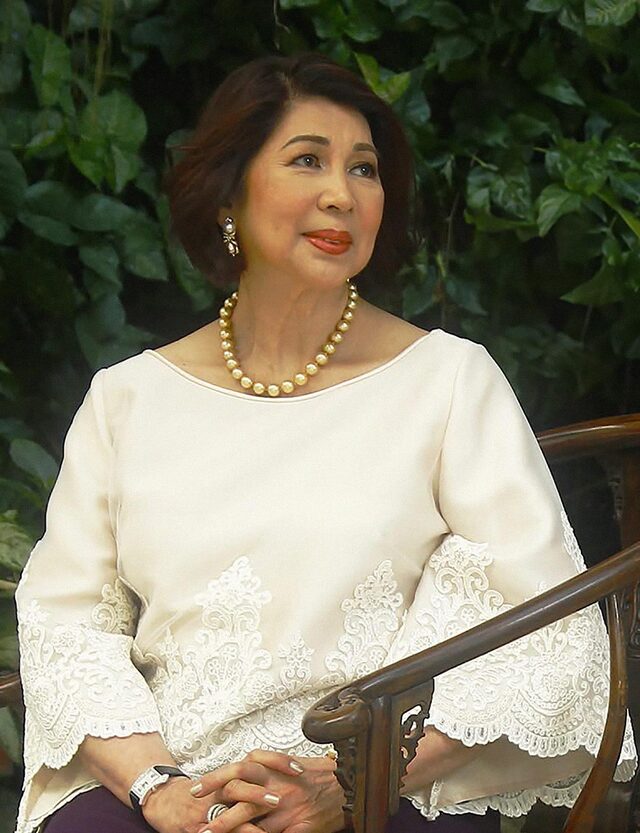
Yes, you read that right: that logo stamped on your favorite tocino isn’t just some acronym: CDO stands for the name of its founder, Corazon Dayro Ong. A nutritionist and dietician by trade, Ma’am Cora (as she is fondly called) started it all selling homemade meat products like skinless longganisa from her family home in Valenzuela back in 1975—a mom and pop shop at best, at not even a tenth of the scale it operates at today.
CDO
Corazon Dayro Ong is CDO. 
PHOTO BY CDO Facebook Page
Article continues after this video.
ADVERTISEMENT
watch now

Cora would sell first to her relatives and neighbors with her supportive husband Jose helping out with deliveries. In return, those first customers would start a frenzy for her wares, enough that Cora and Pepe would soon take the plunge and quit their day jobs to start a meat processing plant. Decades later, you have CDO as you know it today—an enterprise bringing its signature bacon, hotdogs, and holiday hams to millions of Filipino families across the archipelago.

Becky’s Kitchen

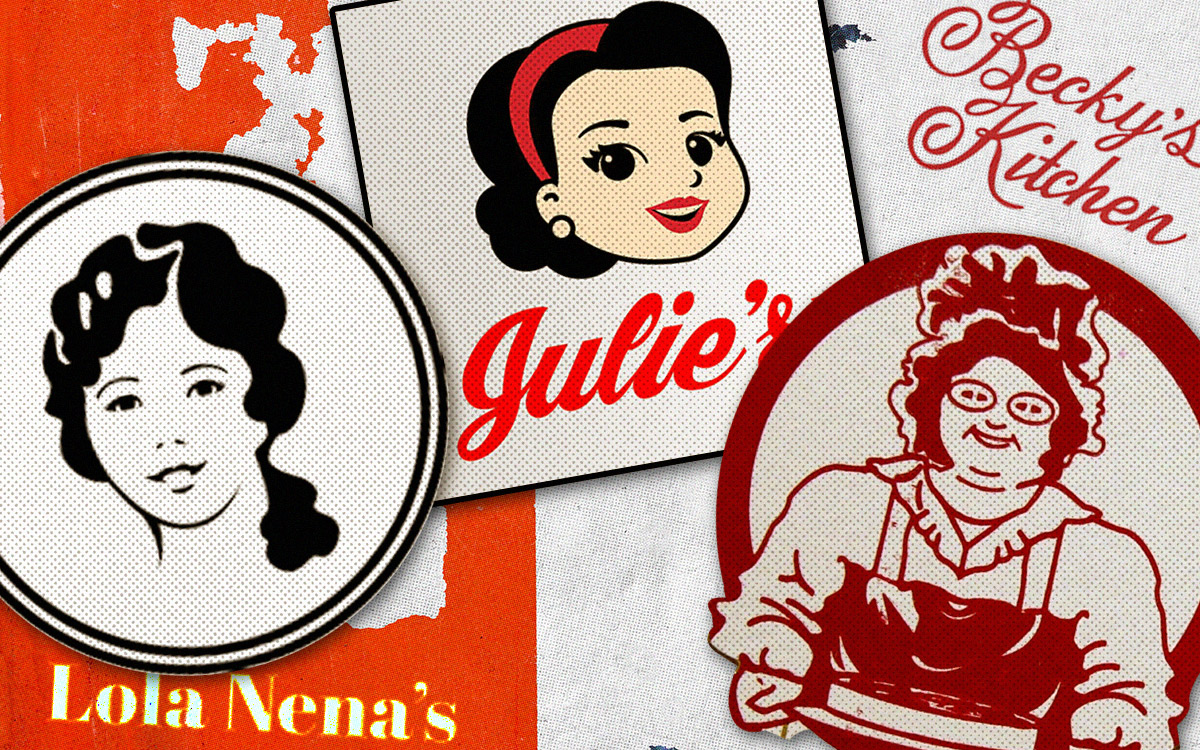
It takes grit to build your own bakeshop from the ground, but transforming it into a cult following still strong nearly 40 years later is a feat on a different level. Rebecca Villegas was a teacher in St. Scholastica’s before she turned to her passion for baking—though location-wise, she wouldn’t go very far, setting up Becky’s Kitchen in a gorgeous pre-war home only a few streets away along P. Ocampo (fun fact: their iconic store was originally meant to be a baking school!).
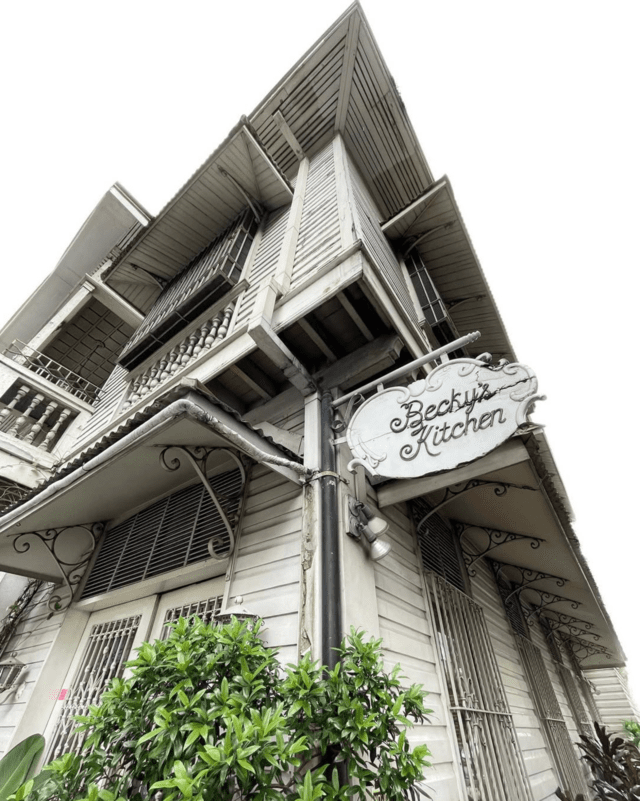
Becky's Kitchen
As
PHOTO BY Becky's Kitchen on Instagram

Despite also being a lecturer at the Philippines Institute of Bakers for years, Rebecca would still be a very familiar face to unwavering fans of her uber-soft lemon squares, brownies, and crinkles. A believer in patient kitchen-testing and closer personal supervision, she was a fixture in the shop—the same way that Becky’s Kitchen remains a mainstay for Manila residents and nearby university students.
Article continues after this ad.
ADVERTISEMENT - CONTINUE READING BELOW

ILLUSTRATION: Warren Espejo

Lola Nena’s

Triple cheese donuts, pichi-pichi, and siopao tostada. Three simple treats, and yet, few have rallied together an army of enthusiastic apos like Lola Nena’s has. But did you know that Lola herself didn’t start this business? Nena Del Rosario Teotico may be its namesake and the basis of the face you see on their checkered boxes, but the real founders of Lola Nena’s are actually her great-grandaughter Steffi Santana and her parents, who wanted to evoke the feeling of going to your grandparents’ house.

“[‘Yong] parang aalagaan ka, parang when you go to your lola’s house lahat ng gusto mo binibigay sa 'yo, parang sobrang comforting ‘yong food,” says Santana. Much of the menu are family recipes passed down for generations, including the melt-in-your-mouth pichi-pichi they started with in 2012 and Nena’s Embutido, which actually is based on Lola Nena’s original recipe. And their Bicolano Siopao Tostado and signature Triple Cheese Donuts? Created by Santana’s parents, proving taste does run in the family!

Dolor's Kakanin

Established in the 1930s, Dolor’s Kakanin has a tale as old as time in the food world: Someone cooked up something so delicious that no one would shut up about it. In this case, it was Dolores M. Santos and her fantastically gooey kakanin—originally just puto and kutsinta, but eventually branching out to classics like maja blanca and, of course, her iconic rainbow-colored sapin-sapin that would turn her into a household name.

The breadwinner among nine siblings, she would start off selling her wares at the nearby palengke in Malabon, but they would soon be such a hit that she opened a counter in her own home that even the elite—from Doña Petra Furagganan (Juan Ponce Enrile Sr.’s mother) to Doña Engracia Reyes of Aristocrat (not the last time you will see this name on this list)—would be ordering from for their high society meriendas. Though Dolores passed away in 1997, Dolor’s Kakanin remains all in the family, with the ironclad rule to never change her original recipe. Any order today is still as good as made by Dolores herself.

Article continues after this ad.
ADVERTISEMENT - CONTINUE READING BELOW

Mama Sita

Mama Sita could have been anyone, but in reality, she was already born food royalty. Teresita Reyes was the daughter of Doña Engracia Reyes, dubbed the “Grand Dame of Philippine Cuisine” with the founding of Aristocrat. And while many would have happily carried on the family business, Teresita would use lessons learned in her childhood of growing up in kitchens and marketplaces to come up with her own creations, like unique takes on hopia and banana cake.

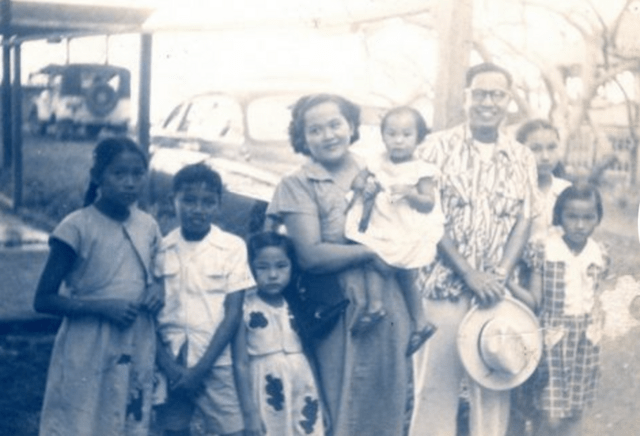
Mama Sita with family.
Sita (center) with husband Fidel and their children. 
PHOTO BY Mama Sita Official Website

But her real eureka moment came after a lot of traveling to far-off cities like Chicago and Havana, where she would meet plenty of Filipinos craving the taste of home. After collaborating with her son-in-law, biologist Bart Lapus, Teresita’s own line of Mama Sita sauces and mixes was born, making the flavors of Philippine cuisine accessible around the world for the very first time.

ILLUSTRATION: Warren Espejo

Mary Grace

Before Mary Grace became the failsafe family restaurant in nearly every major mall in Metro Manila, it was built on ensaymada. Specifically, the iconic ensaymada that one Mary Grace Dimacali would tirelessly experiment with and eventually perfect. A mother of five, Mary Grace got her start as an amateur making cookies and pastries for family—and while she never had plans of starting a business of her own, took a year-long course on baking and bread-making in the United States in 1986 to hone her talent.

Mary Grace
Dimacali as a student of baking in the US in the 1980s. 
PHOTO BY Mary Grace Official Website

She’d start out making fruitcakes to sell, but soon realized she needed a star product she could sell year-round: and so, the ensaymada we know came to be. Soon, she’d get the help of her daughters and sons assembling boxes and helping her sell countless pastries in bazaars. Today, even with nearly 150 Mary Grace cafes and kiosks nationwide, it stays a family affair—and it shows with the homey flavors and ambiance that Mary Grace built. 

Estrel’s

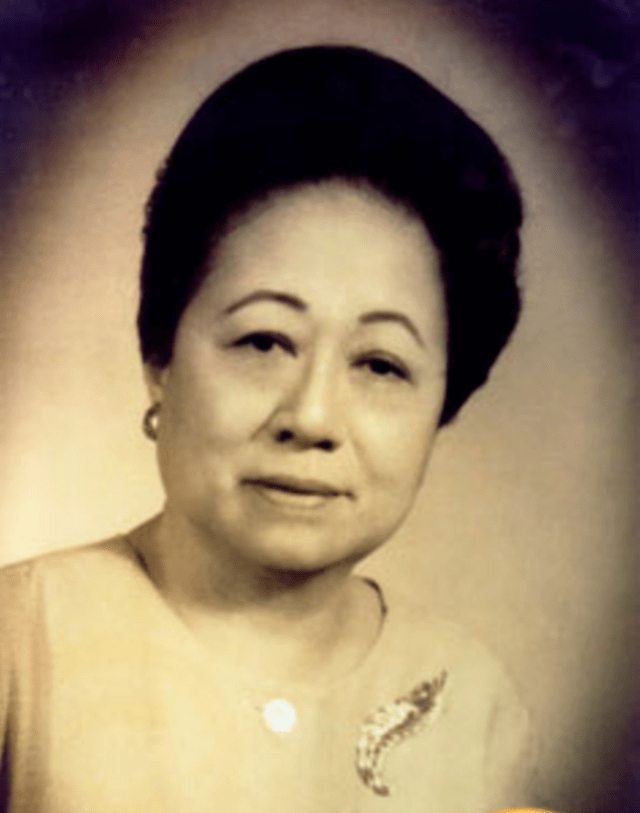
Fluffy chiffon, smooth and creamy caramel, a golden ratio of sweetness: that’s the iconic Estrel caramel cake in a nutshell, and has been for over 75 years, starting the day that Estrella Narvas Ylagan turned her hobby of baking into a business.

Estrel's
Estrella Narvas Ylagan turned a hobby into a business. 
PHOTO BY Estrel's Official Website

Originally called Estrella’s when it opened in 1946, Estrella—or Ms. Ylagan in the kitchen—built a cult following from her caramel cakes, which she pointedly baked (with many of her sisters and relatives on staff) on a noncommercial scale to keep quality up to her own high standards. The result: 50 years of customers panting up four flights of stairs with zero complaints to reach their spot in the Laperal Building in Recto. Today, Estrel’s still takes after its founder’s dedication to quality by operating in only one kitchen and still primarily being a made-to-order bakeshop—just like Estrella herself would like it.

Mama Lou’s

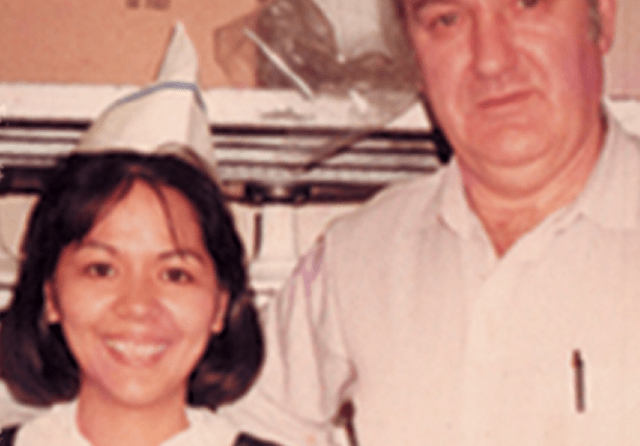
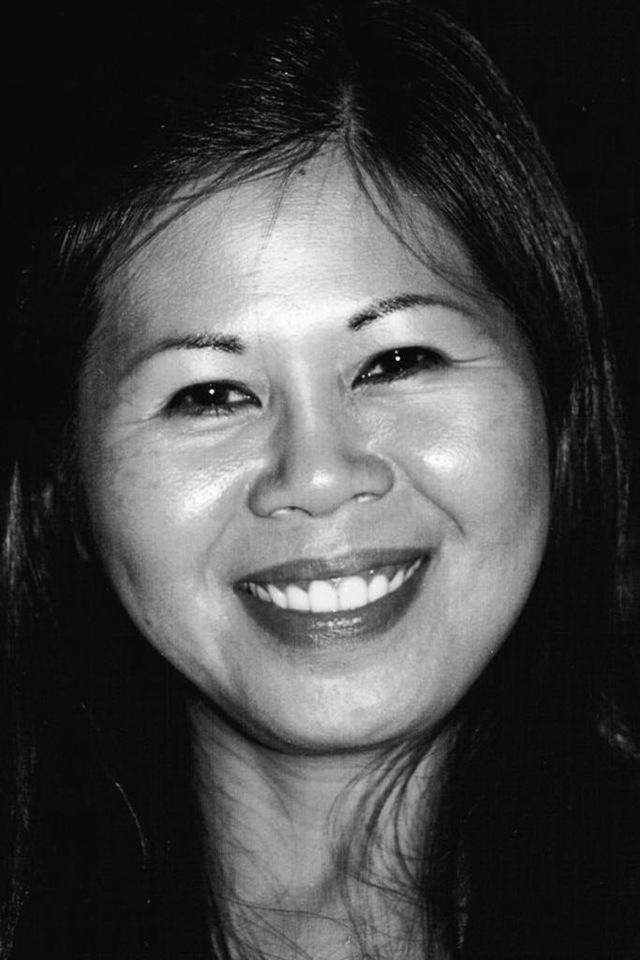
Fun fact: Before there was Mama Lou’s, there was Café Francais, a little European spot along Aguirre Street in BF homes opened by husband and wife team Richard and Malou Tremblay. Where French-Canadian IT professional Richard would bring in a childhood colored with Italian food at home, Malou would bring in her own passion for cooking to match—and that passion wouldn’t be stopped when Cafe Francais eventually ran into financial problems after nine years.

Mama Lou
Malou Tremblay's legacy is Mama Lou's. 
PHOTO BY Mama Lou

The couple closed Cafe Francais and from the ashes—and a house they had been trying to sell for years along Tropical Avenue—came the homey, self-named Italian concept we’ve come to know and love. Malou would go all in on the fantastic thin-crust pizza and pastas (see: their Mac and Cheese and Beef Lasagna) Mama Lou’s is now known for. And bittersweetly, it would be her final labor of love: in 2012, two years after opening Mama Lou’s, she would pass away because of lung cancer at only 45 years old. Today, the restaurant is run by her daughter Crystal and her husband David Sison.

Julie’s Bakeshop

The mother of all Pinoy bakery chains, Julie’s Bakeshop has been around since 1981—and you may be surprised to hear that Julia Gandionco was 50 years old when she opened her first bakeshop in Mandaue City.

A canteen concessionaire at three different factories in the 1970s, Tita Julie (as she preferred to be called) only wanted to help her husband with their family’s expenses—not build a corporation. But manning her canteens, she saw a growing demand for bread. Despite her own lack of experience in making it, she would take the plunge with one of her suppliers and open Julie’s Bakeshop, with its signature promise of freshly baked bread by the hour. It was an instant success, with a second branch opening only three months later, and eight more all over Cebu run with family members in three years. Today, Julie’s Bakeshop has over 600 branches all over the archipelago—a testament to her own keen eye and business instinct.

Comments

Latest Stories

Load More Stories
Close