
Neighborhoods: What is La Loma's Secret to Lechon Supremacy?
Nothing screams "celebration" quite like lechon.
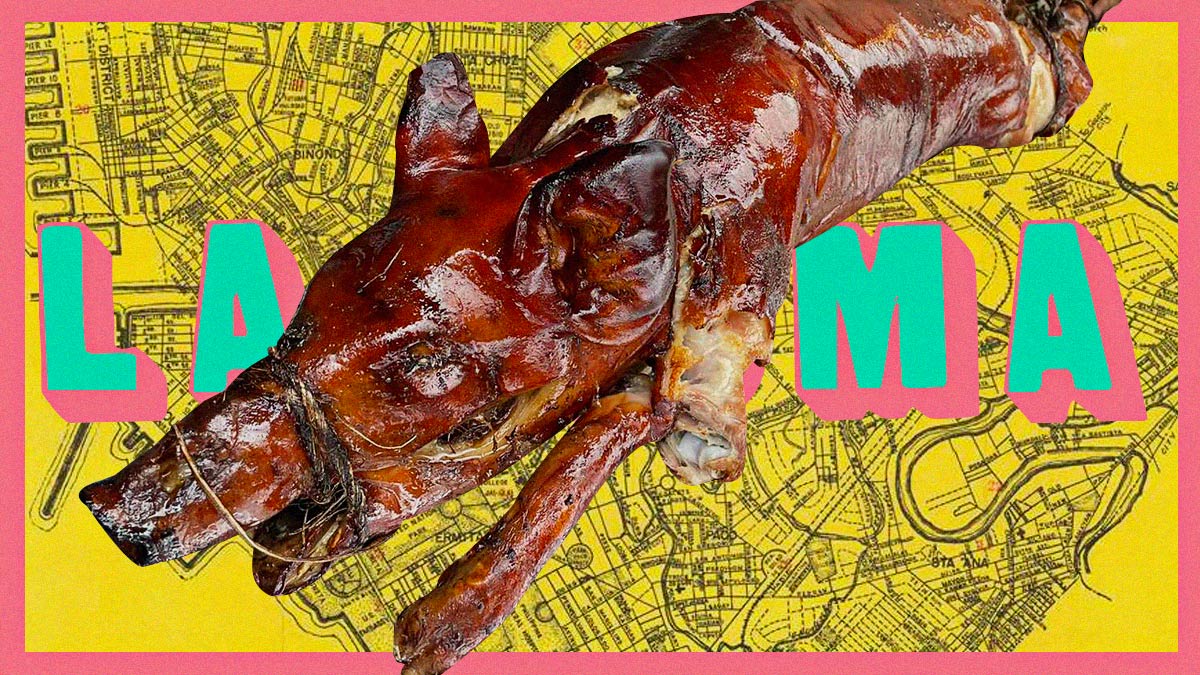
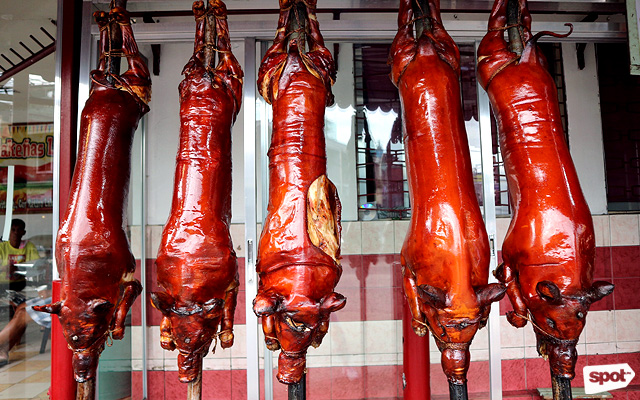
(SPOT.ph) Pass through NS Amoranto in Quezon City and you'll see houses with reddish brown "fences" of crispy lechon skin, ready to be picked up and delivered to the next Christmas party.
The aroma of whole pigs roasting over hot charcoal in this part of Quezon City is unmistakable. Lechoneros invite customers into their shops in the hopes of selling them a kilo or two -- or an entire hog. There's just something about lechon that makes Noche Buena and Media Noche tables extra festive.
Also read:
The Fascinating History of Some of Your Favorite Filipino Christmas Eats
How to Eat Lechon at Noche Buena Without Punishing Yourself After
10 Places Where You Can Get the Best Lechon in Carcar
At Monchie's Lechon, owner Ramon Ferreros entertains an endless line of customers waiting for their orders even before Simbang Gabi started. It doesn't matter if the cheapest pig is worth P9,000 during peak season -- it will all be sold out before the day ends.
"Kahit mahal 'yang lechon sa La Loma ngayon dahil sa December season, pinag-iipunan nila 'yan para ang bahay nila may lechon sa hapag, para masagana isang buong taon nila at sa pagmamahal nila sa pamilya nila, binibigyan nila ng masarap na uri na pagkain, de kalidad na pagkain. 'Pag may lechon ka, iba ang pakiramdam ng pamilya," he told SPOT.ph.
Why Filipinos celebrate with lechon
Spanish colonizers brought religion, education and even traditions Filipinos have embraced since the 1500s, and that includes roasting suckling pigs we call lechon. According to the chronicles of Antonio Pigafetta, explorer Ferdinand Magellan and his men feasted on pork when they arrived in Cebu in March 1521, which could be the very first lechon roasted in Philippine shores if we were to ask food historians.
In Balayan, Batangas, roasted pigs are at the center of their thanksgiving that dates back to the Spanish and American period, according to the local government. By roasting swines over fire and parading them around the town plaza, residents give thanks to their patron St. John the Baptist for blessing them during the past year.
Nowadays, having lechon at the table is a symbol of celebration and hope that good things are to come especially during New Year's Eve, said Ferreros. It's no surprise that sales jump three times higher during December 31 compared to Christmas sales. It's so famous, it is said to have inspired a hog Pokemon named Lechonk.
"Ang paniniwala natin sa kultura natin, kapag meron kang handa sa pagsalubong sa Bagong Taon, ibig sabihin masagana ang isang taon mo at ang hapag mo, masagana, marangya," said Ferreros.
And it's not just for the December holidays -- lechoneros sell even during off-peak seasons. Birthdays, christenings, graduations, weddings, and other milestones are more fun with crunchy lechon skin, silky, fall-off-the-bone meat, and a delicious liver sarsa. Lechon is largely associated with the bond that family and friends share during special occasions, like how our mothers bring out the special plates when there are VIPs at home.
"Maglagay ka man ng 15 ulam at wala kang lechon, quite empty ka. Kahit limang ulam lang 'yan, maglagay kang isang lechon, enggrande ang handaan mo sa tingin at sa impression."
How lechon put La Loma on the Philippines' culinary map
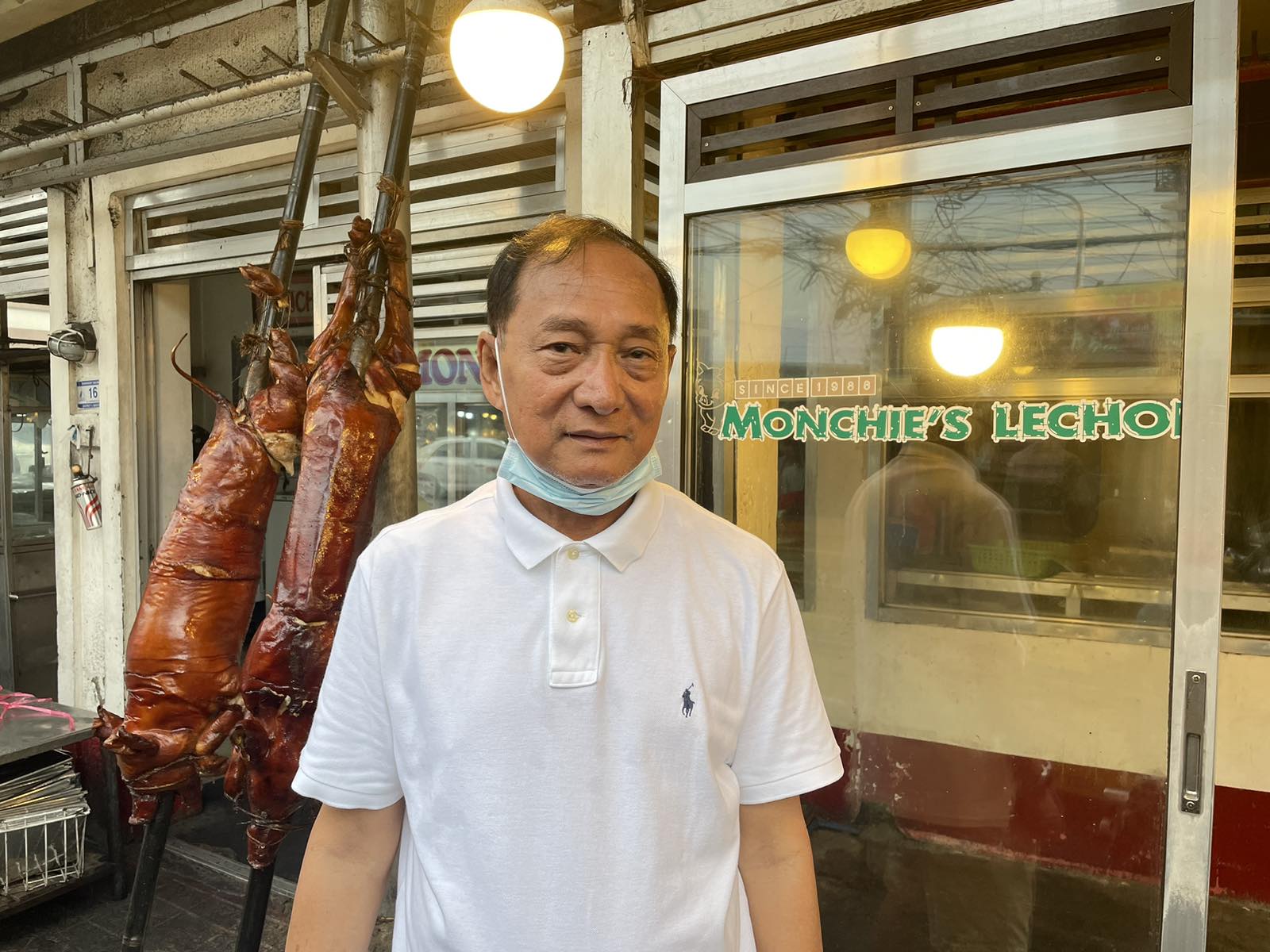
Ferreros, a third-generation lechonero in La Loma, started Monchie's Lechon in 1988. Born and raised in the town popular for its cockpit arena, he said it became his vision to make his hometown known for their roasted pig.
He was inspired by other lechoneros before him like Mila's Lechon and Mang Tomas Native Lechon, the first ever lechonero which opened business in 1954 and shares a name with the eponymous all-around sarsa Filipinos have grown to love. Back then, the sabungeros in the oldest cockpit in the Philippines were the patrons of the pioneer lechoneros in the area.
"Mapapansin kami ng siyudad kasi parte ng kultura natin 'yan, mapapansin kami ng buong bansa, mapapansin tayo ng buong mundo na merong La Loma na katulad nito na ang lechon na 'pag nagtinda kami akala mo bakod," the 66-year-old lechonero said.
In 1990, Ferreros, the president of the La Loma Lechoneros Association, initiated the first ever Parada ng mga Lechon, where roasted pigs were dressed in different costumes and placed in floats.
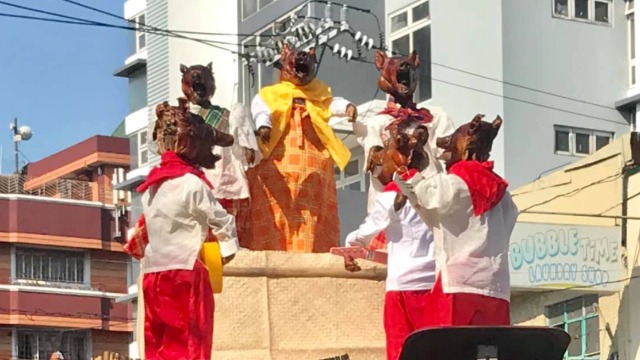
In 2002, he lobbied to make his hometown the Lechon Capital of the Philippines. His efforts didn't go unnoticed. With tourists flocking the parade and the boom of lechon business in the town, then-Mayor Feliciano "Sonny" Belmonte declared it the Lechon Capital of the Philippines two years later. In 2020, La Loma was also declared a tourism district of Quezon City through an ordinance.
There are other provinces like Cebu, Batangas, Iloilo, and Davao de Oro which also boast their own signature roasted pigs. Even the late celebrity chef Anthony Bourdain called Cebu lechon the "best pig ever" -- twice. So what sets apart La Loma's from other lechon in the country?
Thanks to the city government's support, lechoneros in this town are under the supervision of the Quezon City Veterinary Department, said Ferreros.
"May meat inspector kami dito, pasado sa inspection ang mga karne dito kaya kapag bumili sila dito sa La Loma, nakakasiguro ako na protected sila... Of highest quality ang paninda dito, hindi lang sa Monchie's Lechon," the La Loma Lechoneros Association president said.
He also let us in on a not-so-secret recipe to delicious and crispy La Loma lechon. Aside from the right amount of salt, ground pepper, lots of native garlic and onions, and lemongrass, the most important is keeping the pigs bathed regularly to avoid a bad aftertaste and feeding them twice a day. After all, a thin pig won't be tasty, no matter the ingredients, he said.
Lechon isn't the only product La Loma sells. Other parts of the pig are turned into chicharon bituka and chicharon bulaklak, giant barbecues on a stick that TikTokers love to feature, and small intestines lechoneros send to Quezon Province to become casings of their famous Longganisang Lucban. The pigs' hearts, kidney, and liver are sent to the local wet markets.
All these make Ferreros and other lechoneros in the area proud of their humble businesses, he said. After all, lechoneros there fill the tummy and spirit of Filipinos all year round with their roasted delicacy.
"Hindi lang kami nagbebenta ng lechon. Meron kaming role. Niluluto namin, ginagawa namin ang simbolo ng tagumpay at kasaganahan ng mga Pilipino. Maglelechon ako. Maglelechon kami sa La Loma at kultura namin ito. This is our way of life, and I am a proud La Loma Lechonero."