
Painkillers Aren't Enough Sometimes: Why Women Need Menstrual Leaves
At least try to understand where we're coming from.

(SPOT.ph) About one to three days a month, content writer El would file for sick leave so she could deal with her menstrual cramps in peace. There are instances when it becomes so unbearable that she couldn't sleep; the only thing she could do was to "cry from so much pain" while sitting on the toilet, waiting for the ache to pass.
El, 24, is one of up to 95% of menstruating persons who experience dysmenorrhea, the medical term for menstrual pain. It can range from mildly annoying to severe with the latter often interfering with everyday activities like work. About one out of 10 said the pain is so intense, they couldn't carry out their usual activities for one to three days every month.
"Period pain is the worst. Merong mga araw—or lahat ng araw—na you can't move because of the pain. How can one be productive and focus on work or tasks when you're struggling with severe dysmenorrhea?" she told SPOT.ph
To address the needs of women, Gabriela Women's party-list representative Arlene Brosas on March 22 filed a bill granting menstrual leave of a maximum two days per month with pay for female employees in both public and private sectors. Menstrual pain contributes to women's presenteeism or the act of showing up for work despite being unproductive, so they could avoid having their wages deducted for absences.
Under the bill, every female employee except those pregnant and menopausal in both public and private sectors can avail of the leave, regardless of the nature or status of their employment. The leaves are non-cumulative and strictly non-convertible to cash.
Also read:
Spot.ph Roadtest: Forget Cups, Are Menstrual Discs Worth the Try?
SPOT.ph Roundup: 5 Menstrual Products to Try That Aren't Sanitary Pads
Let's talk period: Why it happens, why it's painful
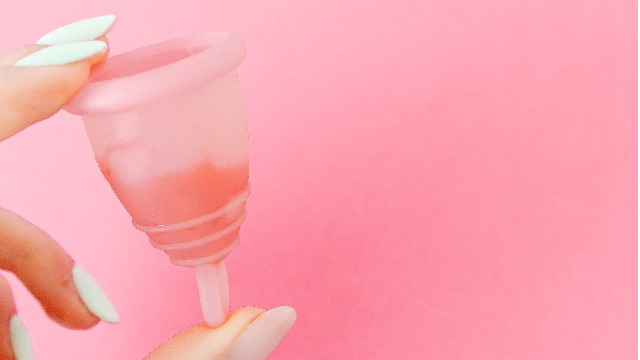
Menstruation is a monthly occurrence for most people who has a uterus, and it can start as early as age eight or as late as age 16. It's part of the reproductive cycle preparing the body for a possible pregnancy. What happens when the person does not get pregnant? The body sheds the buildup of lining which passes out of the body through the vagina.
What makes it painful is during periods, the muscle of the uterus contracts and relaxes so the tissue lining detaches and flows out of the body. The pain is not limited to abdominal cramps; it can radiate to the person's lower back or thighs, and a person can also feel nauseous, experience diarrhea, feel dizzy, or get headaches, according to Mayo Clinic. This is called primary dysmenorrhea, which is usually life-long, Johns Hopkins Medicine said.
Secondary dysmenorrhea happens due to other medical conditions like endometriosis, or when endometrial tissue grows outside the uterus, causing pelvic pain, internal bleeding, or even infections.
Some would experience pain beyond cramping even before their menstrual cycle starts, like Jean Grey and Pat.
"A day before ako magkaroon, sasakit na 'yung ulo ko. Tapos masusuka na ako. Tapos mahirap na bumangon sa kama kinabukasan 'pag meron na ako," said Jean Grey, 40, a process lead in a financial tech company. She takes one to two leaves a month because of period pains.
"I usually experience really painful migraines a day before mag-start ang period ko. 'Yung tipong hindi ako maka-focus sa ginagawa ko kasi nasisilaw ako sa ilaw ng kuwarto at malala 'yung pag-pound ng ulo ko. Ito 'yung time na usually wala ako magawa kundi uminom ng gamot, magtulakbong ng kumot at matulog kasi basically rendered useless dahil sa pain. Walang ma-accomplish na task," said content editor Pat, 29, who uses half-day or one-day leave a month to deal with menstrual pain.
Does the pain ever go away? It could get milder as time passes, or if a person gets pregnant, which isn't really an alternative for some who want to go childless.
Why menstrual leaves are important
The menstrual leave bill was met with opposition. One of the most vocal—at least online—is former Senator Panfilo Lacson, who said in a series of tweets that it may "cause layoffs, shops closing, joblessness leading to economic, political and social instability." It's also difficult for doctors to evaluate the degree of menstrual pain as it is based on the patient's description, he said in another tweet.
Here's a suggestion from another man, this time the president of the Employers Confederation of the Philippines: use your sick leaves.
“They can use the other leaves that is available to them. Puwede nilang i-apply don sa vacation and sick leave nila 'yan," Sergio Ortiz-Luis Jr. told TeleRadyo, pointing out that women are also entitled to maternity leaves, solo parent leaves, Anti-Violence Against Women and Children (Anti-VAWC) leaves—and other paid vacation and that yet another leave could hurt smaller companies.
For Gabriela party-list, enacting the menstrual leave bill acknowledges the monthly struggles of female employees who have to deal with menstrual pain of differing intensities. It's more than just the leaves; it's normalizing women's health issues.
"There is a need to provide women with the flexibility and support they need to manage their reproductive health without fear of negative consequences such as losing pay, falling behind work, or facing disciplinary action," Brosas said in her explanatory note.
"Kasi hindi naman lahat may sick leave. Kung mandated ng government, mas maraming babae ang hindi kailangang mag-no-work-no-pay, lalo na 'yung mga contractual," said Jean Grey.
"Kasi kung may period ka, masakit na nga katawan mo, mase-stress ka pa sa work. At least kung mandatory period leave, 'di ka magi-guilty sa maiiwan mong work at makakapag-focus ka sa kalagayan mo."
Menstrual leave is a solution to a women's health issue that's based on science, said Pat. Not experiencing the pain doesn't mean it does not exist.
"Dapat talaga ma-experience ng men kahit via pain simulator lang para ma-realize nila hindi madaling maging babae. Buti nga sila may option na hindi magpatuli e, may option sila to feel pain. Tayo wala," said Pat.
Can this bill see the light of day in the Philippines? It is not without precedence, at least in local government units: La Union, for example, allows its female employees to work from home on their period days for two days a month. Tangalan, Aklan also followed suit.
Menstrual leaves are not new in Asia, even if women here feel reluctant to avail this mandated benefit as menstruation remains to be a sensitive topic. Japan has menstrual leave as early as 1947, Indonesia also introduced its version as early as 1948 and restructured it in 2003, and South Korea has provision for monthly “physiologic leave" for periods. In Taiwan, employees can take a day off for half their regular wage during their period, while Vietnam gives female workers 30-minute rest periods plus three-day menstrual leaves.
Just this February, Spain became the first European country to pass a law granting paid medical leave for women dealing with dysmenorrhea. In this part of the world, "periods will no longer be taboo," said Minister for Equality Irene Montero.
For El, menstrual leaves may seem insignificant to those who don't go through dysmenorrhea but for employees like her, it would mean so much.
"It will help a lot of women who suffer with so much pain because of our period—dysmenorrhea, back pain. You'll never have to know how it feels like doubling in so much pain, bleeding, and still have to work, not to mention having to commute to go to work," said El.
"Rest is also productive! Self-care is also productive."