

Vog, Smog, Haze, and Fog: What's the Difference?
Know how to tell one from the other.

(SPOT.ph) You might have heard terms like smog, vog, haze, and fog thrown around in the news lately, or possibly worse, walked out of your home into a post-apocalyptic vibe. Well, we're here to lay down the differences (aside from spelling) and how you should react to each.
We discuss how vog, smog, fog, and haze differ from each other below. Included are their definitions, characteristics, causes, health impacts, and environmental consequences, all while keeping things as clear as a fresh mountain breeze.
Also read: The Category Is Depression: Tropical Cyclones, Other Bagyo Terms Explained
Understanding Vog, Smog, Fog, and Haze
Before we dive into the nitty-gritty, let's clear the air by summarizing what these atmospheric phenomena are all about.
Vog is short for "volcanic smog." According to American Lung Association, it's formed when volcanic emissions, primarily sulfur dioxide and other pollutants, interact with oxygen, sunlight, and moisture in the atmosphere. The combination results in a mix of volcanic gases, ash, and tiny acidic droplets. In a nutshell, vog isn't your everyday pollution; it's a special blend that carries a volcanic signature.
On the other hand, smog is a blend of "smoke" and "fog." It's a type of air pollution that can cloak urban landscapes in a gloomy shroud. It's usually made up of ground-level ozone, particulate matter, and volatile organic compounds. It can be brownish or grayish and is notorious for obstructing visibility.
Fog is a dense, low-lying cloud that forms when air near the ground cools and moisture condenses into tiny water droplets. When it comes on as a thick cloud, it can dramatically reduce visibility.
Haze is a fine dust or smoke that obscures the clarity of the air. Unlike smog, it's often a dry, less dense aerosol consisting of tiny particles like dust, smoke, or salt suspended in the air, according to the UK's Met Office.
What to Know About Vog
Cause of Vog
The root cause of vog is volcanic eruptions. When volcanoes erupt, they release a cocktail of gases and particles into the atmosphere. According to NASA, sulfur dioxide is one of the the main components in vog formation. It reacts with oxygen and sunlight to create sulfuric acid aerosols and other compounds. Winds can also carry vog far from its volcanic origins, possibly affecting other areas.
Health Impacts
Breathing in vog-laden air can irritate your respiratory system. As a result, it can lead to coughing, wheezing, and other lung- and breathing-related issues. Those with pre-existing respiratory conditions like asthma and COPD (chronic obstructive pulmonary disease) may experience exacerbated symptoms. Given these facts, protecting yourself during vog events is essential. In this regard, staying indoors and using air purifiers are good moves for a start.
Environmental Consequences
Vog, as it contains sulfuric acid droplets, can be quite harmful. The United States Geological Survey (USGS) likens its effects to dilute battery acid being in the air, which can harm plants either through straight burning if enough moisture settles on them, or through sulfuric gas being absorbed. Acid rain resulting from vog can harm aquatic ecosystems. It affects fish and other aquatic organisms by changing the water's acidity levels.
Also read: Why Does PAGASA Name Typhoons After People?
What to Know About Smog
Cause of Smog
Smog owes its existence to the combustion of fossil fuels and various industrial processes. Ground-level ozone is then born apart from pollutants like nitrogen oxides and volatile organic compounds. These compounds react when exposed to sunlight and then becomes key components of smog. Traffic and industrial emissions are common contributors to smog formation.
Health Impacts
Breathing in smoggy air can lead to breathing problems, heart issues, and worsen pre-existing medical conditions such as those mentioned in vog. Long-term exposure can increase the risk of chronic health problems. On smoggy days, it's wise to limit outdoor activities. This especially holds true for vulnerable groups like children and the elderly.
Environmental Consequences
It can damage vegetation. In turn, it impacts crop yields and forest health. Additionally, it can harm aquatic ecosystems when it falls from the sky as acid rain.
What to Know About Fog
Cause of Fog
Fog arises when warm, moist air encounters cooler air. This phenomenon causes the moisture to condense into droplets. You can usually see fog near bodies of water, in valleys, or during times when warm air traps cooler air near the surface (a.k.a. days with "fluctuating temperatures").
Health Impacts
Fog may not be as menacing as vog or smog, but it still affects safety. Reduced visibility due to fog can lead to traffic accidents and transportation delays. When a thick fog is present, it's best to delay the trip until the fog clears up.
Environmental Consequences
Fog has minimal direct environmental impact. However, it plays a vital role in maintaining ecosystems by providing moisture to plants and replenishing groundwater.
What to Know About Haze
Cause of Haze
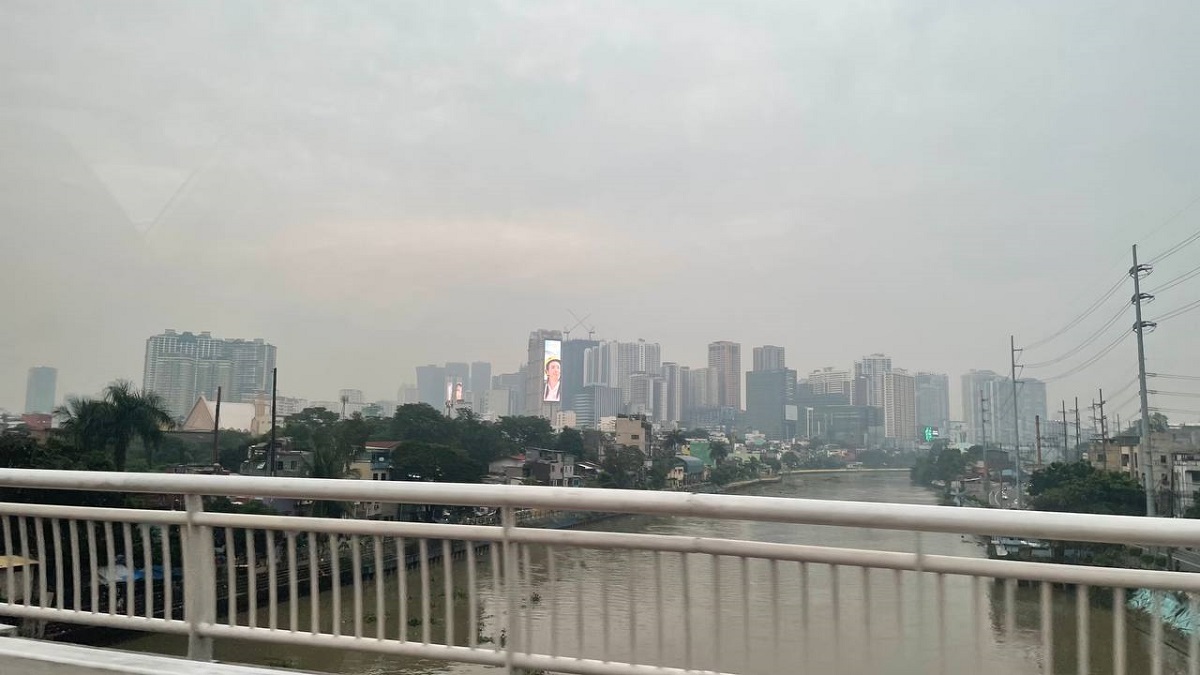
Haze can arise from various sources like wildfires and industrial emissions. Natural events like volcanic eruptions and even pollen can contribute to haze formation as well.
Health Impacts
While haze may not be as detrimental as smog, it can still affect lung health. Inhaling fine particles in the air can lead to coughing, throat irritation, and worsen respiratory conditions for those already have it.
Environmental Consequences
It can affect air quality, soil health, and even contribute to global climate change by influencing the Earth's radiation balance if the affected area is too extensive.
While vog, smog, haze, and fog may seem like mere quirks of nature, understanding them is crucial for safeguarding our health and preserving the delicate balance of our environment. The next time you encounter one of these, you'll be armed with knowledge about the intricate dance of nature's elements, letting you know what to expect and act accordingly.