
Why Aren't There Big Chain Restaurants in Maginhawa?
Here's why you won't find a Starbucks, Jollibee, McDonald's and the like here.
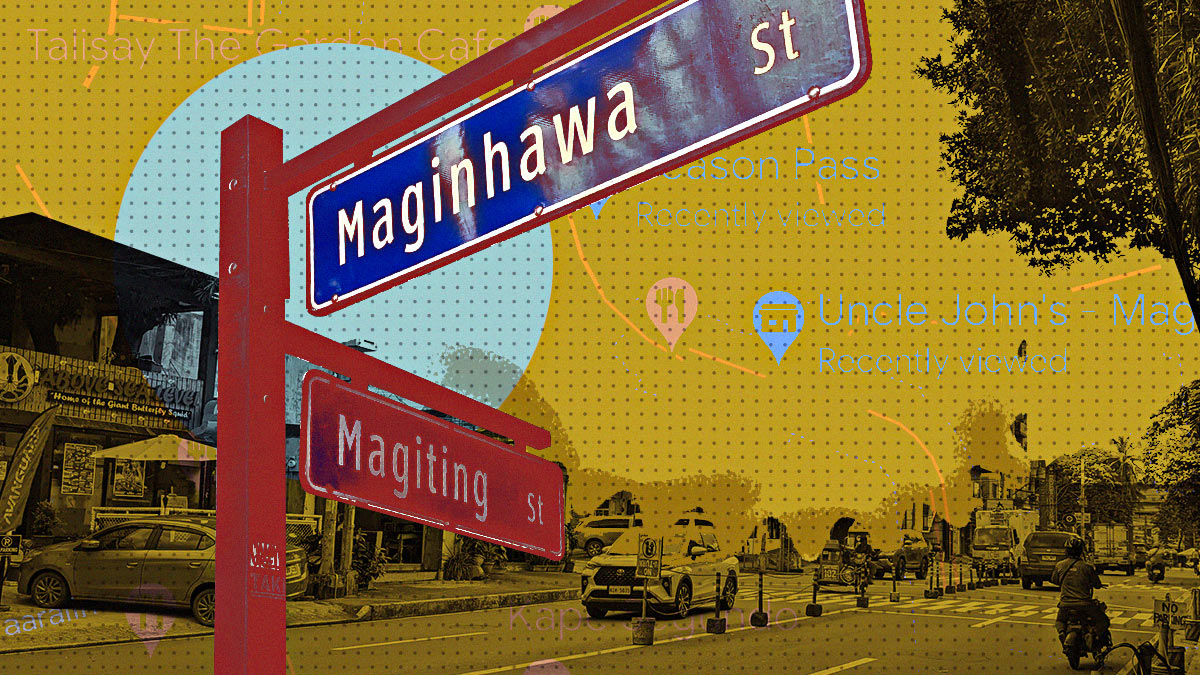
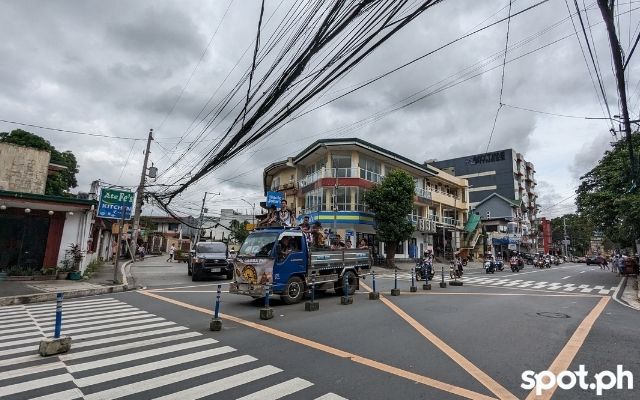
(SPOT.ph) Maginhawa is the city's little pocket for all sorts of rare gems. From secondhand stores (whether books or clothes), to quirky shops, and, of course, lots and lots of restaurants, this Quezon City hub is very much its own. There's no denying how much the area has grown in the past decade—from quiet residential streets to a few mom-and-pop shops for students to a full-on trove of hole-in-the-wall spots—so with all the potential it carries business-wise, how hasn't a big fast-food restaurant wedged itself in to claim a slice of the pie? As it turns out, there's a city ordinance cemented in to allow Maginhawa to be, well, Maginhawa.
Also read: How an Artist-Run Space in Teachers Village Brings the Community Together
Maginhawa ordinance regulating restaurants
"Because it grew organically, mga micro-entrepreneurs atsaka students, may isa kaming ordinance na pinagbabawal ang chain restaurants," explained Quezon City Mayor Joy Belmonte in a meeting with Summit Media editors on October 2.
That is the short answer. An ordinance exists that keeps big chains away from the area, but it also does much more. Ordinance No. SP-2439, S-2015 officially declares "Maginhawa Street and its adjacent streets as a tourism district of Quezon City to be known as the Maginhawa Art and Food Hub," a lengthy phrase that also happens to be its title. In it are all sorts of regulations that work to create and sustain the hub.
What the incumbent mayor zoned in on is at Section 12 of the ordinance, entitled Regulation of Food Chains. This mandates that the "establishment fo fast food and restaurant chains in the area shall be regulated by the City government to maintain the distinct hole-in-the-wall characteristics of the Maginhawa Art and Food Hub, and to encourage micro and small business enterprises to invest and/or allow them to thrive therein." We'd like to emphasize too that "hole-in-the-wall" bit. If you're looking for a Starbucks, Jollibee, or McDonald's, you can head to the Katipunan area. (Special mention: the old PHILCOA).
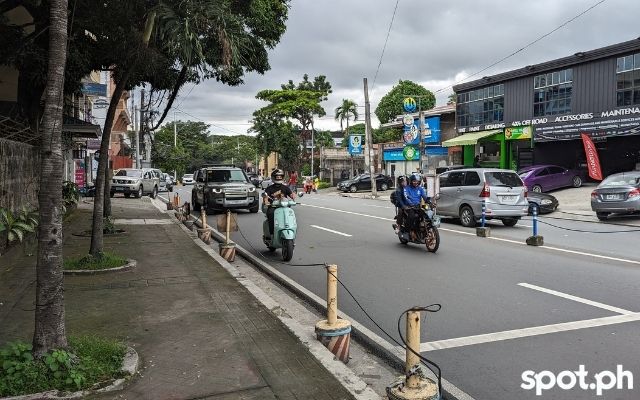
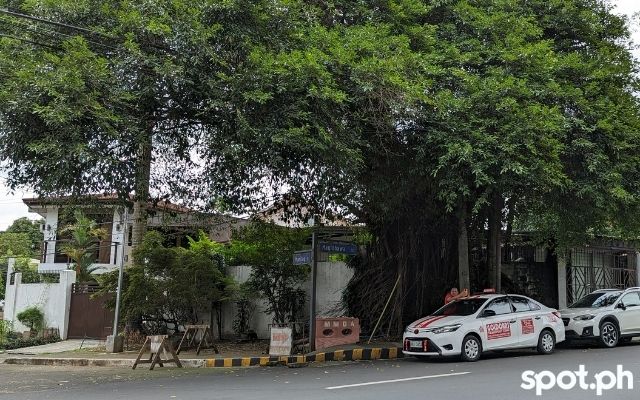
This regulation is necessary to keep Maginhawa a space where the mom-and-pop establishments can grow, or simply allow more grassroots efforts to, of course, take root. Other parts of the ordinance work to cover different facets, with Section 7 calling for a development plan that includes Information Dissemination and Promotion, to Traffic Management, Security, Road Facilities, and more.
Also read:
Find Graphic Tees, Designer Goods + More at This Hidden Vintage Store in Maginhawa
10 Cafés In and Around Maginhawa Perfect for a Productive Day Out
The Maginhawa Art and Food Hub Ordinance at present
This ordinance was put in place back when Belmonte was Vice Mayor during the administration of Herbert "Bistek" Bautista. Now, nearly a decade down the road, what's changed?
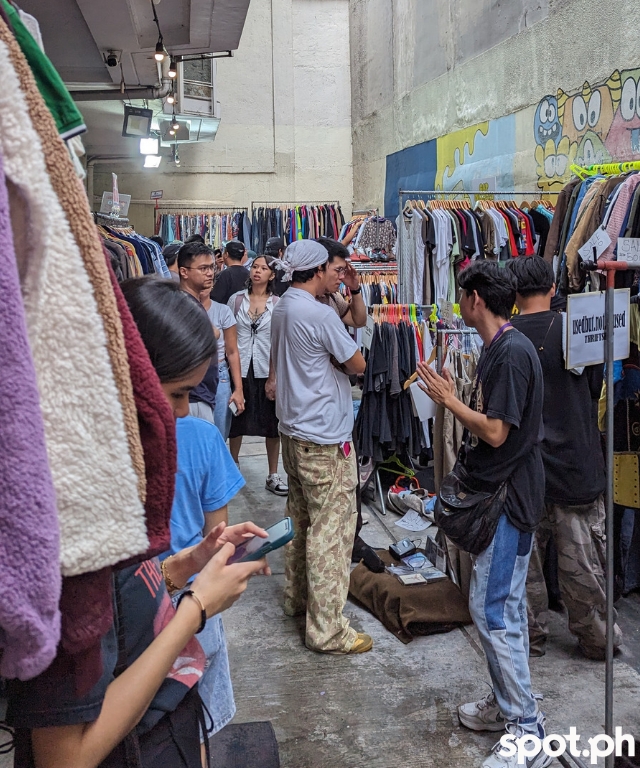
First and foremost, there's still thankfully no massive chain restaurants. There are, however, big buildings that house popular chain ones like Yi Fang and Bo's Coffee, alongside one-offs like the Ramyeon Bar, an instant noodles place, and Round Robin, a familiar cafe that's been around for around a decade now.
"So our zoning classification in Maginhawa still follows the residential, but it has the special development zone classification," explained Alberto "Bebot" Kimpo, Assistant City Administrator for Operations, during the meeting, "which is why you see the residential buildings that, at the bottom, they have their commercial stores.
"The challenge that we've been working on is to make sure that there is a nice mix of the commercial with the residential, with the traffic management flow that's expected in the area."
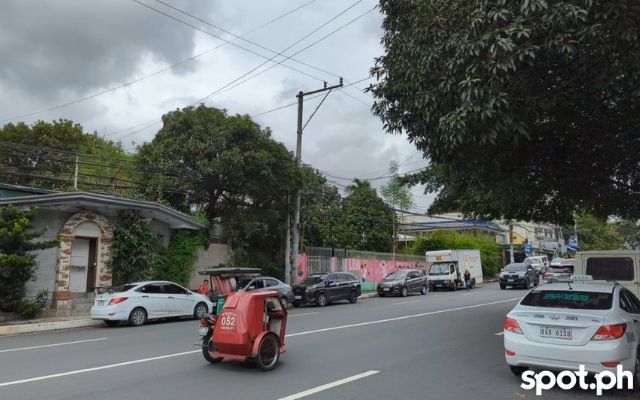
Maginhawa, as it is now, is home to more commercial hubs—think spots like Black Scoop Cafe, an Anytime Fitness, all the samgyup spots—still alongside more unique places you won't find elsewhere. There are crystal shops, a thriving vintage/thrifting hub, small specialty cafes, watering holes, and the OGs; Friuli Trattoria is staying strong, as is the well-known secret spot of Van Gogh is Bipolar.
There is a sense that a big restaurant simply wouldn't belong in the small corners of the Teacher's Village, or just be out of place along the wider avenues of Maginhawa and Malingap. Behind all this, this more organic, perhaps personal, feeling to the area, is the community of business owners themselves.
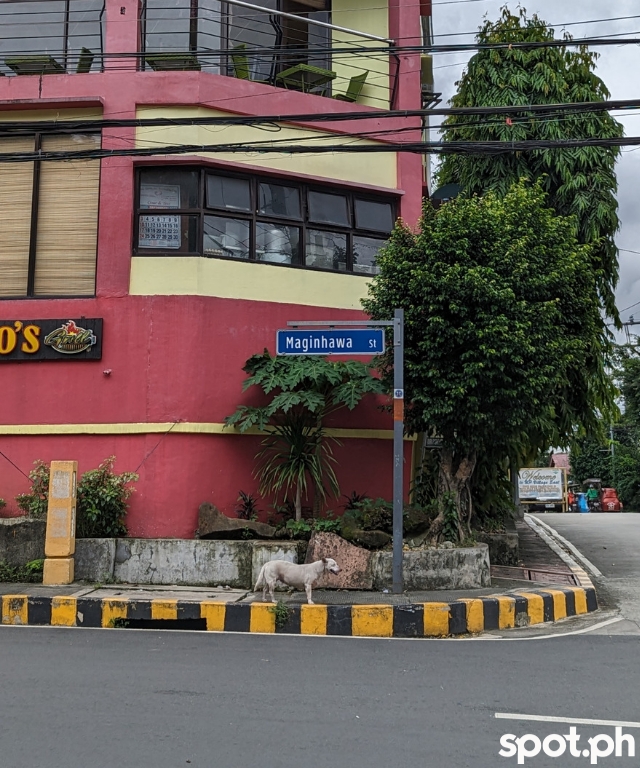
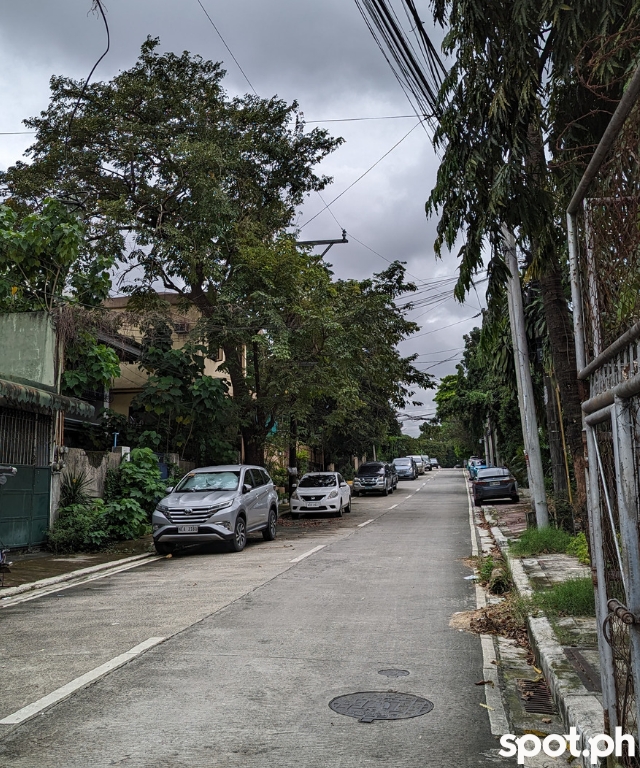
"They're so cute, they're very active, the business community," Mayor Joy happily commented. She pointed to the efforts of folks like Jules Guiang, a former newscaster who is now the president of the Maginhawa Food Community Inc., formed in 2021.
"Hindi sila organized dati, wala talaga silang voice," continued the mayor. Now, "They would work with us, close the road during non-peak days, and then they would have shows, drag shows, concerts, to enliven the community. That's all them really, tayo ay just support."
Places like Maginhawa are far and few between in Metro Manila. Small businesses, more collective efforts, are given the space they need here. And as visitors, or perhaps regulars, there's no big chain to remind you you're in the city, of responsibilities or requirements; These little pockets are where you can go to ease yourself of daily burdens, even if it is just temporarily. It's in the name, after all.
this strange new world.