
The SPOT.ph Guide to Bread
It dough be like that for the well-loved carb with variations the world over.

(SPOT.ph) Ah, bread. The carb is easy to overlook, given its (seeming) simplicity and ubiquity in our day-to-day, mundane lives. But to do so hardly does justice to its complex history, the fascinating science behind it, and the sheer variety of breads around the globe—the Philippines included. Here’s our essential guide to the world of bread, and the best-loved versions (and shops for them!) in Metro Manila.
Also read: The SPOT.ph Guide to Mexican Food
All About Bread
This staple food is as much a, well, food as it is an emblem of the human need to innovate and make something out of its environment. At its core, it involves grains (often in the form of flour in this day and age) and fire—and man’s willingness to experiment, leading to the creation of the baked good we know today. You can find some form of bread in almost all cultures around the world, consumed for breakfast, lunch, dinner, and/or everything in between. Talk about a multi-hyphenate.
The Origins of Bread
Baking bread may have come back into fashion with the onset of the pandemic, as most folks began working from home and social distancing, giving them more time to let their doughs rise and bake. But you bet it’s been around way longer than that.
It dates back to prehistoric times—the Neolithic era to be specific, some 12,000 years back, as people began domesticating cereals like wheat and barley. Modern bread’s forefathers are purported to have been made with crushed grains with water, then “baked” between heated stones and ashes. But it might have even predated agriculture; there’s evidence suggesting it goes back even further than that and to the time of the Natufians, who likely made it by grinding together cereals and tubers into flour, mixing it with water and baked in a fireplace or on a hot flat stone.
You might wonder why most bread today is raised or has air bubbles, rather than being a dense brick. That, Spotters, can be pinned down to the food world's (other) favorite F-word: fermentation. And you can thank the Egyptians for bringing that element in, as they’d leave the flour-plus-water mixture out on hot days, triggering the flour’s natural yeasts to do their magic. It’s this mechanism that led to the discovery of sourdough starters, which are still used as a way of leavening bread today. We’re also privileged in this day and age to be able to use commercial baking yeast—available in fresh, active dry, and instant variations—to quickly induce fermentation.
The Basic Bread-Making Procedure
Modern bread is essentially the product of flour, water, a leavener (generally yeast), and salt. Sometimes other ingredients—eggs, butter, oil, sugar, and so on—can be added to enrich the dough, which can affect the resulting baked product.
Every kind of bread has its own set of common ingredients and procedure. In essence, though, the bread-making process can be summarized as such: the ingredients are mixed together and kneaded—by hand or via machine—to form the protein known as gluten. This is essential to developing the bread’s structure: gluten traps air bubbles from fermentation, allowing the dough to rise. It’s also a binder of sorts and gives the resulting bread its chewiness.
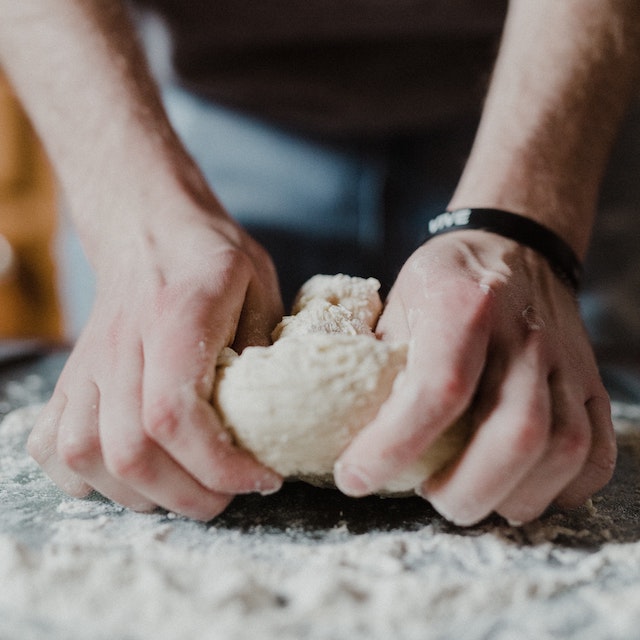
From there, the dough is allowed to proof—that is, left to rest for a set time (about an hour, but this can vary based on the next element) and temperature (usually between 75º and 80ºF) to let the yeast activate, and thus the dough to rise. After that first proofing, the dough is punched down and divided into pieces as dictated by the recipe, then allowed to proof a second time before it’s shaped, baked, and allowed to cool.
Different Bread Types
There are a number of ways you can categorize bread—but for our purposes here at SPOT.ph, we'll be looking at bread based on the part of the world they hail from.
Almost every country and culture the world over has their own forms of bread that play significant roles in the daily lives of its people. We can’t cover all types of bread around the world, of course, but here in the Philippines, there are some varieties in particular that you’re bound to see around the country.
Our diverse history—which involves trading with the Chinese and Mexicans, being colonized by the Spanish and Americans, being invaded by Japan, and so on—translates to a multitude of influences that you can still see the vestiges of in this day and age. In the context of bread, that means you’ll find variants from different parts of the globe that have assimilated themselves into the Filipino diet, as well as more distinctly Filipino counterparts.
Panaderia breads
Panaderia is the Spanish word for bakery—and in the Philippine context, it specifically refers to the small neighborhood bakeries you’ll find on almost every corner of most residential areas in Manila. With that also comes a number of signature breads you’re bound to find in every panaderia.
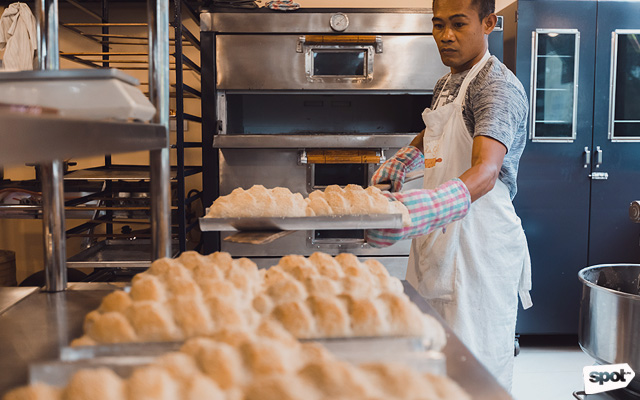
Perhaps the most popular is pan de sal, a basic roll often eaten at breakfast time. Soft, fluffy, and generally neutral in flavor (though most versions today veer toward being slightly sweet—never mind that the name literally translates to “salt bread”), it can be had plain or with your sweet or savory spread of choice—and coffee on the side, of course. At times you’ll find versions of pan de sal pre-filled with cheese and/or ube jam. Also related to pan de sal is Spanish bread, which goes for a longer, more narrow shape and comes filled with a mix of breadcrumbs, butter or margarine, and sugar.
Monay is another panaderia staple, distinguishing itself from the previous bread by its smoother surface and denser, more filling makeup. The dough of monay can also be used or slightly modified to make its siblings—including the turtle-shaped pinagong and crown-like putok, which are both often on the even denser side.
On the richer end of the panaderia bread spectrum is ensaymada. This bread of Hispanic roots uses a buttery brioche base and comes topped with even more butter, sugar, and grated cheese (commercial processed cheese in most everyday versions, quezo de bola or other cheeses in more premium ones) for a savory-sweet treat that goes especially well with steaming-hot tsokolate. Ensaymada’s more casual (but just-as-crave-worthy) cousin are cheese rolls, which will typically have an enriched bread base stuffed with cheese, formed into a log, brushed with melted butter, and given a sprinkling of sugar.
Other panaderia icons are pan de regla, marked by its bread pudding-like filling dyed red (guess how it got the name); pan de coco, which has a sweet coconut filling; and cheese bread, which is covered by a salty-sweet cheese streusel.
American breads
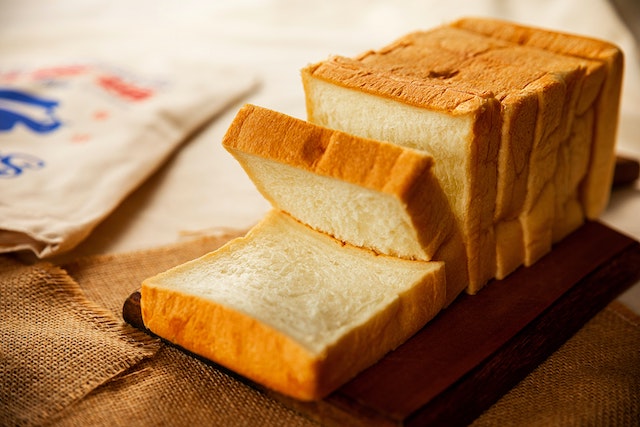
With the embeddedness of American pop culture—food included—in these parts, it’s no surprise we’ve adopted certain American breads to be part of our own bread lineup. Visit any supermarket and you’re bound find pullman loaves, or square loaves of bread often sold sliced and used to make sandwiches and toast. (Whole-wheat versions are popular, too.) Bagels—the New York-famous boiled and baked bread with a hole in the middle and a distinct dense, chewy crumb—have also risen in popularity, being sold plain or with fillings of cream cheese, charcuterie, and other ingredients.
Feasting on American BBQ? Chances are it’ll be served with cornbread, which is a quickbread leavened by baking soda and/or powder (thus arguably falling more under the cake category, but are generally consumed in a savory light way). English muffins, despite the name, hail from New York and appeal for their nooks and crannies that soak up melted butter beautifully. You’ve also got burger and hotdog buns, which are generally soft and subtly sweet to contrast with the juicier, savory meats that are meant to fill it. Come tea time, you can’t beat a warm, fresh-from-the-oven cinnamon roll (which has European origins, but it’s the American version that’s most popular on our side of the globe anyway). And, of course, you can’t have tacos without tortillas, the unleavened flatbread of Mexican and Central American origin typically made with corn or wheat.
European breads
Europe, of course, has its own long and perplexing culture of bread; French and Italian breads are perhaps the most popular in the Philippines.
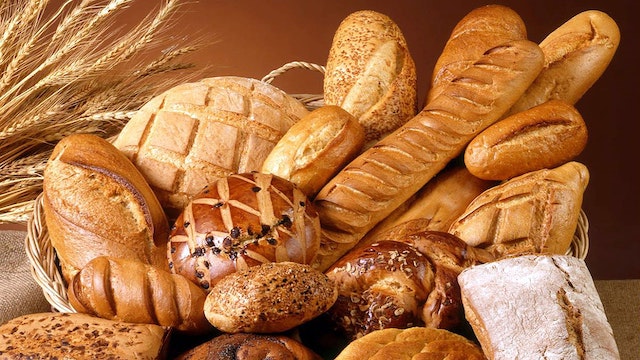
From France we get breads like the long and crusty baguette perfect for sandwiches or just for slathering with butter; brioche, which has a tender crumb and rich flavor thanks to eggs and butter; and bigger breads like the boule (a classic crusty bread) and pain de campagne (country bread). And though they technically fall more under the pastry category, croissants are technically bread that gets its telltale flaky layers from having sheets of butter laminated into the dough.
Italy, too, loves its carbs. Chances are you’ve been served focaccia as a starter at your go-to Italian spot; also called pizza bianca, this flatbread is usually made with olive oil and sprinkled with fresh herbs, giving it a moist, airy crumb and aromatic character. (It’s also fantastic dipped in balsamic vinegar and good extra-virgin olive oil.) For Italian sandwiches, ciabatta—literally “slipper” in English for its shape, known for its crusty exterior and airy insides—is a must. Come Christmas time, panettone is a popular alternative to fruitcake; this dome-shaped bread is classically made with an enriched dough and studded with orange peel, raisins, and other dried fruit.
In recent months we’ve also seen the rise of German breads in Manila. We’re talking everything from lye-dipped pretzels; to multigrain or alternative-grain breads like roggenmischbrot (with rye and wheat) and vollkornbrot (a dense bread with whole grains, typically rye, wheat, and/or others); and more.
Don't forget sourdough bread. Where to place this in this list is debatable—it's got roots in Egypt and ancient Greece, is frequently used in Germany and other Scandinavian countries, and is popular today in the U.S.
Sourdough's technically a whole genre or method in itself, referring to bread leavened with a sourdough starter rather than commercial yeast. (You could “sourdough” your way to a lot of breads—rolls, pan de sal, you name it.) Colloquially, though, it refers to a specific kind of bread made with the said method—one that’s on the rustic end of the spectrum, with a crusty exterior, chewy interior, and telltale tangy taste. This bread rose in popularity during the pandemic, and is excellent for use in toasts and tartines.
Middle Eastern breads
If you’re on team wrap over team sandwich, then you’ll know pita bread is in a whole league of its own. This leavened flatbread naturally puffs up and develops a “pocket” in the center, which can be stuffed your way. Its neutral flavor also makes it the perfect dipper for hummus, baba ganoush, or a hot skillet of shakshouka. Challah is another famous bread, eaten by Jews for the Sabbath holiday and marked by its inclusion of eggs in the dough and braided appearance. There’s also lavash, which can refer to a soft flatbread you can use in wraps; or a thin, crisp cracker-like bread great for snacking. And then there’s babka, a Jewish borderline-dessert bread with swirls of cinnamon (as is traditional) or chocolate (as is more popular today).
Other Asian breads
Also popular in these parts are East Asian breads, which tend to be sweeter and softer than the more rustic versions from Europe. The Philippines is home to a number of Chinese- and Chinese-Filipino bakeries, where you can pick up steamed breads like mantou (great for deep-frying and serving with condensed milk!), bao buns (meant to be stuffed for its namesake dish), and their pre-filled counterpart, siopao. They typically also carry baked breads—buns and loaves stuffed or swirled with sweet or savory elements like monggo and asado—made with a bread base that’s fluffy and subtly milky in taste, thanks to the use of what’s called a tangzhong in mixing the dough.
Japanese breads have risen in popularity, too. Like their Chinese counterpart, these tend to be on the pillowy soft sort—the most basic of the lot being the shokupan or Japanese milk bread loaf. They’ve likewise got their share of filled, swirled, and differently shaped breads; just some of these are the melon pan, topped with a cookie-like crust that’s scored lightly to resemble a rock melon; anpan, which are filled with red bean paste; and yakisoba pan, a carb-on-carb party with a bun stuffed with its namesake stir-fried noodles.
Related to these are Korean breads, which also tend to be soft and subtly sweet. Some distinctly Korean creations you’ll also find in these parts are soboro, or buns with a streusel-like topping for added crunch; and choux cream bread, which have a thick custard filling. You’ll also find Singaporean breads like pork floss buns (soft buns topped with mayonnaise and pork floss) and chicken curry bread (stuffed with its namesake).
India, too, is hailed for its breads that make for the perfect sopper-upper with a hearty plate of curry. Naan—the flatbread traditionally cooked in a tandoor, giving the finished product a decidedly uneven charred look and subtly smoky taste—is a staple at Indian restaurants. Another flatbread—one that’s cooked over the pan for a soft, thin result—is chapati; it also happens to be an especially versatile number, pairing beautifully with just about any Indian dish. Don’t forget paratha, which is similarly flat but has a flaky, chewy character thanks to ghee being layered in and folded into the dough.
Where to Get Bread in Metro Manila
Panaderya Toyo
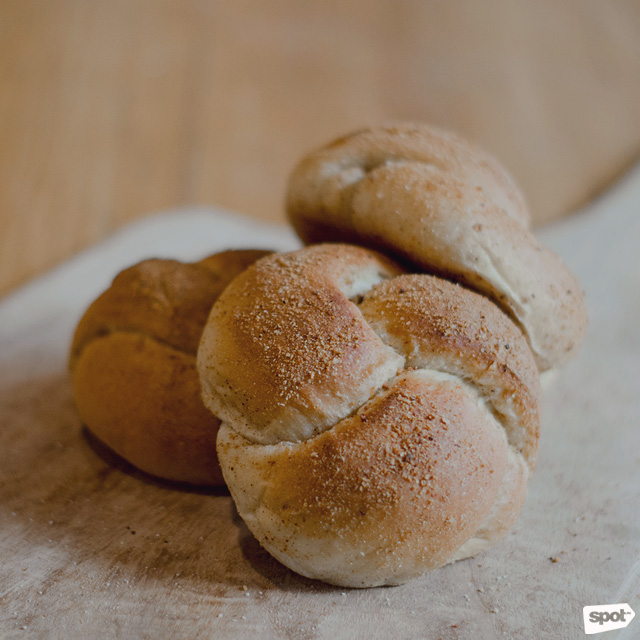
The humble panaderya is this small shop’s inspiration, but they’re also not afraid to play around by going the sourdough-leavened route for their breads. This gives their pan de sal a subtly sour tinge that’s balanced out beautifully by its subtle sweetness. They continue raising the stakes for Filipino breads through the rest of their lineup, which includes the Pagong (blown up in size and fashioned as a melon pan spinoff of sorts), Bicho (in flavors like Choco, Queso, and Saba), and the nutty Crusty Pinipig Loaf.
Panaderya Toyo is at The Alley at Karrivin, 2316 Chino Roces Avenue, Makati City.
The Daily Knead
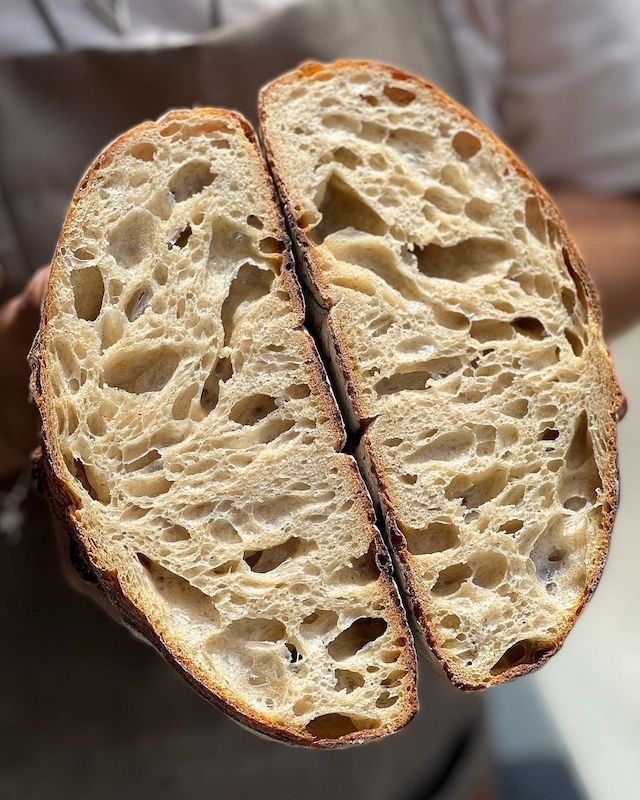
The Daily Knead rose to fame with their sourdough loaves during the pandemic. As the demand grew, so did their product range. They’ve still got their original Sourdough Country Loaf (as well as variations like the Sourdough Three Cheese & Roasted Garlic and Sourdough Dark Chocolate!), but also the decadent Chocolate Brioche Babka, Jamón Manchego Ensaymada (with a decadent shower of jamon serrano and aged manchego!), Potato Brioche Buns, a pillowy Hokkaido Loaf, and more.
For orders, visit The Daily Knead’s website.
Eric Kayser
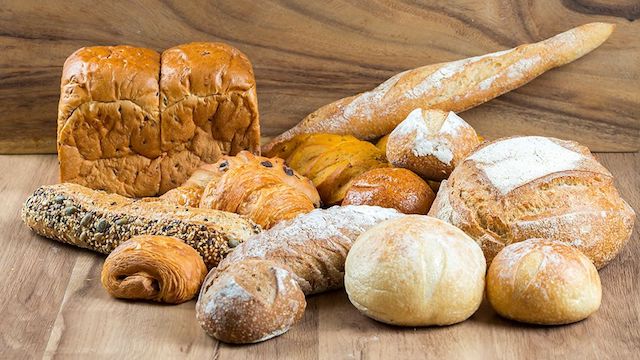
Also called Maison Kayser in its hometown of Paris, Eric Kayser bakes up French breads using a natural liquid levain for leavening. Drop by one of their booths for great basics like the Baguette and Batard; rolls like the subtly sweet Ekmek (Turkish honey bread); loaves like the Whole Wheat Pain de Mie, or nutty numbers like the Pain aux Cereales (with a crust of sesame, flax, sunflower, and pumpkin seeds).
See a list of Eric Kayser branches.
Wildflour
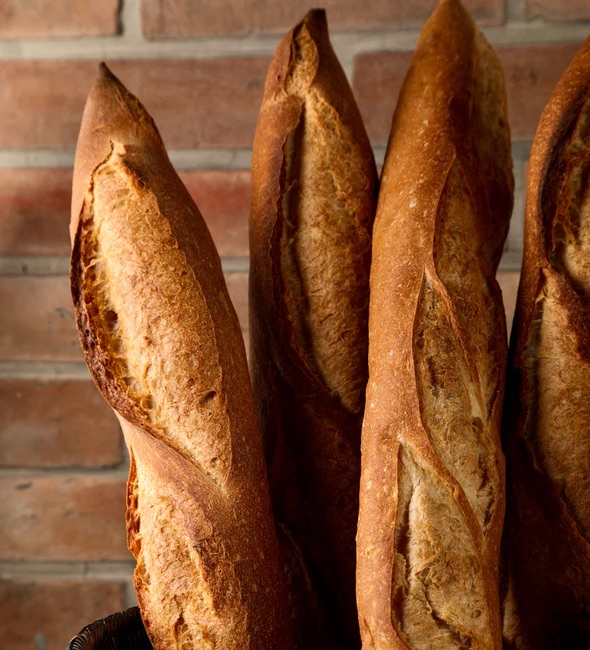
Wildflour’s range of bread traverses different genres and cultures. They’ve got their panaderya classics like Ube Cheese Pandesal and Spanish Bread; rustic Western-style breads like the Nine Grain Loaf and Baguette; teatime-friendly numbers like the Coffee Butter Buns; and more. Pro tip: they hold 50%-off deals on their baked goods on certain days, usually announced late in the afternoons; keep an eye out via their social media pages for updates.
See a list of Wildflour branches.
Bait Lehem
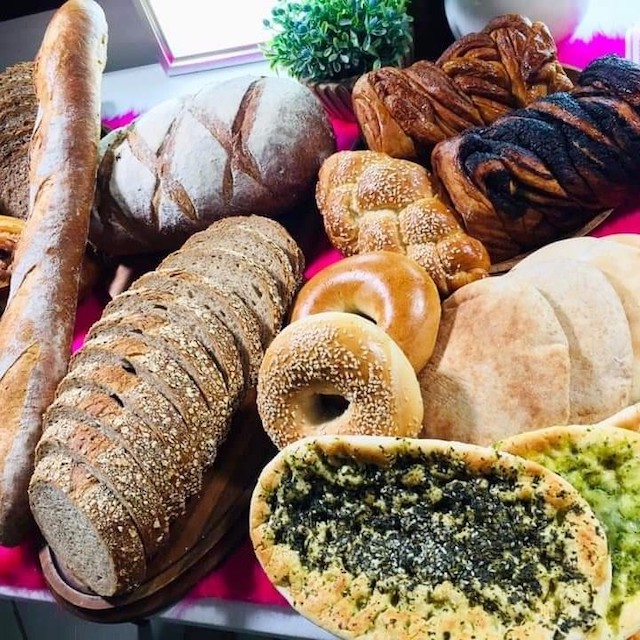
A staple at the Legazpi Sunday Market, Bait Lehem is the shop to hit up for Middle Eastern flatbreads, artisanal loaves, and more. Their Pita Bread and Laffa Wraps are great for wraps and sandwiches; don’t miss their nutty Dark Multigrain Artisan Loaf and Baguette, either.
For orders, visit Bait Lehem’s website.
28 Derby
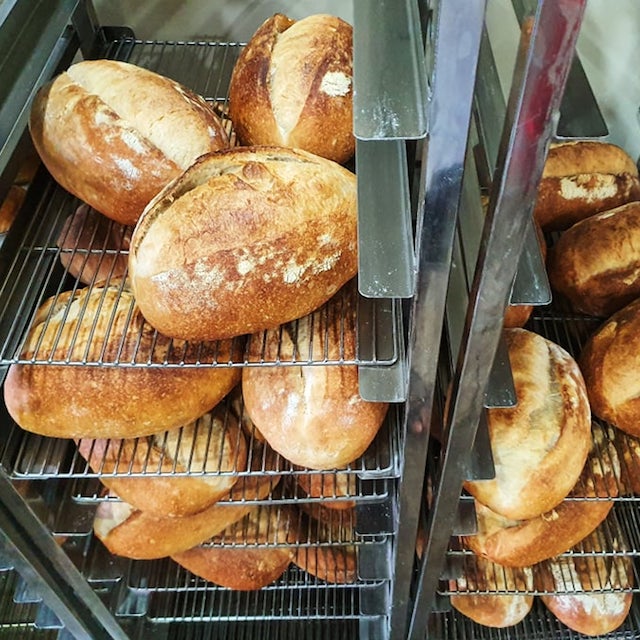
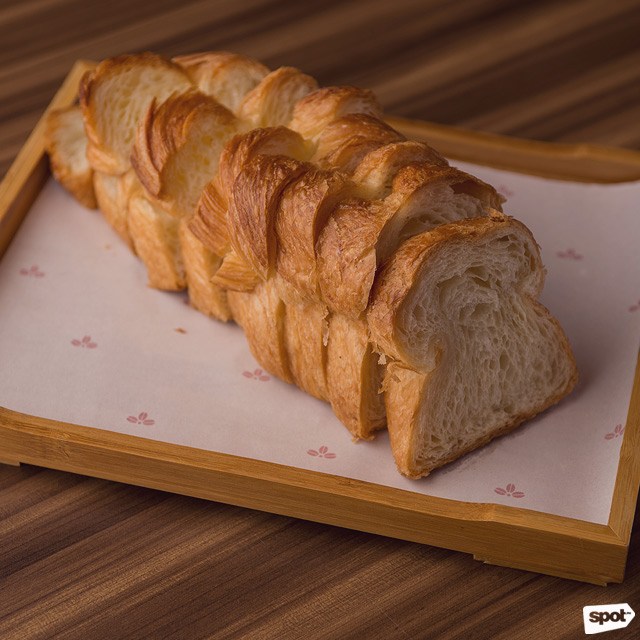
This Katipunan-based purveyor supplies their great-value, great-tasting breads to restaurants and cafés around the city. You can also order straight from them; from fluffy Potato Buns to crusty Sourdough Loaves to chewy Bagels to the mesmerizing Monroe loaf (think croissant in loaf form!), they’ve got you covered.
For orders, visit 28 Derby’s website.
Jipan
This OG shop’s been giving Filipinos a taste of Japanese-style breads since 1992, and they’re not stopping anytime soon. It’s here that you can pick up Thick Toast Loaf Bread, perfect for recreating East Asian-style toast; savory breads like the Chicken Teriyaki Roll; sweeter numbers like the Mochi Mochi Annpan with a red bean filling; and even cultural-border crossing treats like the JiPan de Coco.
See a list of Jipan branches.
Currywurst Meister
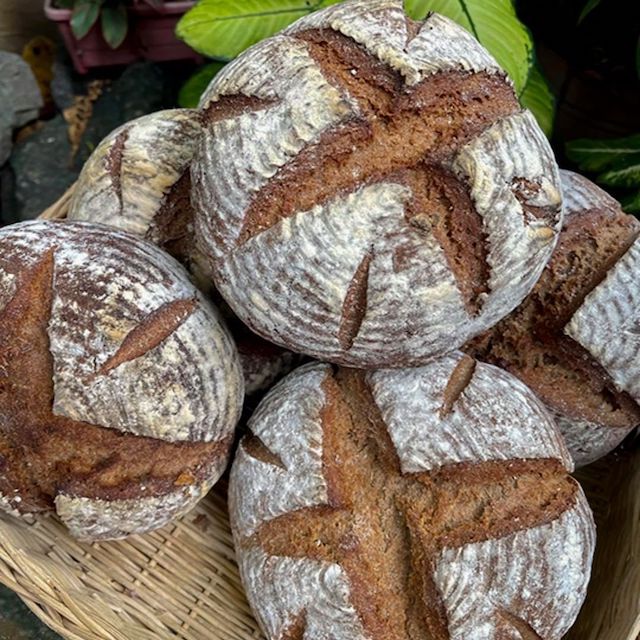
Looking to try—or relive memories of—German brot (bread), baked fresh the old-fashioned way in a wood-fired oven? Conside Currywurst Meister your one-stop shop with most of the essentials: Hefezopf (a braided sweet bread), Seeded and Multigrain Whole Wheat and Sourdough Breads, Brezen (a.k.a. pretzels), crusty Rye Bread, even the dark wholegrain bread known as Vollkornbrot. Sure doesn’t hurt that they also carry sausages, pâté, mustard, and more.
For orders, visit Currywurst Meister’s website.
Also read:
Easy Bread Recipes You Can Make To Start The Morning Right
We Have Recipes Of Your Panaderia Favorites
Hey, Spotters! Check us out on Viber to join our Community and subscribe to our Chatbot.