

At Inatô, Ex-Toyo Eatery Chef Takes on Filipino Food His Way
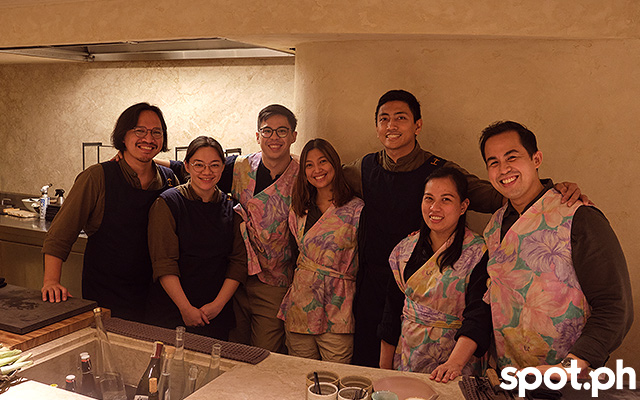
Chef JP Cruz and the rest of the team course us through the local food landscape.
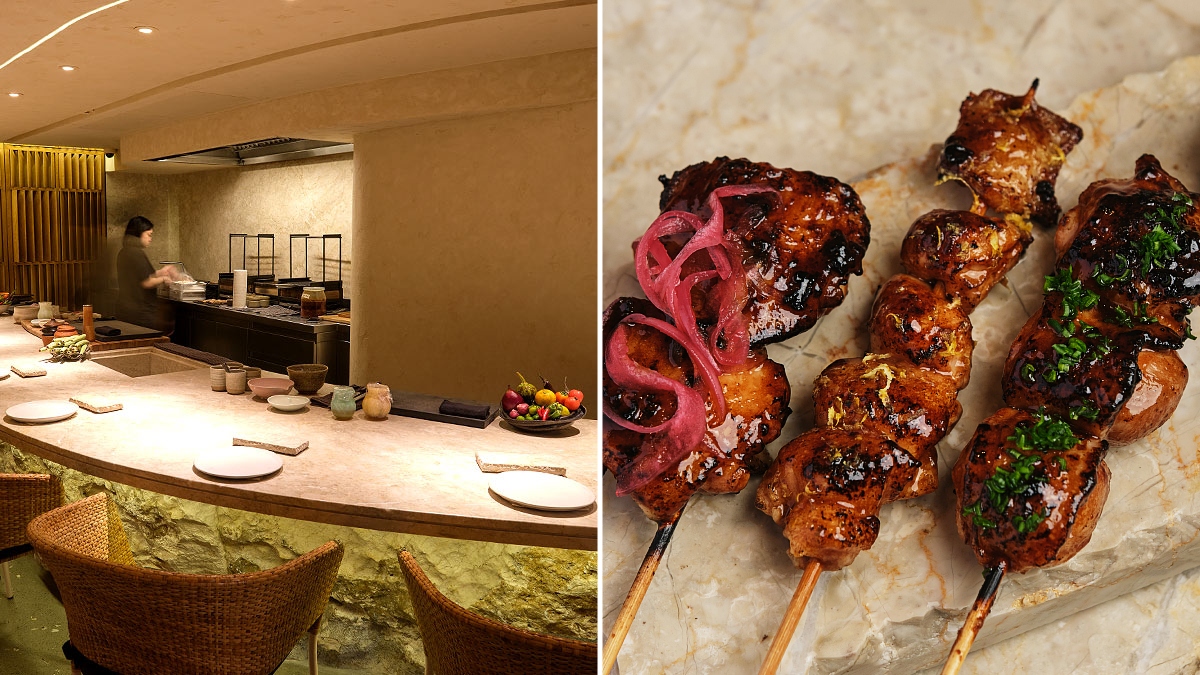
Inatô
The Alley at Karrivin, Karrivin Plaza, 1231 Chino Roces Avenue Extension, Makati City
Instagram: www.instagram.com/inato.ph
Open from 6 p.m. onwards
(SPOT.ph) It’s no small feat having multiawarded Filipino establishment Toyo Eatery on your resume—especially when the time comes that you embark on your own path and open a restaurant. There's the inevitable pressure to live up to the former's name. But it's safe to say Chef JP Cruz—former sous chef of Toyo, whose recently opened Inatô has gotten no shortage of praise in the eightish weeks it's been open—is doing more than a good job at it.
Cruz's stint at Toyo opened his eyes, and taste buds, to flavors and techniques from different parts of the Philippines and the globe. “We were fortunate enough to cook, travel, and explore different parts of the world, while showcasing Filipino flavors and techniques,” the Inatô head chef explains in an exchange with SPOT.ph. These travels taught them the "diversity" of Filipino cuisine, he says, and that there are "no hard and fast rules about expressing what it is."
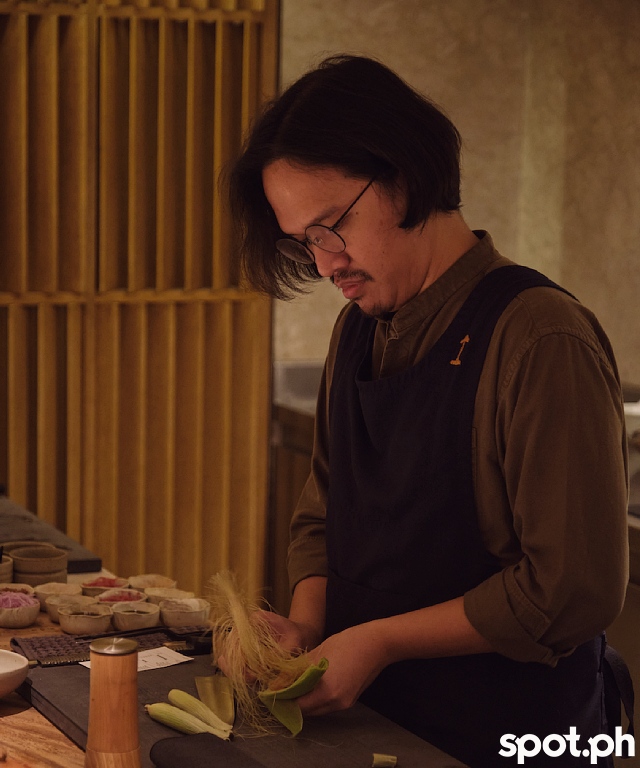
At Inatô, Cruz takes his experiences cooking and eating Filipino food all these years, and—along with his tight-knit team—showcases fresh interpretations of local fare, as well as the stories that come with them.
Also read: The SPOT.ph 50 Great Restaurants of 2023: Best of Manila and Beyond
Here's what to try at Inato in Makati:
Different parts of the Philippines have their own dialects, customs, and of course, nuances in food, from ingredients to cooking methods to dining traditions and everything in between. This all makes for a colorful cuisine with many possible paths to tread—paths the team of Inatô explores with their cooking.
“There is so much diversity and depth in Filipino food that there is no singular route towards it… there are many paths,” says Cruz. “Inatô is our way towards that.” No wonder their choice for a name; Inatô in Binisaya roughly means “our way.”
That "way" is one that’s highly personal, based as it is on their own dining preferences. “We’ve always approached food personally, meaning we make food that we like to eat,” says Cruz. And perhaps going by Filipino collectivism, which values strong ties to one's groups, everyone on the team gets a say on Inato’s lineup.
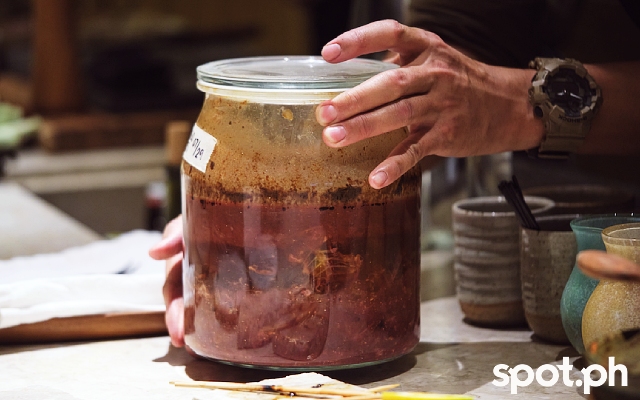
“We created the menu with help from everyone from the Inatô team," says Cruz. "Whenever we come up with a dish, we have everyone try it to see different perspectives.” They would share the food among the team to get feedback, or consult with each other if they had memories of certain Filipino dishes or ingredients—and then try to make some riff of it or use it in their own way. This team-sourcing allows them to cover a range of Filipino cuisines, as each member comes from a different part of the country, according to Inato’s Front of House Mariano Achacoso.
Cruz also gets input from Toyo’s Chef Jordy Navarra, with whom he's worked for a very long time. "I greatly value his insights and advice so I make him try our dishes as well,” Cruz says.
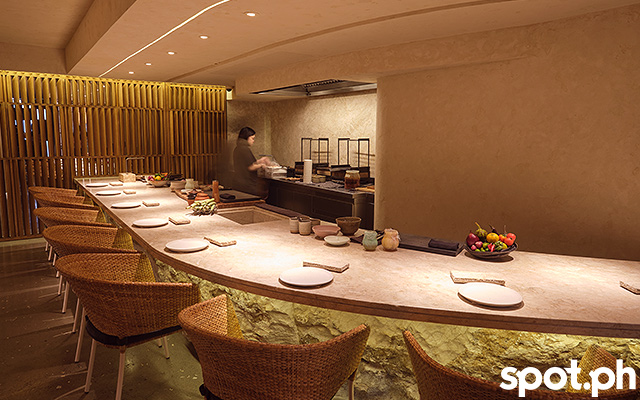
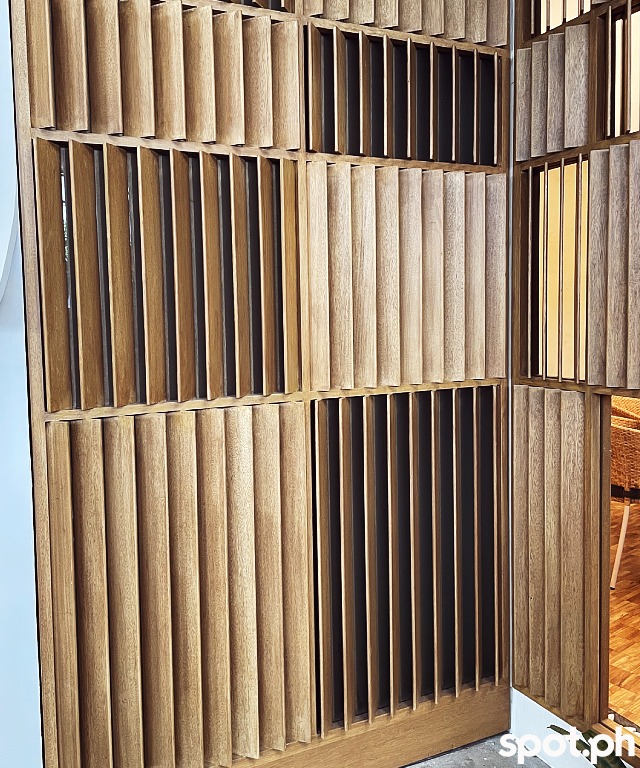
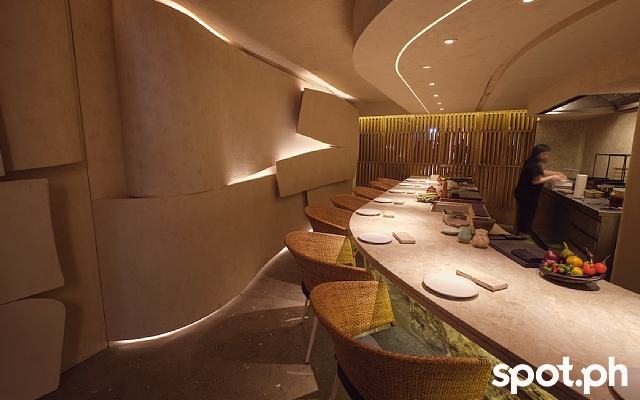
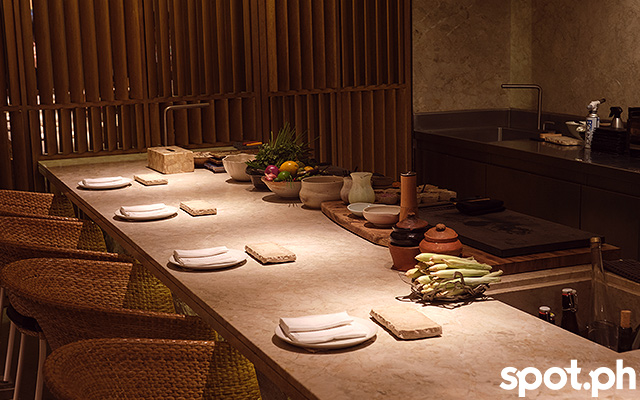
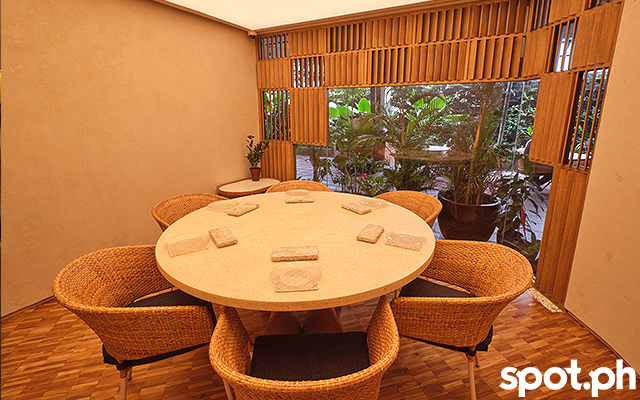
The blinds-like surface on their ceiling-high door gives the first-time visitor just enough of a peek into the Inato interiors. But the real fun starts inside, with a small but striking space designed by Studio Ong (who also designed Ito Space and gave the Filipinas Heritage Library a makeover). In place of harsh straight lines are curves and arcs, while cream and bronze tones give a graceful touch. Filipino elements can be found just about everywhere you look—from the overlapping sheet-like arrangement on the walls taking after banana peels, to the flooring that makes use of local oyster shells, to the eight-seater counter (their main dining area) and serving blocks highlighting marble from Rizal. (A six-seater private room is also available.)
Admittedly, it’s hard to avoid drawing comparisons to Toyo Eatery, what with the staff former Toyo-ites and the sheer fact that both establishments both tackle Filipino culture and cuisine. “We have a shared DNA, that’s for sure,” says Cruz. “So much of how I think and what I do is shaped by being part of Toyo. We both focus on Filipino techniques and flavors.” Endearingly, both the Toyo and Inatô teams still refer to each other as being part of the same barangay—the same collective. There’s no competition here, just helping a sibling out.
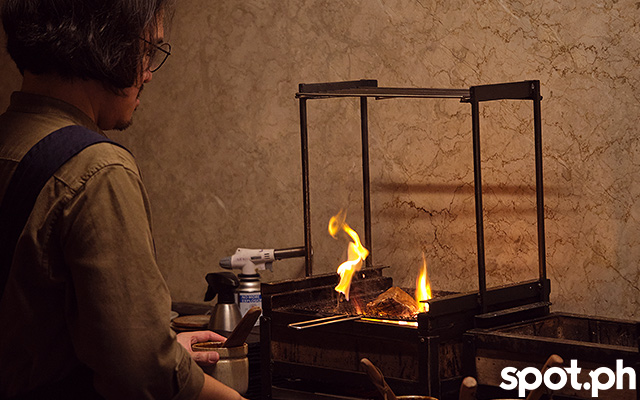
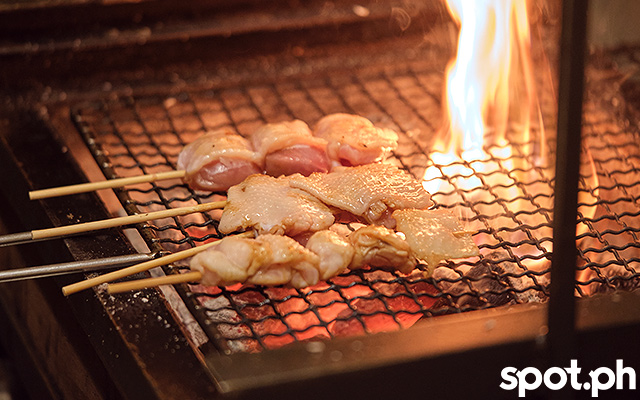
Still, Inatô is decidedly its own entity. One arena it stands out in is their use of counter seating—which isn’t some attempt to latch on the popularity of omakase. It's inspired by local culture—think pares or lomi spots. There's also a bit of an emphasis on ihaw, as Cruz would host ihaw parties at Toyo that were hits with their regulars. As the streetside experience goes, you get to pick your cuts, watch the team grill them to smoky perfection, and consume your orders alongside other diners.
The menu is a concise a la carte lineup of dishes that changes with the seasons. Ordering is done the old-school way where you’re given a slip of paper where you mark your picks from the tingi-tingi (essentially light and bright bites), bilang (grilled specials), ulam (heavyweight plates), minatamis (dessert), and beverage offerings.
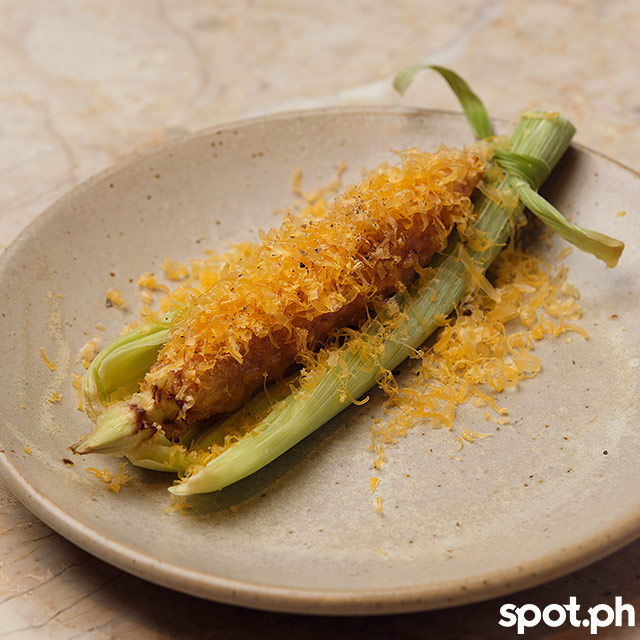
The team first gives you a bit of a backgrounder on the ingredients they use—what they are, where they come from, how they’re used or came to be. Some of these are local, with Inato following the lead of seasonality and availability in choosing which to highlight. Abundant during the time of our visit was Young Corn (P380) from Tarlac, which Inatô first presents to you whole, husks and all. From there it's shucked, fried, grilled, and—perhaps taking a page from Mexican elote—slathered with a roasted-garlic butter mix before Mimolette cheese is grated over.
Fresh seafood is also featured heavily, their natural flavors brought out by generally illuminative accompaniments. Pickled radish, burong mangga, and siling labuyo bring zing to Fine de Claire Oysters (P290) from Normandy or Brittany Bay; pickled red onions even out the richness of Abalone (P950) from South Korea. A tingi-tingi that especially captures our taste buds is the Yellow Tail (P650), buttery slices of which are partnered with pickled tambis (a.k.a. macopa).
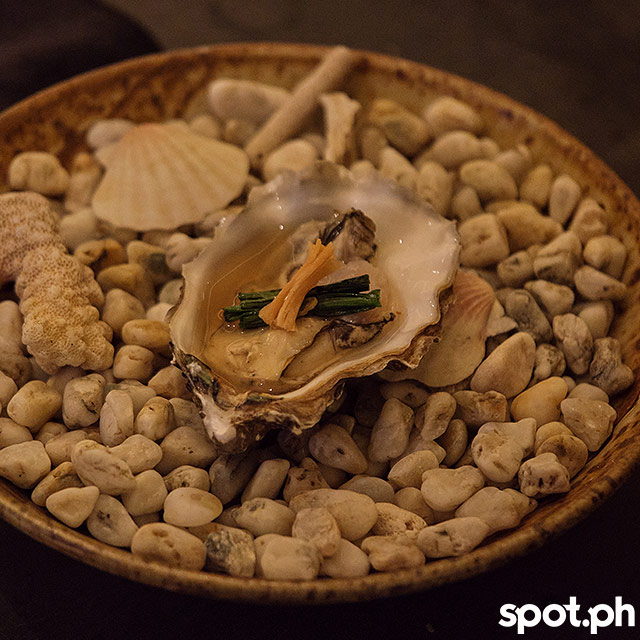
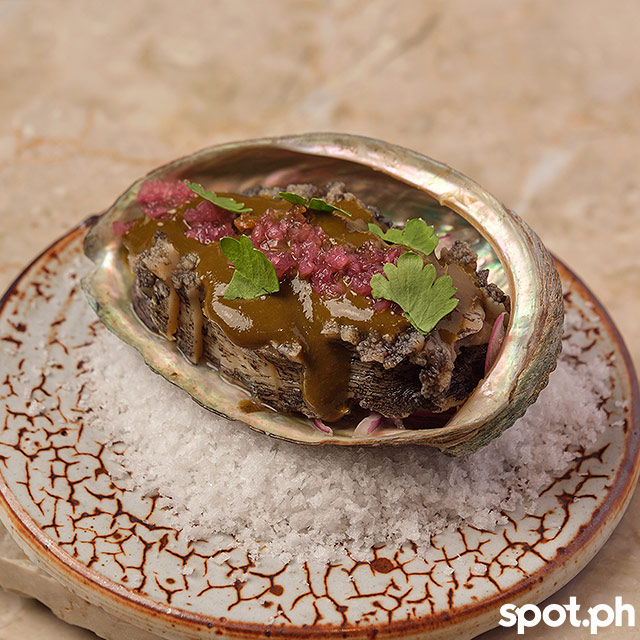
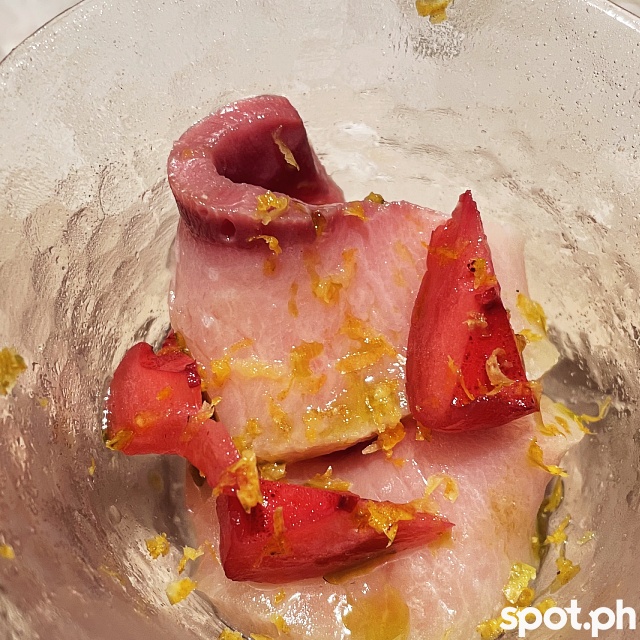
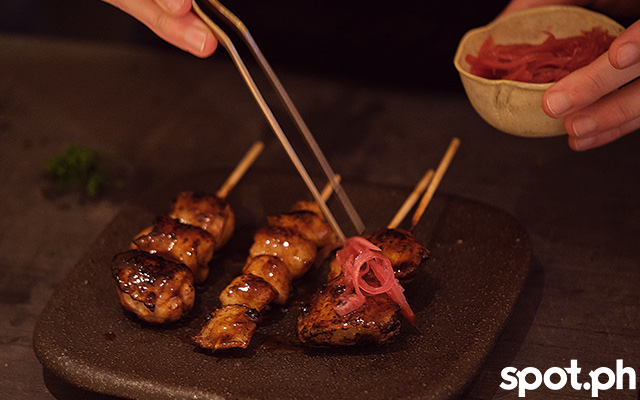
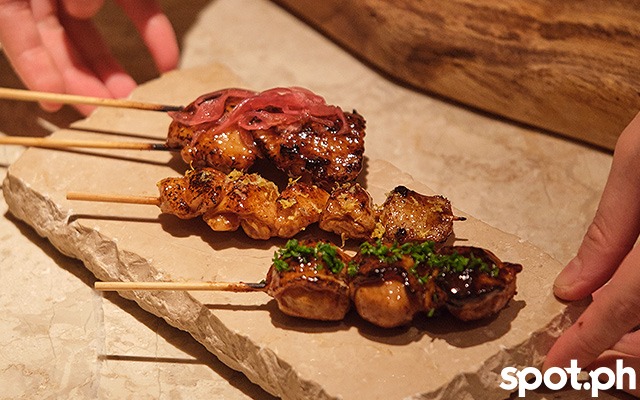
It should come as no surprise that the inihaw from the bilang section of the menu are standouts. The team uses free-range chickens from Baras, Rizal that are naturally rich and distinctly chicken-y in taste, available in cuts like the Chicken Oyster (P280), Isol a.k.a. butt (P280), and Wing (P220). These are thrown over the charcoal grill, rendering their outsides rightfully charred and the insides juicy—all perfect fodder to talks with my seatmates during my visit. (They were visiting Manila for a week, I learn, and luckily scored a table that night following someone's cancellation.)
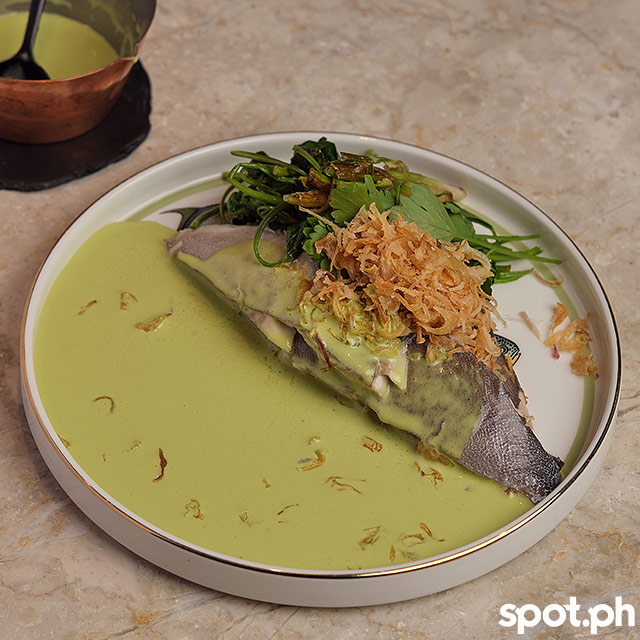
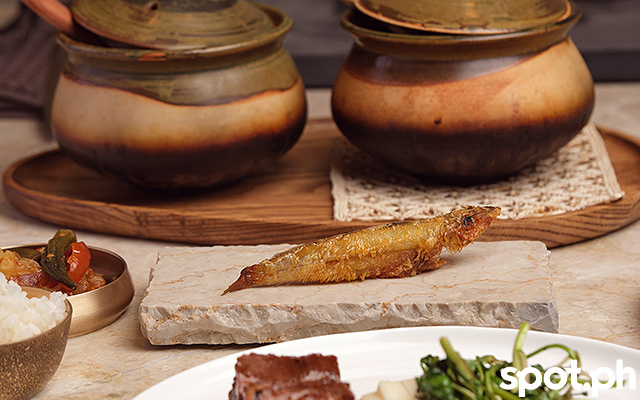
And oh, the ulam. These are, Lizzo goes, not a snack but the whole damn meal in the Filipino sense of the word, being served complete with rice, fried asohos (so crisp you can eat it whole), and an especially soulful take on pinakbet (slow-cooked in a palayok and—as Ilokano tradition dictates, we learn—is shaken, not stirred). Choose your fighter for the viand itself. On the simpler end of the spectrum is the Pampano (P1,750) from Calatagan, served with a spring onion- and ginger-imbued sauce; more novel in the flavor-combo department is the Swordfish Belly (P1,850), its buttery meat lent seafood-y depth with an accompanying sauce of roasted prawn heads and local fruit.
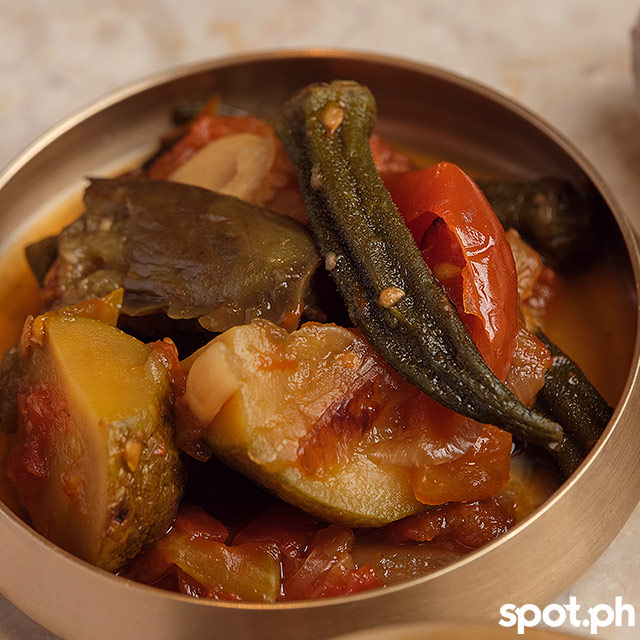
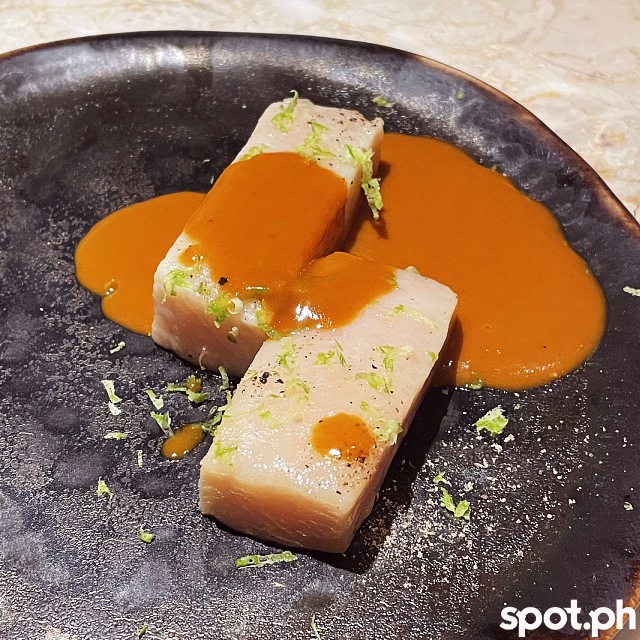
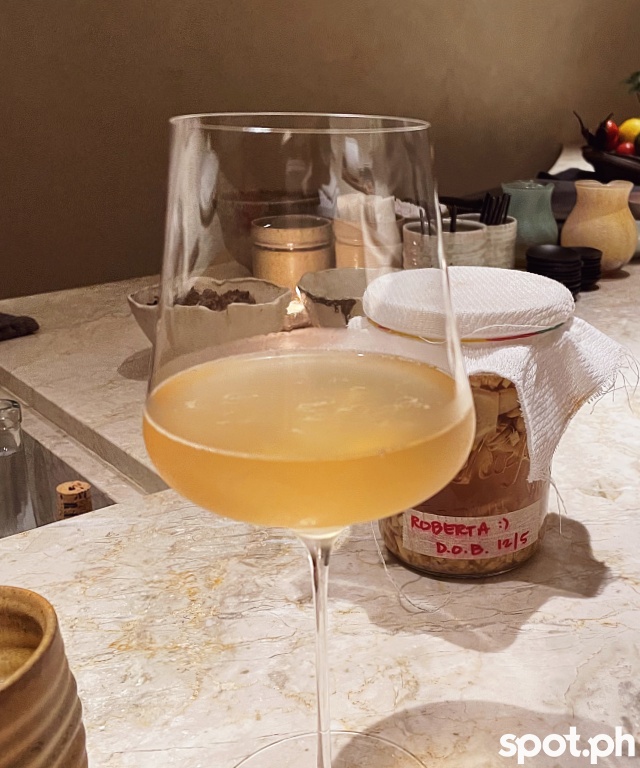
Though they're by no means intrusive, there's a sense of community felt at Inatô that's true to the nature of Filipino dining. You're not a customer in the transactional sense but a guest—one welcomed in and treated like family, with the communal counter being conducive to conversation. Over desserts of the Papsi (P350) and Choco Tart (P450), plus sips of Cha'a Inato (a toasty tea using their own special blend of cascara and toasted rice), my seatmates, some members of the staff, and I exchange tidbits about the food of our hometowns, our family traditions, even the languages we speak.
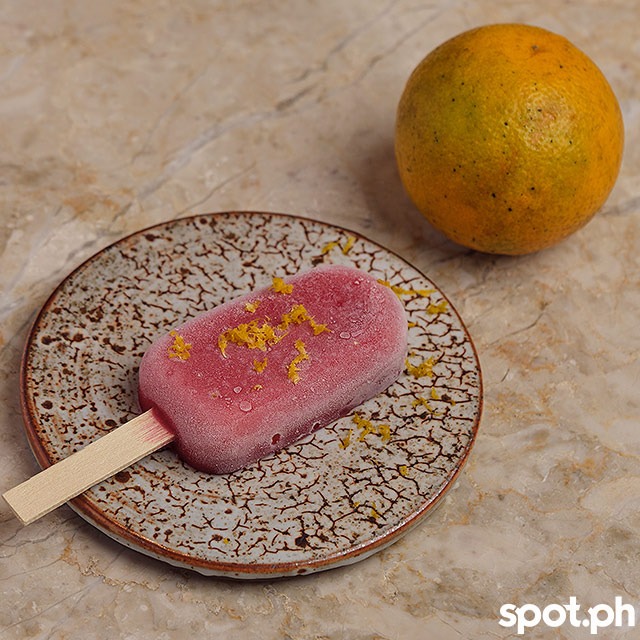
And maybe that's the power of food, particularly Filipino food: to bring people together—even those that start out as strangers. You, the diner, are more than welcome to join in. From there, Inatô steers the wheel to navigate the vast landscape of local cuisine, and what awaits—at least for those willing to look and listen—are endless avenues for understanding.
Photos by Hans Fausto
Hey, Spotters! Check us out on Viber to join our Community and subscribe to our Chatbot.