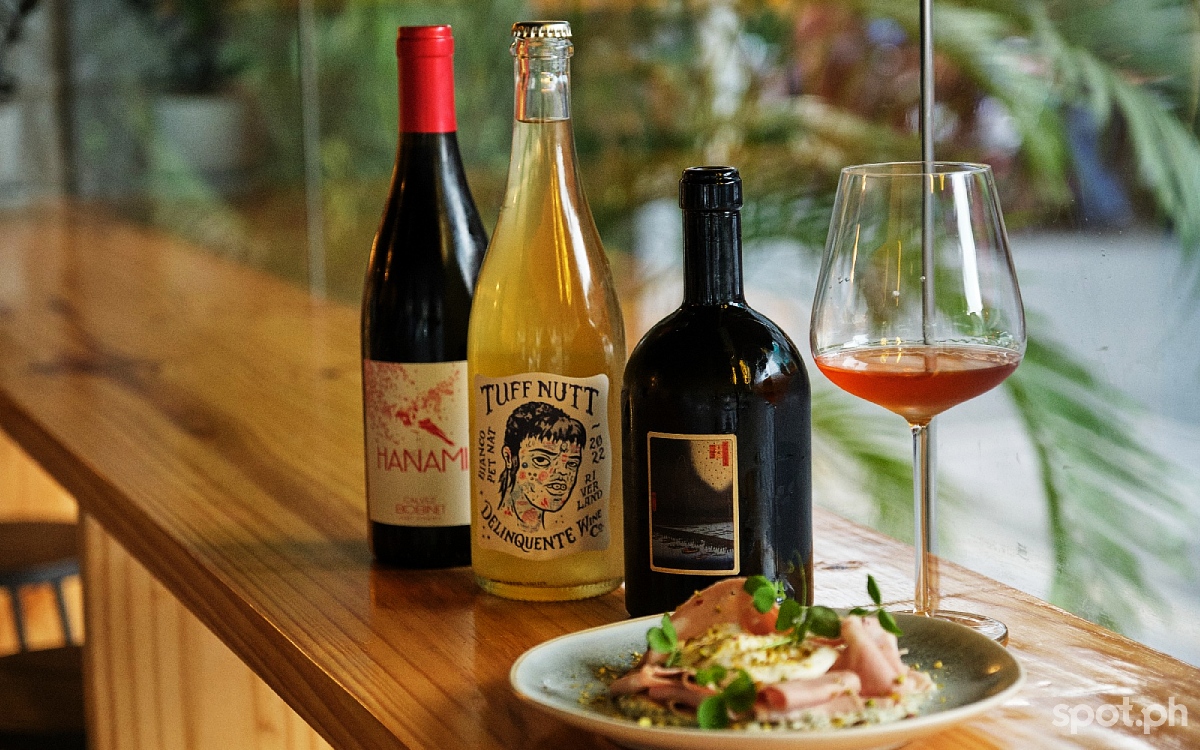
(SPOT.ph) Maybe you’ve seen their bottles lining the shelves of top restaurants in Manila, or had your eyes drawn to their at-times zany, vivid, even eccentric labels. Maybe you’ve sipped on glass and found yourself surprised by its generally perkier, more exuberant character that revitalizes on a hot day—and goes damn well with everything from smoked salmon blinis to hearty plates of pasta to spunkier bites like bright and vinegary kinilaw.
The world of wine is a vast one, and in the past two years or so, natural wine (also called natty or natty wine) has entered the consciousness of Manila’s wine-curious, and captured the attention of a new audience. It induces intrigue: the term begs the question on what it means to be natural—and consequently, what it means for the “un-natural.” It can also polarize, as I’ve witnessed my share of wine lovers who’d turn their noses up as soon as the natural bit pops up. Either way, with natural wine becoming more popular in Manila in recent years, it’s time we all got acquainted properly with the subject. We talked to the natural wine distributors and other folks in the community on what it is, where to get it, and how to best enjoy it.
More and more we're seeing Manila embrace natural wines. PHOTO: Hans Fausto/Spot.ph archives
How is wine—any wine—generally made? The process, of course, begins from the vineyard—that is, by harvesting grapes, be it by hand or by machine. The grapes are then crushed or pressed, and the grape skins are either separated (for white wine) or left in contact with the extracted juice from the fruit (for rosés and red wines).
Article continues after this ad.
ADVERTISEMENT - CONTINUE READING BELOW
The magic occurs as fermentation takes place, converting the sugar in the grapes into alcohol. What takes place by default native fermentation, using the naturally present yeast in the grape skins and in the winery’s environment. But as this can be unpredictable, many winemakers opt to intervene at this point by inoculating the must—that is, killing the natural yeasts then introducing other cultured strains of yeasts that would more consistently and predictably give them the results they’re after.
The fermented juice is then aged in whatever vessel the winemaker chooses. Popular options are steel, cement, and oak, which each allow varying levels of oxygen to pass through—aging in steel creates a non-oxidative environment; aging in oak creates an oxidative environment. The quality of the resulting wine is affected by the oxygen it’s exposed to as it ages, and other aspects of the material the barrel’s made with.
From there, some winemakers will fine or filter the wine to remove residual sediments. It’s then bottled (and optionally, aged further in their bottles) and finally, sold.
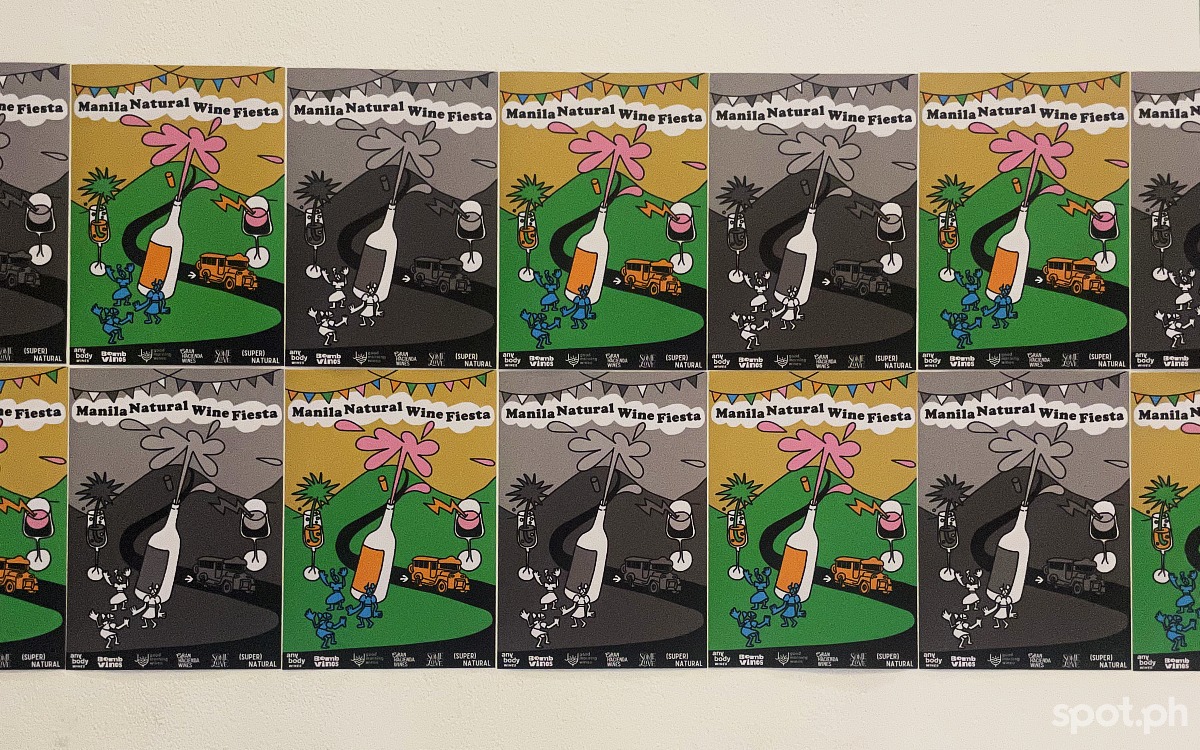
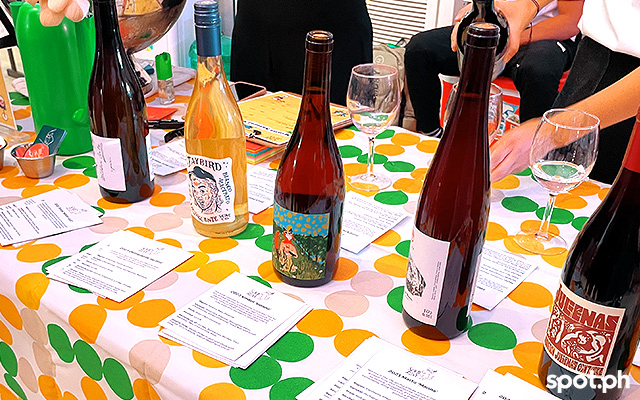
At the 2024 run of the Manila Natural Wine Fiesta last May. PHOTO: Patricia Baes
Post a Comment
But What Is Natural Wine—and What the Hell Makes It "Natural"?
Whereas many other arenas in wine place emphasis on strict accreditation, the term “natural wine” doesn’t have a legal definition. Still, there are general agreements between wine makers and sellers that we can abide by for our purposes.
"Natural" wine (we’ll be using the term natural wine sans quotes to keep things easy to read) as it’s understood is distinct from conventional wines for many reasons:
For starters, it employs grapes that are organic, or grown without chemical fertilizers or pesticides; or biodynamic, which is similar to organic but a step beyond in that the farms they’re from are self-contained and self-sustainable (even using fertilizers that are internally sourced). The result of these practices? Higher-quality grapes that Natty Wines Inc., Bibio, and Some Love's Justin Apolonio explains can make for either “more intense, more aromatic, or more complex fruit flavor notes” in the finished wine. Ergo, you get a more distinctive expression of that particular grape and the place they were grown in, and ultimately, a “more flavorful and enjoyable wine.”
Article continues after this video.
ADVERTISEMENT
watch now
The Some Love booth at the recent Manila Natural Wine Fiesta.
PHOTO BY Patricia Baes
Natural wines also involve minimal human intervention and additives—that is, as much as possible, whatever yeast is used is just that which occurs naturally. It’s also agreed that natural wines have little to no added sulfites. Sulfites, or sulfur dioxide, are naturally occurring compounds present in all wines from the fermentation and aging processes; but while conventional wines can have additional sulfites to protect it from oxidation and prolong the wine’s life, some winemakers would argue comes at the expense of flavor.
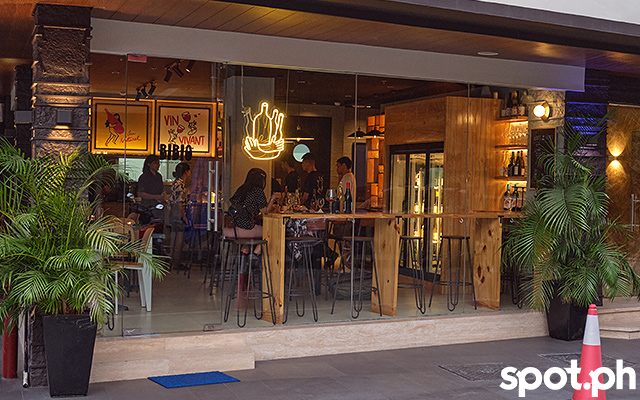
Justin and partner Vanessa Abat-Apolonio also own natural wine bar Bibio in Poblacion.
It’s for these reasons that they’re also called low or minimal intervention wines (note that some people instead categorize natural wines as an example of low or minimal intervention wines). “To us, a wine is ‘natural’ when it’s made with indigenous yeast,” say Micah Cabral and Dimitri Roleda of Good Morning Wines. “Minimal intervention winemaking… seeks to reflect the grape and its environment as fully as possible by minimizing alterations to the environment, grapes, and wine. Natural winemaking goes a step further by fermenting the grape juice with yeast naturally occurring in the environment.”
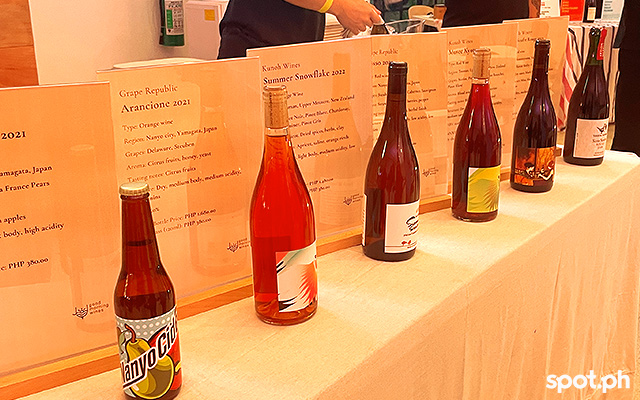
A range of natural wines and adjacent boozy sips from Japan, offered by Good Morning Wines.
PHOTO BY Patricia Baes
Bettina Almario of (Super) Natural Wine has a similar view of the subject. “Natural wine is simple. It's a philosophy of low intervention winemaking used by a few winemakers to let the grapes express their character as best they can. [It’s] made from at least organic grapes fermented with native yeast with no or minimal sulfites added upon bottling. [It’s] unlined and unfiltered… once organically grown grapes are harvested, they are fermented using naturally appearing ambient yeast with no foreign ingredients added and nothing removed from the wine. So in other words, wine made from one single ingredient. It’s just grapes.”
Article continues after this ad.
ADVERTISEMENT - CONTINUE READING BELOW
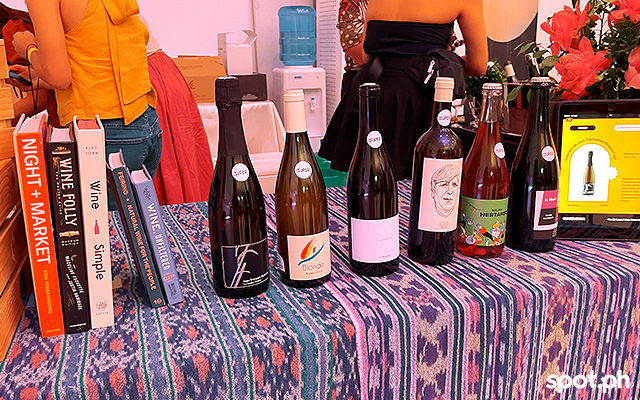
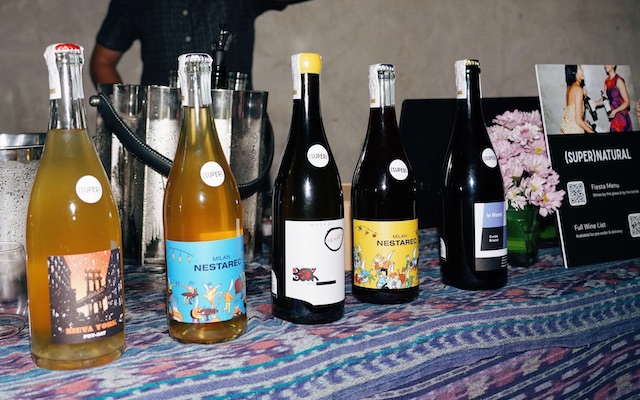
Some picks from (Super)Natural Wines' range of natural wines for all occasions.
PHOTO BY Patricia Baes
With conventional wines, Apolonio explains, winemakers would try to achieve a certain flavor by using lab-grown yeasts; employ animal products for fining and filtering to remove sediments; or add sugar, acidity, excessive oak barrel aging, and/or significant amounts of preservatives and stabilizers. Natural wine is less focused on controlling the outcome, instead embracing the particularities of how and where it’s made. “Fermentation from natural yeasts is often longer with a combination of unique strains that exist only in the producer’s winery,” says Apolonio. The result? “More complex combinations of hard-to-describe notes that could be anything—savory, earthy, toasty, flinty, herbal, buttery, nutty, and more!”
Granted, there can still be a sense of intentionality and purpose in making natural wines. “Like, every wine has to start with a concept in mind for what it will be and what it will taste like—even [for] the ones where they want the grape and terroir to be showcased as much as possible,” Apolonio explains. Still, the approach and methods are “more [artisanal] and natural,” often boiling down to manipulating factors like the grape varietal to grow, where to grow it, how ripe to get it before harvesting, which grape varietals to blend if applicable, how long to macerate with the grape skins if applicable, and the conditions in which it’s fermented.
A number of natties carried by Gran Hacienda Wines.
PHOTO BY Patricia Baes
With less human interference involved, natural wine better allows the natural characteristics of the grapes it’s made with shine through, more so than its conventional counterpart. “You're doing really less work to the grapes,” Gran Hacienda Wines and Toka Wines’ Butz Tenchavez explains. “It's kind of similar to when chefs say that, you know, ‘I want to treat the product with respect.’”
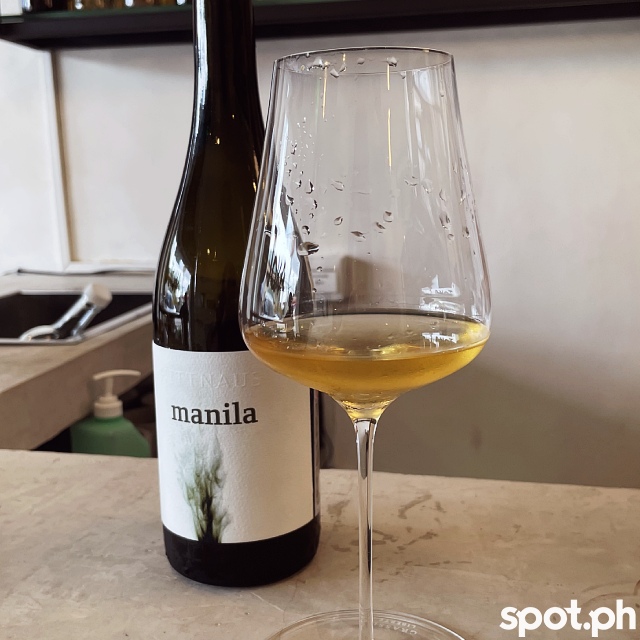
One of the first natural wines the author tried was Nittnaus Manila Grüner Veltliner, a biodynamic orange wine named as such as a tribute to the Filipino-Austrian who owned the vineyard before it was claimed by the Nittnaus family. Photo taken at Toka Wines, also owned by Tenchavez.
PHOTO BY Patricia Baes
“The philosophy of minimal additives and interventions means that wines tend to have more unique flavors that are not adjusted to be acceptable to as many palates as possible,” Apolonio adds. “This leads to wines that pay respect to the fruit and the land, that reflect both the creativity and the skill of the winemaker, and that put flavor and drinkability before any preconceived idea of how a wine should taste like.”
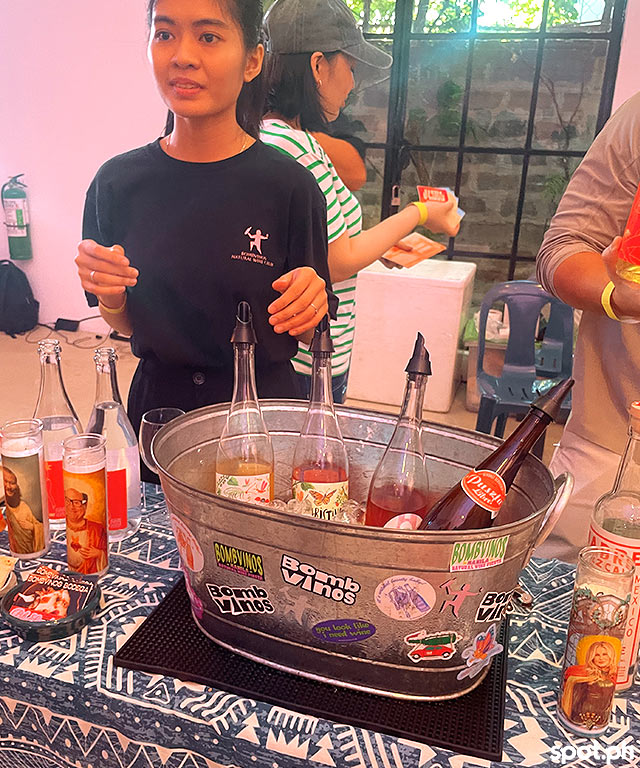
Bombvinos carries a solid selection of natty wines, among them their own Bb. Sunshine.
PHOTO BY Patricia Baes
Going the natural route does come with a distinct set of challenges, Cabral and Roleda note. After all, with indigenous yeast comes unpredictability, such as stuck fermentations and off aromas and flavors. And when keeping added sulfites to a minimum, you’re limited in options when issues arise during fermentation. “Natural winemaking has fewer tools available to ensure a wine meets basic quality standards [or to produce] a wine without flaws or faults,” they say. That isn’t necessarily to say conventional wine is easier to make, but it does make achieving the more “clean” profile typically associated with conventional wines a relatively bigger challenge. It’s thus especially impressive when that’s accomplished by natural wines. “Only winemakers with a firm grasp of winemaking can do this consistently.”
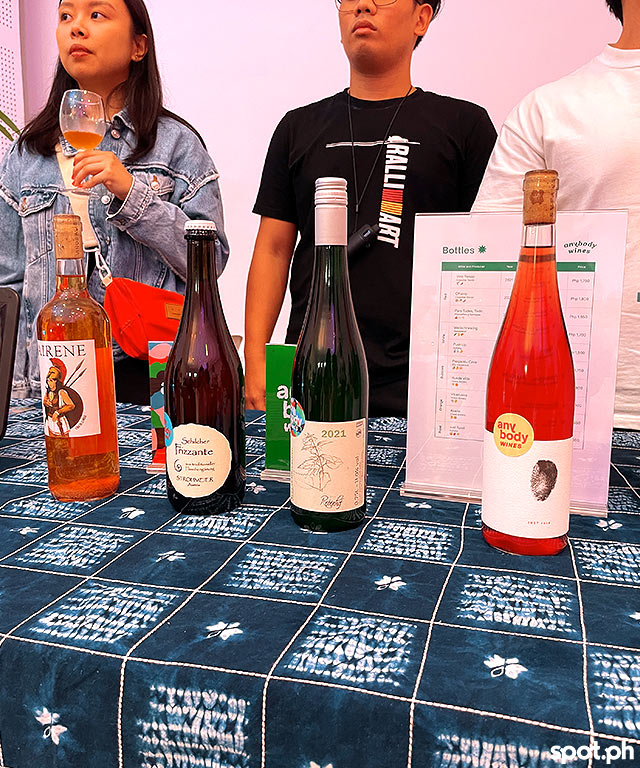
At Anybody Wines you can cop natural wines from producers like Cascina Tavijn in Piemonte, Humus Wine from Lisbon, and more.
PHOTO BY Patricia Baes
Cabral and Roleda are also mindful to note that this doesn’t necessarily make natural wine “better” or superior than its conventional counterparts. “In terms of quality, natural wines aren’t inherently better or worse than conventional wines,” they tell me. “The use of indigenous yeast might sometimes produce unique characteristics, but that alone doesn’t determine a wine’s quality. There are also many high-quality ‘natural’ wines that don’t fit the stereotypical ‘natural wine’ profile. To look down on a wine just because it’s “natural” or “conventional” is an inaccurate perspective—if a wine is good, it’s good.”
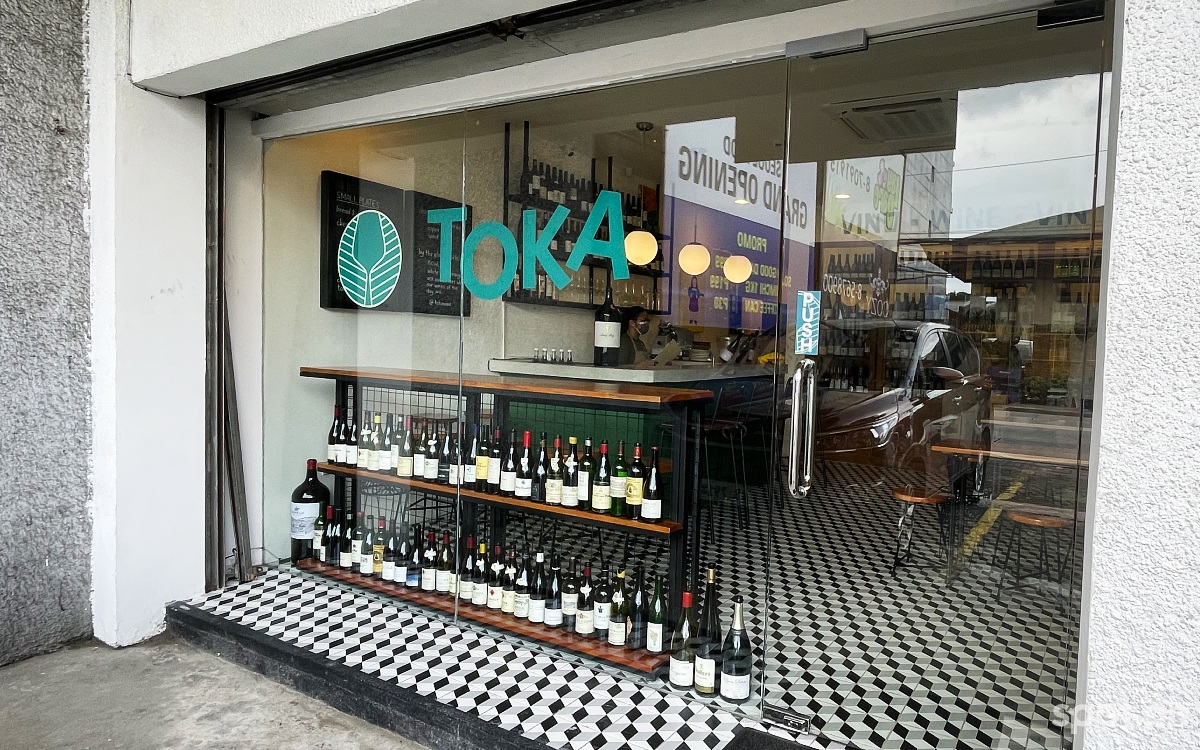
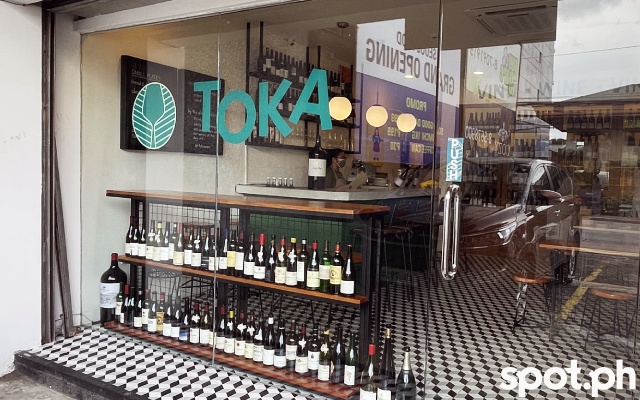
Toka Wine in Katipunan. PHOTO: Patricia Baes
Post a Comment
Not All Natties Are the Same
You’ll see the general styles of wines present in conventional wines that have natural counterparts so to speak—reds, whites, rosés, and sparkling wines, all with a diverse range of flavors. Contrary to popular belief, not all natural wines taste "funky" or "yeasty"—some natties are closer in taste to their conventional counterparts.
Still, a good number of natural wines taste quite distinct from their conventional siblings. Apolonio gives an example with red wines: natural reds would tend to have “more variety and character” even within the same region and varietal of grapes, as opposed to having more uniformity as in conventional wines where you’d often have characteristics typical of certain regions.
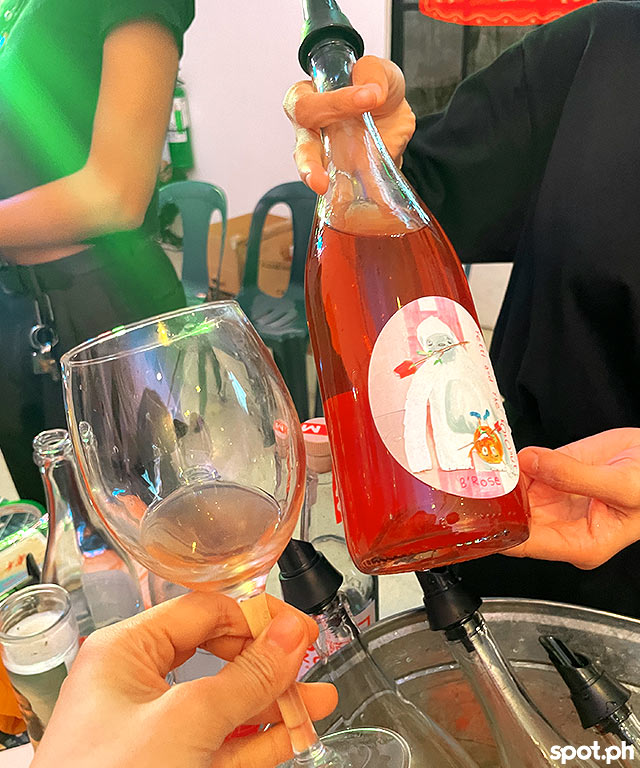
Some of the author's personal faves at the Manila Natural Wine Fiesta 2024 include Yetti And The Kokonut B'Rosé 2022 (available via Bombvinos), a ravishing rosé that delivers plum-y and berry-y sips as beaming as its vivid pink hue...
PHOTO BY Patricia Baes
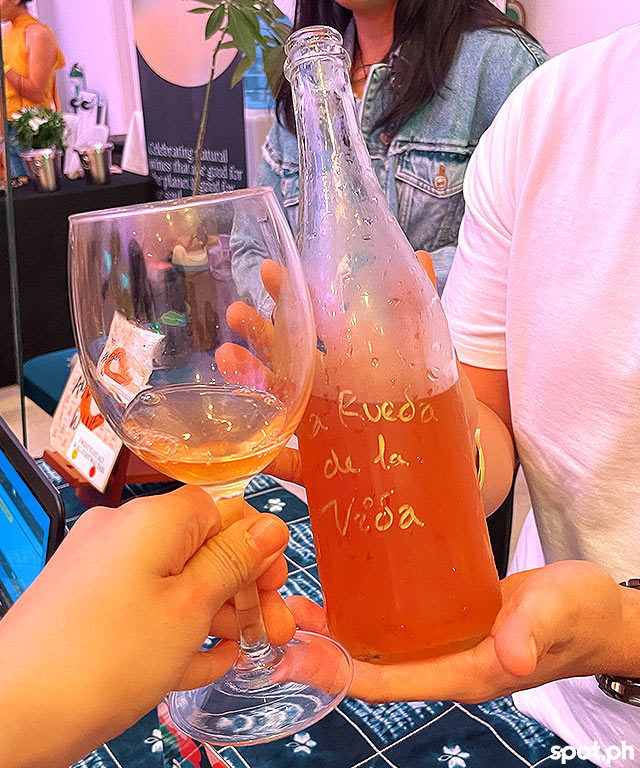
La Rueda de la Vida, brought to us by Anybody Wines (though super limited in quality and no longer available)—a skin-contact wine with plenty of exuberant fizz...
PHOTO BY Patricia Baes
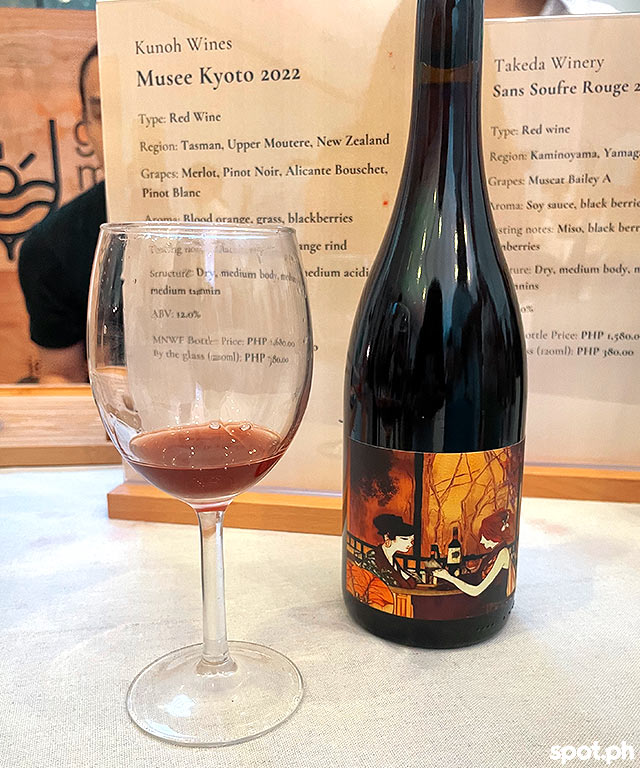
...And from Good Morning Wines, Kunoh Wines Musee Kyoto 2022—a Japanese red wine that's close in taste to a conventional red but with a tinge of grassiness (specifically oregano, as the author recalls).
PHOTO BY Patricia Baes
There, too, are styles you’ll commonly find within the natural world in particular, which Tenchavez tours us through. Note that these aren’t mutually exclusive categories:
Skin-contact wines (also called orange wine or amber wine) white wines in that they’re made with white grapes, but would have the grape skins left on to ferment with the juice, similar to red wine. Because they’re aged with the skins, they'd take on an orange or amber color (hence their alternative names) and tannic quality (think of the dry feeling on the roof of your mouth when you’re drinking brewed tea or red wine). And because they have more tannins—a natural preservative—they can be aged for longer than white wines to develop the flavor.
Pét-nat, short for pétillant naturel or “naturally sparkling,” are sparkling wines made the “traditional” way, with the method that predates champagne and other sparkling wines. In champagne, what’s called liqueur de tirage (a mix of still wine, sugar, and yeast) is added to induce a second fermentation. Pét-nats on the other hand skip this step; instead, the wine is bottled before fermentation completes, which allows some natural carbonation to build up inside the bottle. They’re not aged as long as champagne would be, and thus tends to be taste more fresh, fizzy, and fruity in such a way that reflects the qualities of grapes it’s made of.
Amphora-aged wines are wines aged in special pots made of clay, or amphora, taking after a traditional technique used in Old-World regions. Clay is porous, which allows some oxygen to go through and makes for a wine with a richer consistency—without imparting additional flavors the way a material like oak would. These jars are also eco-friendly, Tenchavez explains: “What's beautiful about amphorae jars is, when you buy that from a certain clay maker… [and practice] proper cleaning… it can stand 50 years, versus a barrel that can give you about five to eight years.”
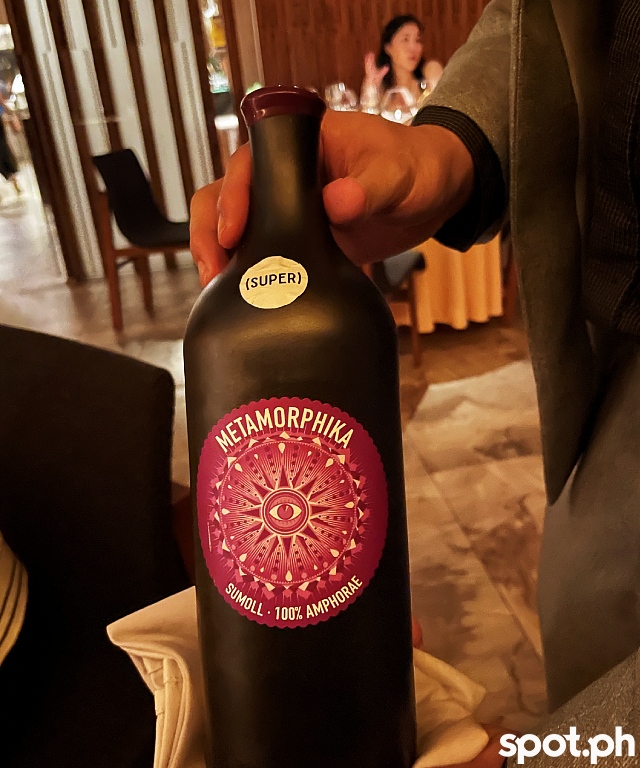
Costador Metamorphika Sumoll 2018, an amphora-aged wine using ancient Catalan grapes grown organically and biodynamically on a single mountain in Spain’s Conca de Barberà, made an appearance at the recent Gallery by Chele and Haoma collaboration dinner.
PHOTO BY Patricia Baes
Unfiltered wines are pretty self-explanatory. Wine, after fermentation, has floating yeast and sediments present; in filtered wine these yeast particles and microbes (compounds that contribute to the resulting wine’s aroma, flavor, and mouthfeel) would usually be purified or filtered out before the wine is bottled. In unfiltered wine, the filtration is skipped; instead, the wine is allowed to rest to allow yeast particles to naturally settle and the clear wine—which is thought to retain the qualities filtration would otherwise remove—is siphoned out.
Zero-sulfite wines are also self-explanatory, although Tenchavez differentiates between the kind that has zero sulfites during fermentation but has a low amount of sulfites added during bottling; and what’s called zero-zero, where the wine is bottled immediately after fermentation—zero sulfites are added (although naturally occurring sulfites can still be present in both but in very small amounts). As mentioned, sulfites have preservation properties but tend to mute the flavors of wine; zero-sulfite wines, on the other hand, allow these flavors to shine.
At the recent collab between Chef Miko Calo and Jorge Mendez we also got acquainted with the tropical-floral Grape Republic Anfora Bianco 2021 from Yamagata, Japan, available via Good Morning Wines.
PHOTO BY Patricia Baes
Outside these you might also encounter glou-glou wines, which get their fun name from the onomatopaeic sound of someone chugging down alcohol—if only because it refers to wines that are light and easy to drink. Many of these happen to be lower in alcohol, too, which is to say you can have more of it in one go.
A pile of books on natural wine and related topics at Bombvinos Bodega. PHOTO: Patricia Baes
Post a Comment
The Growing Love for Natural in Manila, and Why It’s Great With Filipino Food (and Other Flavor Profiles)
At its core, natural wine isn’t new. But people from all over the world, particularly in the West, have fallen in love with natural wines in recent years—in the U.S., it’s arguably ubiquitous enough that a 2022 Bon Appétit article ponders if it’s become mainstream.
The movement is still quite young here in the Philippines, but it’s evidently growing, much like grape vines twisting and turning their way up the trunk of a tree. Natural wines are becoming available in more restaurants in Manila, among them Metiz, Automat, Toyo Eatery, and Gallery by Chele. There are dining spots dedicated to showcasing natural wines, like Bibio; or opened by natural wine purveyors, like Bombvinos. There are also more natural wine events popping up here and there—chief among them the successful runs of the Manila Natural Wine Fiesta in 2023 (which sold out!) and earlier this year, 2024.
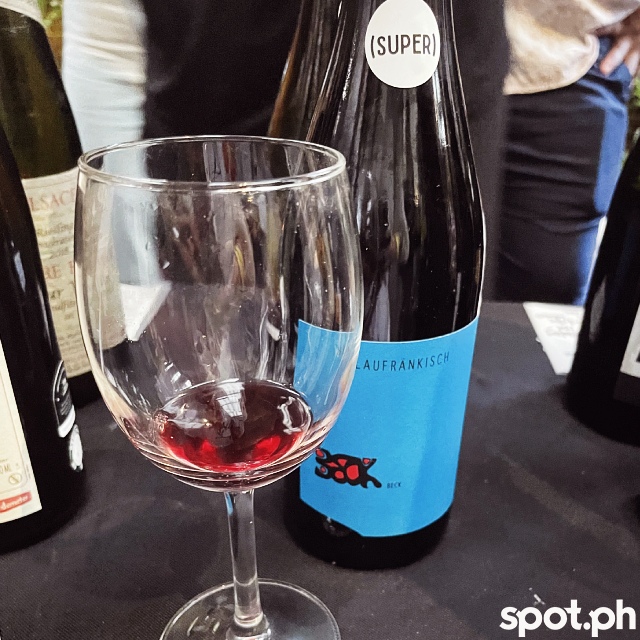
Judith Beck Blaufränkisch 2019, taken during the Manila Natural Wine Fiesta 2023 and available through (Super)Natural Wines, beautifully displays the spiced, blackberry-like character of Austrian Blaufränkisch grapes.
PHOTO BY Patricia Baes
Having attended a number of natural wine events myself, my impression is that natty fans tend to be, well, for starters, young—think late Gen-Z to millennial levels of young. They’re fairly affluent enough to be able to afford wining and dining out, yet are often members of other creative circles or holders of other niche interests, like progressive folk or Marcel Schwob books or Japanese denim, and seem well-read, educated, progressive, perhaps a touch rebellious. I’m stereotyping—of course this doesn’t apply to every single natty enthusiast, nor is it to say going au naturel should be limited to that audience. (It really is for everyone!) But it is an observation that has me intrigued, considering much of the conventional wine world goes for a more directed toward a mature set of people, and goes more luxe and traditional in their marketing.
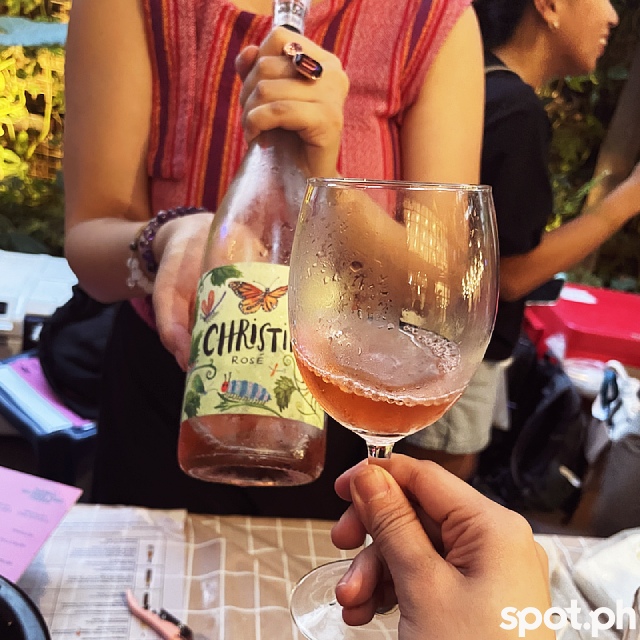
Christina Rosé 2022 from Weinland, Austria revitalizes with its freshness, medium body, and notes of strawberries and citrus. (Doesn't hurt that the label is a colorful one.)
PHOTO BY Patricia Baes
Almario clues me into some reasons why that might be the case. “Many of these young wine enthusiasts are the children of the baby boomers who favored heavy Bordeaux or white Burgundy or other champagnes. So talk about a generational shift, right?,” she ponders. This growth in popularity, she explains, can also be linked to the growing interest in factors like sustainability, health consciousness, and the pursuit of unique experiences. “Young Filipinos are increasingly seeking out authentic, artisanal products. And natural wines are the perfect fit for that craving.”
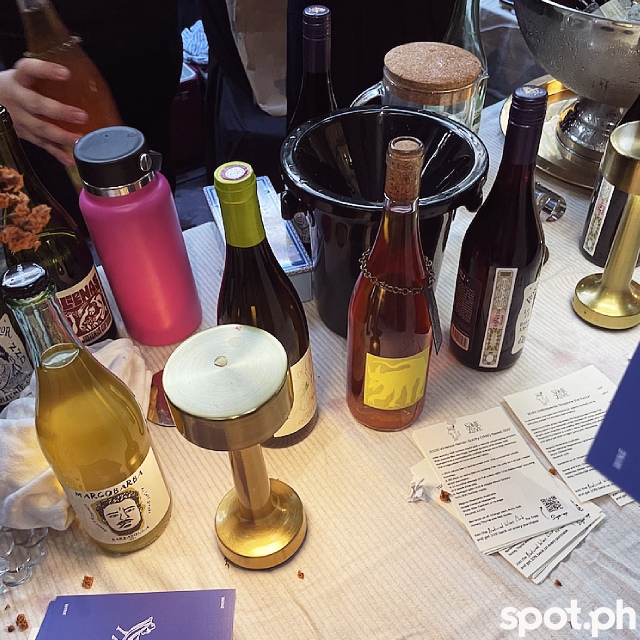
More quirky bottles from the Some Love booth at the 2023 Manila Natural Wine Fiesta.
PHOTO BY Patricia Baes
Tenchavez brings up how the way natural wine is branded and marketed also feels more accessible to younger audiences. “[Wine] was really a beverage for—not for the youth, definitely, diba? And natural wine kinda broke that barrier with the branding… I mean, there's a lot of components to it, people wanna reach out to it.” Particularly, he explains, there’s the way many natural wine labels would be artsy, colorful, and bright; very “fun.” There, too, is the way natural wine is getting more exposure on popular media, which Filipinos get huge of exposure to via the internet—rapper and Fuck, That's Delicious star Action Bronston is known for his love of the drink for example. He also shares how getting into natural wine can pave the way to developing interest for other wines, as is the case with one of his young interns now.
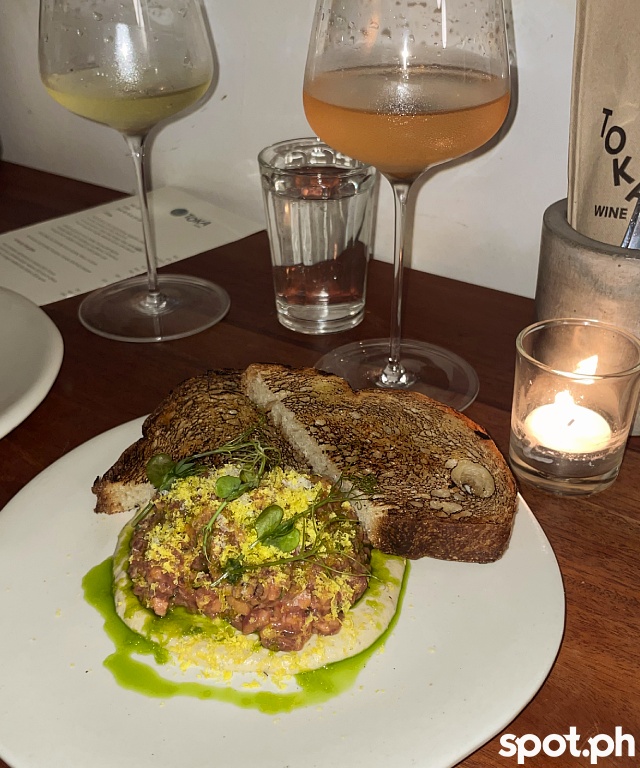
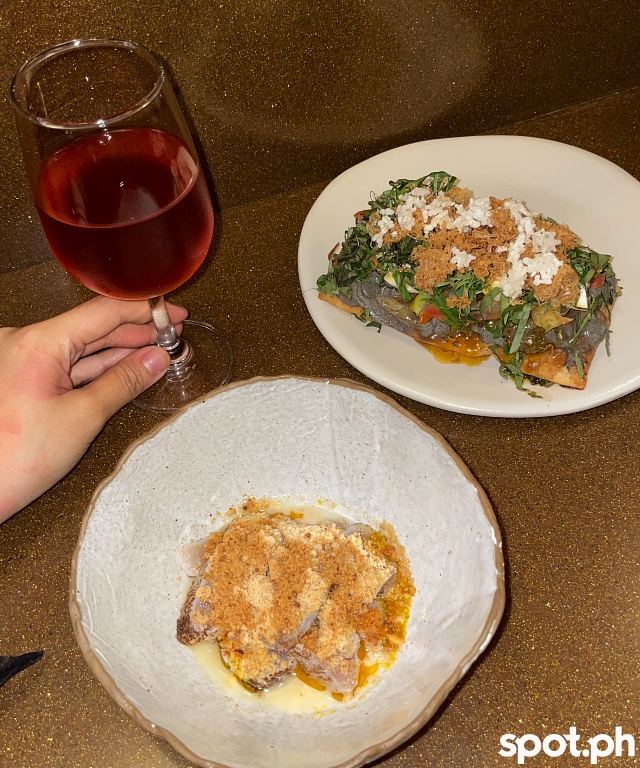
At Lasa Supperclub's recent pop-up Toka Wine, the author paired Lasa's choco-gochujang spiked beef tartare with Chateau Vignelaure La Source Rosé 2021, a peachy organic rosé from Coteaux d'Aix-en-Provence, France.
PHOTO BY Patricia Baes
Cabral and Dimitri also point out its “relatively anti-establishment marketing” that appeals to the younger, more radical audience. “Traditionally, wine was seen as something reserved for the older generation or the more affluent, often unfairly, but not inaccurately, associated with rituals and snobbery. In contrast, natural wine was marketed as approachable and more accessible, and this gave people the confidence to explore wine,” they explain. “For many, it felt like a category that was theirs—free of barriers or elitism, offering an inviting entry point into the world of wine. Now, the demographic of wine drinkers seems to be broader than before, and that’s a good thing for wine in the long run.”
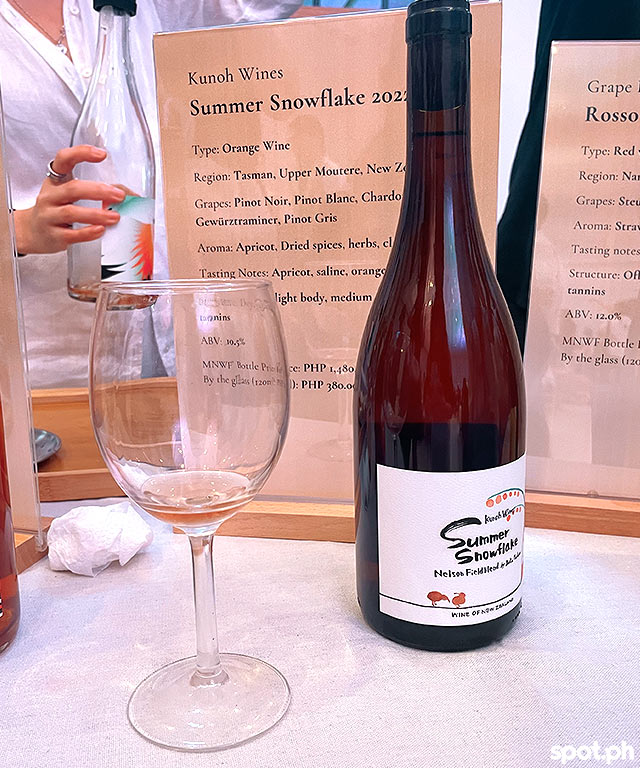
From Kunoh Wines (available via Good Morning Wines)—another skin-contact wine that makes for laid-back, easy sips, by New Zealand-based Japanese winemaker Yuki Nakano.
PHOTO BY Patricia Baes
It's also endearing to see and be in the company of our local natural wine lovers, which very much feels like a community in the genuine, tight-knit, human-to-human sense. The relatively niche genre's small size does a play part in this. "For me, we're... [about] six [purveyors]—we're all quite small, but we all know each other very well," (Super) Natural Wine's Lulu Locsin muses. "We organize events with each other and work together. So for me, if somebody is doing really well, it actually means that we're all doing really, really well. If one person wins, to me, the entire natural wine community [wins too]."
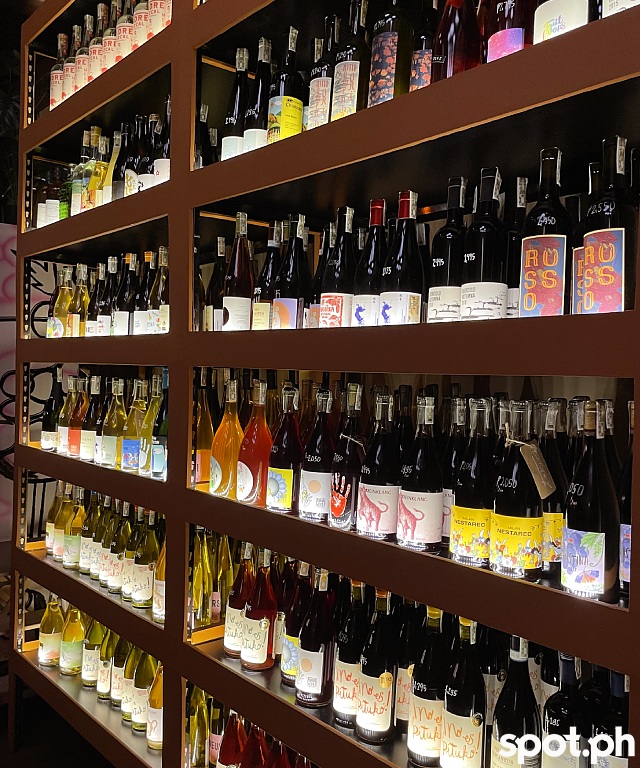
The display of bottles at Bombvinos Bodega.
PHOTO BY Patricia Baes
Worth thinking about is whether there’s something about natural wines that appeals to Filipinos in particular. Locsin, a chef himself, finds that it’s better suited toward the weather conditions of the Philippines. “It just fits our climate so much better—I love these big Bordeauxs as much as the next guy, but I cannot drink them every day. It's too hot. It's too expensive. And it doesn't go with the food that I'm making,” he explains.
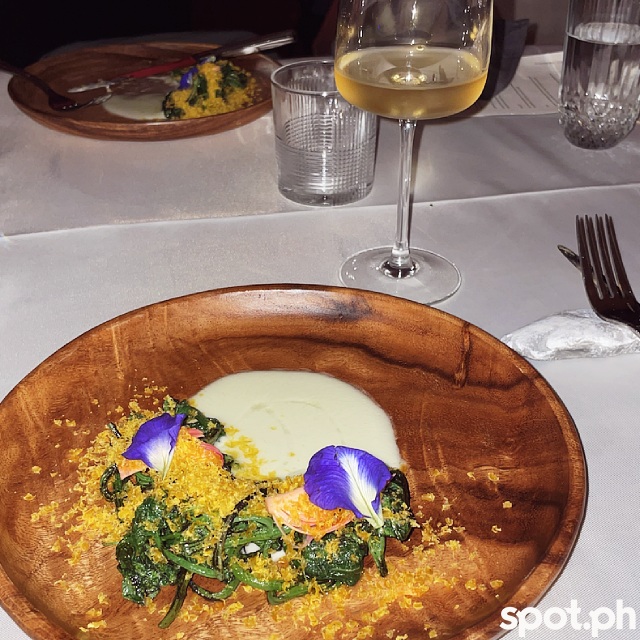
At Locsin's Pagtitipon dinner at La Vie en Rose in 2023, the team paired the piquant Sayote course with the sunny Sylvie Augerau "Pulpes" 2018, available from (Super)Natural Wines.
PHOTO BY Patricia Baes
In many ways, natural wine is better suited for Filipino and Asian flavors, Locsin and Almario explain. “Most natural wines pair beautifully with Asian dishes… ‘yung acidity ng food natin is really good paired well with [them],” Almario tells me. The two particularly enjoy their natties with Filipino street eats like barbecue or isaw na manok; chichirya like chicharon and fish crackers; and fatty viands like lechon with vinegar. “So for me, especially from the cooking chef perspective, these are the wines that I actually want to drink and eat with my food.”
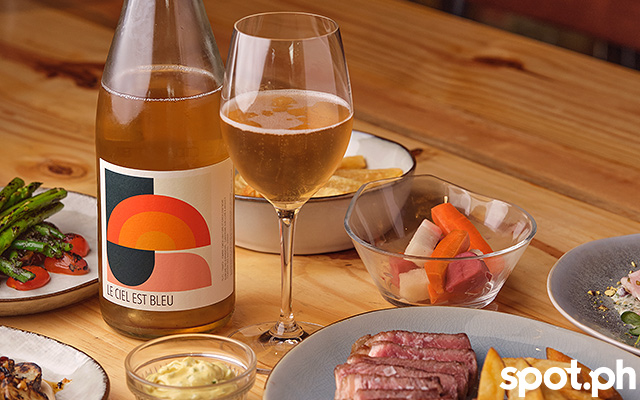
At Bombvinos Bodegas last year: No-Es Pituko Rosé from Chile made for dry, strawberry-inflected sips alongside their Ensaladang Tostada and Kinilaw sa Mani.
PHOTO BY Patricia Baes
More and more local restaurants, too, are keeping their eyes peeled on what natty wines have to offer—and stocking their shelves with these bottles. Some of (Super) Natural Wine’s regular clients are Gallery by Chele, Hapag, and Metiz—both fine-dining spots that highlight local and endemic, Filipino ingredients. And more dining spots, particularly chef-driven ones that lean into Filipino cuisine, are stocking their shelves with these natty bottles. “They’re realizing now that natural wine just pairs better with Filipino food, and that's sort of the big thing,” says Locsin. “Filipino food by its very nature, it's quite acidic. It's different [from typical continental fare], we use a lot of vinegar and marinate a lot of things… so these really big classic [conventional] wines that are super, super expensive and they're really, really delicious—they don't necessarily go well with the food... [So these restaurants are] finding now more and more that it's actually natural wines that are sort of the thing to move towards.”
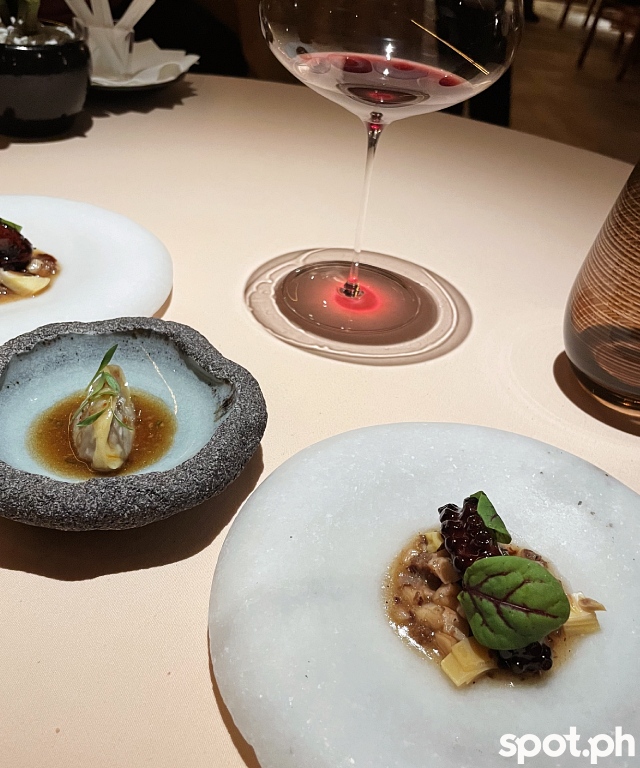
The Costador Metamorphika Sumoll we mentioned earlier stood up beautifully to Gallery by Chele's Patapulpo course with Spanish, Filipino, and Chinese elements.
PHOTO BY Patricia Baes
Per Apolonio, natural wines’ local appeal might come down to how Filipinos nowdays are seeking alcoholic beverages that “give flavor and an interesting and enjoyable experience.” Alcoholic beverages, he explains, appeals to Filipinos for the “intoxicating effect that in moderation is a great addition to many occasions and non-occasions,” and wine in particular is valued for its “synergy with food, its variety and nuance in flavors, and at some point, for its elegance and class.” The caveat? “For some people, the perception of wine has grown to be a little too stiff.”
“This is where natural wine comes in,” says Apolonio. “It’s fun! The flavors are interesting, memorable, bold, unapologetic, exciting and creative. There’s so much quality and character in natural wines. And while there are a lot of bad natural wines out there, we and other small importers like us take great care in choosing the most wonderful tasting wines to bring to Filipinos.”
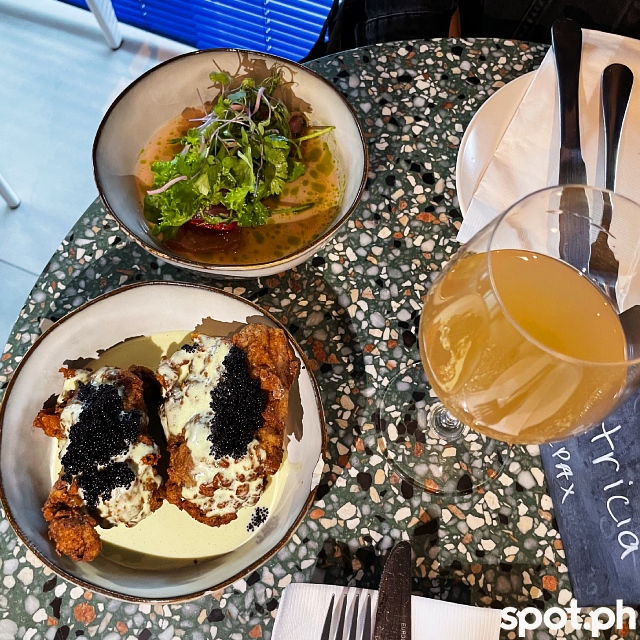
At the Los Tacos pop-up at Bibio last March: Marto ‘Weiss’, a skin-contact white from Rheinhessen, Germany with a blend of local grapes (Bacchus, Faber, Müller-Thurgau, Riesling, Scheurebe, and Silvaner), enlivened bites of masa-fried chicken and tuna ceviche with fermented strawberries.
PHOTO BY Patricia Baes
His pairing suggestions: many reds in natural wines tend to be “light and bright”—and thus won’t overpower salads and seafood dishes. He similarly cites Filipino cuisine as a good pair with the higher-acidity ones of the natural bunch, as well as other Southeast Asian and Latin American cuisines and sour dishes like sinigang, tom yum, and tacos with salsa, whose high acidity would typically make more conventional wine flavor profiles taste “flat-like.” “My personal favorite pairings lately are wine with everyday Filipino food, and bringing a bottle with me when I eat out for Japanese or Chinese food.”
PHOTO BY Hans Fausto
It’s not just about the flavor, Apolonio continues. “Natural wine captures people’s imagination. Natural wine tells a story people relate to nowadays: the small independent producers creating quality products that are perfectly imperfect, that have stories to tell. It feels like a rebellion against capitalism, against mass production and commercialization, against corporations and the mega-rich behind them that are never satisfied. Natural wine feels like starting over, taking care of nature, taking care of ourselves. Natural wine feels healthier, it feels lighter. Not all of these feelings are entirely rational, but people feel them and feel happy about them. And that happiness is real and has value.”
However you identify with the above principles, we say it’s well worth giving natural wines a try. “It's part of the journey of wine,” says Tenchavez, who shares he’s come to prefer “cleaner” tasting natties—that is, natural wines that “taste more of a wine than other things… but you can still taste the raw profile of it.” Even in the event that it isn’t your cup of tea (glass of wine?), you still get to learn a good thing or two about how different parts of the process lead to certain outcomes, and it’ll lead you closer to determining what you like.
Scenes from the Pagtitipon pop-up of (Super) Natural Wines' Luis Locsin in 2023. PHOTO: (Super) Natural Wine
Post a Comment
Where to Cop Natural Wines in the Metro
Anybody Wines
What they sell: Natural wines that “embody energy and spirit,” from producers of the likes of Cascina Tavijn in Piemonte in Italy, Humus Wine from Lisbon in Portugal, Jörg Bretz from Burgeland, Austria; and more—just the thing to pop open for brunch or bring with you to a picnic.
What they sell: The “liveliest and juiciest natural wines” from around the globe, taking after founder Paolo Monasterio and Joey Osmeña’s time living in San Francisco and New York. Pop by their physical dining spot-slash-shop for vivifying plates with Filipino elements by Linamnam’s Chef Don Baldosano.
Address: Bombvinos Bodega, 7224 Malugay Street, Unit 3, The Zone Sports Center, Makati City Instagram: www.instagram.com/bombvinos Website: www.bombvinos.com
Good Morning Wines
PHOTO BY Good Morning Wines
What they sell: Japanese wines, some of which are natural. Expect fruit-forward sips from the likes of Grape Republic Aromatico 2021 (P1,850) and Grape Republic Arancione 2021 (P1,780). They also recently opened a small physical shop in Salcedo Village.
Address: Prince Tower, Tordesillas Street, Salcedo Village, Makati City Instagram: www.instagram.com/goodmorningwines Website: www.goodmorningwines.com
Gran Hacienda Wines and Toka Wine
PHOTO BY Patricia Baes
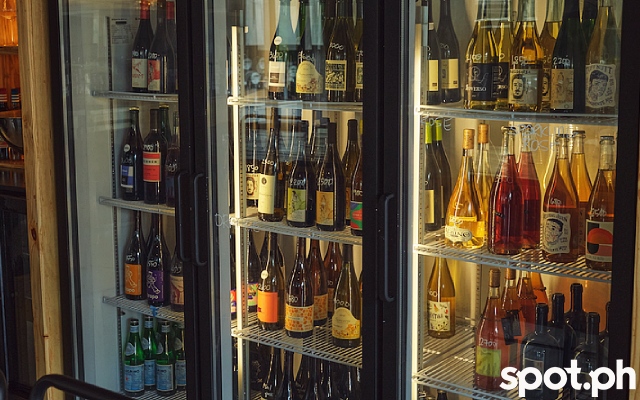
What they sell: Wines, among them natural wines, that veer toward the balanced, cleaner end of the taste spectrum. Gran Hacienda Wines is the distributor who supplies to restaurants; Toka Wine is their physical wine bar-cum-shop that plays host to up-and-coming chefs.
What they sell: Natural wines sourced directly from small winemakers in France, Italy, Germany, New Zealand, and Australia, Australia being the place where owners Justin Apolonio and Vanessa Abat-Apolonio fell hard for the genre. Natty Wines, Inc. is the restaurant wholesale leg; Some Love is their retail shop; and Bibio is their physical dining spot in Poblacion where they also serve food with fermented elements.
Address: Bibio, 5659 Don Pedro corner Jacobo Street, Poblacion, Makati City Instagram: www.instagram.com/somelove.ph Website: www.somelove.ph
(Super) Natural Wine
PHOTO BY (Super) Natural Wine
What they sell: Natural wines from the likes of Austria, Czech Republic, France, Italy, and Spain, covering the spectrum of whites, rosés, oranges, reds, and sparkling wines. They supply to restaurants like Hapag and Aya, Metiz, Bolero, Bibio, and more, and hold events on the regular.
We use cookies to ensure you get the best experience on Spot.ph. By continued use, you agree to our privacy policy and accept our use of such cookies. Find out more here.




Comments