
What to Do Before, During, and After a Typhoon
Here's your typhoon preparedness guide.

(SPOT.ph) As we gear up for the rainy season, it's time to stay safe and sound while in the comfort of our homes. With weather that's harder to predict than your ex's mood swings, it's essential to be on top of things.
We've got you covered with the ultimate typhoon preparedness guide and tips to help you weather a storm that comes your way. From making a killer emergency kit to mapping out your escape route, we're giving you all the details. Remember: It's always better to stay safe than sorry.
Also read:
How to Stay Safe During Storms, Typhoons
Why Does PAGASA Name Typhoons After People?
What to Do Before a Typhoon
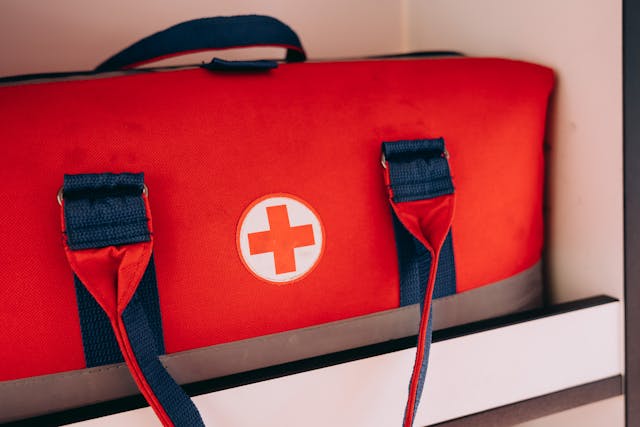
Pack a go bag or an emergency kit that's good for at least 3 days.
If you don’t have a go bag or an emergency kit just yet, now is the time to pack up for a rainy day. Keep in mind that the bag should include essentials that will last for at least 72 hours as rescuers usually get to the scene within this timeframe. When doing so, consider the other members of the household as well. Ideally, there should be one bag per person.
Here's what you should have in your go bags:
- Water. Pack at least one liter of water per day per person. You can include water purification tablets as a backup.
- Food. Pack non-perishable and easy-to-prepare foods such as energy bars, canned food, and dried fruits. Remember to also include a can opener, a mess kit, and utensils.
- First Aid Kit. Include basic first aid supplies such as bandages, gauze, antiseptic wipes, adhesive tape, and pain relievers.
- Personal Hygiene Items. Pack items such as soap, toothpaste, toothbrush, and toilet paper.
- Clothing. Pack a change of clothes, including sturdy shoes, socks, and a jacket.
- Shelter. Include a lightweight and waterproof tent or an emergency blanket.
- Navigation Tools. Pack a map and compass, or a GPS device with extra batteries.
- Lighting Items. Include a flashlight and extra batteries, or a wind-up flashlight.
- Communication Tools. Pack a whistle, a signaling mirror, and a fully-charged cellphone with a portable charger.
- Cash and Important Documents. Pack cash and copies of important documents such as passports, driver's licenses, and insurance policies in a waterproof container.
Gather safety gear you might need during and after the typhoon.
Aside from preparing go bags for your whole family, it's good to have safety gear prepared in an easily accessible area. Essentials to include are boots, raincoats, reflective clothes, rubber gloves, and waterproof bags.
Formulate contingency plans.
Compile a list of people you can contact in case of an emergency. Don’t just save the number, make sure to write them down in a notebook for easier reference. Also, take note of possible escape routes to take. As much as possible, don’t rely on one route but have at least two to three to consider in case your primary choice gets blocked off. It’s also helpful to know how to get in touch with evacuation centers at this point.
If you have a vehicle, prepare it even before the first sign of a drizzle comes up. Make the usual rounds for maintenance. Don’t forget to gas up as well.
As far as your home interiors are concerned, secure anything that may move around when the flood water starts creeping in. Check for cracks and leaks around the house and patch up if you ever find some to prevent more damage.
When it comes to money, don’t purely rely on online banking; keep some cash with you. This becomes even more important the electricity and Internet are out.
What To Do During A Typhoon
Before anything else, take a deep breath and don’t panic, even if you badly want to. Staying calm and level-headed can help you make sound decisions when you're in an emergency. Here are some things to keep in mind during a typhoon:
- Unplug appliances to preven electrical surges. This is where making sure you've got your powerbanks charged before the typhoon comes in handy.
- Secure doors and windows. While you're checking your appliances, make sure you're closing doors and windows around the house. Securing openings helps lower the chances of rain, wind, or debris flying into your home and damaging your appliances and furniture.
- Let your pets in or ensure their shelters are secure. Typhoons can be just as destructive to animals as they are to humans. Let your pets inside your home to ensure their safety, or check that their outdoor shelters will keep them warm and dry during the typhoon.
- Do not walk through flooded areas without rain gear. In case of flooding in your area or inside your house, it's best to avoid wading through the flood water as this risks contracting leptospirosis. Either wait for the flood to go down or make sure your rainboots are well above the water line.
- Check the news for updates. This will also give you an idea of the actual situation in relation to your current location and the areas nearby.
- Evacuate when instructed to do so. Your house and belongings can be rebuild or replaced, but life cannot be so easily restored. Prioritize your safety, and call for help if the situation worsens.
What To Do After A Typhoon
- Check for potential damages. Make sure it's safe to go out before you do so, and remember to wear safety gear like closed shoes, durable clothes, and even rubber gloves if you are clearing debris off your home.
- Check on your pets, if you have any. Investigate for signs of injuries and any other potential problems. Make sure they have plenty of water and try to keep their feeding schedule consistent.
- Stay tuned for news updates and developments. Don’t let your guard down just yet, and be ready to help your neighbors if you can.
- Plan your next steps in case it’s still unsafe to stay home. Consider where to stay and other pertinent arrangements you need to make just in case.
Also Read:
PAGASA Releases Typhoon Names in the Philippines for 2024
How to Stay Safe During Storms, Typhoons
Riders Shouldn't Take Shelter Under Overpasses When It Rains, Says Traffic Official