
10 Exciting Things to Do in Zamboanga del Norte
Start by retracing Rizal's footsteps while in exile.

(SPOT.ph) Zamboanga del Norte, the largest province in the Zamboanga Peninsula, teems with history and culture and boasts an abundance of natural attractions. It may not be top of mind when you go on a Philippine adventure, but it should—given that it’s home to Dapitan, which is known to be Jose Rizal’s place of exile; and Dipolog, its busy capital. Any of these two cities is an ideal base for those thinking of exploring this province in Mindanao.
Also read:
The SPOT.ph Guide to Chavacano Cuisine in Zamboanga
10 Exciting Things to Do in Zamboanga City
Here are the best things to do in Zamboanga del Norte, an underrated yet emerging tourist destination:
Retrace Rizal’s footsteps
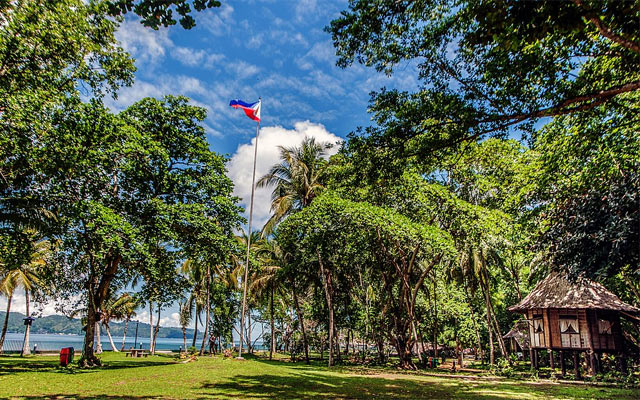
Perhaps the single most important item on your itinerary to Zamboanga del Norte, particularly if you’re a Filipino, is to retrace the footsteps of Rizal in Dapitan. Living in exile from July 17, 1892, to July 31, 1896, the national hero spent most of his days in the service of the townsfolk.
Be sure to visit the city’s most ubiquitous monument in honor of Rizal, the Punto del Desembarco. This marks the exact location where he disembarked from the steamer S.S. Cebu, which brought him from Manila to Santa Cruz Beach. It has bronze statues of Riza, ship captain Delgras, the ship’s skipper, and artillerymen. These were sculpted by Ronel Roces, an apprentice of National Artist for Sculpture Napoleon Abueva. Just across the monument is a 20-foot cross symbolizing the propagation of Christianity in Dapitan.
Another must-see, if you’re a history buff especially, is the 16-hectare Rizal Park and Shrine. The protected area preserves the memories of Rizal during his four-year exile in Dapitan. It has five bamboo and nipa houses, each of which have been faithfully reconstructed and rebuilt in their original locations. The biggest of the five is Casa Residencia which was Rizal’s residence.
Near the shrine’s main gate is Museo ni Jose Rizal, which houses Rizaliana memorabilia like correspondences, clothes, medical instruments, and replicas of his artworks including those of his wife Josephine Bracken. The original blackboard, table, and chairs used in his school are also part of the museum’s collection.
Rizal Park and Shrine is in Dapitan City, Zamboanga del Norte. It is open from Tuesday to Sunday, from 8 a.m. to 4 p.m. Entrance is free.
Go on a day tour or spend the night at Dakak
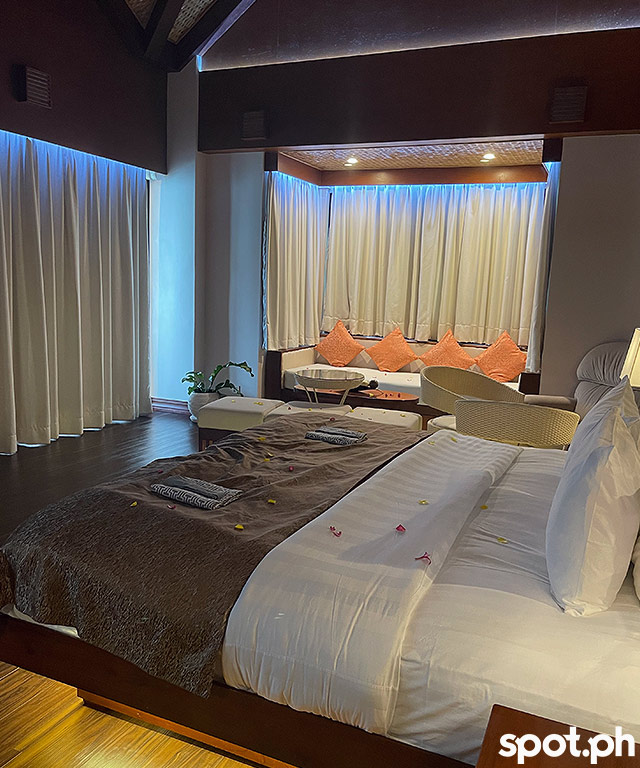
Aside from Rizal, another name that might conjure memories—hazy they may be—of a faraway place is Dakak Beach Resort. Thanks to that TV ad which ran on a popular noontime show from the ‘80s to the ‘90s, the name got stuck in the recesses of many Filipino's memories, including that of millions of millennials.
The resort continues to be a beloved vacation spot among locals and those from nearby provinces. One can easily spend a few days on the property as it offers several water and land activities such as scuba diving, jet skiing, ATV riding, and rappelling. You can also go on an island-hopping adventure to nearby beaches or a heritage tour of Dapitan City from there.
Dakak Beach Resort is in Barangay Taguilon, Dapitan City, Zamboanga del Norte.
Rates start at P9,000.
Say a little prayer in age-old churches
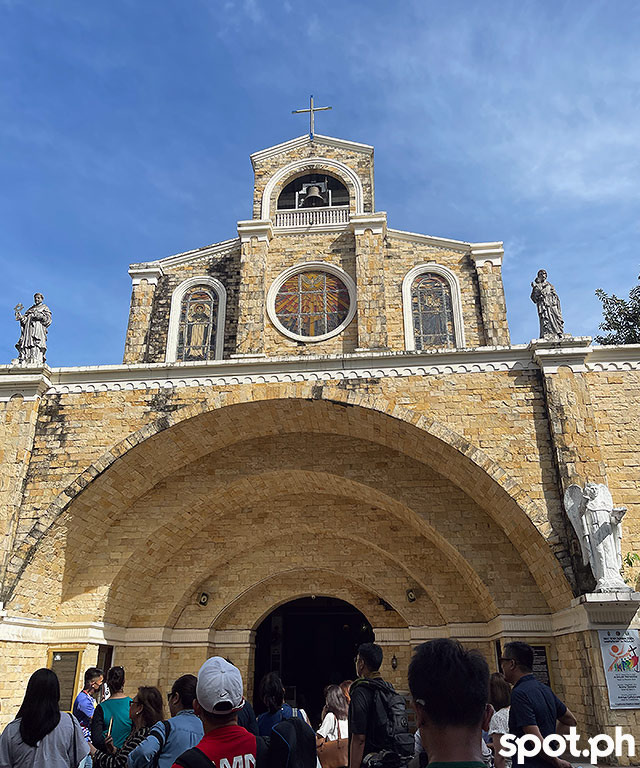
Both Dapitan and Dipolog have their fair share of historic churches. One of the must-visits is Our Lady of the Most Holy Rosary Cathedral or Dipolog Cathedral. Constructed in 1894 and named after the city’s patroness, its present altar is a replica of the retablo designed by Rizal during his exile. It also features a hardwood ceiling and a façade inlaid with marble.
Another church worth visiting is the Church of Saint James the Greater in Dapitan where Rizal heard mass every Sunday. Be on the lookout for the marker near the entrance where he usually sat. As an excommunicado, he was prohibited from going near the altar during mass. The church is also known for its distinct ceiling, with its orange and white rectangles that create an illusion of depth and motion.
You can also go on a short hike atop Ilihan Hill just behind the church. Over 200 steps above ground is the burial site of Dapitan’s first settlers. When the Spaniards arrived, they renamed it Fort Dapitan and installed stone walls and cannons.
Step back in time at the Dapitan Heritage Zone
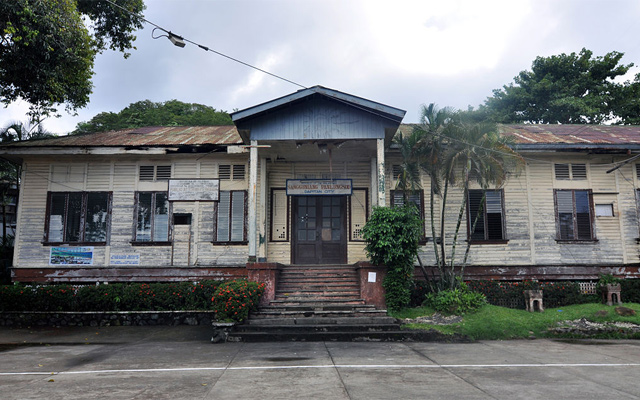
Aside from its close ties to Rizal, Dapitan is also known for its heritage structures. In recognition of its historical significance, the National Historical Commission of the Philippines declared a portion of the city—along with 33 heritage structures—as a Heritage Zone in 2011. This gave Dapitan the nickname "Shrine City."
Among the few remaining original heritage houses in the city is that of Pablo Page’s. Built in 1919, it was a venue of gatherings among the principalia in the ‘50s to the ‘70s. Another well-known ancestral house is that of Aniano Adasa’s, which is now the city’s tourism office.
Turn back the clock at this ancestral house
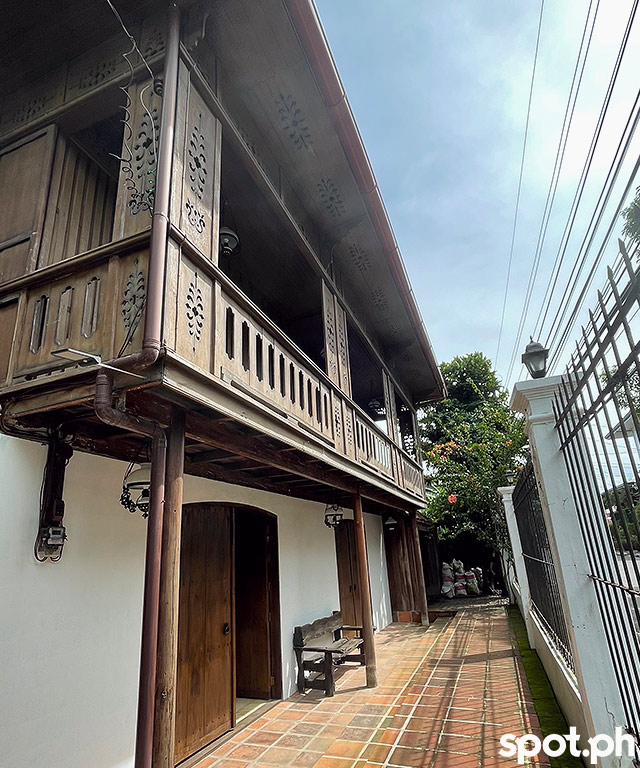
To further immerse yourself in the rich history of Dapitan, spend a few hours at Balay Hamoy, arguably the most famous among the heritage houses in the city. The elegant wooden house was originally owned by a couple, Don Mariano Hamoy and Doña Pilar A. Sagario. Completed in February 1893, it was built using only the sturdiest of wood, specifically yakal, molave, narra, and kamagong.
The 130-year-old house was a favorite hangout of Rizal who is a friend and schoolmate of Don Mariano at the Ateneo Municipal de Manila in Intramuros. The second floor has been converted into the first Department of Tourism-accredited museum in the whole Region IX, while the first floor has become an events place.
Balay Hamoy is at 143 Mi Retiro Street, Dapitan, Zamboanga del Norte. It is open from Tuesday to Saturday, from 9 a.m. to 5 p.m. Entrance fee (inclusive of a guided tour) is P300 for adults and P250 for government employees, medical front liners, teachers, students, and children.
Take a refreshing dip in a waterfall
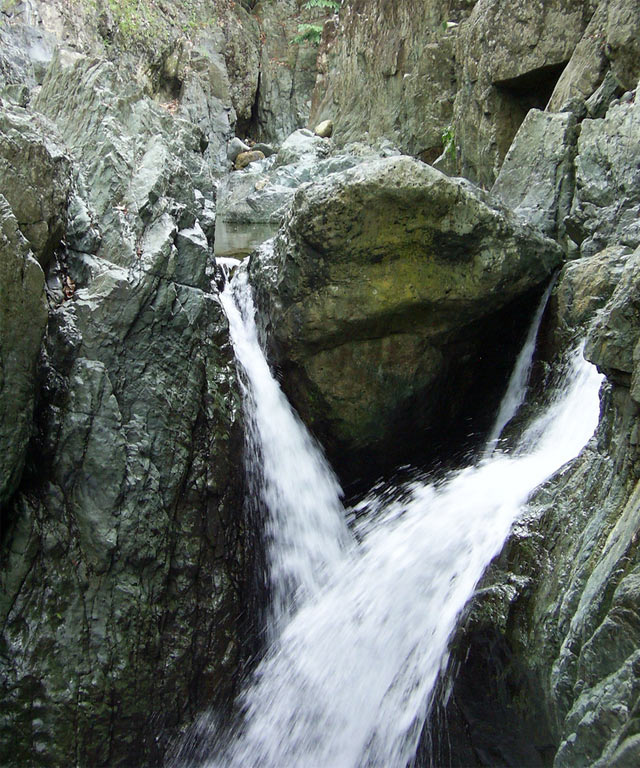
Zamboanga del Norte has a wealth of natural attractions, and one of them is Sungkilaw Falls, which is nestled in the heart of a lush forest about 40 minutes away from Dipolog City. The trek can be challenging, but the clear waters and tranquil surroundings make the rough hike worth it. With the cooperation of the local government and Subanen communities, cottages, and toilets have been constructed in the area and trails carved out for an easier trek.
Learn more about Subanen culture amid soaring trees
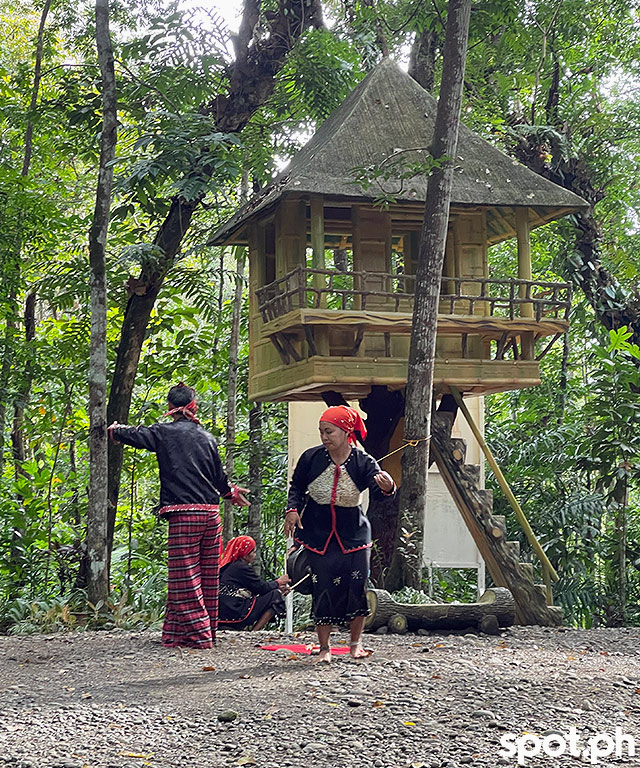
Still craving the embrace of Mother Nature? After a morning in Sungkilaw Falls, you can spend the afternoon at Cogon Eco-tourism Park, a 344-hectare protected area that is home to different species of flora and fauna. We suggest grabbing a mat and some takeaway and picnicking under towering trees.
A perfect example of a successful reforestation project, Cogon Eco-tourism Park is now a go-to place among the locals looking for a pleasant day of hiking or camping or students going on a field trip. It also has a recreation of a Subanen Village, a hanging bridge, an aviary, and an orchidarium.
Catch the sunset and feast on street food
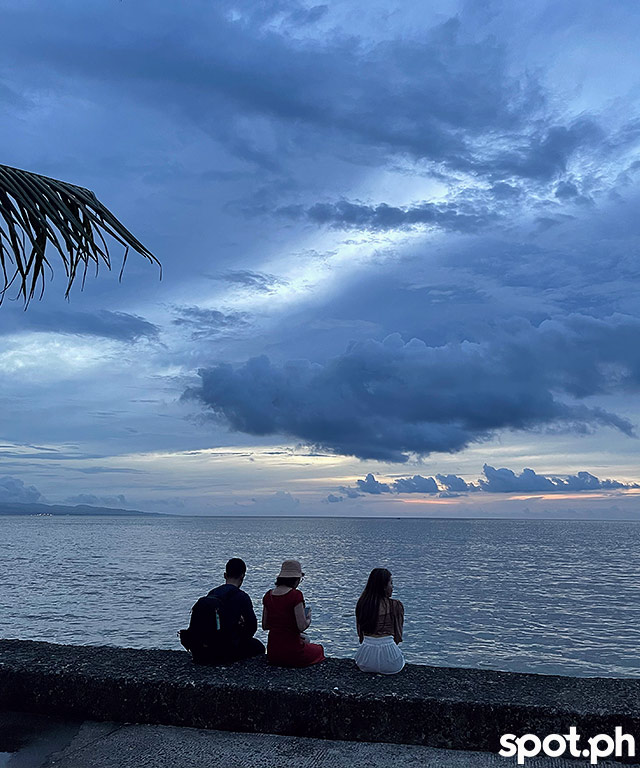
Don’t forget to watch the sunset at Dipolog’s most famous strip that’s aptly called Sunset Boulevard. Facing the Sulu Sea, the 7.6-kilometer esplanade is not only popular among visitors but is a well-loved area among the locals where they could go on a quick morning jog or zip around on a bike. It’s also a favorite date spot among lovers of all ages.
The stretch becomes most alive just before the sun is about to set. In the blink of an eye, hawkers are able to set up shop and begin selling a wide array of street food, such as barbeque, fish and squid balls, ice cream, and fried chicken.
Awaken your inner kid at Mindanao’s biggest theme park
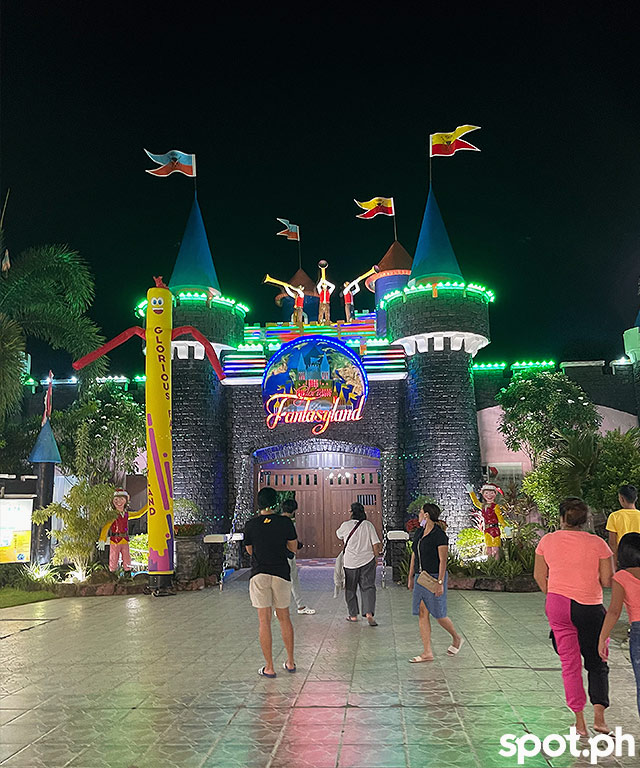
You can spend a whole afternoon and a good chunk of your evening at Glorious Fantasyland with its over 30 rides and attractions for all ages. Thrill seekers can go on a ride in the roller coaster and galleon, while kids can hop on the Ferris wheel or take a spin at the teacup ride and carousel.
Mindanao’s biggest theme park has a nightly show and parade, and a fireworks display on weekends which can go head-to-head with that of Disneyland’s and other amusement parks abroad. They also recently opened Lakbay Pinas, a train ride that takes you around the Philippines through miniature versions of famous tourist spots, and Snow World, the first snow-themed attraction in the region.
Glorious Fantasyland Complex (formerly Gloria de Dapitan) is along Sunset Boulevard, Dawo, Dapitan City, Zamboanga del Norte. It is open from Tuesday to Sunday, from 2 p.m. to 10 p.m. Entrance fee is P1,750.
Hang out with alpacas
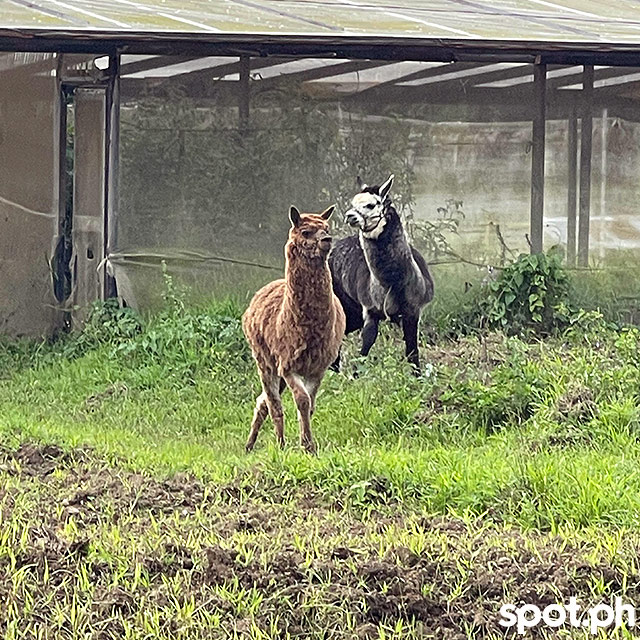
If you have an extra day or two, you can go farther afield from Dapitan or Dipolog to the municipality of Sergio Osmeña Sr. Nestled 1,000 feet above the quiet town is SFJ Organica, an organic farm that’s also one of the Zamboanga Peninsula’s most popular glamping spots.
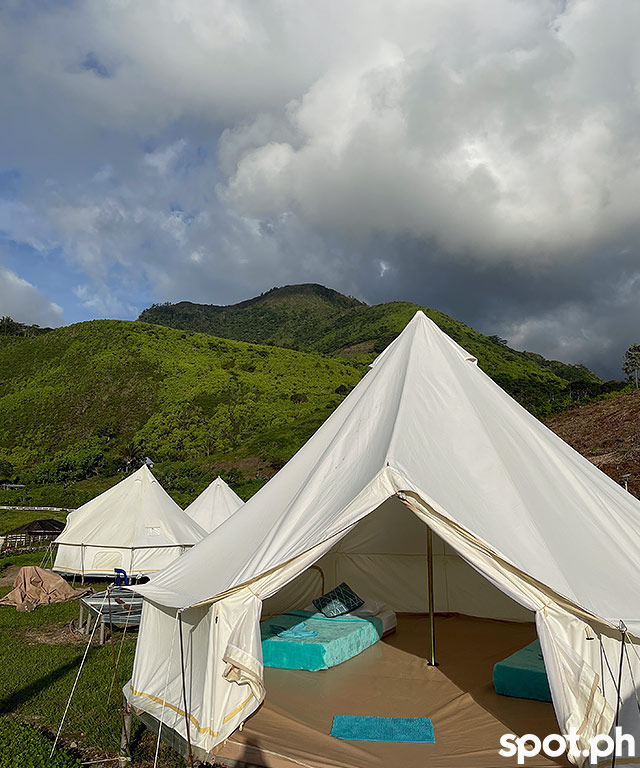
The 12-hectare property currently has six tents, four container vans/rooms, and a manor, which serves as a common area for guests. It’s one of the first farms to produce organic products in Zamboanga del Norte, regularly growing lettuce, tomatoes, and other produce that are sold in nearby areas. They also have horses and an adorable alpaca couple named Oreo and Hash Brown who roam around the property freely.
SFJ Organica is in Bagong Baguio, Sergio Osmeña Sr., Zamboanga del Norte. Glamping rates start at P750.
Dapitan and Dipolog are a part of the Department of Tourism Region IX’s L4D: Laag Na! Dali sa Dipolog, Dapit sa Dapitan Caravan Program, which aims to boost tourism in Zamboanga del Norte.