
10 Best Diving Spots in Cebu, Bohol, and Other Islands in the Visayas
Whether you're a freediver or a scuba diver, there's something for you.
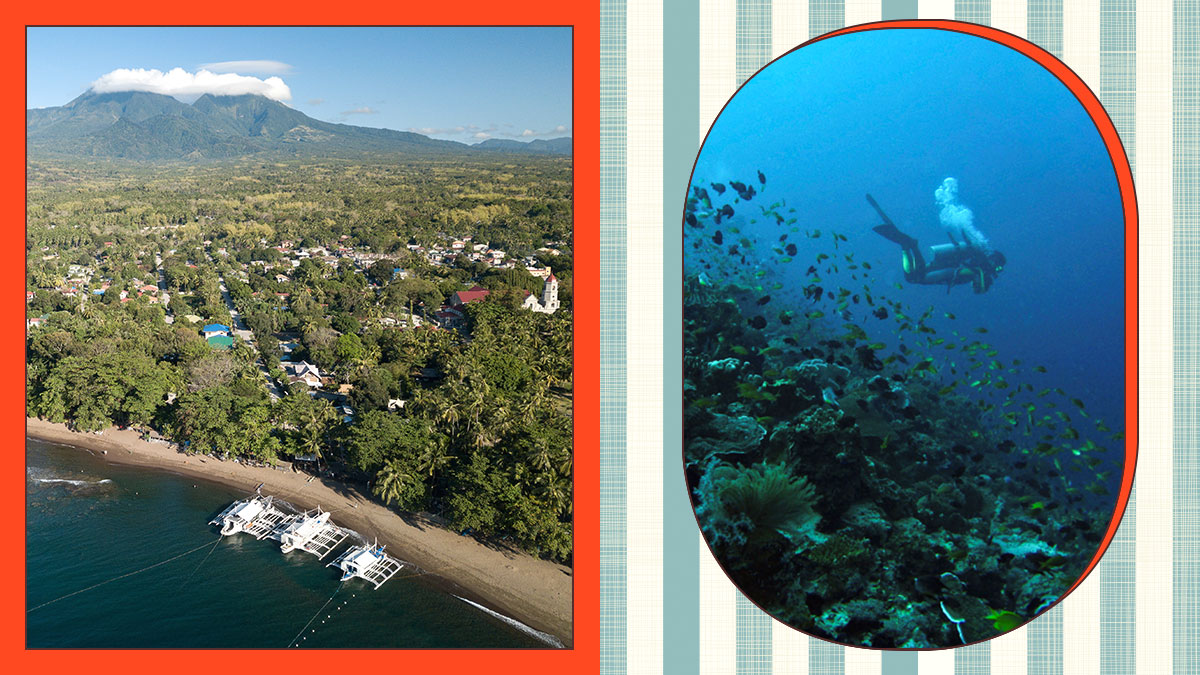
(SPOT.ph) There is something about feeling so much closer to Earth when you’re fully immersed in water, surrounded by creatures you never knew existed. Coupled with the calm silence that only the underwater can bring, diving can be your next favorite activity.
It's also a huge plus that the Philippines—the "World’s Best Diving Destination," according to the World Travel Awards—is home to pristine coral reefs, lush coral gardens, huge schools of fish, rare critters, manta rays, and even whale sharks. And among the three regions, the Visayas is the best spot to dive because it’s located right smack in the middle of the archipelago where the current isn’t as strong as those shore towns facing the West Philippine Sea and the Pacific Ocean. Snorkelers, skindivers, freedivers, and scuba divers will never run out of places to discover in these parts of the Philippines.
Also read:
10 World-Class Dive Spots in the Visayas You Shouldn’t Miss
10 Places for Snorkeling in the Philippines
Here are some of the best diving spots in Cebu, Negros, Bohol, and other islands in the Visayas:
Panagsama Beach (Moalboal, Cebu)
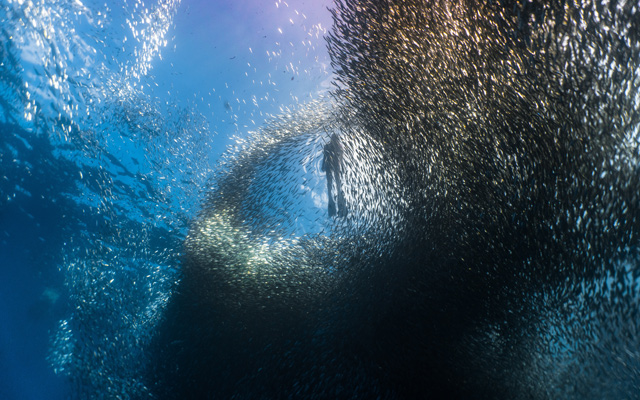
If you’re down for a scenic car ride, but not so much for a boat ride, Panagsama Beach is the best way to see a sardine run without getting seasick. The schools swim just near the reef-wall drop-off, about 20 meters from the shore. If you’re lucky, you might even be able to swim with a pawikan during your dive.
While diving and snorkeling in Moalboal are welcome all year round, the months from November to May provide the best visibility and weather condition, especially if you want to catch the famous sardine run.
How to get there: There are direct flights from Manila to Mactan-Cebu International Airport. From Cebu City, take a bus to Moalboal, then take a tricycle to Panagsama Beach.
Dauin Marine Sanctuary (Dauin, Negros Oriental)
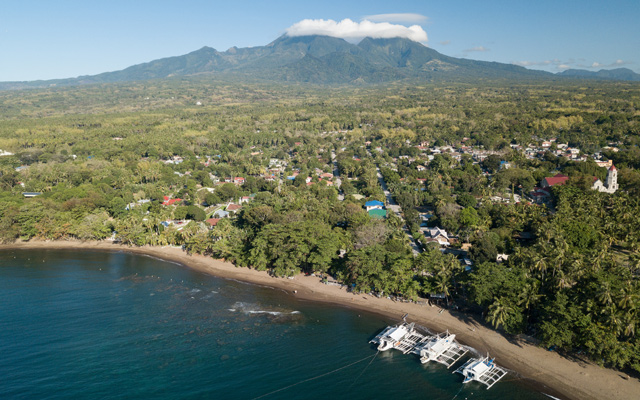
Diving can be intimidating because of the required depth that you have to dive, but that's not always the case, especially in Dauin. Just a stone’s throw away from the shore, the Dauin Marine Sanctuary gives you easy access to a rich biodiversity of corals, colorful fishes, and even turtles from Apo Island. The coast is lined with diving resorts like Silver Reef, where you can get a crash course on scuba diving, spend the night for an early dive, and rent out diving gear. Just a fair warning that it can get crowded on Sundays.
How to get there: There are direct flights from Manila to Dumaguete. From Dumaguete City, you can take a bus, tricycle, or jeepney (or easy ride, as they like to call it in Dumaguete) to the Dauin Public Market. From the market, walk to the public beach.
Punta Ballo (Sipalay, Negros Occidental)
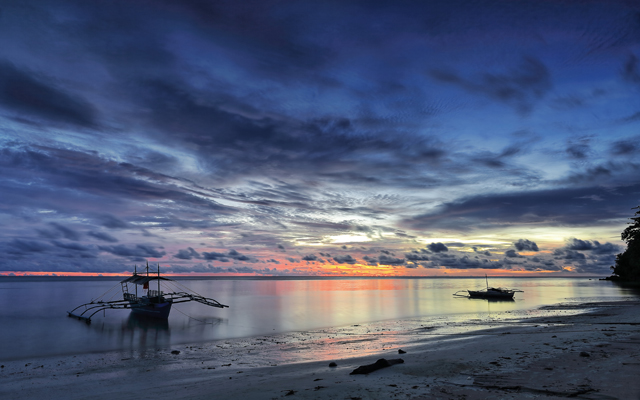
Right next to Campomanes Bay, Punta Ballo Beach is the main jump-off point to shipwrecks and a gigantic coral garden. One of the interesting dive spots accessible through Punta Ballo Beach is the Coca-Cola shipwreck, which is home to a sunken freighter carrying soft drink bottles dating over 25 years ago. Another interesting find from Punta Ballo is the SS Panay, an exciting wreck from World War II just 33 meters from the surface.
How to get there: There are direct flights from Manila to either Bacolod City or Dumaguete City. From there, you can take a bus to Sipalay, then take a tricycle to your chosen resort along Punta Ballo Beach.
Pacijan Island (Camotes Islands, Cebu)
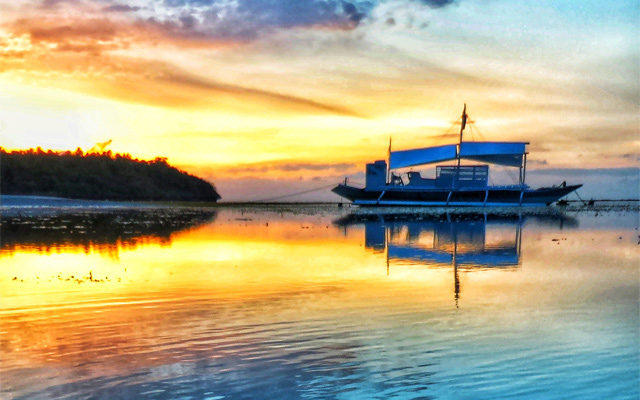
Camotes is a group of three main islands, specifically Pacijan (Municipality of San Francisco), Poro (divided into the municipalities of Poro and Tudela), and Ponson (Municipality of Pilar). There are over 20 dive sites to choose from, most of which are located off the coast of Pacijan Island.
The Camotes Islands are mostly known for their wall diving. If you dive to explore untouched marine biodiversity, be prepared to be in awe at the colors of the beautiful walls covered in sponges, colorful soft and hard corals, billowing sea fans, crinoids, and numerous tropical marine species. If you’re an experienced diver looking for something more technical, you can check out the MV Boholana Princess at 55 meters that sank in 1990.
How to get there: Take a bus from SM City Cebu to Danao City. From Danao, take a ferry to Consuelo, Camotes.
Also read:
The SPOT.ph Guide to Island-Hopping in Cebu
10 Stays in Cebu for Your Next Beach Getaway
Tulapus Marine Sanctuary (Larena, Siquijor)
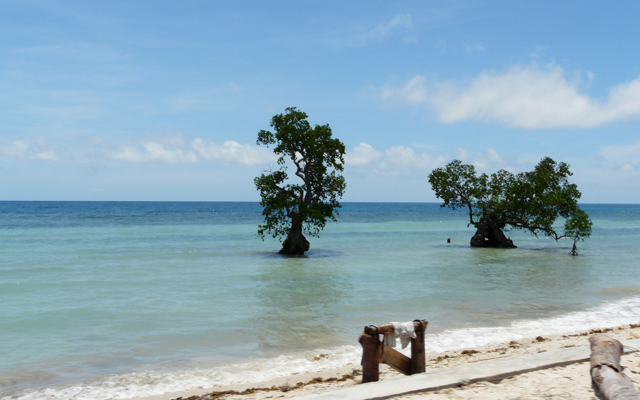
Located on the northern tip of Siquijor Island, Tulapas is a marine protected area for jackfishes, schools of barracudas, sea turtles, giant clams, and sometimes blacktip reef sharks. It is also the oldest and largest marine sanctuary in Siquijor with a maximum depth of 22 meters.
How to get there: There are direct flights from Manila to Dumaguete, where you can take a ferry to Siquijor.
Balicasag Island (Panglao, Bohol)
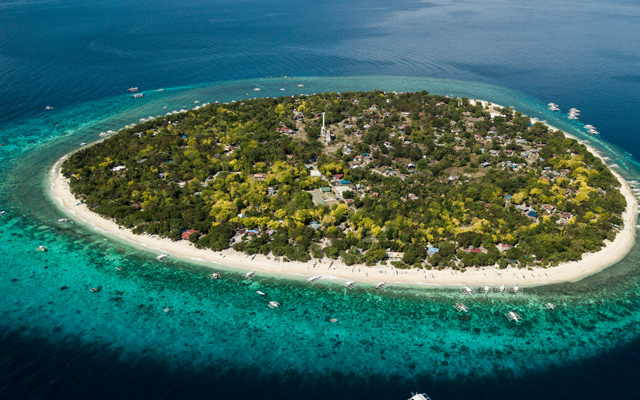
Balicasag Island is just 30 minutes by boat from Panglao Island. It is one of Panglao's many dive sites that underwater photographers flock to because of three reasons. First, it features the Black Forest dive site where black corals are abundant. Second, it has the Cathedral Wall dive site, which has a cave-like formation. And third, it is the home of many sea turtles. Because of the island's popularity, the local government is controlling entry to the island so be sure to schedule a trip beforehand.
How to get there: You can fly direct to Bohol through the Bohol-Panglao International Airport. From the port, take a tricycle to Dao bus terminal and onboard a Southern Star bus bound for Alona Beach in Panglao.
Secret Place (Anda, Bohol)
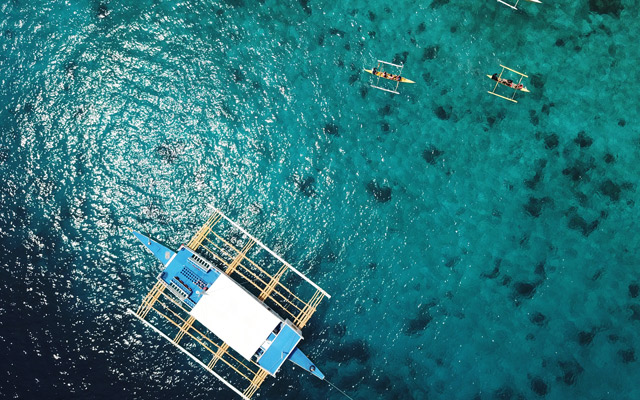
Located in the eastern tip of Bohol, Secret Place in Anda is best known for its muck diving where you get up close and personal with all the critters on the seabed instead of observing them from a distance. Anda is one of the lesser-known dive spots on this list but the underwater views do not disappoint. Almost 500 species of coral and over 1,000 species of fish were registered in Anda. If you’re lucky, you might even explore alongside a turtle or a whale shark. Be sure to check out Anda during its best season, December to June.
How to get there: Take a tricycle to the Tagbilaran Integrated Bus Terminal, then take the bus to Anda, Bohol.
Kontiki House Reef (Mactan Island, Cebu)
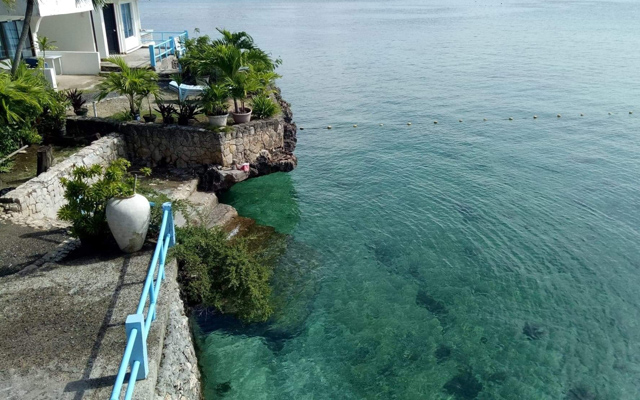
If you’re looking for something close to Cebu City, Kontiki Marina Resort is located along the string of resorts in Maribago, Mactan. They have freedivers coming in every weekend to train in equalizing techniques and line diving. Starting at only eight meters, the Kontiki House Reef is covered with sea grass and different colonies of colorful corals. The steep slope also has an artificial reef, which is a big piece of metal sunk in the '90s, and now filled with life and completely covered with hard and soft corals. This site is also famous for night dives.
How to get there: From Cebu City, take a taxi to Kontiki Marina Resort.
Napantao Marine Sanctuary (San Francisco, Southern Leyte)
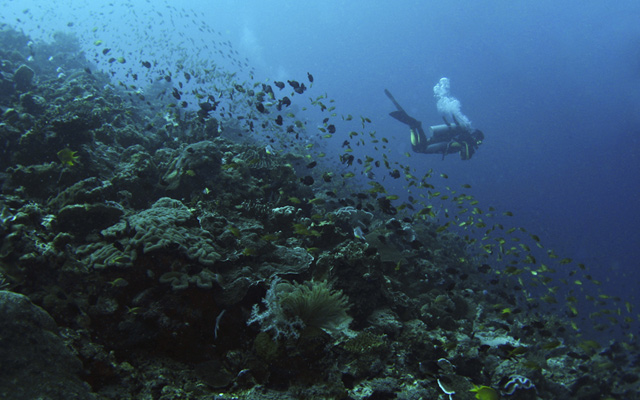
Napantao Marine Sanctuary is a marine protected area that is located at the southern end of Leyte. Since 2002, this underwater paradise was protected and studied by the Coral Cay Conservation until recently when they had to pull out their operations in the Philippines due to the pandemic. The coral reef of Napantao can go as deep as 50 meters and is decorated with giant sea fans (Gorgonia). Napantao boasts over twice the amount of hard coral cover than the Philippines' average. The best time to go diving at Napantao Marine Sanctuary is during the dry season (March to May) since visibility underwater is good during sunny days.
How to get there: You can take a ferry to Maasin, Southern Leyte either from Cebu or Bohol. Then, you can arrange for a motorized banca to get to Napantao Marine Sanctuary.
Adrian’s Cove (Limasawa, Leyte)
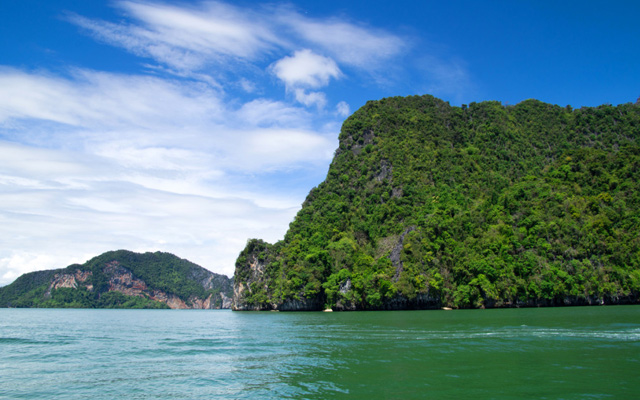
Limasawa is not only rich in history for being the island where the first Easter mass was celebrated in the country back in 1521, but is also rich in marine biodiversity that can go up to 50 meters in depth. In Adrian’s Cove, divers can witness several types of nudibranchs, Pacific oysters, crabs, moray eels, possibly octopi, and wrasses. There are even occasional sightings of hammerhead sharks and whale sharks. Limasawa is great to dive in all year round but crossing can get choppy during amihan from November to March.
How to get there: You can fly direct to Tacloban, Leyte. From there, ride a bus to Sogod Bay, then ride another van or bus to Padre Burgos. Ride a pump boat to Limasawa Island.
Also read:
10 Heritage Churches for a Pilgrimage Across the Visayas
10 Things You Can Do in Leyte Other Than Cross the San Juanico Bridge