
10 Exciting Things to Do in Batanes
From braving the waters aboard a faluwa and trying out their local dishes.

(SPOT.ph) Batanes in the northernmost part of the Philippines is a bucket-list destination, whether you’re a local traveler or a foreigner. It is considered a protected landscape and seascape and is overall an ancestral domain, which means to say that its environmental and cultural heritage are mostly well preserved because of laws in place. This makes Batanes Group of Islands an ideal getaway spot if you’re looking for a one-of-a-kind experience.
Also read:
10 Exciting Things to Do in Ilocos Norte
10 Things You Can Do in Vigan Other Than Taking a Stroll Along Calle Crisologo
Here’s what you need to know about the Batanes Group of Islands:
Of Batanes’ 10 islands, three are inhabited: Batan (where Basco is located). Sabtang (a half-hour boat ride away from Batan Island), and Itbayat (the northernmost, accessible via a three-hour boat ride when the seas are calm).
You could visit Batanes most months of the year, though it is on the regular path of typhoons, so the chances of having your flights push through as scheduled are more likely during the summer months. However, some would argue that the unpredictability of the weather and the risk of being stranded are exciting, too.
Ivatans are very sincere and kind people and the crime rate is extremely low while the literacy rate is above 97% of the population. Don’t be shy to wave back or respond when strangers greet you on the street. They can also be very helpful, should you need advice or directions.
If you like to linger and bask in activities outdoors—even just sitting still—then you won’t run out of ways to appreciate the wide open spaces and gasp-inducing sites of this province.
Make sure to pack a solid pair of shoes because the pasture lands are very stable; you may want to tackle some rocky terrain. Also, make sure to always have a guide with you, especially when you are navigating the different natural wonders of this beautiful province.
Check out this list of Batanes tourist spots and things to do:
Take the faluwa to Sabtang or Itbayat island
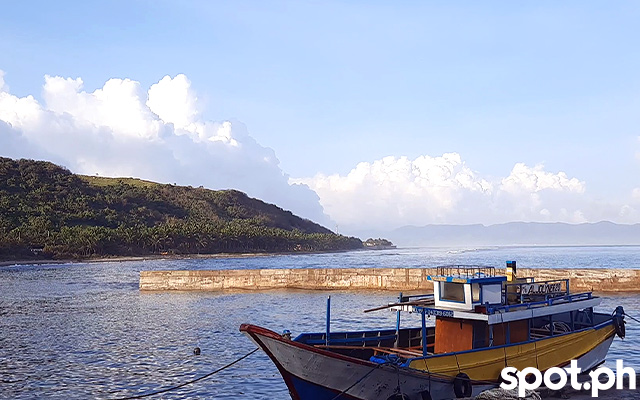
Locals and tourists alike take the traditional boat (faluwa) to cross the open seas to either Sabtang or Itbayat. The colorful boats and the people that you’ll meet on them are an adventure in itself, add to that the excitement as you ride out the waves.
Boats to Sabtang depart from the Ivana port in Batan between 6 a.m. and 7 a.m. daily. The trip takes 30 to 45 minutes, depending on how rough the waters are. The boats return to Ivana between 12 p.m. and 1 p.m. Alternatively, boats to Itbayat leave between 6 a.m. and 9 a.m. from the port of Basco. They return between 11 a.m. and 2 p.m. The boat ride can take anywhere between 2.5 and 3.5 hours. However, since both trips travel the open seas, trips are dependent on weather forecasts.
Spend the night in Sabtang
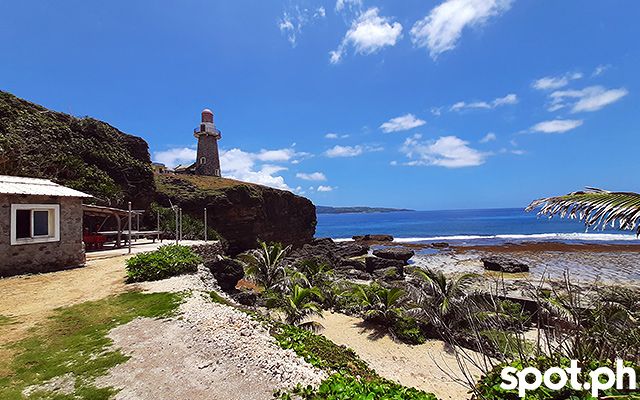
Sabtang Island has different flora and weather from the adjacent Batan Island. It’s abundant in Philippine date palm, which also grows in Batan, only less. If you happen to be in Sabtang in the summer, go ahead and try these tiny fruits that have a rich flavor akin to dates.
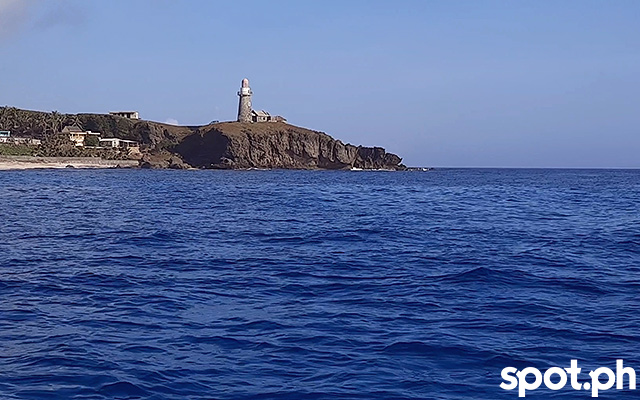
Many tour groups offer a one-day trip to Sabtang, but the downside is that you have to rush through many of the attractions—and we mean a lot. If you have time, you could enjoy exploring the traditional villages and hills and coves at a leisurely pace by signing up for an overnight stay. Choose between a tent and a homestay right beside the Sabtang Lighthouse, where you can sleep under a blanket of stars.
Marvel at the panoramic vistas
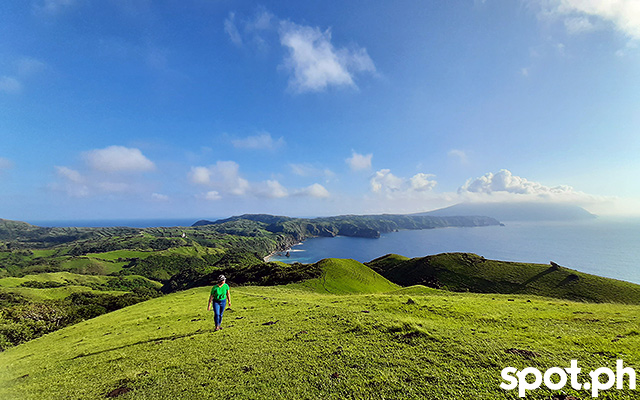
There are several places on Batan and Sabtang Islands that boast 360-degree views of undulating green hills and deep blue waters beyond. In Batan, the Vayang Rolling Hills is where you can find farms side by side with grazing lands, while Rakuh a Payaman is where you can take selfies with many cows in the background (and the crashing waves of the Pacific Ocean further on). At the Chawa View Deck, you can chill at colorful benches painted by Ivatan artists depicting some scenes from everyday life. More than a hundred steps down will take you to a tidal pool, which is already part of the West Philippine Sea. In Uyugan, you can see the dramatic Alapad Rock Formation that was the backdrop for a scene of the 1991 Filipino movie Hihintayin Kita sa Langit, starring Dawn Zulueta and Richard Gomez.
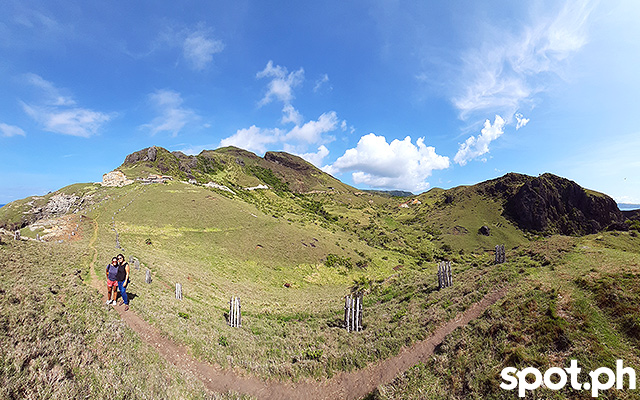
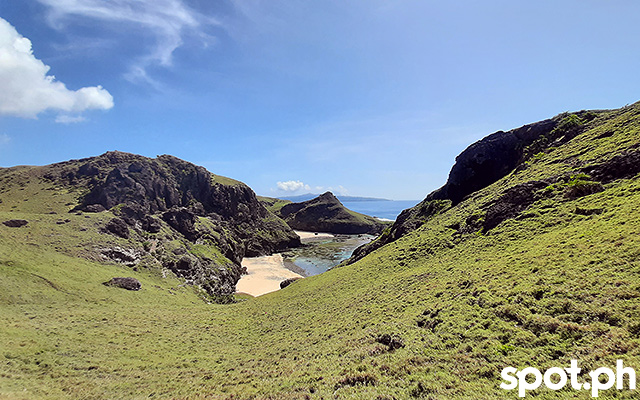
On Sabtang Island, huts of snacks and souvenirs belie the expansive Tinyan Viewpoint punctuated by glimpses of Chamantad Cove with its white sand and deep blue waters. Whether you explore them close to sunrise or sunset or at midday, you’ll have very unique photos and videos to share with family and friends.
Catch the sunrise in Valugan Boulder Beach
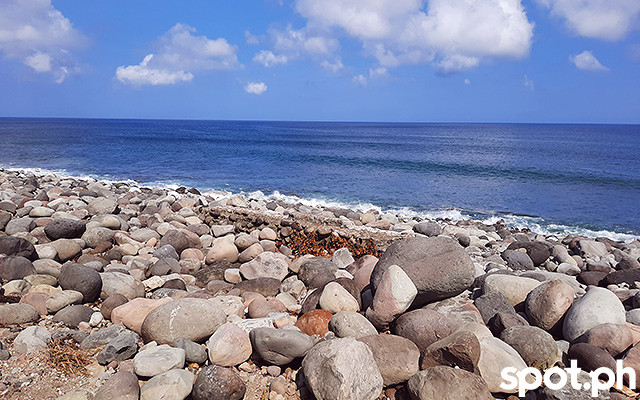
Locally called Chanpan, Valugan Boulder Beach has about three kilometers of big boulders stacked on top of each other. These came from Mt. Iraya, a dormant stratovolcano that last erupted in 1454. The boulders were then smoothed out by the strong ocean waves over time. If you visit between March and May, you may see fisherfolks taking their catch of the season. Reserve some time to take many Insta-worthy photos here.
Trek Mt. Iraya
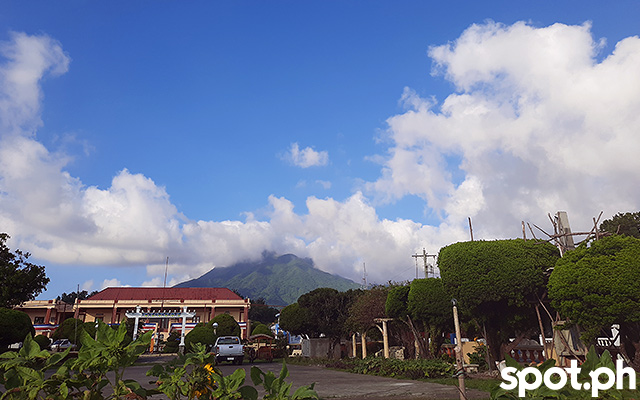
At more than 1,000 meters above sea level, the dormant volcano towers over Batan Island, with a ring of clouds almost always covering the top. Traversing it is an almost full-day affair and you need a mountain-trekking permit as well as a guide to do so.
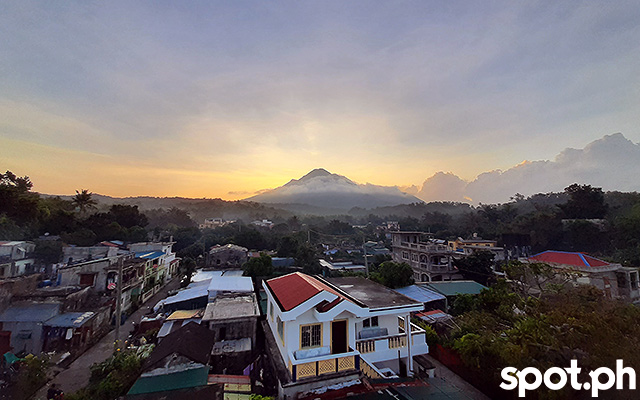
You need to start early, just as the sun rises from the jump-off point located near the Basco Airport. You’ll have to go through some rocky and muddy and slippery trails but you’ll be rewarded with views of the Pacific Ocean, Itbayat Island, Sabtang Island, and the West Philippine Sea from the summit.
Bisumi Tours and Services offers tour packages in Batanes.
Also read:
10 Exciting Things to Do in Roxas City, Capiz
10 Exciting Things to Do in Iloilo
Go scuba diving in Batanes’ many marine sanctuaries
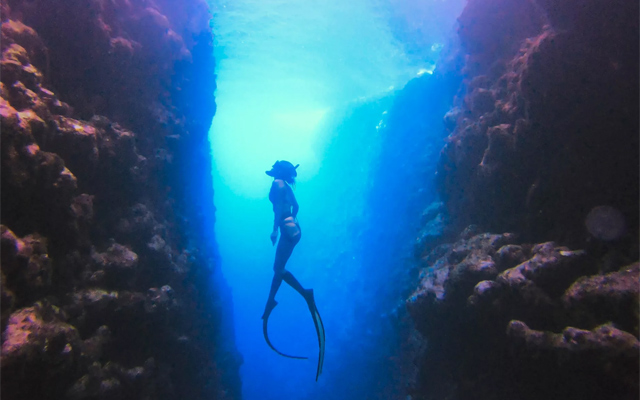
On Batan Island, there are several marine sanctuaries that are well-maintained and where rules are strictly enforced. Whether you are just an enthusiast or a certified diver, you’ll enjoy the teeming underwater life. If you don’t have snorkels, you can book a tour with Dive Batanes or get certified in scuba diving through their PADI-accredited dive resort.
Dive Batanes is at 72 Chajajas Street, Basco, Batanes.
Explore the northernmost frontier
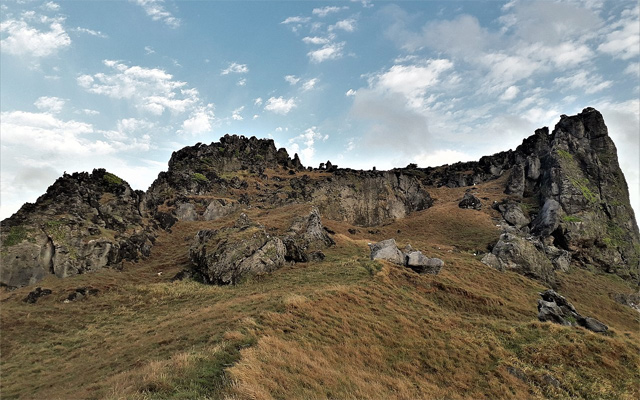
The landscape of Itbayat is also distinct from Batan and Sabtang. It is a giant coral reef and is the largest island in Batanes. You can find a base at a homestay at Mayan Centro (town center), then find a guide who can help you make the most of your stay and explore safely.
You can go hiking to the island’s highest point, Mt. Karoboban, which is about 250 meters above sea level. From the top, you can see the four smaller islands around it. You can also explore the historical Torongan Hills and Cave, which is said to be the first settlement of the Austronesians who arrived here from Taiwan. Look out for stalactites and a jagged hole that is like a window to the sea. Rapang Cliffs are also worth the full-day climb for its rocky cliffs and forests.
After a swim in the small lagoon, you can wind down the day with a sunset view at Paganaman Port.
Explore Dipnaysupuan Japanese Tunnel
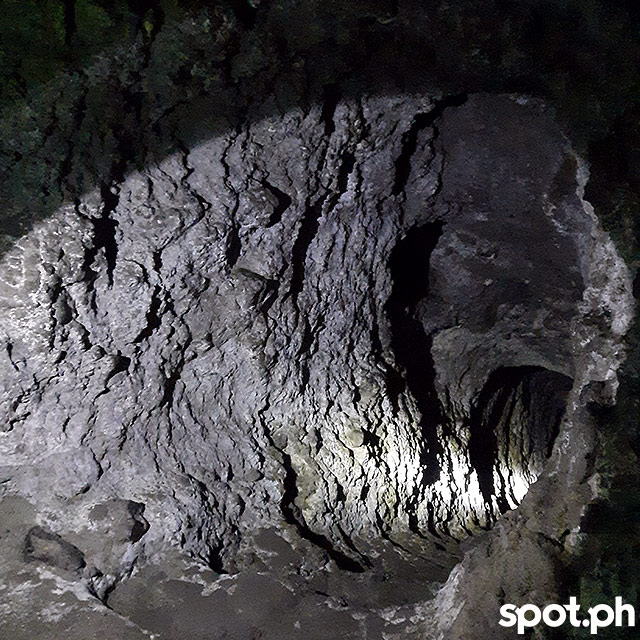
One of the vestiges of World War II is this tunnel system that the locals dug within the hills of Tukon under orders from Japanese forces in the early 1960s. It features a network of chambers, a bunker, and spacious tunnels. Just make sure that you always have a guide to help you navigate.
Chill on Morong Beach, Sabtang
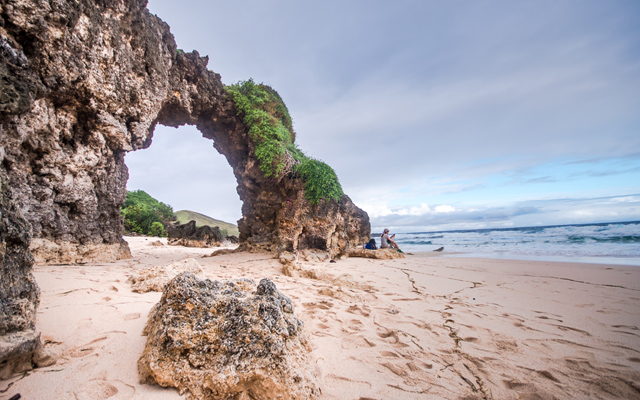
Take some awe-inspiring photos at the Nakabuang Arch, which is undeniably a Batanes icon. The white-sand beach and gentle waves are so inviting, you’ll be forgiven for wanting to linger for more than a quick dip. This is usually a stop on the day tour of Sabtang to chill, but if you were to stay for the night, you could stay and enjoy the softly lapping waves a little longer.
Try the local cuisine
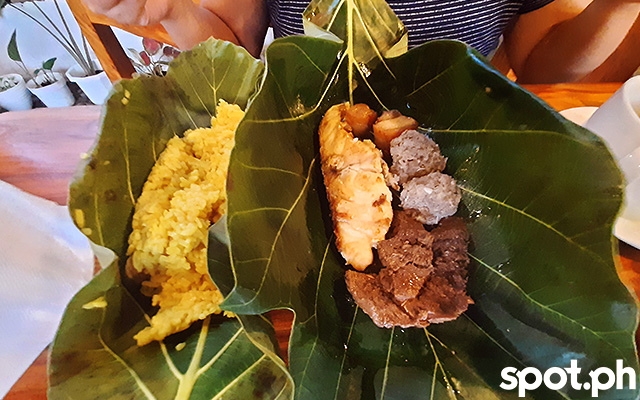
The unique topography of Batanes means that they equally unique dishes. Taste some fresh bounty from the sea like payi (lobster), uni (sea urchin), lapu-lapu, and squid. During the summer, fisherfolks catch plenty of dibang (flying fish) and arayu (dorado/mahi-mahi). The abundance of fresh fish means that their local ceviche (lataven) is even more delectable, with a marinade of vinegar, calamansi, ginger, onions, and salt.
Root crops grow in abundance here and are a staple, so try them boiled or fried: wakay (sweet potato), dukay and uvi (yam), and sudi (taro).
Try the vunong, which is a traditional food that people pack in breadfruit leaves to bring to gatherings and share with their neighbors. It has two packets: one for the turmeric-infused rice and the other, for all the proteins. The protein packet is composed of uved (balls of minced pork, flying fish, and banana trunk), lunis (pork cooked with salt in lard), fried fish—usually mackerel or mahi-mahi, and bistek. This dish is offered at Vunong at Jessica’s Place, which also has a filling set meal of fiddlehead fern salad, beef soup, vunong, and maruya (banana fritters) that you can enjoy in a cozy garden setting.
Vunong at Jessica’s Place is along Taytay Street, Basco, Batanes.
How to get to Batanes:
Philippine Airlines flies non-stop from Manila to Basco daily at 6 a.m.
Also read:
10 Exciting Things to Do in Zamboanga del Norte
10 Exciting Things to Do in Isabela de Basilan in Mindanao