
What to Wear in Korea Depending on the Season
Stay comfy while keeping it stylish.
(SPOT.ph) Quick, name one K-drama and K-pop group!
The Philippines has been riding the Hallyu wave since the early 2000s (remember Endless Love: Autumn in My Heart?), with the support for everything South Korea continuously growing.
In fact, the country is now a top global tourist destination for its history, culture, and food, with experts projecting the travel and tourism market’s revenue to reach U.S. $14,460 million in 2024.
One particular market many Filipinos are familiar with is Korean fashion. Since the start of the Hallyu wave, those wanting to be trendy would emulate the dressing styles of Koreanovela stars. Today’s biggest commerce sites even have a section exclusively for it!
South Korea has a diverse fashion landscape for its four seasons, each with its weather types and trends. If you’re preparing to travel to the country and have your visa ready, it’s best to sweep through your wardrobe to plan what you’ll wear.
For suitable, stylish, and comfortable outfits for each season, read on and check out the different tips on what to wear to Korea!
Also Read:
10 Must-Visit Shopping Stores in South Korea
South Korea Now Has Three Visa-Free Destinations
The Girls' Guide to Seoul, South Korea
10 Shopping Hotspots in Seoul You Have to Visit on Your Next Trip
10 Under-the-Radar Destinations in South Korea Outside of Seoul
What to Wear in Korea in Winter (December to February)
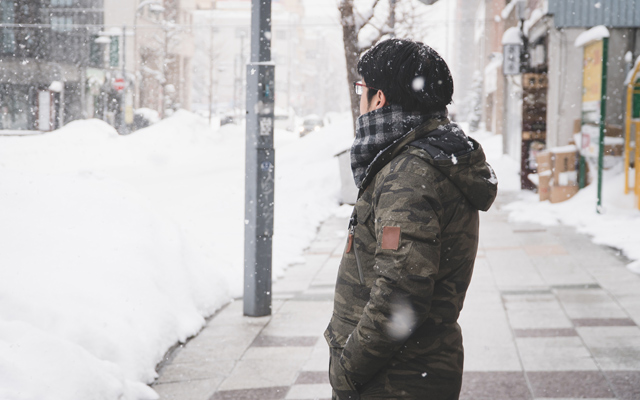
Winter in Korea spans from December to February and is characterized by cold temperatures, snowfall, and chilly winds. Unlike the Philippines, whose lowest temperatures reach 25.5°C, the average temperatures in SK range from 10°C to -10 °C or lower. This means without proper attire, you’ll freeze your socks off!
Snowfall is sporadic and unpredictable, so you may see snowflakes for a day or continuously for a week. The average depth of snow you can expect to walk in is around 3.1 inches.
That said, what do you need to wear during winter in Korea from December to February? Here are the things you need in your travel pack.
Thermal layers
Combat the cold by wearing thermal underwear, leggings, or t-shirts. These items effectively retain body heat and manage moisture so you stay warm and comfortable. Koreans like to dress with style, so make sure these first layers don’t add too much bulk and suit your figure.
Warm and cozy clothes
Sweaters, cardigans, or hoodies with fancy prints, exciting patterns, or dark colors can be stylish and warm. These cozy clothes provide insulation and add a trendy touch for various occasions. Wear wool socks also to keep your feet toasty!
Thick and waterproof clothes
Shield yourself from the biting winds and occasional rain with thick, waterproof outerwear. Look for quality coats, jackets, or parkas to trap more warmth. Thick outerwear is in during the winter, as evidenced by all the K-dramas that feature them when the season rolls around.
Snug and soft accessories
Complete your winter ensemble with snug and soft travel accessories. Wrap in scarves, don warm gloves, and top it off with a beanie or hat. Insulated boots with good grip can also help you avoid nasty falls while walking on icy sidewalks.
What to Wear in Korea in Spring (March to May)
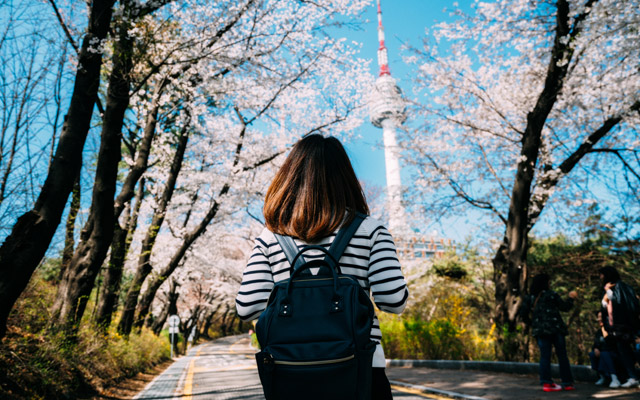
Once the snow melts, spring arrives in full bloom! Although the chill is making its exit and the days are growing warmer, nights are still cold and can drop to as low as 5°C.
Korea holds many festivals dedicated to flowers in this season, such as the Gwangyang Maehwa Festival and the Jinhae Cherry Blossom Festival. When traveling to the country in spring, pack masks or antihistamines to combat allergies triggered by pollen and other blooming plants.
To get ready for this season, here’s what to wear to Korea from March all the way to May.
Light and breathable clothes
Denim jackets, trench coats, cardigans, or sneakers make for a classy and comfortable spring wardrobe, as these items are well suited for coping with the mild weather. You can layer them on top of existing outfits to express your personal style.
Opt for materials like cotton and linen. The fabrics breathe to keep you cool and feel comfortable to wear.
Layers you can add or remove
The spring weather can still be unpredictable, so pack some clothes that give you flexibility. T-shirts, blouses, or dresses paired with outerwear let you adjust your outfit to match the spring mood and atmosphere.
For the ladies, Korea is still a somewhat conservative society, so don't wear clothes that show a good amount of skin.
Colorful and patterned clothes and accessories
Add variety and interest to your spring outfit with colorful and patterned pieces. Ready scarves, earrings, necklaces, or belts to enhance your overall look. Although they may seem a little too on the nose, floral and pastel hues go nicely with the blooming season and inject vibrancy into your attire.
What to Wear in Korea in Summer (June to August)
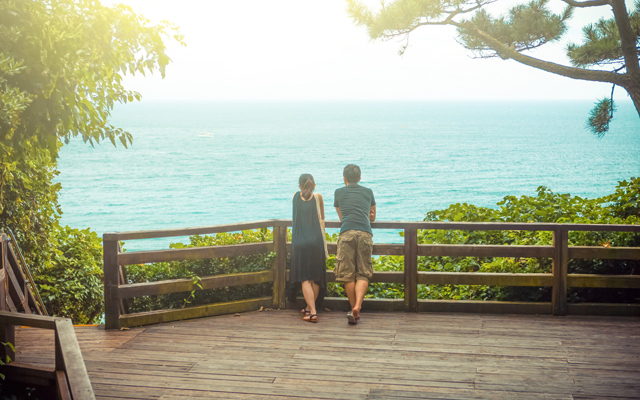
Summer has the hottest and wettest months of the year in the country. The rainy season starts around June and usually lasts till July. Expect high humidity, with temperatures reaching up to 25.7°C, not far from the highest average heat in the Philippines at around 28.3°C.
So, should you wear beachwear or slip on your raincoats? If you’re visiting the big cities, these clothes are what you need to wear in Seoul from June to August.
Lightweight and quick-drying clothes
Lightweight and quick-drying garments like shorts, t-shirts, or dresses prevent you from passing out under the hot burning sun. Look for clothes made from moisture-wicking blends or cotton, as they keep everything breezy.
Loose and airy clothes
If your vacation plans include a lot of physical activity, throw in some linen shirts, cotton skirts, or sandals. Not only do they allow your skin to breathe, but they also help prevent discomfort caused by excessive sweating and chafing. Sticky and sweaty feelings begone!
Bright and cheerful clothes and accessories
There’s nothing like embracing the vibrancy of summer by adding pops of color to your ensemble. Accessories such as hats, scarves, earrings, or bags in lively colors and patterns go well with the season's energetic vibe. Also, remember to pack an umbrella—you never know when it might rain!
What to Wear in Korea in Autumn (September to November)
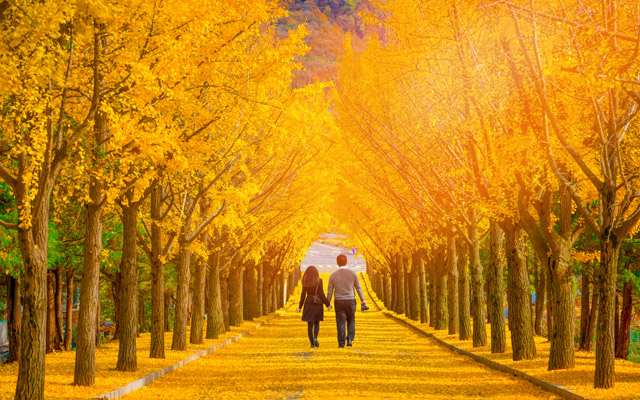
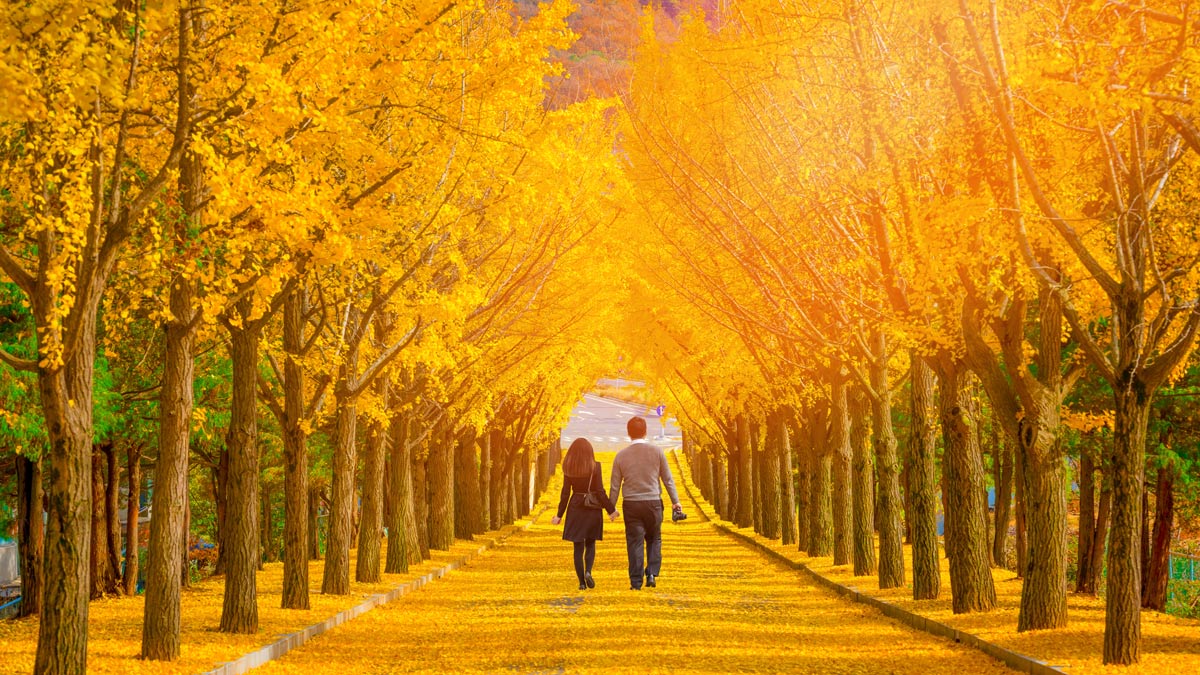
From the scorching summer months, days get cooler again come autumn. Winter is coming, but first, you get to enjoy one of the loveliest seasons of the year. Just imagine how aesthetic you’ll look walking through the gently falling red and gold leaves.
While winds are mild and the skies are clear, the temperature differences between day and night might come as a shock—20°C to 25°C for the daytime and 10°C to 15°C for the evenings.
If you want to look like a K-drama star, consider these clothing staples when traveling from September to November.
Warm and cozy clothes
While it’s not snowing just yet, the autumn season does get a little bit chilly, so it’s time to turn to sweaters, cardigans, and hoodies again. You can stay snug, warm, and chic without putting on a heavy coat or parka.
Layers you can add or remove
Since the temperature fluctuates, versatile layers allow you to adapt to the changing scenery. Incorporate jeans, chinos, or skirts paired with different tops or jackets for a flexible wardrobe you can mix and match depending on your style.
Neutral and earthy clothes and accessories
While spring and summer are all about vibrant colors, autumn is the season for being more grounded and chill. It’s the time for subtle sophistication.
Show your connection to nature by wearing clothes and accessories with neutral or earthy hues. These tones work great for jackets, scarves, earrings, and belts that give you the ultimate boy- or girl-next-door vibe.
Packing Tips for All Four Seasons
A trip to South Korea means considering the season you’ll be finding yourself in. Unlike in the Philippines, where people only experience wet and dry months, you will need to consider what clothes to throw in your luggage.
Here are some packing tips you can use for each season.
Suitcase selection
- Winter: Get a large suitcase or backpack to accommodate your bulkier winter gear so you have sufficient space and weight allowance for all your other essentials.
- Spring: Since your clothes aren’t as bulky, a medium-sized suitcase or backpack should do the trick.
- Summer: Use a small suitcase or backpack since you’ll be packing the lightest clothes.
- Autumn: It’s not winter yet, so you can use luggage of the same size as spring. The moderate space and weight should comfortably accommodate your somewhat bulky fall attire.
Organization techniques
- Winter: Arrange your clothes by how bulky they are and then compress them to prepare them for packing.
- Spring: If you’re mixing and matching outfits, try to organize by color and pattern.
- Summer: Arrange by type and function, such as beach, casual, or formal wear.
- Autumn: Organize your clothes by material and texture, like wool, cotton, or leather. This will make grabbing the proper attire for the weather conditions outside easier.
Packing methods
- Winter: Roll clothes to save space and prevent wrinkles.
- Spring: Fold and place clothes flat to avoid the fabric creasing.
- Summer: Loosely fold clothes so air can circulate properly, preventing odors and mold.
- Autumn: Fold and layer clothes to keep them warm and cozy.
Strategic packing
- Winter: Pack bulky items in a separate suitcase or wear them on the plane to reduce luggage weight and size, especially notable pieces like your coat, hat, and boots.
- Spring: Bring an umbrella, light jacket, or coat, and a hat in case the weather changes.
- Summer: Prepare a swimsuit, towel, and sun hat for beach and pool activities.
- Autumn: There are some strong winds and rainfall, so keep a light jacket or coat, scarf, and gloves handy.
Essentials for every season
- Winter: Bring heat packs or hand warmers to keep your fingers warm. Frostbite is not very stylish.
- Spring: Don’t forget sunscreen and sunglasses!
- Summer: Pack some repellent and aloe vera gel. Hot and humid months are usually the time for insect breeding.
- Autumn: Pack a camera and a tripod to capture the scenic falling leaves (or use it to shoot your own Koreanovela!).
Change adaptability
Given Korea's dynamic weather, you must be flexible in your choices. Pack versatile pieces that can easily overlap between seasons to adjust to the changing climate effortlessly. Being well-prepared for any weather scenario gives you less to worry about and more time to enjoy your trip.
Your Style for All Seasons
Being fashionable for your trip to Korea requires more than just packing up your entire wardrobe. You must master all four seasons—or, at the very least, know what to expect from each!
Korea’s fashion game is as diverse as its changing weather, and your outfits are a way to embrace the country’s unique vibes. Remember to adapt to local culture and keep your clothes respectful. Plus, see what the locals are sporting; there might be a trend you aren’t aware of yet!
What are you waiting for? Stay comfy, keep it stylish, and get ready to experience the beauty Korea has to offer. Safe travels!