

The Changing Seasons: Reflections of a Filipino Graduate Student in Korea
Here's why studying abroad can be a one-of-a-kind experience.

(SPOT.ph) Life in a first-world country has always made me wonder. The Internet somehow gives us a glimpse, but experiencing it firsthand is entirely different. I have traveled to a handful of countries for quick trips, however, when I got to experience living away from home for a long time, I realized that those sojourns, as respite, only contribute to raising one’s cultural awareness. Having weekend trips overseas might be entertaining, and sometimes enlightening, but insufficient to fully understand the culture of a particular society.
In my experience, one has to spend a significant amount of time immersed in a culture to have a profound understanding of it—at least six months to a year. Living in South Korea as a graduate student for more than a year now has allowed me to truly understand their rich history, culture, and people. They continuously impart lessons and evoke reflections applicable to my academic, personal, and professional life. My memories of South Korea can best be summarized and represented by its changing seasons—from autumn, winter, and spring, to summer.
Reflections of a Filipino Graduate Student in South Korea
Autumn: The Modern and Vibrant South Korea
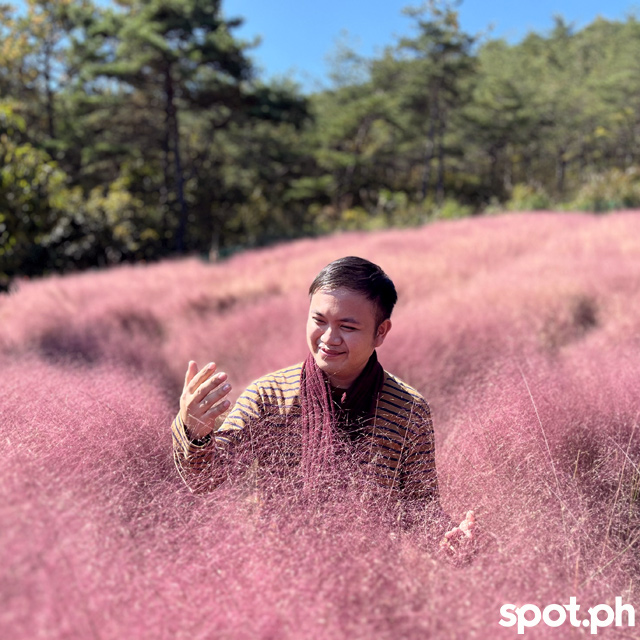
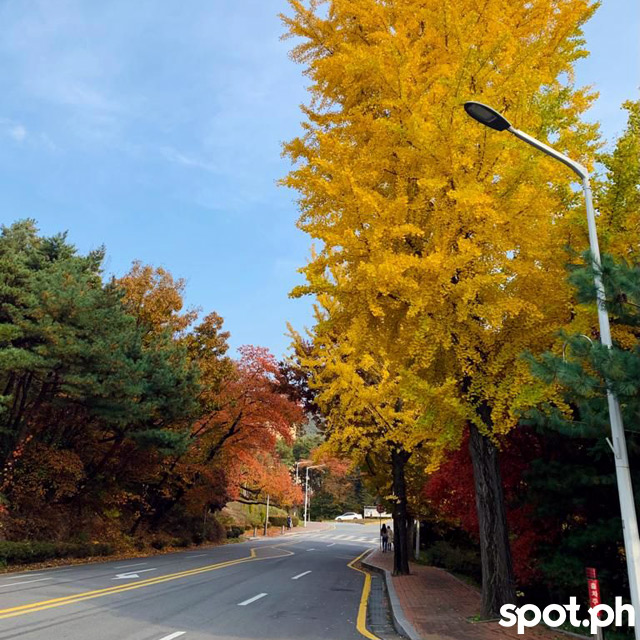
Autumn, which is from September to November, is absolutely my favorite season. Every scenery appears to be magical and picture-perfect. Whenever people ask me when the best season is to explore South Korea, autumn is always my answer.
Undoubtedly, this is the season that creates a lasting impression on anyone who experiences it. There is something about this season that brings feelings of openness, maybe because I started my studies at the Seoul National University during the fall semester, or maybe the autumn foliage simply excites me.
Autumn symbolizes abundance, prosperity, and wealth. South Korea is the fourth largest economy in Asia and 11th in the world Their transition from being a recipient of official development assistance to becoming a significant donor to developing countries is a remarkable feat. The global community has recognized the country’s growth as an exemplary model for economic and social development. This also paved the way for South Korea to become a key player in global affairs, thus, cultivating middle-power diplomacy in its foreign policies and implementing development cooperation, not to mention their continued use of hallyu or the Korean wave (K-pop, K-drama, etc.) as soft power.
As a huge fan of K-drama and K-pop, living in Korea helped me realize that Filipinos can easily adapt or blend in with other cultures. Unlike my colleagues who are not of Asian descent, I did not have to make any major adjustments to acclimate to the Korean culture. Perhaps, Koreaʼs modern and vibrant culture has already influenced the Filipinos’ way of life—in music, fashion, cosmetics, food, and even language. Filipinos have become interested in learning hangeul, the Korean alphabet system. Who in the Philippines is not familiar with "annyeonghaseyo" ("hello") and "oppa" ("older brother")? In 2022, the country landed fourth among countries that tweeted most about K-content, according to Twitter Philippines’ report. Korean culture is, in a way, embedded in Philippine society—as we embrace their trends and culture.
Experiencing autumn is like living in a fairytale. Everything seems to be progressing, colorful, and dreamy. The experience has elated me to look forward to what’s in store for me in the next seasons.
Winter: The Cold and Conservative South Korea
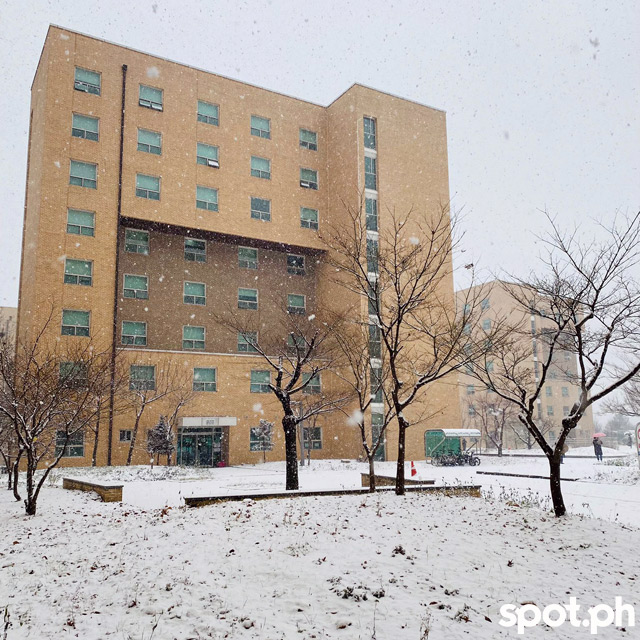
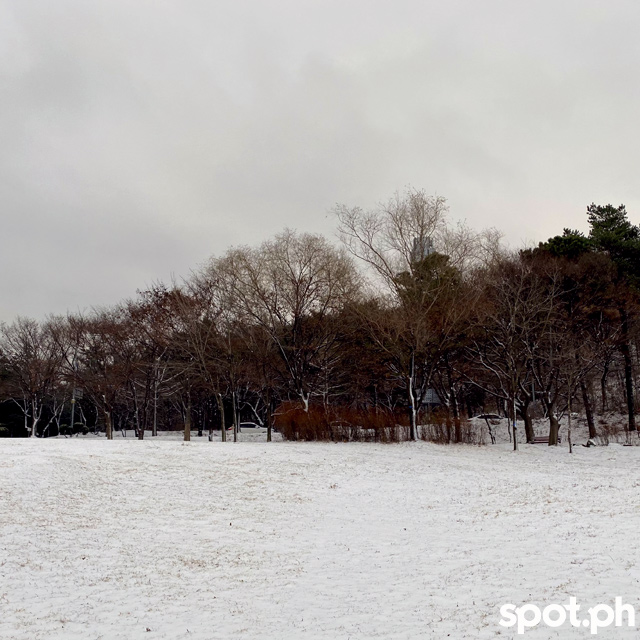
Coming from a country that only has dry and wet seasons, my first snow experience was an unforgettable moment. I will never forget seeing snowflakes greeting my windowpane while attending my online classes. During South Koreaʼs winter season from December to February, I documented every moment of braving the cold and playing in the snow. How I wish the Philippines also has a snowy Christmas.
Winter symbolizes sadness and introspection. My first Christmas in South Korea, away from home, was lonely. Christmas is my favorite holiday and I have always looked forward to celebrating it with my family. Unlike Filipinos, South Koreans are not big on the holiday. Although they are the only East Asian country where Christmas Day is a national holiday, Koreans celebrate it quite differently. They do not travel back to their hometowns and spend time with their families. Instead, they spend it with their significant others—a holiday for couples like Valentine’s Day. The atmosphere on the streets is not as festive as in the Philippines.
The cold season also reminds me of the unexpected sides of Korea. In comparison to what I have seen in most K-drama series of Koreans very warm, I have noticed that they are generally reserved. Although I have not experienced any form of discrimination, some of my African friends experienced otherwise. In 2019, the National Human Rights Commission of Korea, an independent advocacy institution that promotes the protection of human rights, conducted a survey in response to the concerns of the United Nations Committee on the Elimination of Racial Discrimination about the rise of racial discrimination and xenophobia in the country. Results showed that about 45 percent of the respondents said that discrimination based on race exists, and more than 24 percent said that discrimination based on skin color still occurs. Like in many other countries, the issue is prevalent within South Korean society.
Furthermore, the country remains to be conservative. Homosexuality is still a taboo; transgender people and sexual minorities are unrecognized. Advancing gender equality in South Korea is still a gargantuan task as traditional and patriarchal ideologies persist within the society.
Also read:
10 Exciting Things to Do in Gangwon, South Korea
10 Under-the-Radar Destinations in South Korea Outside of Seoul
Spring: The Ppalli-ppalli Culture
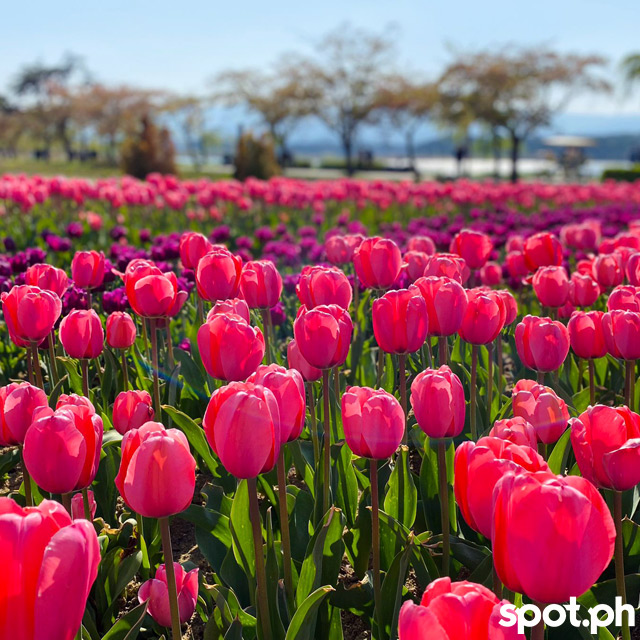
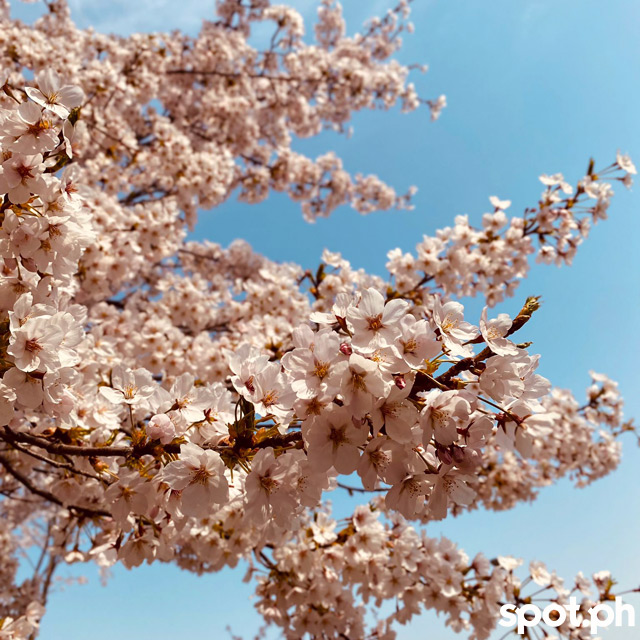
Spring lasts from March until May. This season sparks joy and brings ephemeral beauty as the maehwa or the plum blossoms signal the beginning of spring. The cherry blossom trees, one of the spectacular and captivating sights in South Korean springtime, are always teeming with crowds.
The season is also perfect for traveling to the countryside. I got the chance to visit different provinces in the southern region, and found that the unexplored and underrated wonders in South Korea were the most delightful. The country is bestowed with tranquil scenery and impressive natural beauty that can be conveniently explored, especially by foreigners, because of available and accessible tours. Tourism services are subsidized by the government, hence, tour agencies require little to no fees. During the tours, our guides would always say "ppalli ppalli", which means "quickly" or "hurry up" whenever we need to walk fast.
Like their "ppalli ppalli" culture, what I also like about this country is that almost everything is quick, efficient, and convenient—from fast Internet connection to reliable public transportation. Of the many countries that I visited, I can say that Seoulʼs Metropolitan Subway is one of the most efficient public transportation systems. It is widely known as one of the best in the world. One can easily go from one place to another because every place seems to be well-connected. Through a mobile application, one can check the bus and subway routes complete with directions and schedules of arrivals and departures. A part of me remains hopeful that one day, the Philippines can also have this system of public transportation. Definitely, I will miss the convenience of their public transportation as well as the safety and security of travel.
Spring symbolizes transformation, perseverance, and resilience. During my course of stay in South Korea, I also had the chance to hike Mount Gwanak and Baegundae, the highest peaks of Mount Bukhan, the tallest mountain in Seoul. I was surprised to see that Koreans, especially ajumma or middle-aged women and ahjussi or middle-aged men, enjoy hiking with their full gear on. Geographically, about 70% of Korea’s territory is mountainous. For this reason, it is a popular pastime with about one in three South Koreans going hiking more than once a month. I am still astonished how the older generation, despite their age, still enjoy it. As for me, I see it as a symbol of their strength and resilience. Whenever I see them hiking or even just exercising using the outdoor fitness facilities installed in most parks, I am encouraged to stay fit and have an active lifestyle.
Summer: The Burning Issues
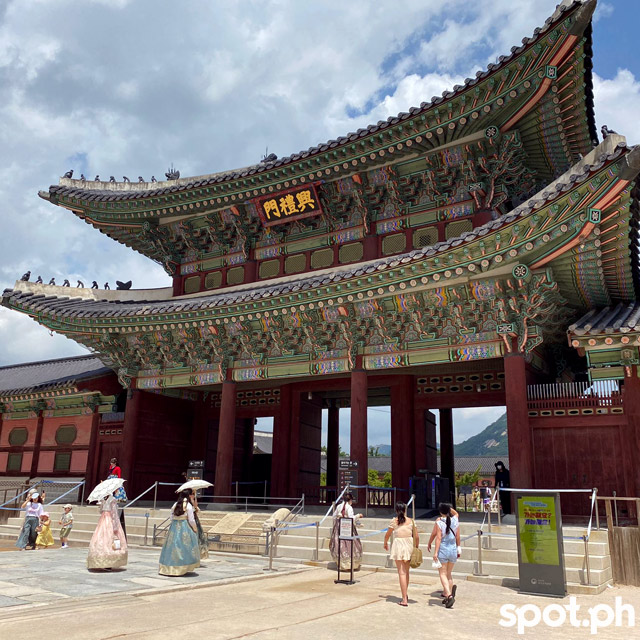
Summer is hot and humid and starts from June until August. If one happens to visit the country during this sultry, at times, rainy weather, indoor activities are highly recommended. The country offers a wide array of indoor tourist attractions and activities such as visiting museums, attending art exhibitions, shopping in the popular Gangnam district, trying gastronomic tours, or even immersing oneself in unique and trendy coffee shops. For instance, a visit to South Korea’s National Museum serves as a great escape from the hot weather and provides a great cultural experience, allowing its visitors into its digital galleries for free.
Hot as the summer season, South Korea has a lot of burning or pressing issues that need to be addressed. Among the most concerning of these is the country's rapidly declining fertility rate, which reached a historic low in 2021. Compounding this problem, South Korea recently experienced a population death cross, where the number of deaths surpassed the number of births for the first time in 2020. South Korea’s population is also aging, the fastest among the member countries of the Organization for Economic Cooperation and Development. This demographic decline is indeed worrisome and if not addressed, it can eventually impact the country’s sustainable development.
Furthermore, gender stratification remains a persistent issue in the country, with women facing significant wage disparities compared to their male counterparts. Statistics from Korea’s Ministry of Gender Equality and Family showed that women earned 31.4 % less than men on average in 2021. In the 2022 World Economic Forum Global Gender Gap report, which measures a country’s efforts in closing gender disparities in politics, economy, health, and education, Korea ranked 99th out of 146 countries (World Economic Forum 2022). This shows that the country needs to create a more empowering environment especially for women to facilitate the promotion of gender equality.
Summer is my least favorite season but somehow, this represents joy and optimism. My whole experience of living in the country was remarkable and full of positivity. Learning from the best university that offers truly world-class education, meeting people from diverse backgrounds, and being able to know myself better make this a life-enriching and life-changing experience.
Experiencing the changing seasons propelled me to understand deeply their culture and reflect on different social, economic, and political issues that we should address as part of the global community. Staying in Korea has widened my worldview and deepened my sense of cultural understanding and cultural competence. Moreover, it made me ponder on the culture we have, promote, and nurture as Filipinos. My stay in Korea has not only provided me with a glimpse but a complete picture of this fascinating country, from its picturesque landscapes to the often-unseen realities that are not usually portrayed in mainstream media or in any of the most sought-after K-drama series. I am grateful for this unique opportunity to immerse myself in a foreign culture and to bring back with me invaluable memories, especially of the beautiful seasons that have made my journey worthwhile.
Also read:
10 Shopping Hotspots in Seoul You Have to Visit on Your Next Trip
The Best Things to See and Do in Seoul in 24 Hours
Kim Harold T. Peji is a graduate student at the Seoul National University - Graduate School of International Studies (SNU-GSIS) under its Development Cooperation Policy Program. He is a graduate scholar of the Korea International Cooperation Agency (KOICA). The views and opinions presented in this narrative do not represent the views and opinions of SNU-GSIS and KOICA.
Editor's Note: An earlier version of this travel narrative was published in Asian Studies: Journal of Critical Perspectives on Asia in December 2022