

A Katipunan Heritage Trail In Quezon City Is in the Works
Visit these spots just in time for Bonifacio Day.
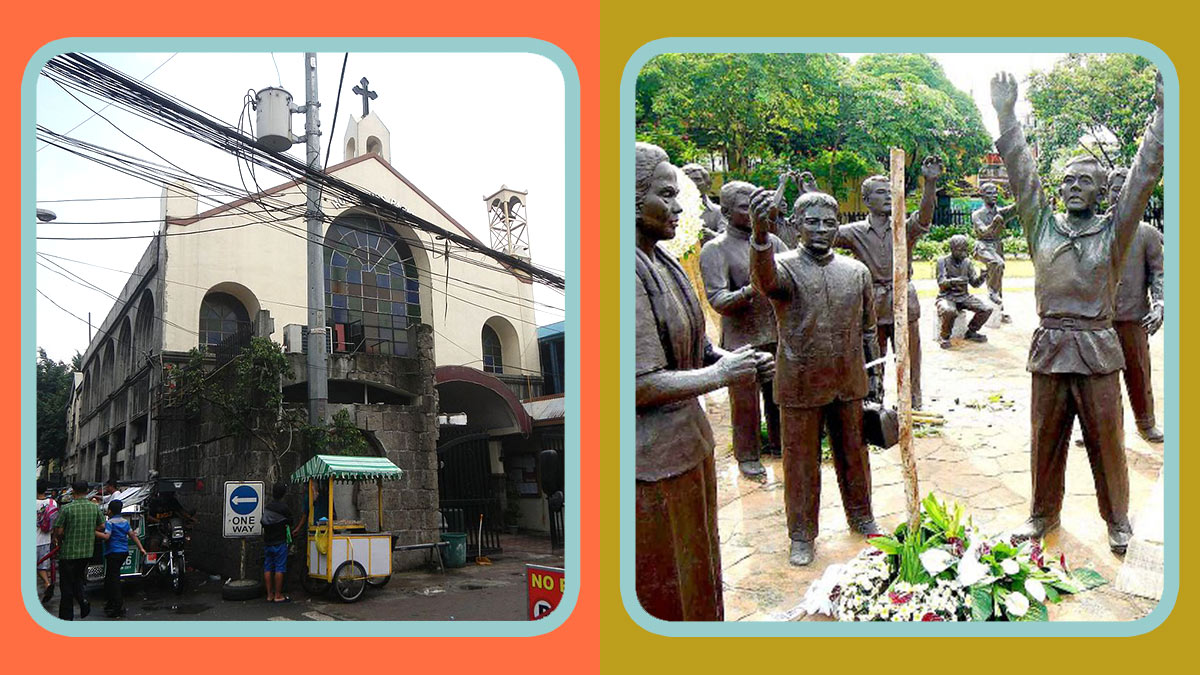
Quezon City is steeped in history, but often, it takes a keen eye and a solid grasp of history to identify important landmarks and make the connection to our history books. For the first time, some of the most important sites related to the Katipunan—the secret society co-founded and led by Andres Bonifacio to organize a revolution against Spanish colonizers in the 1890s—located in Quezon City are being linked into a heritage trail for lovers of history to discover and follow.
"I was recently with National Historical Commission Chairman (Emmanuel) Calairo, and he said to me, 'You're marketing yourself wrong. You should be marketing yourself as the birthplace of the Katipunan,'" Quezon City Mayor Joy Belmonte told Esquire Philippines during a recent interview at City Hall. "We currently have independent parks that mark all of these significant events. We're now linking them up either as a hike or bike trail."
Also read:
Yes, You Can Ask to Visit Manuel Quezon's Tomb Under the QC Circle Shrine
Why Aren't There Big Chain Restaurants in Maginhawa?
10 Cool Art Galleries to Visit in Quezon City
These are the sites in Quezon that will be part of the Katipunan Heritage Trail in Quezon City:
Pugad Lawin Shrine, Balintawak
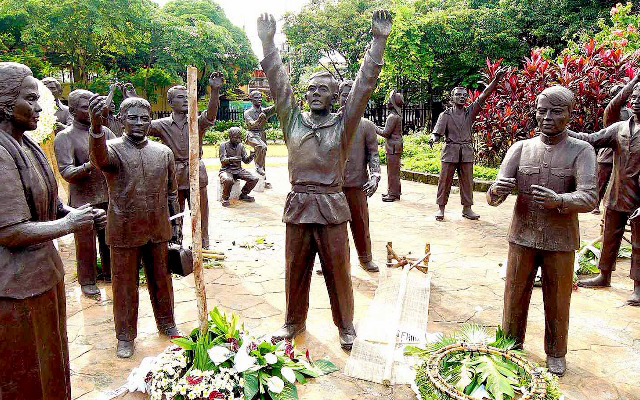
Balintawak is the site of the Cry of Pugad Lawin on August 26, 1896. On that day, the Katipuneros tore their cedula, symbolizing their rejection of Spanish rule, and marking the official start of the revolution against the colonizers.
Today, there is a monument in Pugad Lawin marking the spot where the cry took place.
According to Mayor Belmonte, there is a proposal to build a museum in the area where visitors can learn more about the historical significance of the site.
Barangay Apolonio Samson
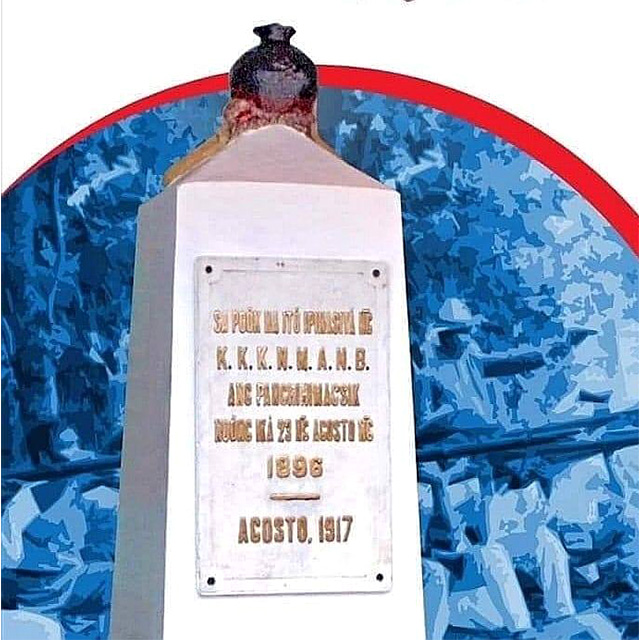
"We're currently trying to look for an open space there to create a plaza and lay a wreath for him," Belmonte said. "Now we're doing it in the street in front of a punerarya, which really shouldn't happen. It's because property prices have gone up in that area."
Belmonte explained that the plan is to rebuild the barangay hall into a vertical structure and turn part of the current land into a park.
"And then we can properly pay tribute to Apolonio Samson," she said.
Tandang Sora Shrine
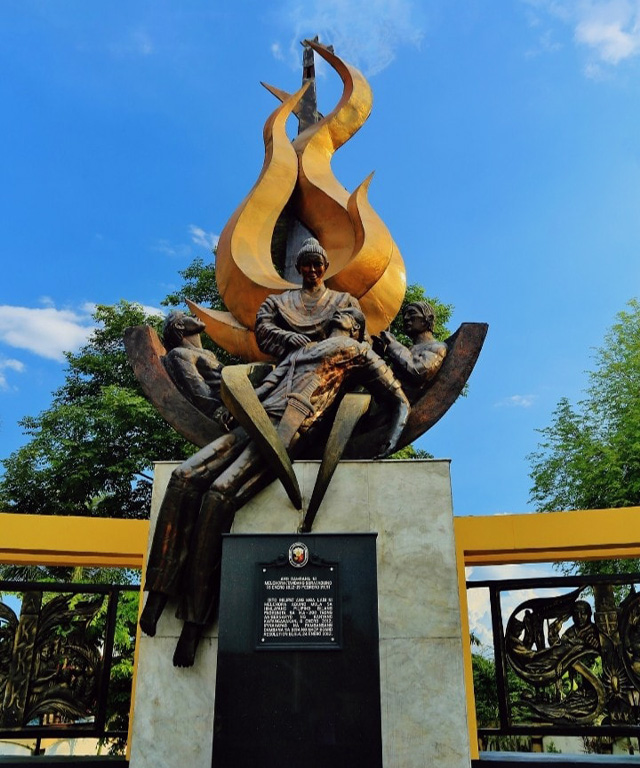
Melchora Aquino, or Tandang Sora, is one of the most famous Katipuneros during the revolution. Offering support in the form of food and shelter to the revolutionaries, she was arrested by the Spaniards and exiled to Guam. She was welcomed back a hero seven years later and quietly passed away at the age of 107 in 1919.
While her remains were initially interred at the North Cemetery, and then transferred to the Himlayang Pilipino, it was transferred again during Belmonte's term as Vice Mayor and re-interred in the shrine in her honor, where they rest to this day.
"It's a recognized site by the NHC," the mayor said. "May marker na siya. It used to be a slum area until my father [former Quezon City representative Sonny Belmonte] had it cleared and turned into a plaza. There's a big, beautiful statue of her by Imao, and then now, we built a two-story structure that will be a women's museum. We're working on that with UP. It's still currently being made. Next year pa yung launch."
Novaliches
Belmonte said few residents of Novaliches today are aware of just how big a role their district played during the time of the revolution against Spain. According to the book Kasaysayan ng Novaliches written by Prof. Rosalina M. Franco-Calairo and her son, now NHC chair Emmanuel Franco Calairo, Novaliches served as a gateway between the then neighboring provinces of Bulacan and Manila, which was later renamed Morong and now Rizal province. Novaliches also served as a staging or gathering area of the Katipuneros from Central Luzon during Bonifacio's unsuccessful attack on the San Juan del Monte Spanish fortress on August 30, 1896.
Belmonte said that, according to history books, the Katipuneros went all over Quezon City, including Novaliches, and that the city plans to put markers in all of those barangays that they visited.
"So the Novaliches Park, or the Bayan Park, we're fixing it up," Belmonte said. "And then we're going to incorporate aspects of Novaliches' history in that park. We're also building a new government center in Novaliches, so they won't feel alone and neglected. It's kind of like a mini city hall. And then the government center that we're vacating, we will turn it into a museum of Novaliches.
"That one, NHC Chair Calairo, is excited because he grew up in Novaliches," she added. "It's a long-term project. Sana before the end of my term, matapos na."
Krus Na Ligas
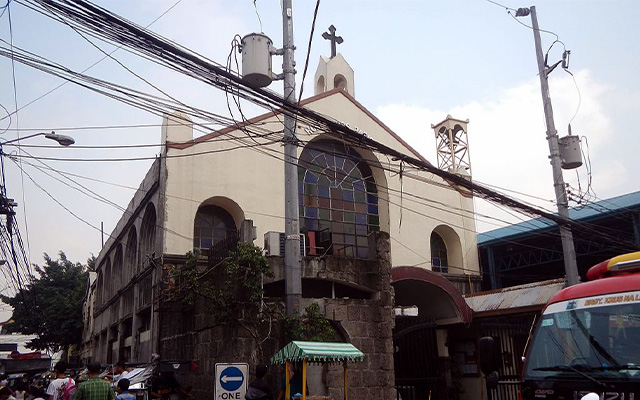
According to the University of the Philippines, Krus na Ligas and nearby Balara were established by Bonifacio himself as a fortress or defensible site. The leader of the Katipuneros and his men rested in the area and planned their next moves.
"We end there muna, kasi dun nagpahinga si Bonifacio," Belmonte said. "It just so happened the old church there was demolished, but we put a marker there."
Future plans for the Quezon City Katipunan Heritage Trail
Belmonte added that to excite potential visitors of this historical trail further, the city is planning to offer "passports" that people can get stamped each time they visit a location along the trail. In addition, there are plans to expand the Katipunan Heritage Trail into a so-called Freedom Trail that would include other sites significant to the Filipino people's struggle for independence and self-determination.
"Marami rin talaga sa Quezon City, including the Bantayog ng Mga Bayani Museum and the EDSA Shrine," she said. "It's private, but we can invoke the local government code. We can increase funding for them, they can fix it up, and it can be part of the trail. Andiyan yung names ng mga Martial Law victims. Maganda rin yun.
"Of course, UP also, which was the site of the First Quarter Storm," she added. "And then you end up in the QC Circle, where the shrine of Manuel Quezon is. And that was recently just turned into a National Heritage site by the NCCA (National Commission for Culture and the Arts) and the National Museum. The museum and the (old) house of Quezon are there)."
The Quezon City Museum will also undergo refurbishment to make it more interactive.
Ultimately, Belmonte said the plan is to develop a trail that people can traverse either by walking or biking. The city is prepared and is working on developing more bike lanes and expanding the existing ones to make it easier for those keen on visiting all the places by bike on the trail.
The hope is that, through the trail, residents and visitors alike will become more aware of the important historical events that took place in the city so they can develop a deeper appreciation and love for the place and perhaps take better care of it for the future.
Also read: Mama Mo: This Timeless Insult Is Over 3,500 Years Old